





 Portuguese
  English
  Spanish
  3 min of reading


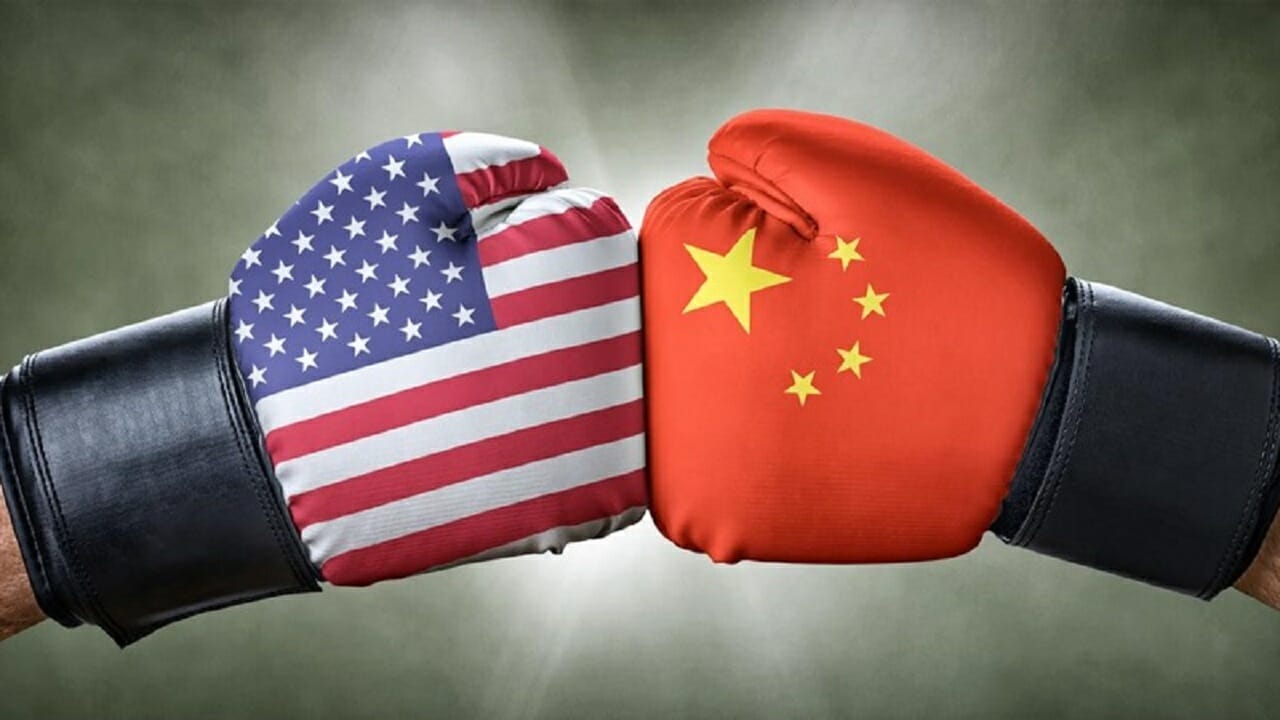
After More Than A Decade In Leadership In Imports Within The US, China Falls To Third Position Due To Sanctions Imposed By The Government.
For 14 years, China dominated the import landscape within the US; however, the sanctions imposed by the Government and the growing distance between the two giants led to its fall from the top of the rankings. For the first time since 2009, the country has dropped from the podium and now holds the third position as the largest supplier to the US, behind Mexico and Canada.
More Than US$ 5 Billion In Imports Stopped Entering The US
Five years ago, China was responsible for more than 20% of all products and raw materials found in US territory; however, this number has dropped to 13.35% according to the U.S Census Bureau.
Mexico currently leads, accounting for 15% of imports, while Canada is not far behind, with 14% of this type of operations within the neighboring country. According to the same agency’s data, there were several recorded declines in imports within the US regarding China.
-
Brazilian city gains industrial hub for 85 companies that is equivalent to 55 football fields.
-
Peugeot and Citroën factory in Argentina cuts production by half and opens a layoff program for more than 2,000 employees after Brazil drastically harmed purchases of Argentine vehicles.

-
A Brazilian city gains a factory worth R$ 300 million with the capacity to process 200 thousand tons of wheat per year, a mill of 660 tons per day, silos for 42 thousand tons, and an industrial area of 276 thousand m².
-
Havan will leave the shopping mall in Blumenau to inaugurate something the chain has never done before: a megastore in half-timbered style in the Historic Center of the city, which is expected to be ready in May and change the landscape of local retail.


The entry of tablets, cell phones, and similar items decreased by 20.24%, the lowest number recorded since May 2016, excluding the Covid-19 pandemic. In total, there were US$ 5 billion worth of products in this category that did not enter the US.
In the case of computers, the decline was a bit larger, as imports of PCs and hardware from China saw a drop of 22.58%, reaching the lowest number since 2010. In this case, US$ 4.8 billion were not invested in imports of this type, compared to the same period last year. Taiwan and Vietnam managed to acquire a portion of what the Chinese market lost.
US Invests US$ 3 Trillion In Imports In 2022
The distance between the United States and China began during the Covid-19 pandemic, during Donald Trump’s administration. The former president raised import tariffs from the territory, making the situation of shipping products and raw materials more challenging during that time. Trump was seeking other means, as he already showed a significant risk to the market due to dependency on a single country for various components.
The Biden Administration maintained the tariffs, causing imports to drop even further. This data contradicts the impressive numbers that the US achieved in 2022, where US$ 3 trillion in imports and US$ 2 trillion in exports were recorded, the first time the country reached this milestone.
US and China In The Chip War
In addition to this drop in imports, the hegemonic dispute between the US and China continues to heat up. Increasingly, the two countries are battling for global leadership in the technology sector. It is not by chance that the White House has announced a series of decisions to try to undermine China’s expansion in the sector, especially in the semiconductor chip production segment.
In recent years, semiconductor chips have become a vital force in the modern economy and the brain of all electronic devices and systems, from iPhones to toasters, data centers to credit cards.
A new car, for example, may have over a thousand chips, each managing a function of the vehicle. The semiconductors are also the driving force behind innovations that promise to revolutionize life in the next century, such as quantum computing and artificial intelligence, like ChatGPT. Thus, it is expected that the US government has practically declared an economic war on China, its biggest rival in the quest for global hegemony.









Seja o primeiro a reagir!