





 Portuguese
  English
  Spanish
  3 min of reading
  0 comments


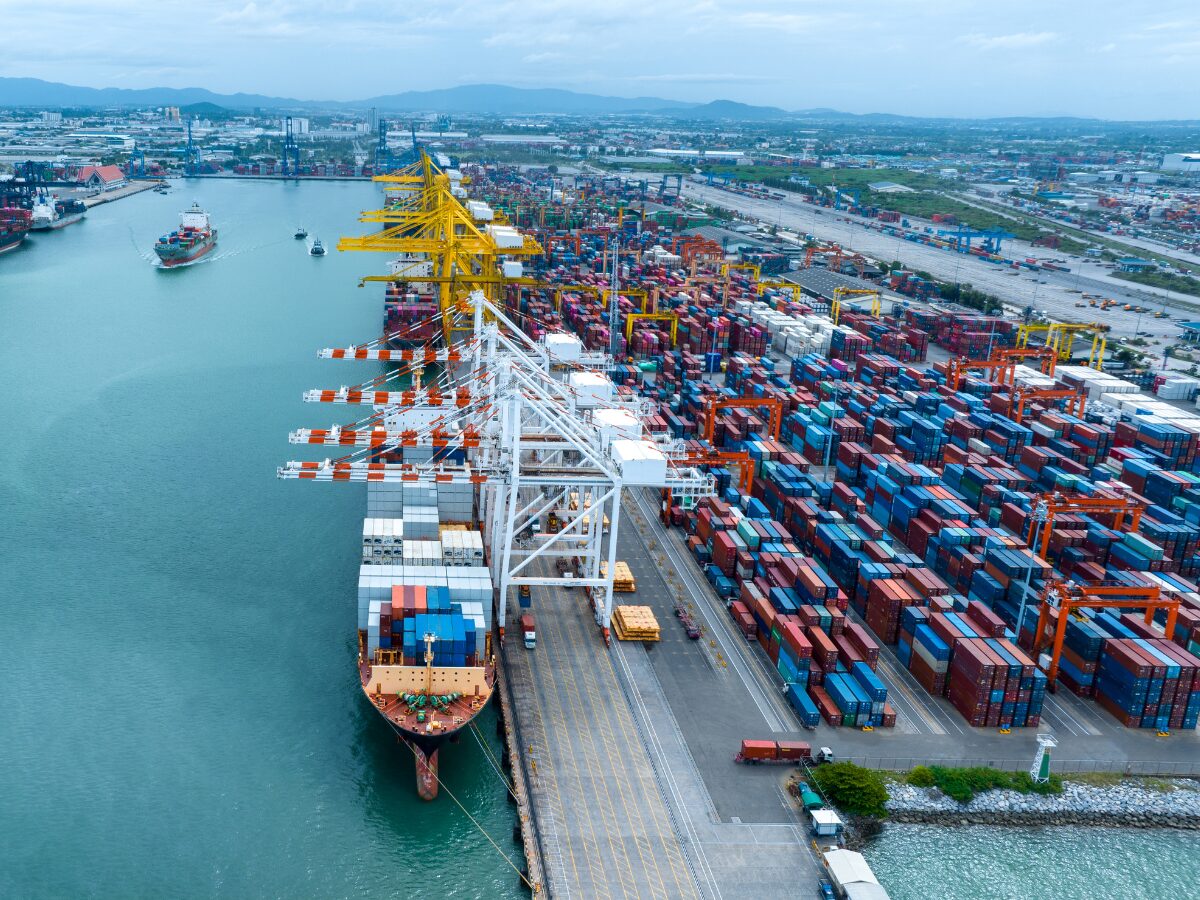
China Criticizes US Tariffs on Chinese Ships, Warning of Global Trade Impacts; Measure Aims to Revitalize American Naval Industry in Decline.
The trade tension between China and the United States takes a new chapter with the American proposal to impose port tariffs on ships built or owned by China that dock in the country’s ports.
The measure, presented by the US Trade Representative last Thursday, the 17th, establishes the collection of a fee based on the volume of cargo transported by vessel, marking a turnaround in American naval policy and reigniting the debate over protectionism and national security.
In response, the China Shipowners’ Association stated on Saturday that it will continue “actively communicating” with Washington and other relevant parties, reiterating its strong opposition to the initiative.
-
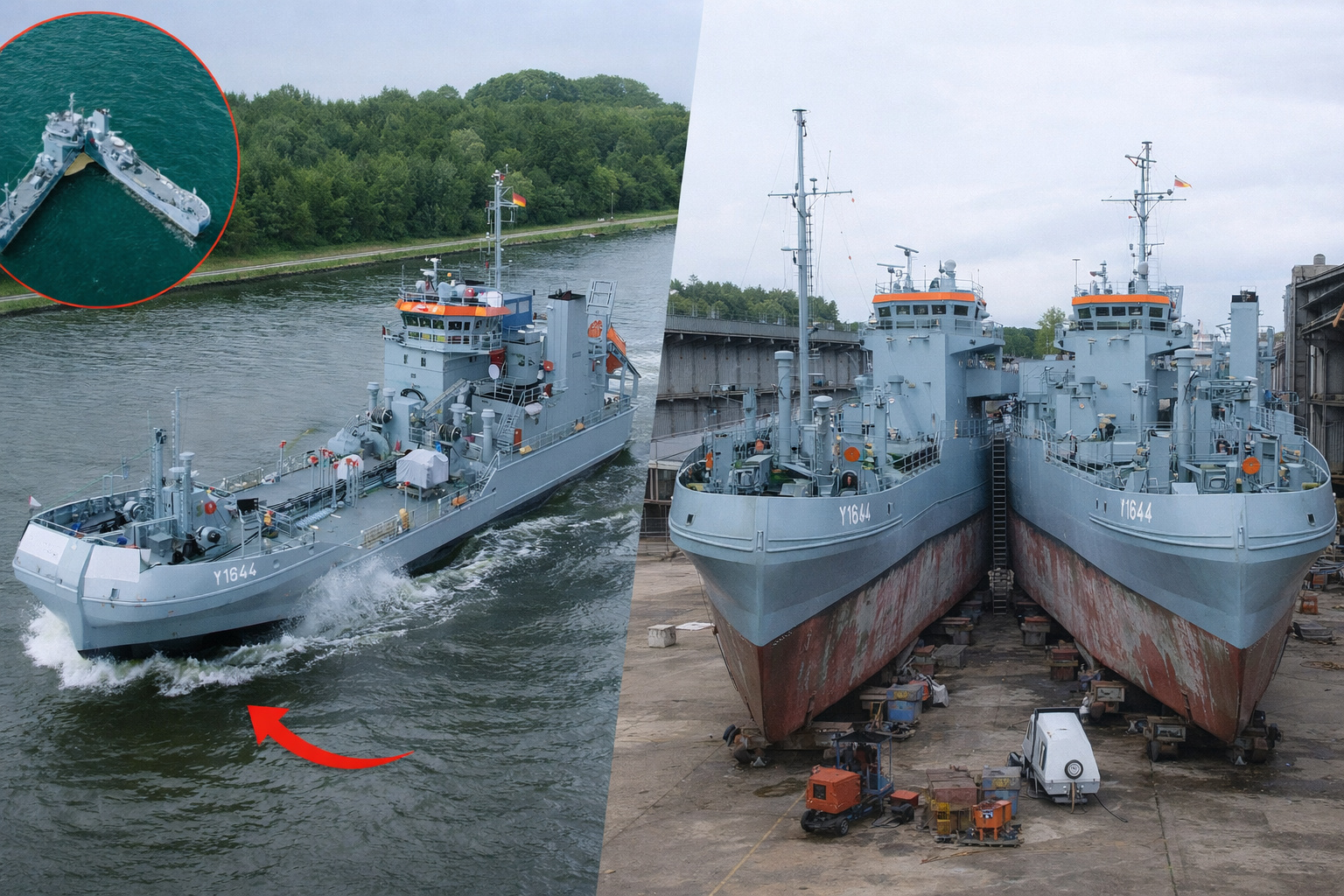
The German ship Bottsand splits its hull in two halves in the middle of the ocean to swallow spilled oil on the surface, separating the oil from the water inside a 790 cubic meter tank and then closing again. It is the only ship in the world factory-designed to split in half as part of normal operations, and the crew of six people who operate everything is civilian.
-
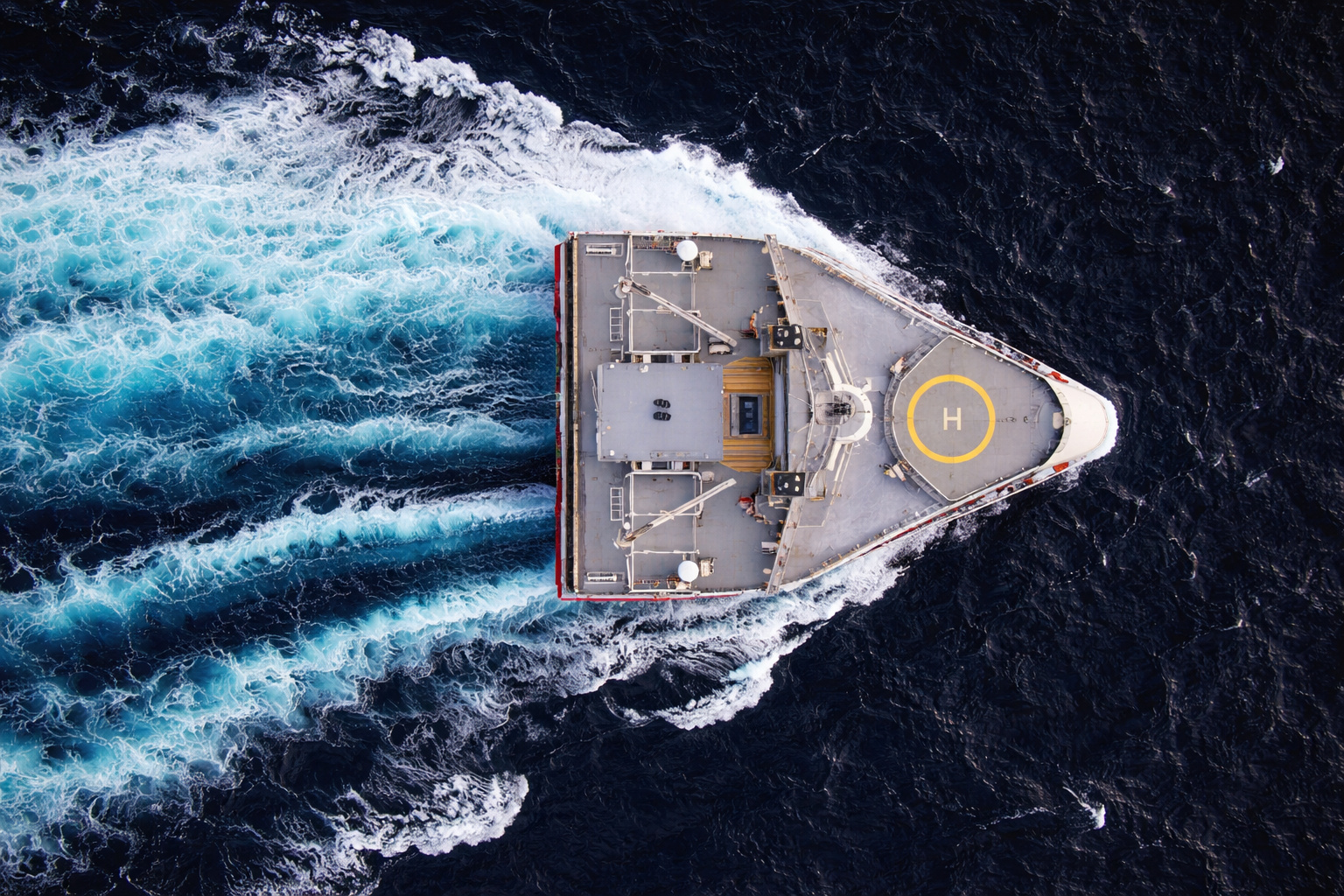
With almost 70 meters in width at the stern and a shape resembling a “giant slice of cheese,” the Ramform Titan tows up to 24 seismic cables to sweep the ocean floor in 3D and reveal oil reserves hidden beneath kilometers of sediment.
-
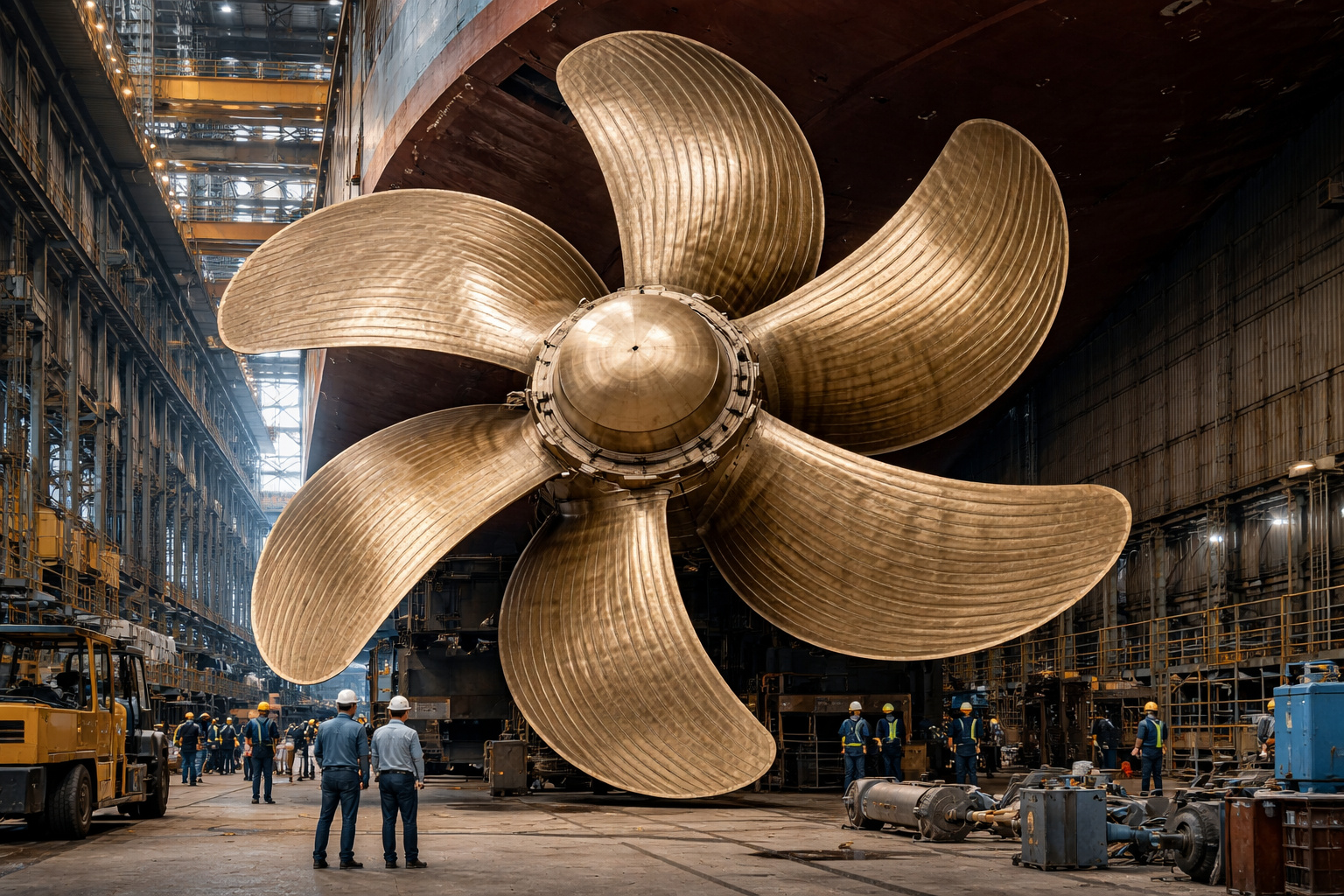
How a 131-ton, 11-meter propeller supports 90% of global trade and transforms the largest container ships on the planet.
-
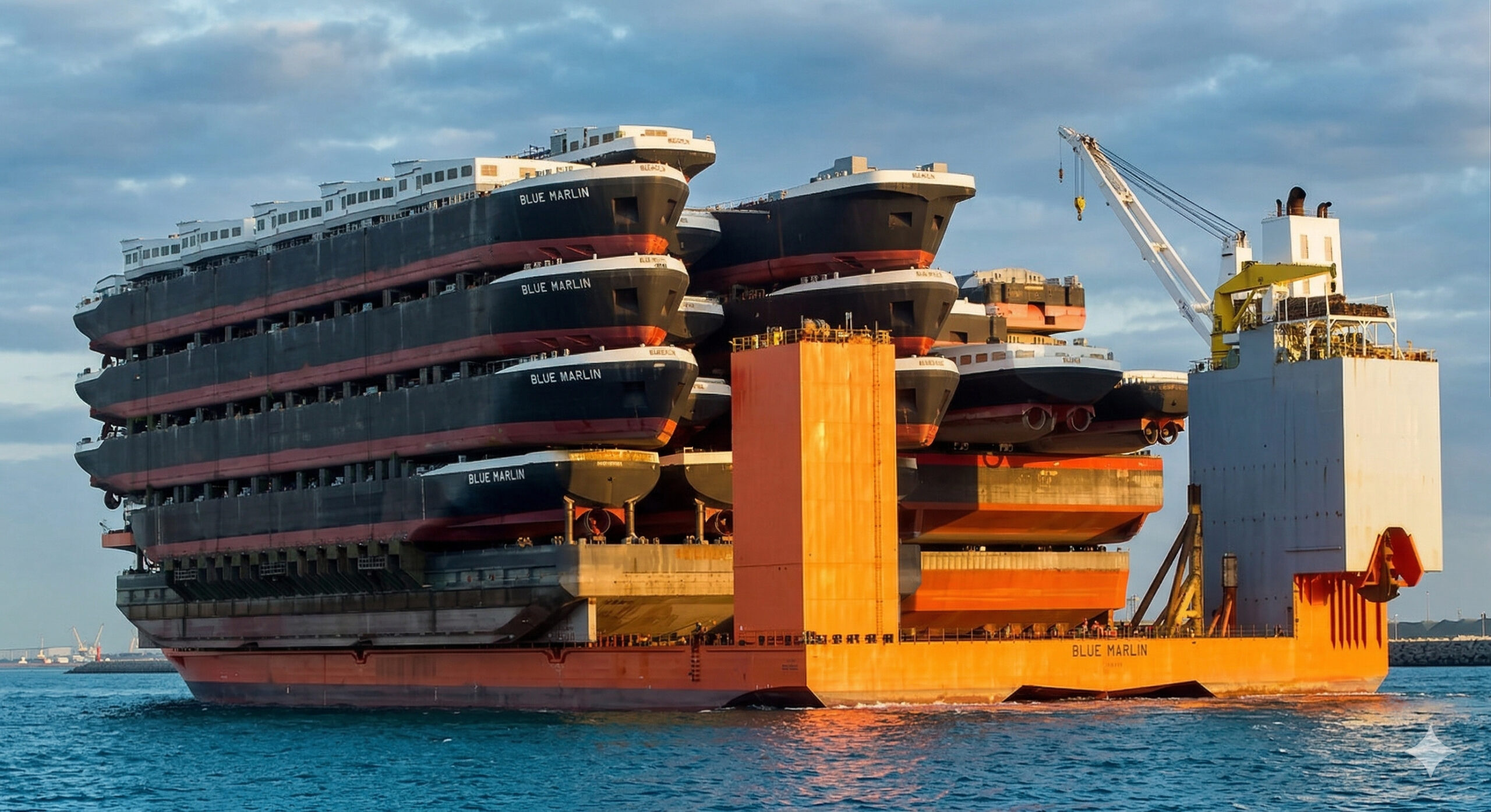
With a length of 225 meters and a capacity of 76 thousand tons, this ship “sinks” its own deck down to 28 meters deep to accommodate war destroyers, oil platforms, and giant radars floating above, and then emerges with everything intact on top like a colossal tray crossing oceans.

Tariffs With Global Impact and Immediate Reaction From China
The proposal, still under review, anticipates that the new tariff of US$ 50 per net ton will come into effect in October, with gradual increases over three years.
The measure will also impact non-Chinese vessels, especially those transporting vehicles that were not manufactured in the United States.
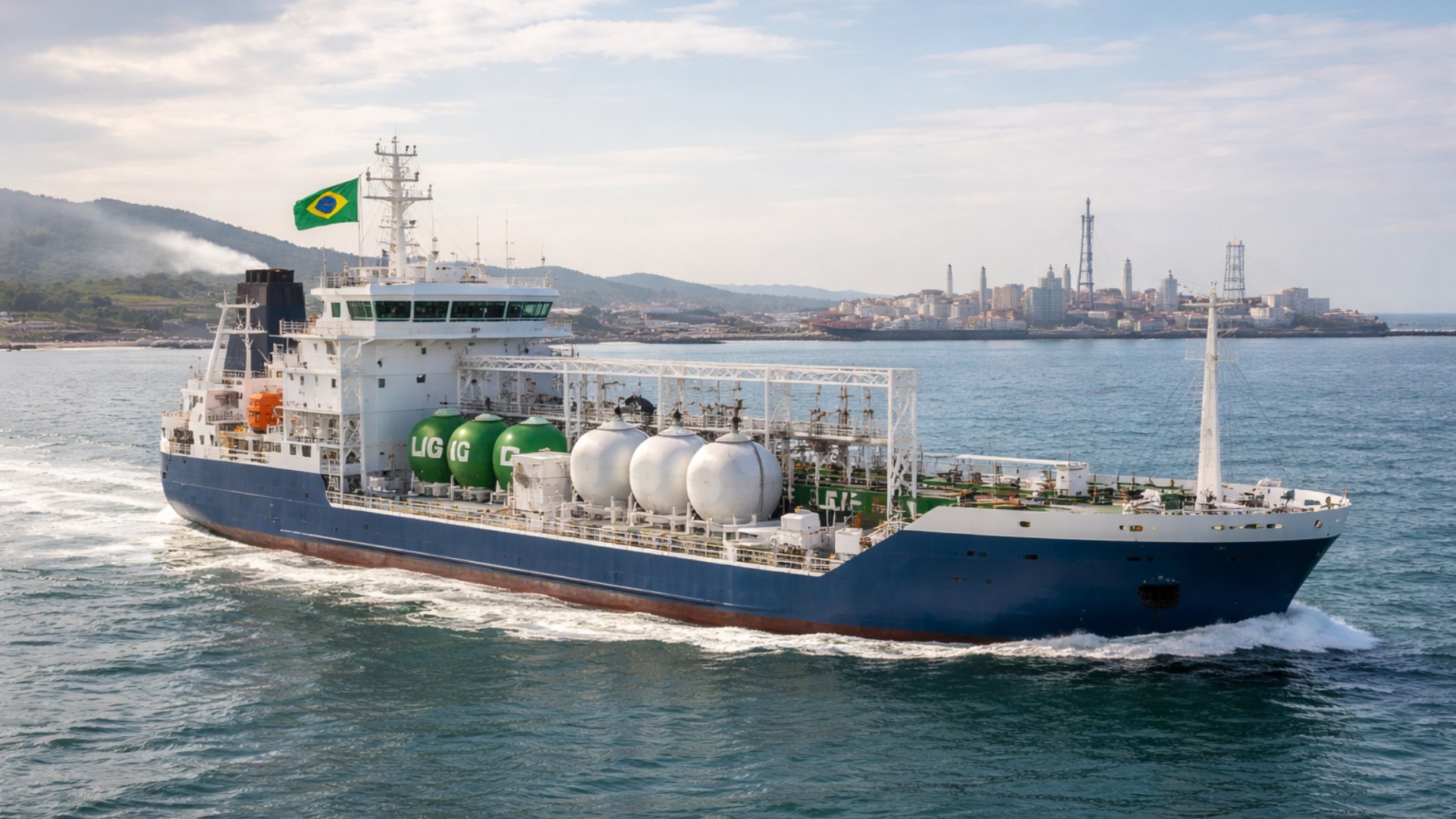
A second phase, to be implemented within three years, will restrict the entry of foreign ships transporting liquefied natural gas.
China quickly labeled the tariffs as “significantly discriminatory,” accusing the US of basing the proposal on “false facts and prejudice.”
The organization representing Chinese shipowners stated in an official announcement published on WeChat that such restrictions “will not help revitalize the American naval industry” and that the measure will be “harmful to all,” affecting global logistics chains.
American Naval Industry Aims for Recovery With Tariffs
According to the American administration, the revenues collected from the new tariffs will be directed toward revitalizing the US naval industry, which currently mainly focuses on military contracts and barely builds commercial ships.
The proposal represents a retreat from a previous plan that suggested fixed fees of up to US$ 1 million per ship.
Now, with the charge based on net tonnage, the intention is to make the policy more viable and less abrupt for the international shipping sector.
Shipowners and Global Trade Attentive to Developments
Experts warn that the adoption of these tariffs could trigger trade retaliations and destabilize global maritime trade. Shipowners from various nationalities, not just Chinese, could be affected, broadening the scope and complexity of the economic impact.
Meanwhile, China and the United States maintain firm rhetoric but with room for negotiations. The China Shipowners’ Association emphasizes that it is open to dialogue and calls for a review of the measure, in the name of international cooperation and the stability of trade routes.





Seja o primeiro a reagir!