





 Portuguese
  English
  Spanish
  5 min of reading
  0 comments


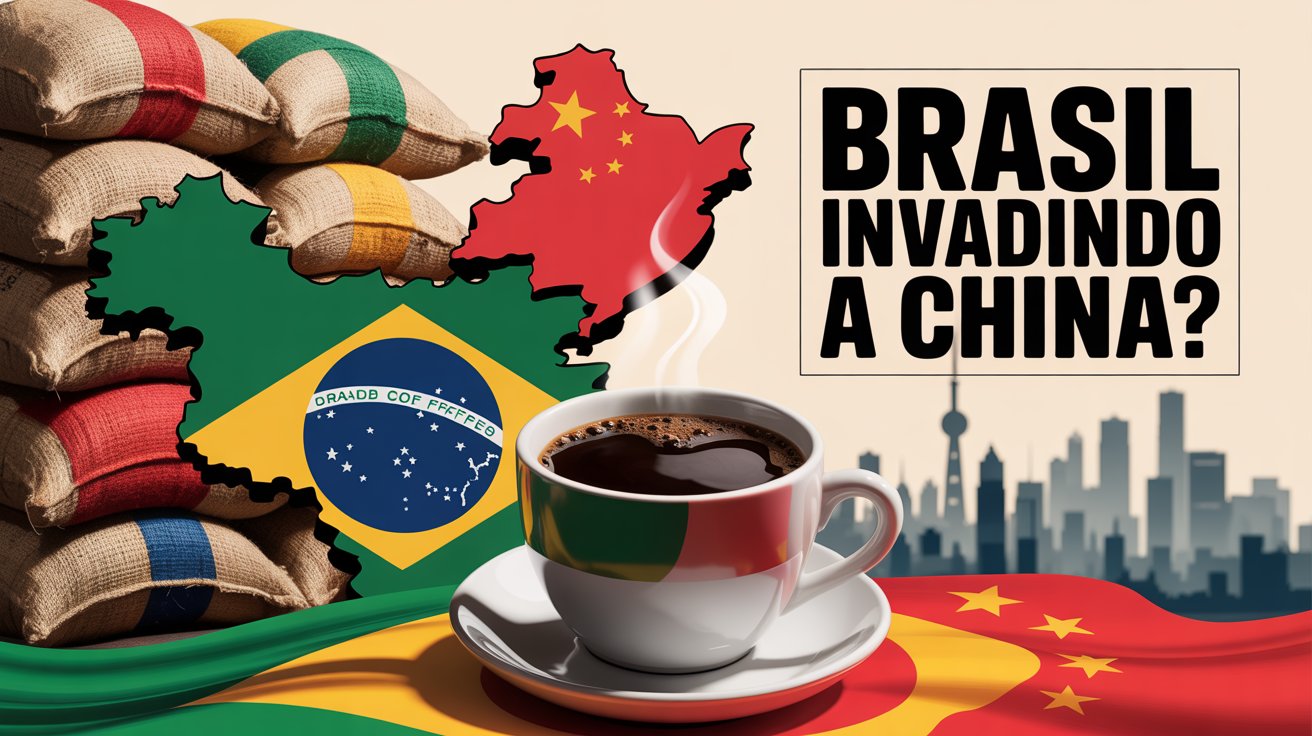
China Opens Doors for More Than 180 Coffee Exporters from Brazil, Strengthening Billion-Dollar Agreements and Expanding the Country’s Role in the Asian Market. Local Consumption Grows and Drives Promising Scenarios for Brazilian Producers.
China has expanded the space for Brazilian coffee in its market by enabling 183 new Brazilian companies for product export, revealed the newspaper Folha de S. Paulo this Saturday (02).
The announcement was made by the General Administration of Customs of China and shared through the social media channels of the Chinese Embassy in Brazil, as well as officially communicated by the Minister of Agriculture, Carlos Fávaro.
The measure comes into effect for five years, establishing a new milestone in trade relations between Brazil and China in the coffee sector.
-
“No one will make us change the Pix,” says Lula after the US report.

-
Lula responds directly to Trump and says that Pix is from Brazil and will not change under pressure from anyone, after a report from the United States pointed out the Brazilian payment system as an American trade barrier.

-
Amazon has just announced a new fee on all deliveries, and your online purchases will become more expensive starting April 17, including for those buying from the United States here in Brazil.

-
He sold his share for R$ 4 thousand, saw the company become a giant worth R$ 19 trillion, and missed the opportunity of a lifetime.


Brazilian Coffee Exporters and U.S. Tariffs
The Chinese decision was announced on the same day that the U.S. government, under President Donald Trump, imposed a 50% tariff on Brazilian coffee.
Currently, Brazil accounts for about one-third of the 25 million bags consumed annually by Americans.
The new taxation creates challenges for Brazilian exporters in the U.S., but at the same time reinforces Brazil’s role in the Chinese and Asian markets.
According to the Council of Coffee Exporters of Brazil (Cecafé), Brazilian exports to China were still modest until mid this year, totaling 538 thousand bags in the first six months of 2025.
However, the growth expectation is significant, driven by agreements made with major local networks.
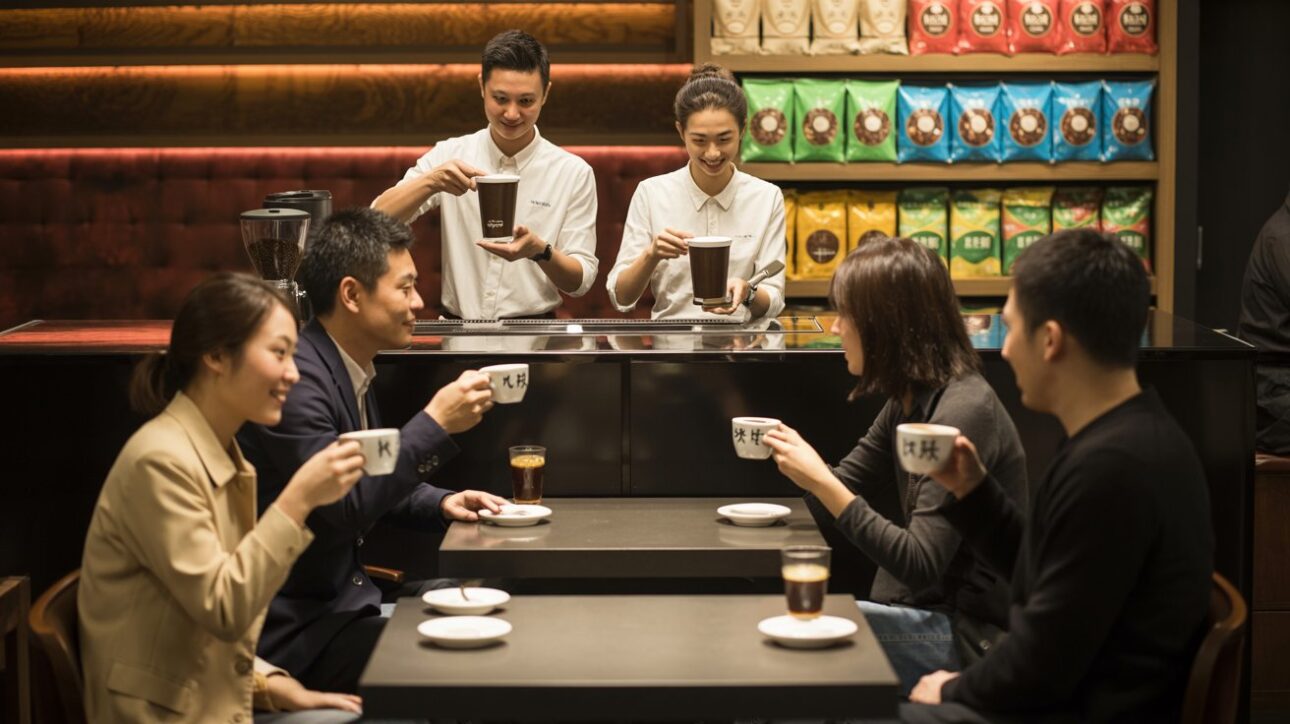
The main example is the partnership with Luckin Coffee, the largest coffee chain in China, which has been surpassing international competitors like Starbucks in the Chinese market.
Strategic Partnerships with Luckin Coffee
In June 2024, during a mission from ApexBrasil (Brazilian Agency for Promotion of Exports and Investment Attraction) to Beijing, Luckin Coffee and representatives of the Brazilian agribusiness signed an agreement to purchase 120 thousand tons of Brazilian coffee by 2029.
This volume was increased in November of the same year, when both parties decided to double the target to 240 thousand tons, signaling the growing appetite of Chinese consumers for national coffee.
The ApexBrasil agency has been one of the main facilitators of these partnerships, participating in fairs, business rounds, and events to promote Brazilian coffee in the Asian country.
Growth of Coffee Consumption in China
The rise of Brazilian coffee in China accompanies a change in local consumption habits.
In 2023, the per capita average was 16.7 cups per year, according to industry data.
In 2024, this number rose to 22.22 cups, and forecasts indicate that by the end of the year, consumption will reach around 30 cups annually per person.
Although the index is far from the global average of about 150 cups per year, the growth potential is considered significant by analysts and coffee market specialists.
Expansion of Brazilian Exports
According to the General Administration of Customs of China, the enabling of exporters is part of a broader movement for closer trade with Brazil.
In addition to coffee, other agribusiness sectors also benefited at the same time:
- 30 Brazilian companies received authorization to export sesame
- 46 were authorized to sell poultry and pork feed to the Chinese market
All these permits took effect on July 30, 2025, strengthening the presence of Brazilian agribusiness in China.
Diplomacy and International Trade
The stance of the Chinese government in the face of global trade tensions was also evident.
Earlier that week, the spokesperson for China’s Ministry of Foreign Affairs, Guo Jiakun, declared: “China is willing to work with Brazil, other Latin American countries, and BRICS nations to uphold the multilateral trading system centered around the WTO [World Trade Organization] and safeguard international fairness”.
The statement reinforces China’s interest in diversifying suppliers and seeking long-term partnerships with strategic countries like Brazil.
Brazilian Coffee’s Role in the Chinese Market
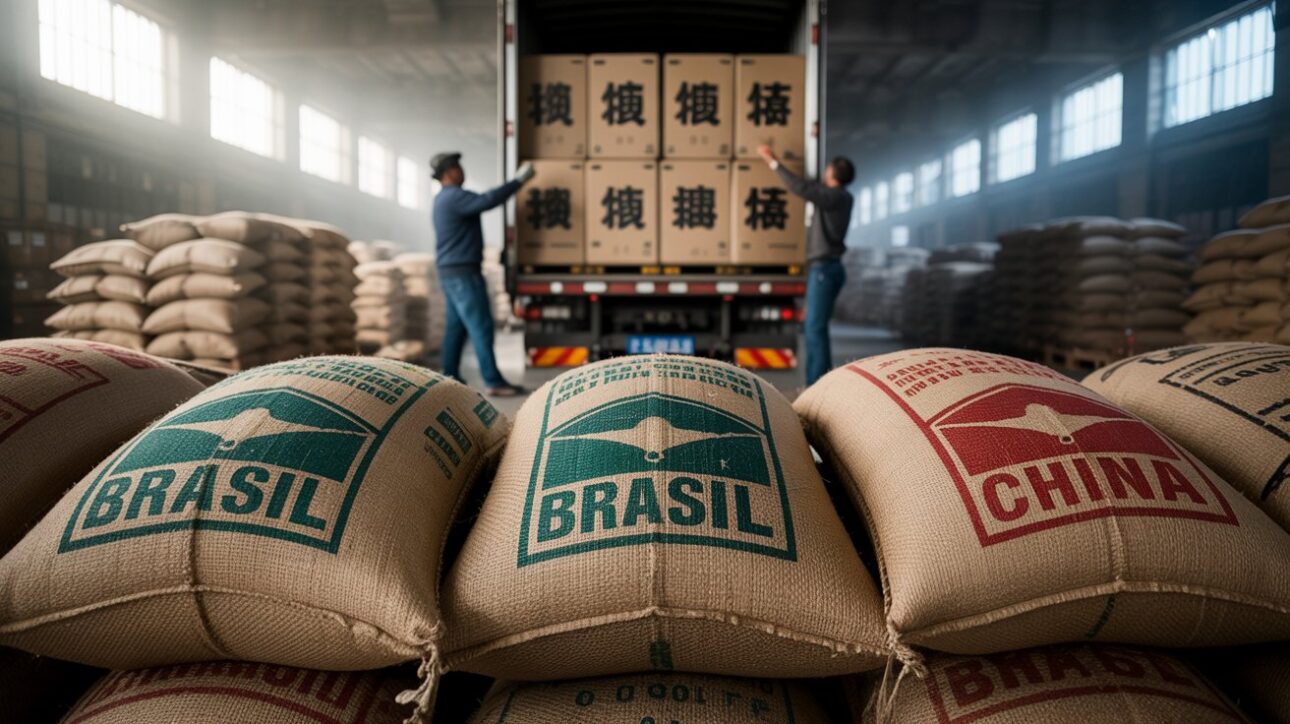
The growth of Brazilian coffee in China has triggered strategic movements among the major global players in the sector.
With Luckin Coffee expanding its presence and overtaking the American Starbucks in the number of stores in the country, Brazil’s influence as a supplier of quality raw materials to meet Asian demand is also growing.
According to experts, the choice of Brazilian coffee is attributed to its recognized quality, the consistency of production, and the logistical capability established in Brazil.
Growth Potential for Brazilian Producers
Data from the International Coffee Organization (ICO) and the Brazilian Ministry of Agriculture, Livestock, and Supply reinforce the significance of the Chinese market for the future of Brazilian exports.
China, which less than a decade ago had restricted consumption to tea, has become one of the main emerging markets for global coffee.
The Asian country currently ranks among the top ten importers of Brazilian coffee, and the trend is one of continuous growth in the coming years.
The increase in coffee exports to China is also expected to boost the economy of producing regions in Brazil, particularly Minas Gerais, Espírito Santo, São Paulo, Bahia, and Rondônia, which are leading states in national production.
The Brazilian coffee sector, responsible for millions of direct and indirect jobs, sees the opening of the Chinese market as a strategic opportunity to diversify destinations and ensure greater stability amid international fluctuations.
Commercial Relations and Sino-Brazilian History
The Sino-Brazilian commercial relationship in agribusiness gained strength particularly from the 2010s, with significant advances in sanitary agreements, technological partnerships, and commercial promotion missions.
Brazil is already the main supplier of soybeans, beef, and chicken to China, and coffee is on track to occupy a similar position in the coming years, as recent data indicates.
In a global scenario marked by trade and political tensions, Brazilian coffee is conquering China and expanding its international presence, boasting billion-dollar agreements, quality recognition, and growing demand.
In light of this scenario, do you believe that national coffee can assume a leading role in the Asian market in the coming years? What impact will this movement have on the Brazilian economy and on consumers in the country?








-

-

4 pessoas reagiram a isso.