





 Portuguese
  English
  Spanish
  4 min of reading
  0 comments


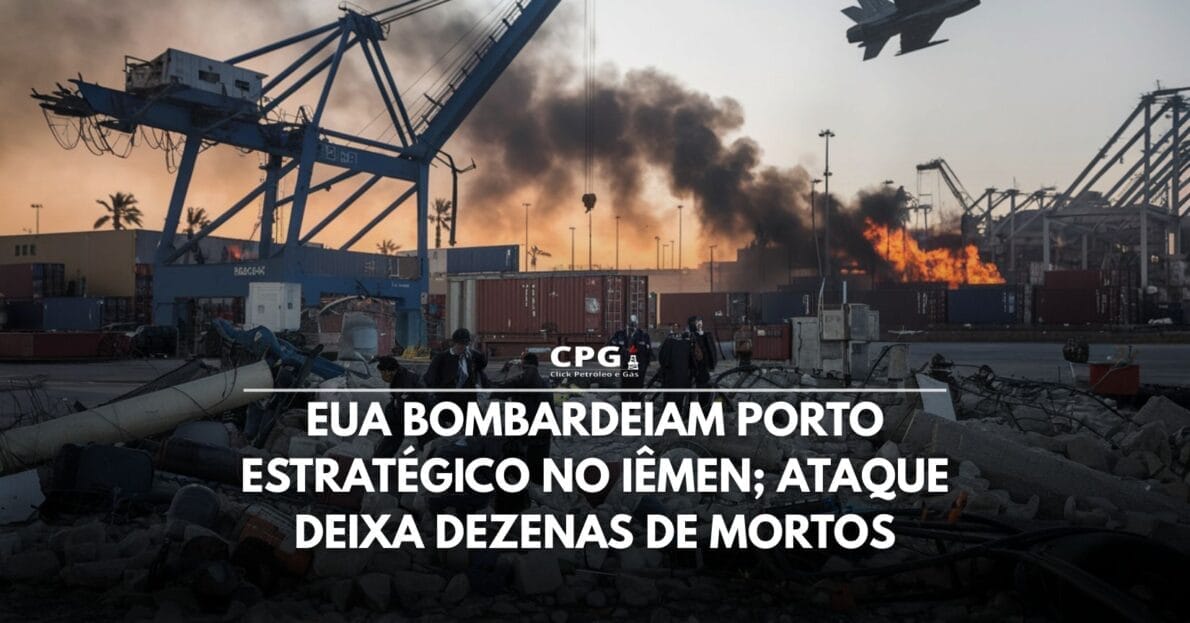
Airstrike in Ras Isa, Targeting Houthi Positions, Causes Dozens of Casualties Among Workers; Rebel Group Denounces Offensive as Massacre.
U.S. armed forces conducted an airstrike on Thursday (17th) against the port of Ras Isa, in the northern province of Hodeidah, Yemen. The site is considered strategic for oil exportation in the country and, according to the U.S. Central Command in the Middle East (Centcom), serves as a source of funding for the Houthi rebels, a Shiite group supported by Iran.
According to information released by the Al-Masirah broadcaster, linked to the Houthis, at least 58 people died and more than 100 were injured in the airstrike, most of them port workers. Houthi-controlled Yemeni authorities reported that rescue operations are ongoing at the site.
U.S. Justifies Attack as Action Against Houthi Funding Sources
The U.S. Central Command stated that the attack aimed to directly hit the “economic sources of Houthi power.” According to a statement released after the operation, the rebels have been using revenue obtained from illegal oil exports from the port to finance military actions and attacks in the region.
-
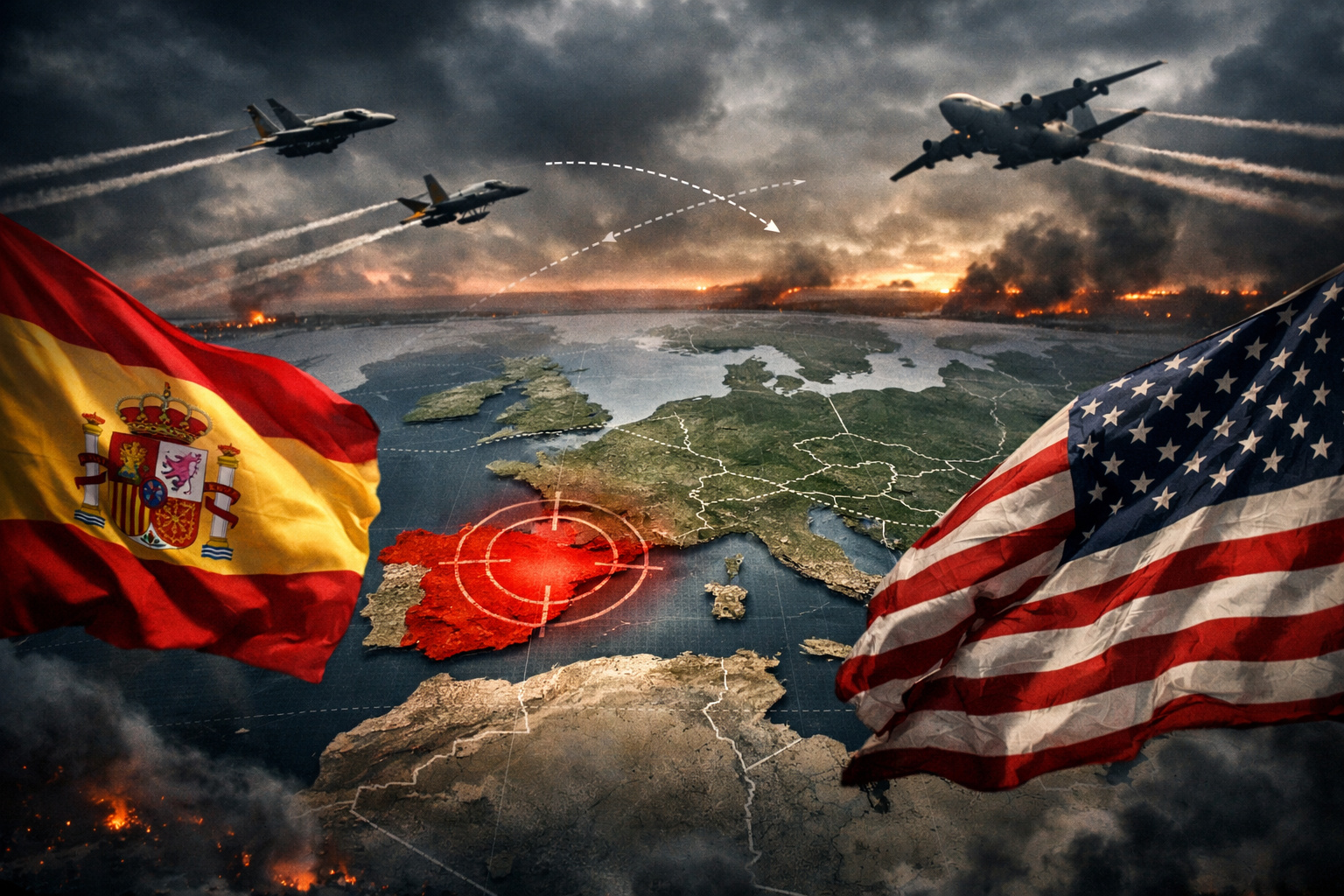
Spain challenges the USA and closes its airspace for operations against Iran, raising global tension and provoking the threat of a trade rupture.
-
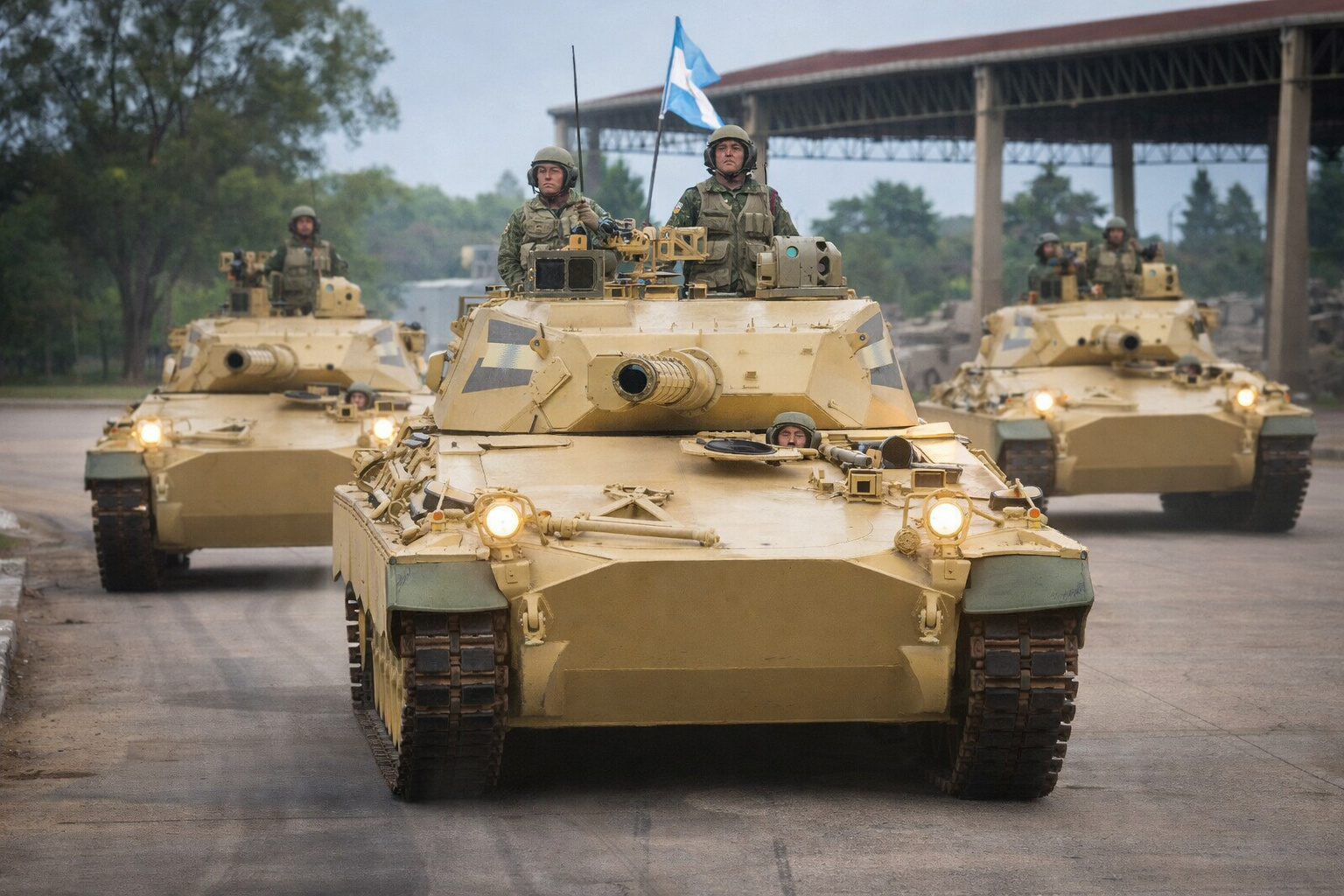
While no other country manufactures tanks in Latin America, Argentina activates the TAM 2C-A2 and raises a curiosity about the technological lag in the region.
-
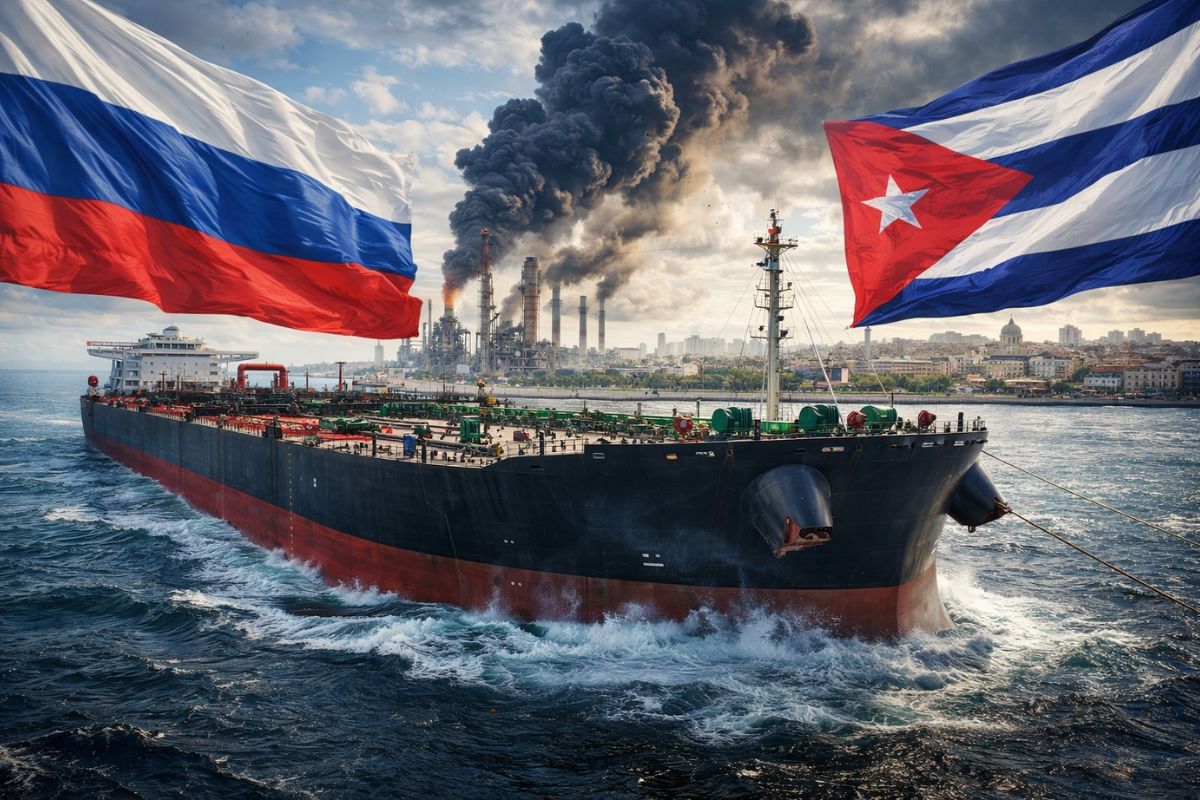
A Russian ship with 730,000 barrels of oil has just arrived in Cuba while Mexico negotiates fuel sales through private companies: the communist island is desperately seeking alternatives after losing its supply from Venezuela due to American military action.
-
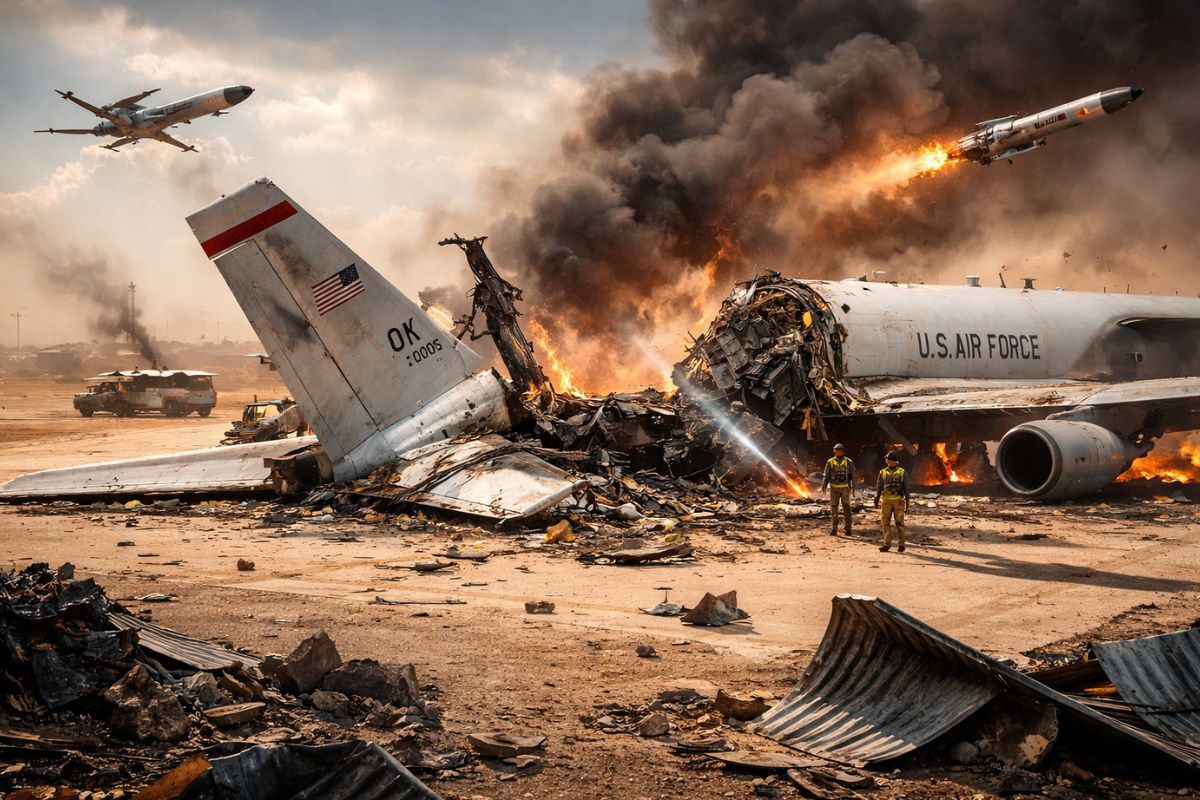
Iranian drones and missiles destroyed a 270 million dollar American spy plane in Saudi Arabia, splitting the E-3 Sentry aircraft in half and injuring 12 military personnel in an attack that exposes the vulnerability of U.S. bases in the Persian Gulf.
“The objective was to deny the Houthi terrorists, backed by Iran, a source of income that has been used to terrorize the region for over a decade,” said Centcom. The U.S. government designated the Houthis as a foreign terrorist organization in early March.

The offensive occurs in the context of an increase in attacks by the rebels in the Red Sea and the Gulf of Aden, regions considered essential for global maritime trade. Since November 2023, commercial vessels and military ships transiting through these waters have been targeted by missiles and drones launched from Yemen.
U.S. Military Action Provokes International Reactions and Protests in Yemen
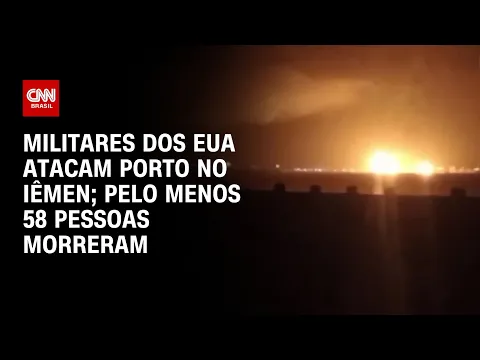
Images released by Al-Masirah showed explosions and clouds of smoke at the Ras Isa port, described as the “first images of U.S. aggression.” On Friday (18th), Houthi health ministry spokesman Anees Alasbahi reported that emergency teams continue to work on body recovery and firefighting.
The Palestinian movement Hamas also commented on the attack, labeling the action a “flagrant aggression” and a violation of Yemeni sovereignty. In a statement, the group said the attack confirms the continuation of “aggressive American policies” in the region.
In response to the airstrike, the Houthis called for protests in several cities in Yemen, both in protest against the U.S. and in support of the Palestinian population in the Gaza Strip, where Israel has maintained a military offensive since October 2023.
Conflict in Yemen and Impact on Oil Trade
The Yemen, located on the Arabian Peninsula, has been in civil war since 2014. The Houthi rebels, who are supported by Iran, control large areas of the country, including the capital, Sanaa. The dispute also involves forces allied with the internationally recognized government and a coalition led by Saudi Arabia.
The Ras Isa port is a vital infrastructure for Yemeni oil exports. With the airstrike and damage caused to the facility, local authorities warn of possible impacts on the regional economy and fuel distribution.
According to the U.S., the resources from the exploration and sale of oil at the port were being diverted by the Houthis and not used for the benefit of the population. “These hydrocarbons should be legitimately provided to the people of Yemen,” stated Centcom.
International Coalition Expands Military Presence in the Region
With the increase in hostilities, the U.S. has intensified military operations in Yemen since March, with authorization from President Donald Trump. The actions have included airstrikes and economic sanctions on local institutions, such as the recent blockade on a Yemeni bank accused of financially supporting the Houthis.
In addition to the U.S., the United Kingdom and France are part of a naval coalition aimed at protecting maritime traffic in the Red Sea. On Thursday, a French frigate shot down a drone launched from Yemeni territory, according to French Defense Minister Sébastien Lecornu.
The Israeli Army also stated it intercepted a missile launched from Yemen, highlighting the complexity of the conflict, which intertwines various regional fronts, including the confrontation between Israel and Hamas.
Source: UOL









Seja o primeiro a reagir!