





 Portuguese
  English
  Spanish
  6 min of reading
  0 comments


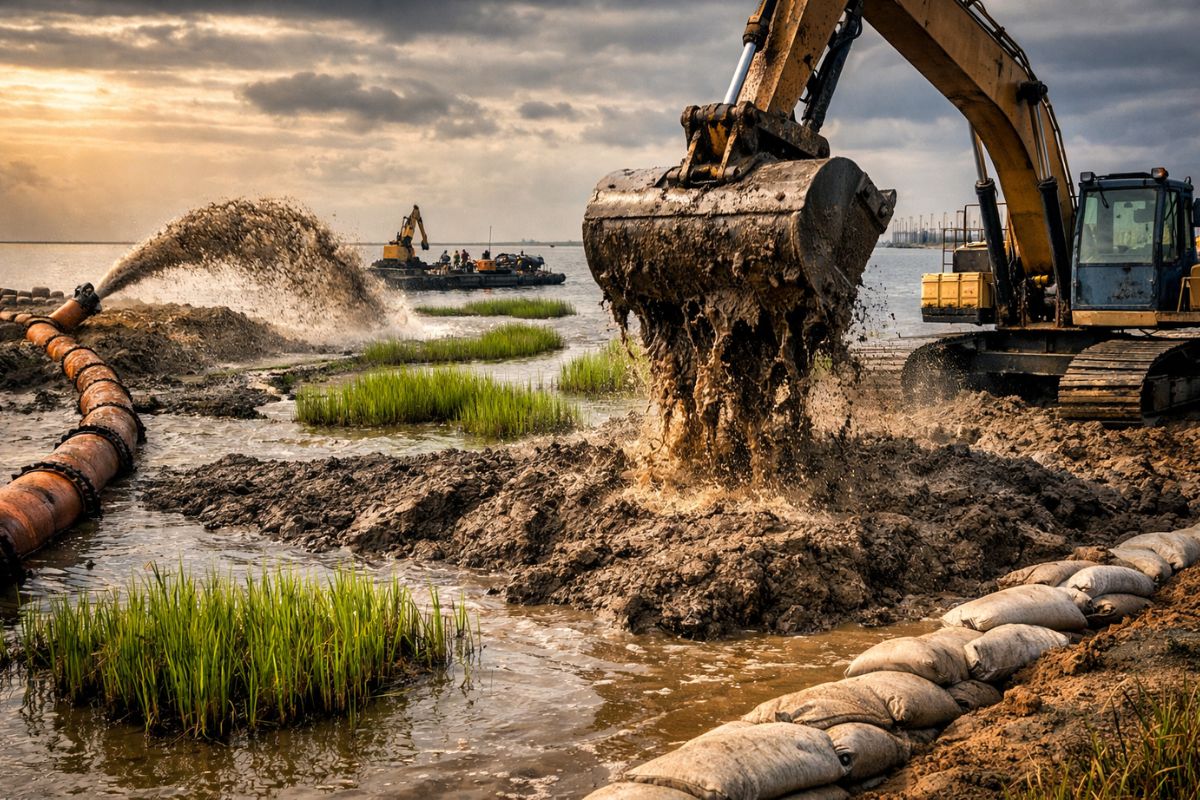
In West Bay, Louisiana, sediment dredged from the Mississippi River is being repositioned to restore swamps, strengthen degraded shores, and increase navigation channel stability, in a strategy that combines engineering, adaptive management, and natural processes to contain coastal losses over time in the region.
The swamps of West Bay, Louisiana, are at the center of a strategy led by the New Orleans District of the U.S. Army Corps of Engineers that replaces the logic of disposal with the logic of repositioning. Instead of treating dredged sediment from the Mississippi River as operational waste, the project uses this material to restore coastal areas that have lost resilience, ecological function, and the ability to support the shores over time.
In practice, the material removed from the federal navigation channel and from an adjacent anchorage area is placed at calculated points to guide river flow, stimulate natural deposition in the bay, and reinforce vulnerable sections. The intervention combines principles of Engineering with Nature, adaptive management, and continuous monitoring in an area where the river diversion completed in 2003 continues to shape local dynamics.
How River Mud Came to Function as Structure
The core of the project is based on a simple yet technically sophisticated idea: use the river’s sediment as both a constructive and ecological element simultaneously. In West Bay, this material is not placed randomly. It is repositioned to serve specific functions, such as reinforcing shores, directing water flow, and creating conditions for new deposits to form naturally behind these barriers.
-
Attracting around 250,000 people a year, a lighthouse 200 meters from the sea, on a 60-meter high cliff, on the North Sea coast in Denmark, becomes one of the most impressive examples of how nature can threaten historical buildings.

-
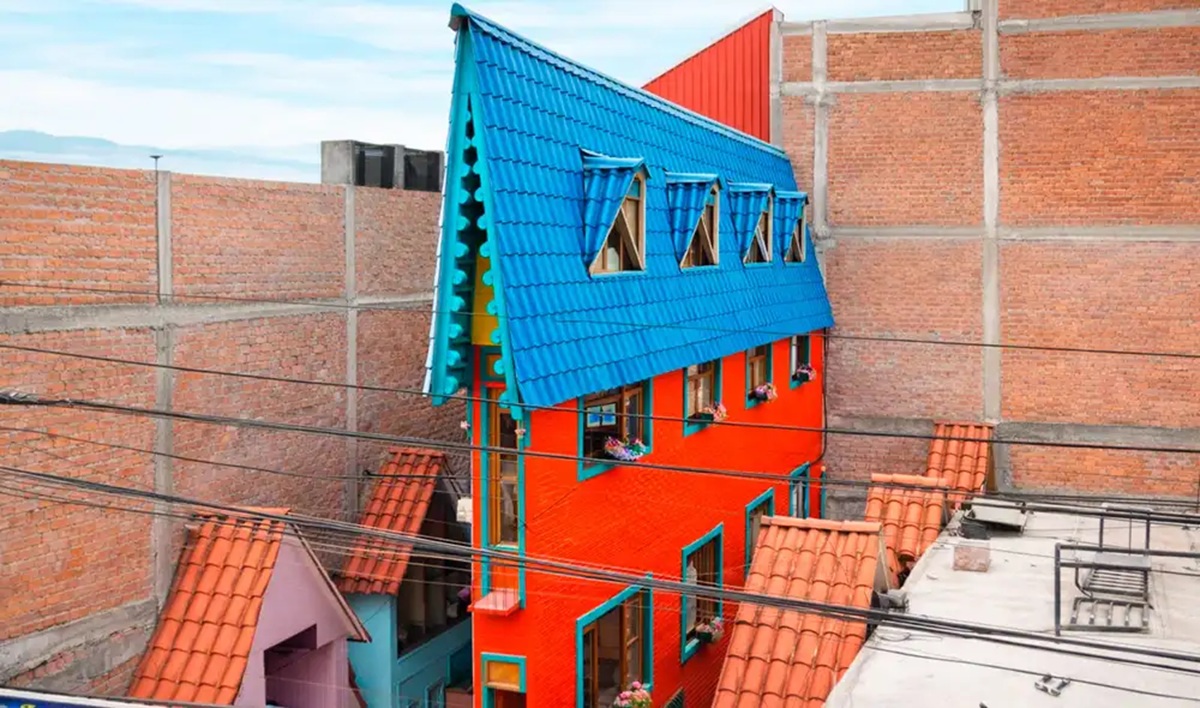
The narrowest house in the world is only 63 centimeters wide, but inside it can accommodate a bathroom, kitchen, bedroom, office, and even two staircases.
-
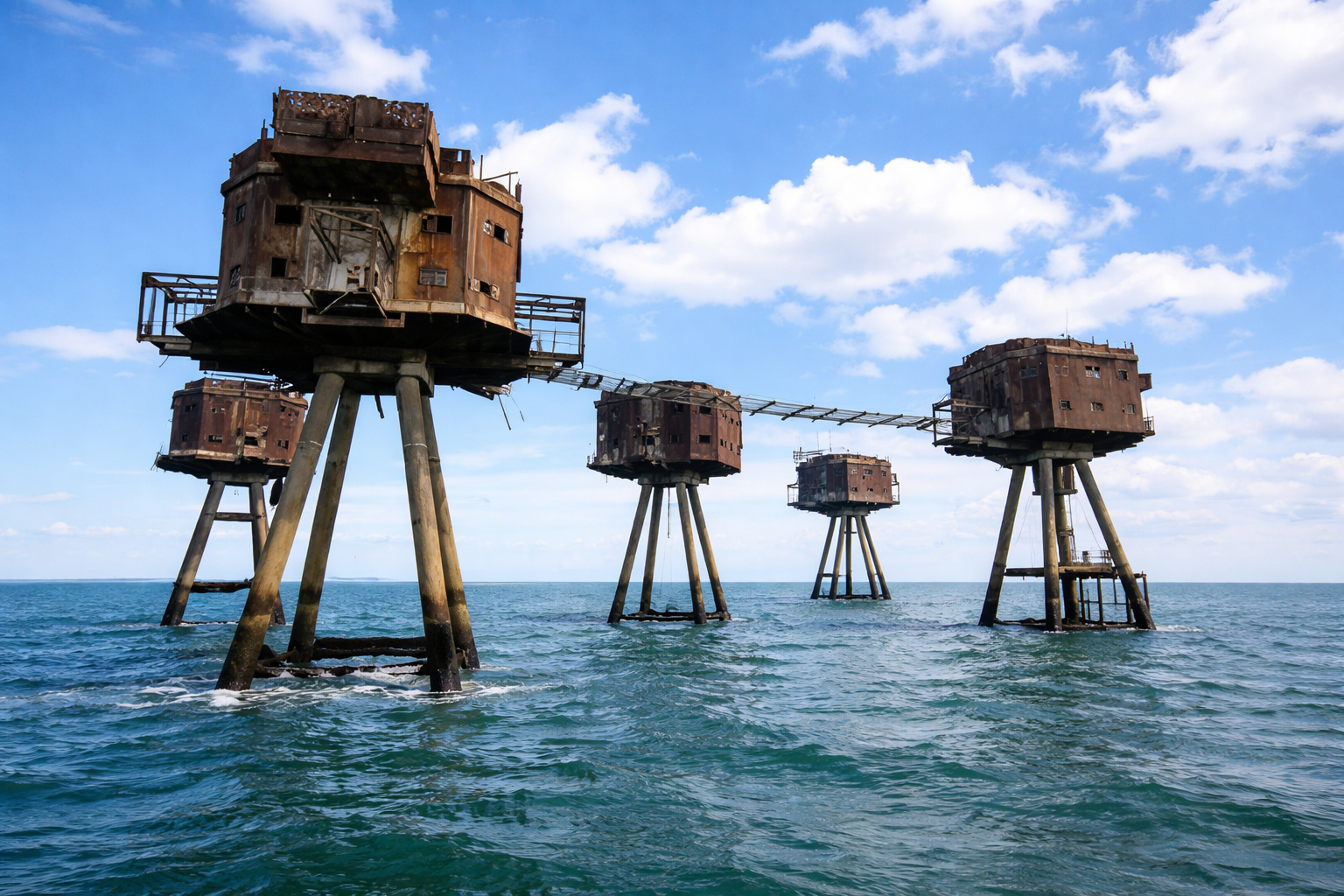
In the middle of the sea, these enormous concrete and steel structures, built by the British Navy to protect strategic maritime routes, look like they came straight out of a Star Wars movie.
-
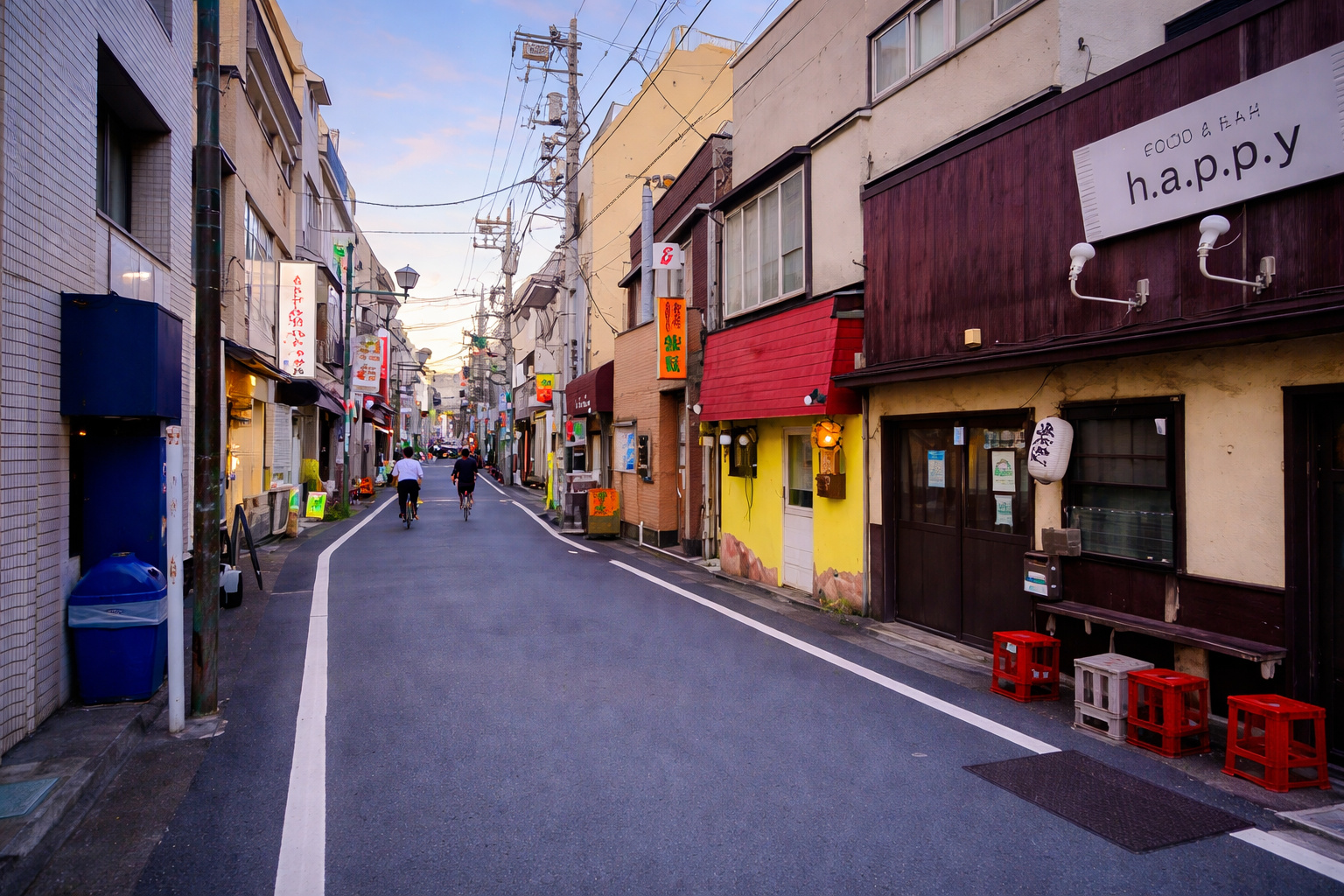
For years, no one could cross a neighborhood in Tokyo because of the tracks, but an impressive solution changed mobility and completely transformed the local routine.
It was in this context that berms and artificial islands made from dredged sediment emerged. These structures, called Sediment Retention and Enhancement Devices, act as strategically placed levees to manage water passage through the diversion and encourage sedimentation within the bay. As such, the project not only deposits material but also creates a scenario in which the river system continues to redistribute that sediment usefully.
Why Shores Depend on Swamps
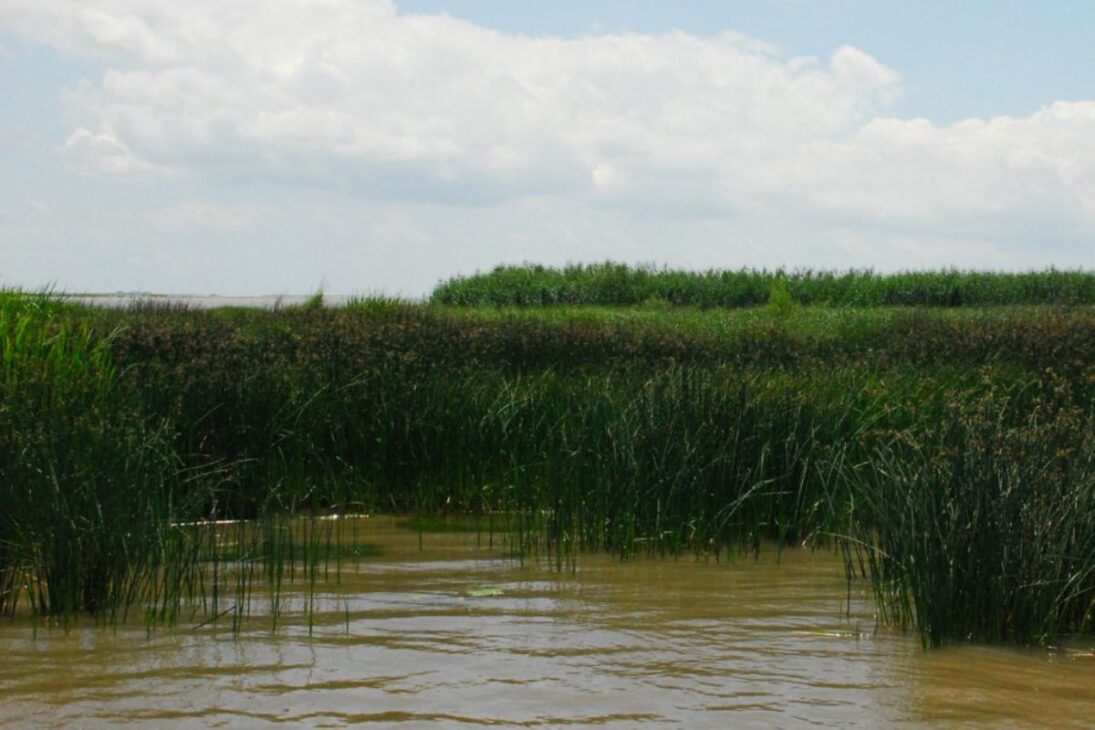
The technical logic of the intervention is based on a direct relationship between physical stability and ecological recovery. The shores of the federal channel need to remain intact to preserve navigation functionality, but this integrity does not depend solely on rigid containment. Without swamps behind the shores, protection loses support over the years, because the coastal system becomes more vulnerable to erosion and water reorganization.
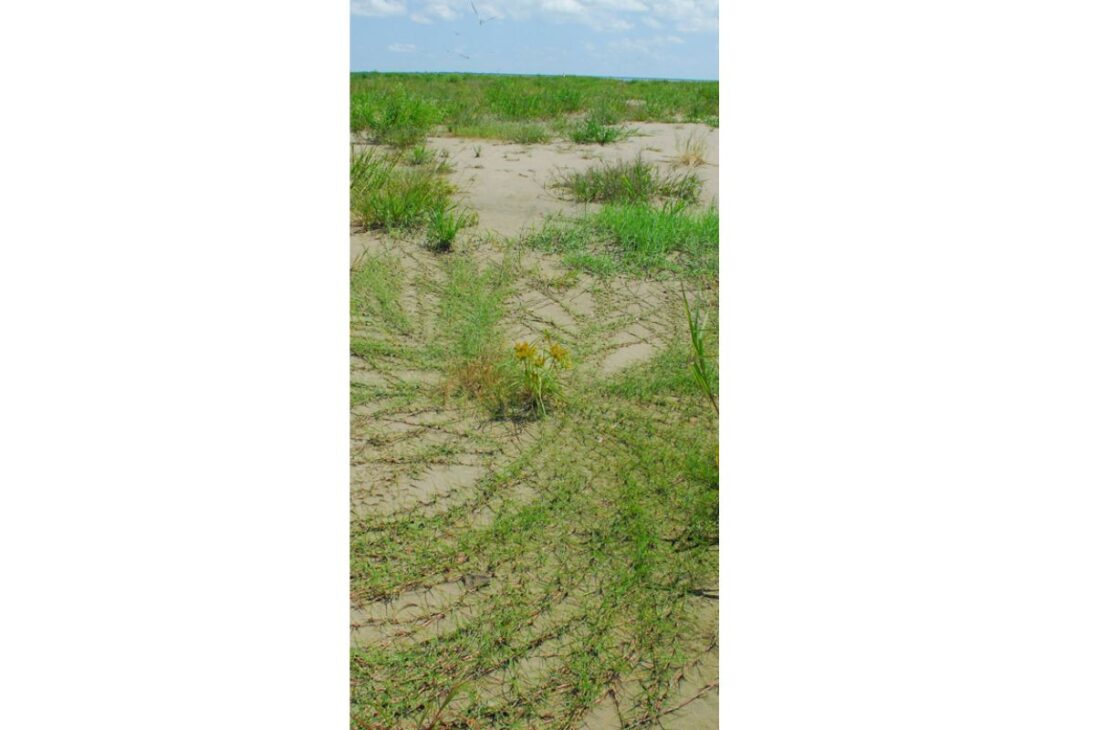
It was precisely this interaction that gained importance after the construction of the river diversion project, completed in 2003. The diversion began to simulate a natural fracture in the shore, causing significant erosion in West Bay and promoting the formation of an underwater network of distributary channels. The technical response was not to completely block this behavior, but to work with it, controlling and harnessing the energy of the diversion to restore habitat and stabilize the edge of the bay.
What Changed in West Bay Since the Start of the Intervention
Between 2003 and 2017, dredging actions adopted innovative deposition practices that worked in conjunction with the river diversion. Instead of viewing the flow as an obstacle, the project began to use it as an ally to form an artificial sub-delta. This change in method transformed dredging into a tool for coastal reconstruction, amplifying the effect of the repositioned material and making the process more efficient.
The observed results indicate that coastal loss in the bay has been reversed, while maintaining the integrity of the federal navigation channel. Monitoring confirmed the stabilization of the shore through the creation of adjacent swamp habitat and distributary channels formed in about 8 square kilometers at the northern edge of the bay. In a total area of approximately 31 square kilometers, this reveals not only the reach of the intervention but also the potential for continued beneficial use of dredged material.
Engineering with Nature in Practice
The proposal applied in West Bay follows the concepts of Engineering with Nature, an approach that combines natural processes with engineering decisions to enhance benefits and improve operational efficiency.
Instead of imposing a fully artificial solution, the project repositions the sediment in locations where the water’s own dynamics can complete part of the work, redistributing material, accumulating fine mud, and facilitating the consolidation of new surfaces.
This logic also appears in the installation of additional structures south of the restored area, designed to reduce wave energy from the Gulf of Mexico.
By decreasing this impact, the chance of the newly formed habitat remaining stable and continuing to evolve increases. It is not just about depositing sediment, but creating conditions for the environment to better defend itself, supported by marsh vegetation and the water’s own hydraulic organization in the bay.
The Advancement of Vegetation and the Ecological Reinforcement of the Bay
As marsh vegetation establishes itself, the project gains an extra layer of protection and functionality. Plants help anchor the sediment, reduce the vulnerability of the newly formed surface, and make the environment more resilient to forces that previously accelerated degradation.
This means that recovery is not limited to the physical gain of land, but involves the reconstruction of an active ecological system.
This advancement also enhances the biological value of the area. The emergence of swamp habitat favors fish, birds, and other animals associated with the coastal environment, reinforcing local diversity. At the same time, the environmental benefits tend to reflect beyond the bay itself, potentially increasing opportunities for recreational fishing and birdwatching, activities that can directly support local economies.
A Project That Continues Because the Bay Still Has Capacity to Receive Material
One of the most relevant points in West Bay is that the bay maintains the capacity to receive dredged material for the foreseeable future.
This gives the project an important operational dimension because the area does not function solely as a destination for sediments, but as part of an ongoing strategy of maintenance and restoration. Dredging is no longer viewed as an isolated cost and now delivers both environmental and structural returns simultaneously.
This continuous nature also explains why strategic repositioning continues to this day. The previous berms have been evaluated, their results served as a basis for adjustments, and new structures have been built from the lessons learned.
Adaptive management, in this case, does not appear as an abstract concept, but as a concrete practice: observe, measure, correct, and repeat based on the actual performance of the restored landscape.
Who Finances and Why Collaboration Was Decisive
The execution of dredging actions between 2003 and 2017 involved different sponsors and funding sources. Among them are the Coastal Wetlands Planning, Protection, and Restoration Act, the federal Operations and Maintenance authority, and Louisiana’s Beneficial Use of Dredged Material Program.
This arrangement shows that the restoration of swamps, coastal protection, and navigation maintenance were treated as interconnected interests, not as separate agendas.
In addition to federal structures, the process leveraged resources from the municipality of Plaquemines and the state of Louisiana through the LCA-BUDMAT program. This articulation helped align the interests of the parties involved and supported an intervention that requires continuity, monitoring, and adaptability.
In coastal projects of this scale, engineering remains relevant only when institutional coordination keeps pace with the complexity of the environment.
By transforming the mud removed from the river into a basis for recovering swamps, stabilizing shores, and supporting the navigation channel, West Bay demonstrates how an operation typically treated merely as maintenance can take a central role in coastal reconstruction.
The case of Louisiana stands out because it combines ecological function, physical protection, and intelligent use of a material that, in another context, could be seen merely as waste.
The big question is how many other coastal areas could advance more rapidly if they adopted this same logic of strategic repositioning.
Do you think projects like this should replace more rigid solutions in degraded regions? Please comment if this model seems replicable in other rivers and coasts or if it depends too much on the specific conditions of West Bay.




-

-

3 pessoas reagiram a isso.