





 Portuguese
  English
  Spanish
  4 min of reading
  0 comments


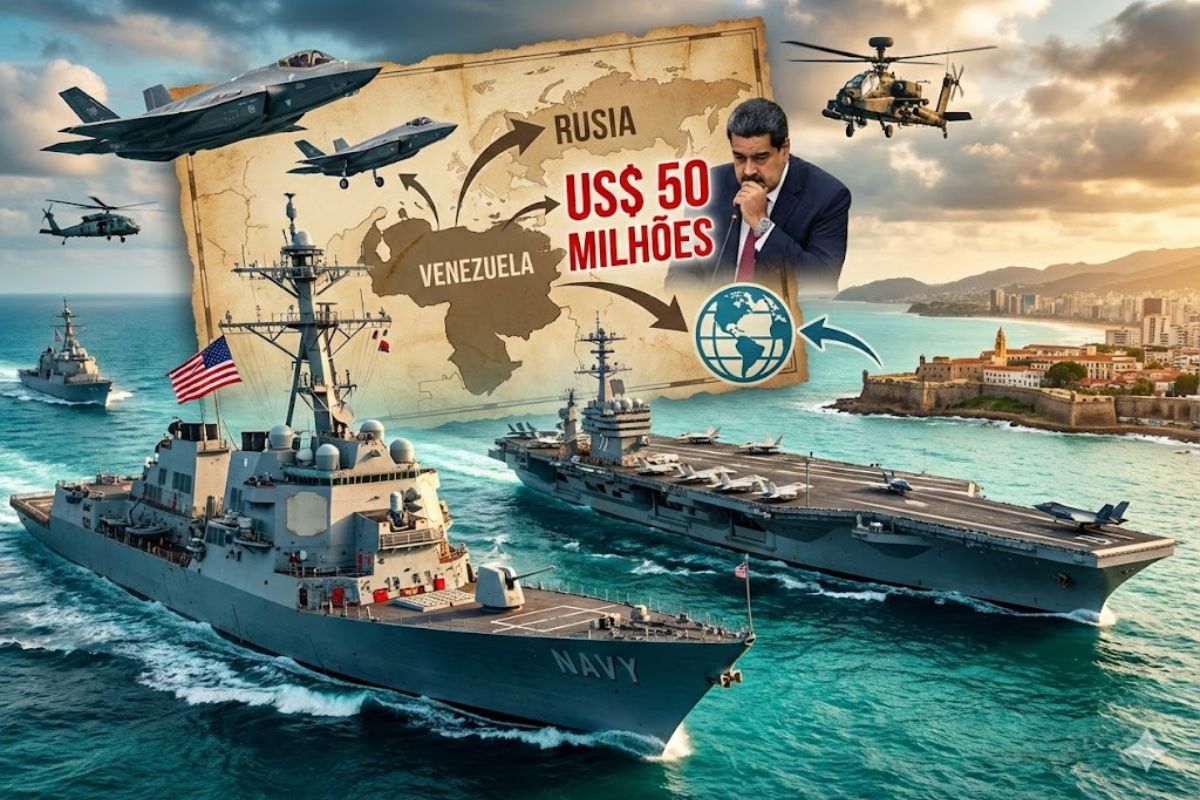
Among Warships In The Caribbean, Attack Planes And A $50 Million Reward, Maduro Is Being Pressed By The US To Leave Venezuela And Accept Negotiated Exile, Without Direct Deployment Of American Troops In The Current Impasse.
Pressured by sanctions and military operations in the Caribbean, Maduro heard from an American senator that the United States offered a negotiated exit to Russia or another country, while Trump increases the reward to $50 million, promises not to send troops, and discusses the next steps in the Venezuelan crisis at the White House today.
The United States made it clear that they do not rule out a regime change in Venezuela, but they are trying to sell the idea to the world that the exit should happen without ground invasion. Amid phone calls, public messages, and military movements in the Caribbean, Washington is orchestrating a diplomatic, economic, and military tightening that puts Maduro at the center of one of the continent’s greatest recent tensions.
US Offers Exit To Russia Or Another Country
In an interview with CNN, Republican Senator Markwayne Mullin stated that the United States has already directly suggested that Maduro leave Venezuela.
-
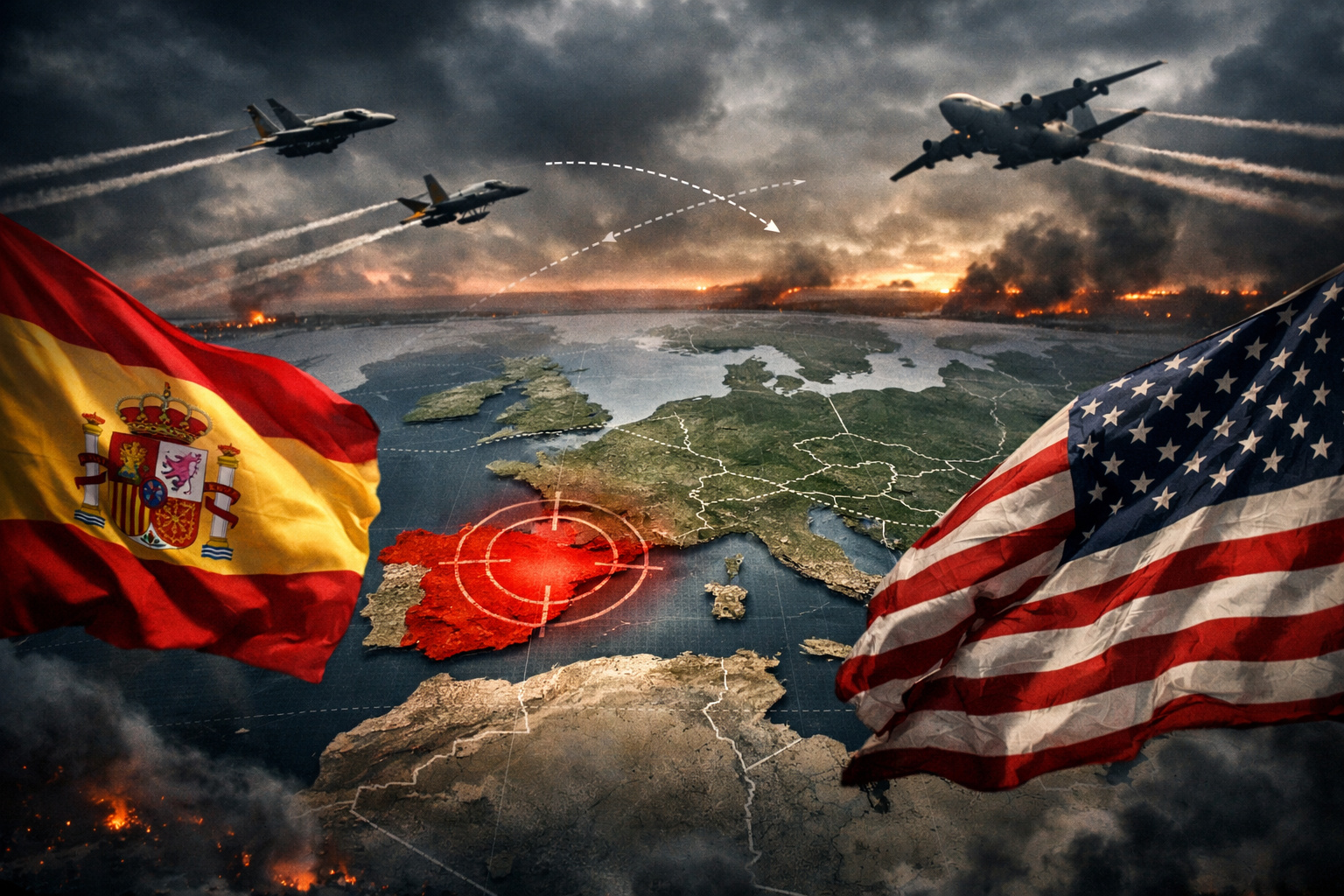
Spain challenges the USA and closes its airspace for operations against Iran, raising global tension and provoking the threat of a trade rupture.
-
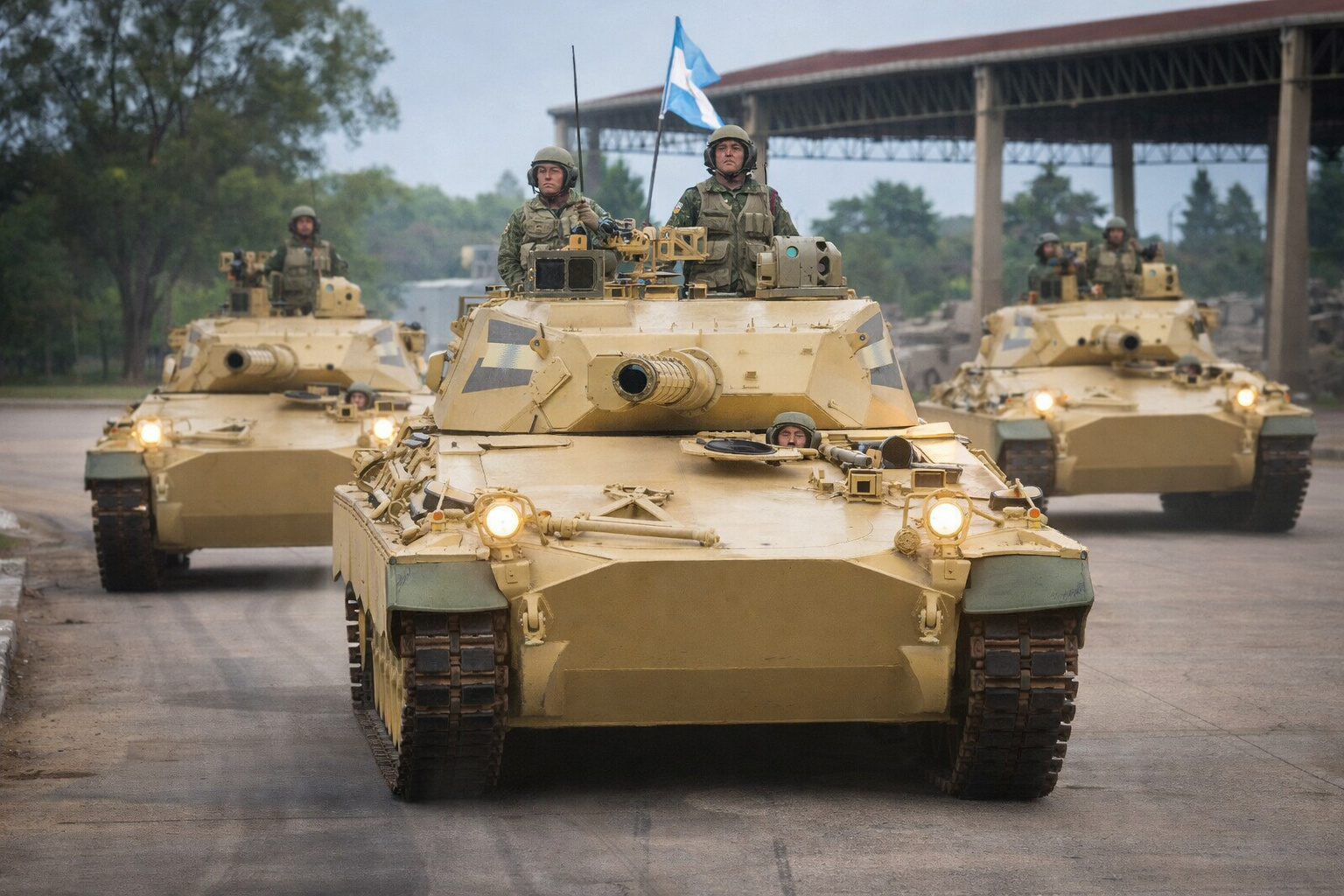
While no other country manufactures tanks in Latin America, Argentina activates the TAM 2C-A2 and raises a curiosity about the technological lag in the region.
-
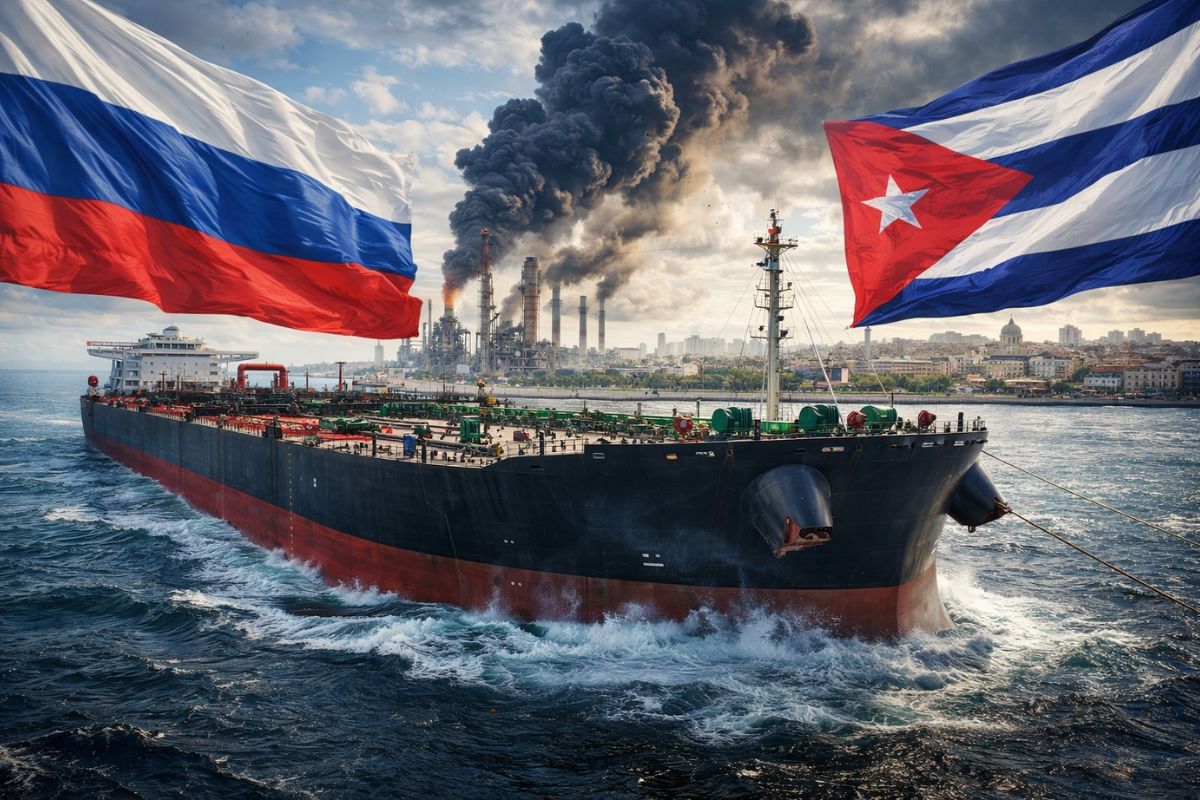
A Russian ship with 730,000 barrels of oil has just arrived in Cuba while Mexico negotiates fuel sales through private companies: the communist island is desperately seeking alternatives after losing its supply from Venezuela due to American military action.
-
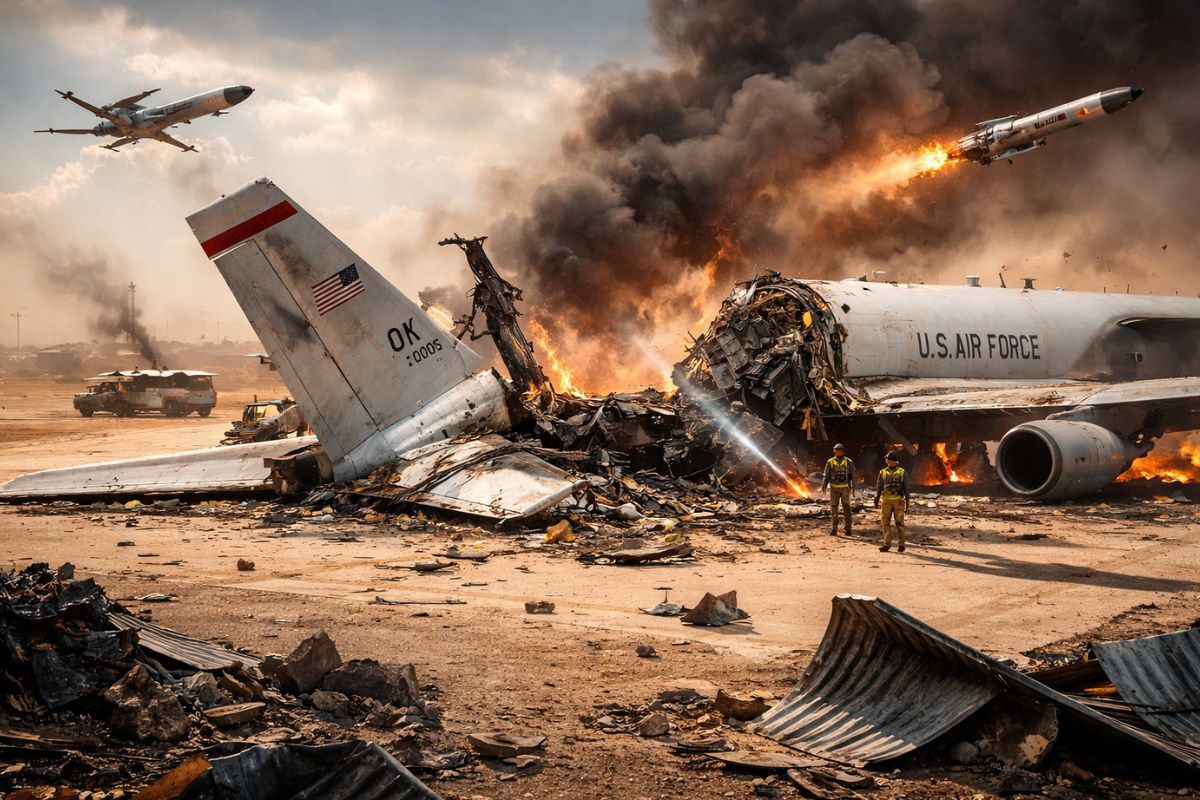
Iranian drones and missiles destroyed a 270 million dollar American spy plane in Saudi Arabia, splitting the E-3 Sentry aircraft in half and injuring 12 military personnel in an attack that exposes the vulnerability of U.S. bases in the Persian Gulf.

According to him, Washington offered the Venezuelan leader the possibility of traveling to Russia or to “another country”, in a sort of negotiated escape route to resolve the political impasse in Caracas.
The revelation came shortly after President Donald Trump confirmed that he spoke by phone with Maduro.
The detailed content of the call was not disclosed, but the context described by Mullin indicates a clear message: either Maduro accepts a negotiated exit, or he will face an increasingly tough siege.
For the senator, the Venezuelan people “have already expressed themselves” in favor of a new leader, and external pressure only reinforces Washington’s reading of the crisis.
Ships, Planes And A $50 Million Reward
While exploring diplomatic paths, the American government intensifies the military and judicial components of pressure.
In recent months, the United States has sent warships and attack aircraft to the Caribbean, in an operation officially presented as an effort to combat drug trafficking that would have the American territory as its destination.
In the same narrative, the White House associated Maduro with a drug cartel and raised the reward to $50 million for information leading to the capture of the Venezuelan leader.
The amount, equivalent to hundreds of millions of reais, acts as a strong political signal to Maduro’s surroundings and the Venezuelan security system, reinforcing the image that the regime is under direct accusation of involvement with transnational organized crime.
At the same time, attacks on boats suspected of transporting drugs in the Caribbean region help sustain Washington’s thesis that the operation has a “technical” objective of suppressing trafficking.
In practice, however, the effect is an increase in the sense of encirclement around Venezuela and Maduro, who sees American military presence approaching the region’s strategic routes.
Regime Change, But No American Troops On The Ground
Despite the tough tone, Mullin emphasized that Trump “made it very clear” that the United States will not send troops to Venezuela.
The official line defended by the senator combines explicit support for regime change with the promise that there will be no conventional military intervention.
This position seeks to balance two internal pressures: on one side, political sectors that advocate a more aggressive response to Maduro’s government; on the other, an American society marked by fatigue with prolonged foreign wars.
By stating that Washington will not send soldiers, the government seeks to reinforce the strategy of maximum pressure without repeating occupation scenarios seen in other countries.
As a result, the central focus of American policy becomes the combination of economic sanctions, diplomatic isolation, deterrent military movements in the Caribbean, and legal instruments such as the million-dollar reward.
The declared aim is to create conditions for Maduro’s exit to be perceived as inevitable, whether by agreement or by internal upheaval within Venezuela itself.
Venezuelan Crisis At The Center Of The White House Agenda
The Venezuelan crisis remains at the top of the United States’ foreign policy agenda.
According to Mullin, Trump called a meeting at the White House to discuss the next steps regarding Maduro, reinforcing that the issue continues to be dealt with directly at the highest levels of government.
In this equation, not only the political future of Venezuela is at stake, but also the regional impact of the crisis, the flow of migrants, the presence of strategic allies of Caracas, and the very competition for influence between Washington and other powers.
By suggesting that Maduro leave Venezuela and simultaneously increasing military and judicial pressure, the US is trying to reshape the board without bearing the cost of direct intervention.
Meanwhile, millions of Venezuelans continue to live the concrete effects of the economic, political, and social crisis, while the country becomes the stage for a public dispute between a besieged regime and a power that now speaks openly of changing leadership.
In light of the growing pressure and the offer of exit to another country, do you believe that Maduro will accept an agreement to leave Venezuela or will he resist the American siege to the limit?









-

Uma pessoa reagiu a isso.