





 Portuguese
  English
  Spanish
  3 min of reading
  0 comments


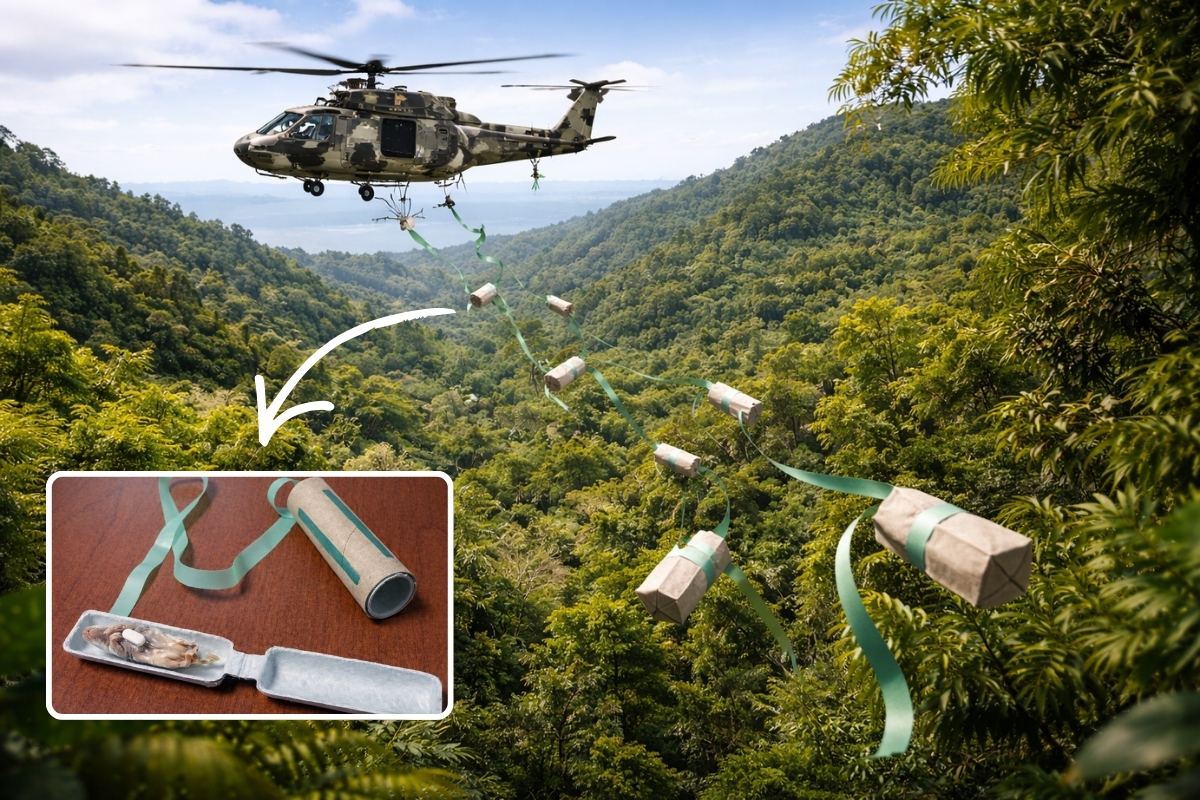
An Island With Up to 100 Snakes Per Hectare Goes Into “Operation Mode” With Aerial Dispersion Technology: Bait With Common Painkiller Aims to Suppress the Brown Tree Snake and Protect Native Birds and Infrastructure
A medication found in nearly every pharmacy in the world has become part of a technological strategy against one of the worst biological invasions in the Pacific.
In Guam, a territory associated with the United States, acetaminophen — known for relieving pain and fever in humans — has been used as a control tool against the brown tree snake, an invasive species that has altered the island’s ecosystem and even causes power supply disruptions.
But how can such a common medicine become an environmental solution?
-
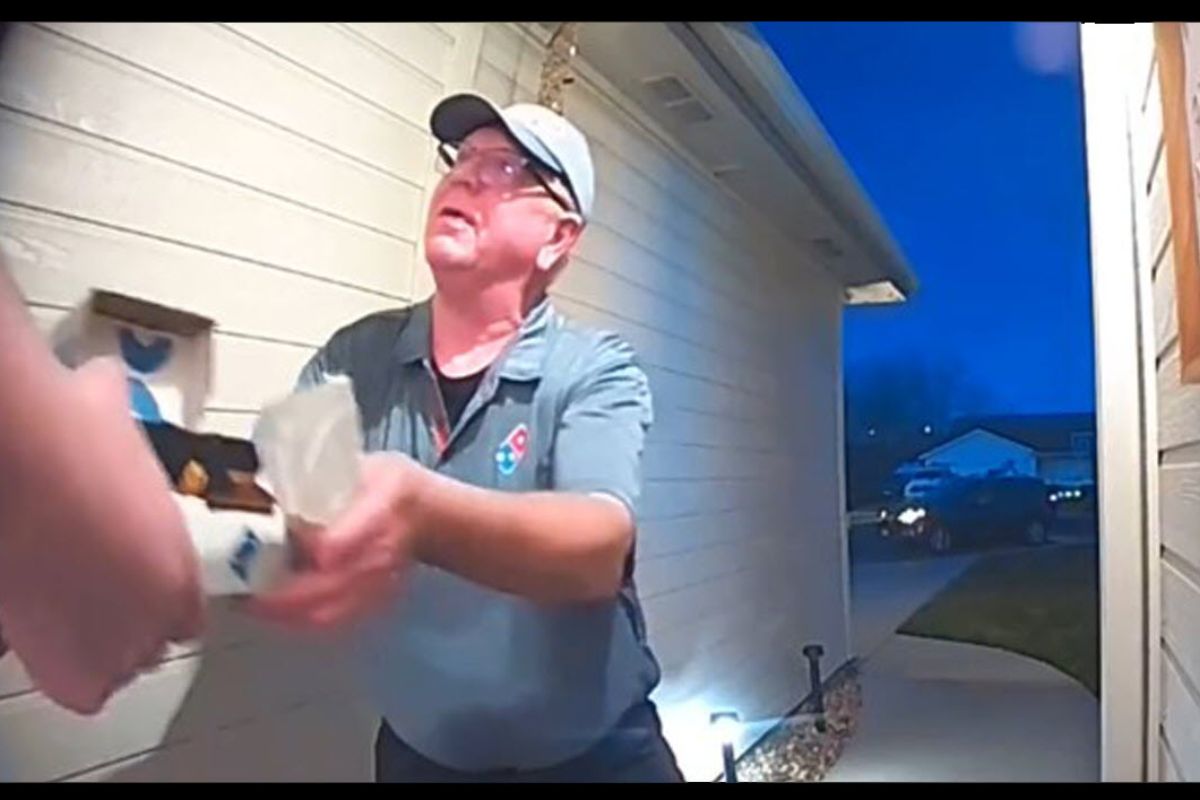
A 68-year-old pizza delivery driver went off route to buy a soda that was missing from a visually impaired customer’s order, refused an extra tip, and now Dan Simpson has over R$ 546,000 in donations from people around the world who want to ensure he can retire peacefully on April 30.
-
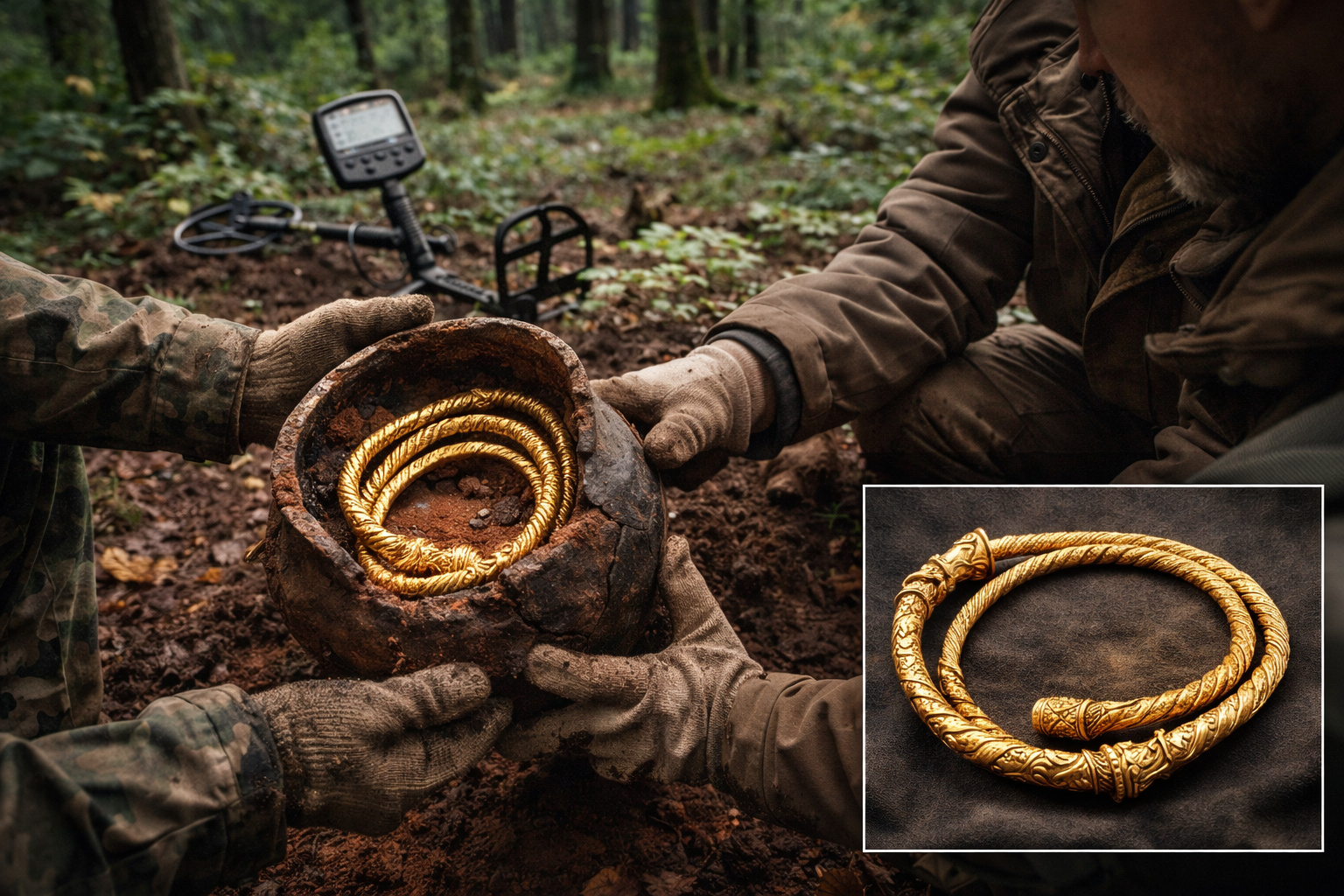
Amateur archaeologists were searching a forest in Poland with metal detectors when they found a ceramic pot buried for over 1,500 years. Inside was a pure gold necklace weighing 222 grams, folded to fit in the vessel, and when experts examined the piece, they discovered it was the first Gothic torque ever found in Polish territory.
-
Millions of people have been eating pomegranates for centuries without knowing that this ancient fruit contains punicalagins, which scientists are studying for their possible effects on memory and vascular health.

-
Argentina patrols the South Atlantic with ships built in France and monitors over 1.1 million km² with 87 m OPVs, a range of 7,500 miles, 360° radar, and a 30 mm cannon against illegal fishing in the 200-mile zone.

The Scientific Discovery Behind the Strategy
Research has identified that the brown tree snake has a high sensitivity to acetaminophen. A dose of 80 milligrams, safe for humans within medical limits, is lethal to the species.
This biological differential opened the door to the development of an innovative approach: using a widely available medication as a selective toxin.
The result was the creation of a system that combines pharmacology, biology, and aerial delivery technology.

Aerial Technology and Automation
The strategy is not limited to the use of the medication.
The rodents used as bait receive acetaminophen tablets and are released over forested areas using an automated aerial dispersion system.
Each unit is equipped with a small device that allows the material to remain secured in the vegetation, where the snakes usually travel.
During test phases, some baits were monitored by radio to track the snakes’ behavior after ingestion, allowing adjustments to the method and scientific validation of effectiveness.
The operation has already involved the release of thousands of baits in critical areas.

Why Control Is Necessary
Guam hosts one of the largest concentrations of this species in the world. Estimates indicate about 2 million snakes spread across 541 square kilometers.
In more affected areas, the density can reach 100 snakes per hectare.
The invasion has brought severe impacts:
- Extinction of various native birds
- Ecological imbalance
- Damage to electrical infrastructure
The snakes often climb poles and come into contact with energized equipment, causing failures and power outages.
Human Medications as Environmental Tools
The case of Guam highlights a growing trend in science: the repositioning of already known compounds for new applications.
Rather than developing a new pesticide from scratch — a costly and time-consuming process — researchers exploited a specific vulnerability of the invasive species.
This approach reduces research time, utilizes substances that have been widely studied, and allows for more targeted control.
Experts emphasize that the use is carefully planned to minimize risks to other species and the environment.

A Definitive Solution?
Despite positive results in reducing the local snake population, the method does not completely eliminate the problem.
Reinvasion from untreated areas requires reapplications and combinations with other control strategies.
Nevertheless, the initiative has become an example of how technology, science, and pharmacology can intersect in unexpected solutions.
A common medicine, created to relieve human pain, has become a strategic tool against one of the region’s most complex biological invasions.







Seja o primeiro a reagir!