





 Portuguese
  English
  Spanish
  3 min of reading
  0 comments


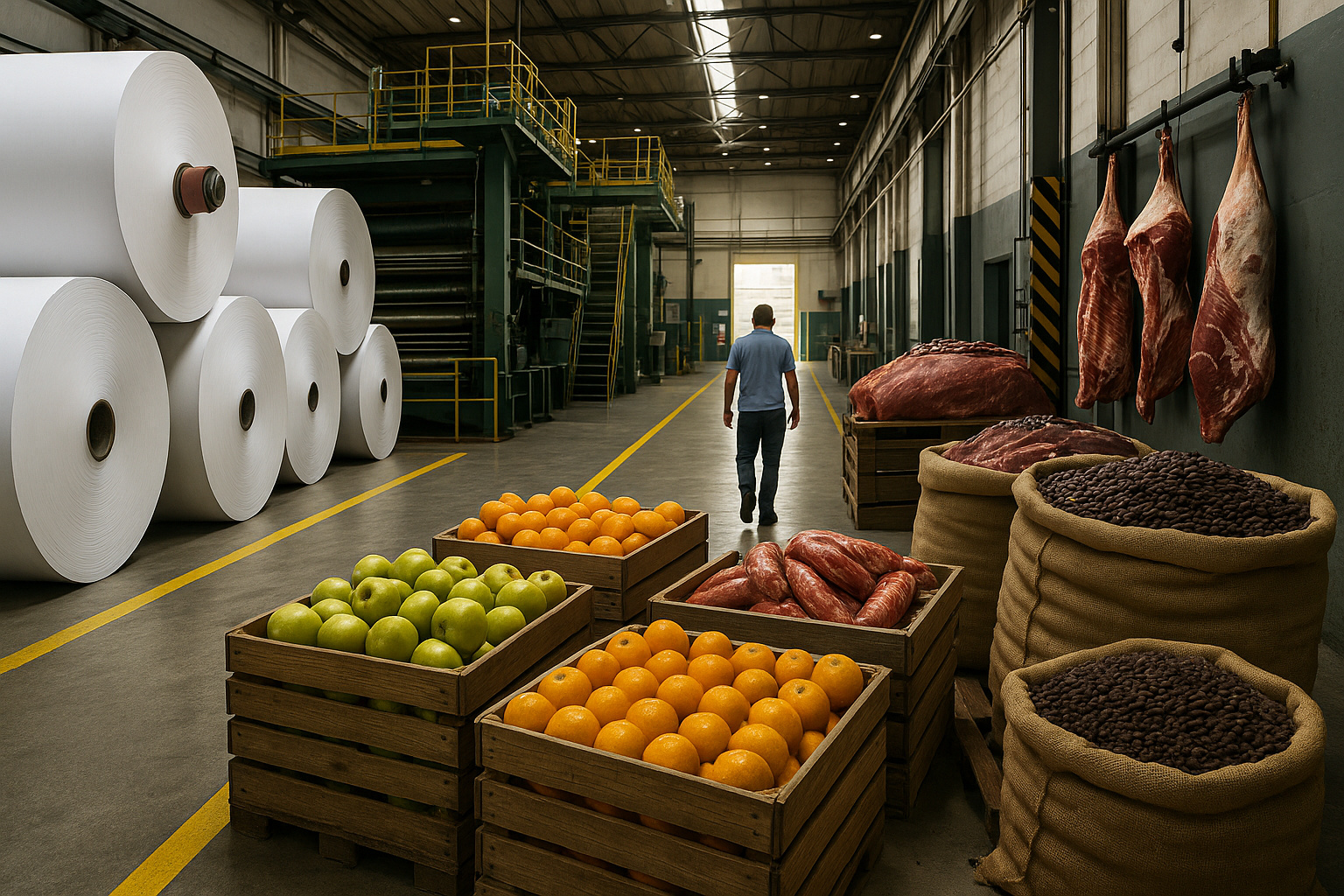
Withdrawal of Tariff Strengthens Competitiveness of Brazilian Pulp and Opens Expectation for New Tariff Reductions in Strategic Agricultural Products
A recent decision by the United States brought relief to the Brazilian pulp sector and opened space for expectations in other areas of agribusiness.
On September 10, 2025, the White House reversed the 10% tariff applied to Brazilian pulp, a measure that had been implemented as part of a broader package of additional tariffs.
According to Minister of Agrarian Development, Paulo Teixeira, the decision may be the beginning of a movement that also reaches meat, fruits, and coffee, products that still face barriers in the North American market.
-
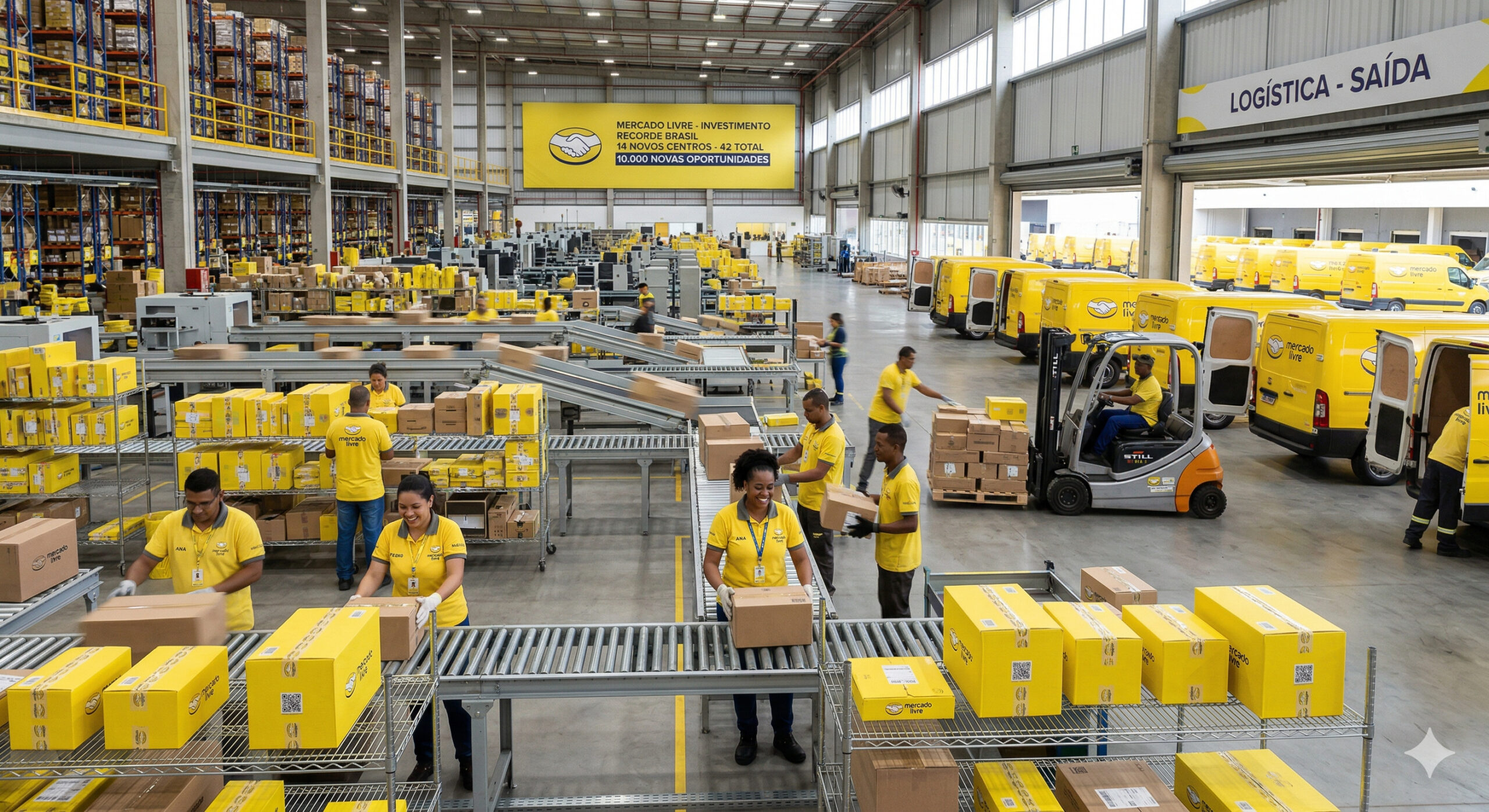
Mercado Livre “opens the vault” and announces a record investment of R$ 57 billion in Brazil in 2026, a value 50% higher than the previous year, with an expansion plan that includes 14 new logistics centers, totaling 42 units in the country and hiring an additional 10,000 employees.
-
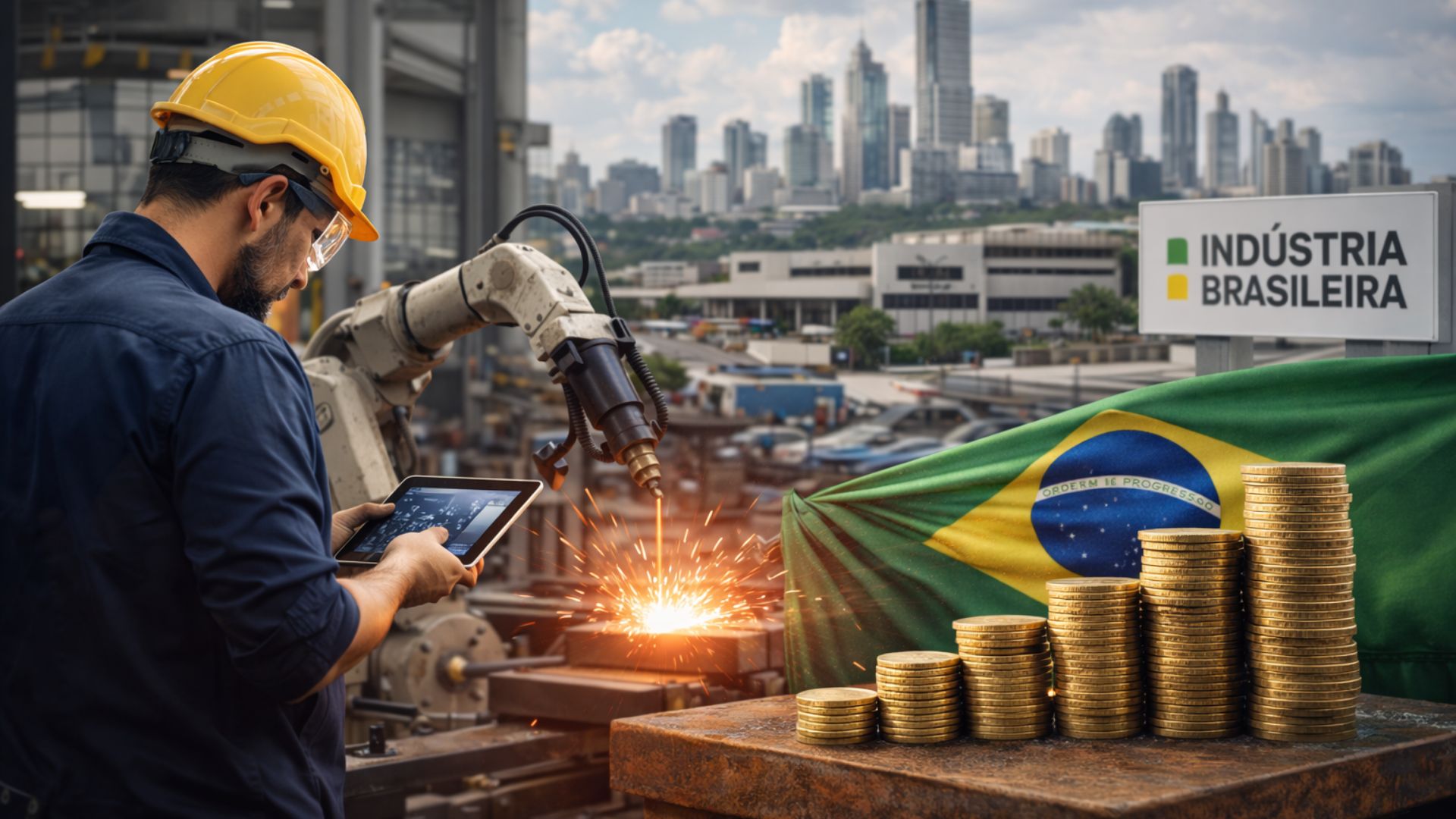
How investment in technology can revolutionize the national economy and enhance industrial gains, according to a study that highlights the direct impact on productivity, innovation, and wealth retention within Brazil.
-
The largest food company on the planet, JBS, has just opened a 4,000 square meter laboratory in Florianópolis to develop customized proteins that modulate muscle mass gain, immune response, and metabolic performance.

-
After nearly 30 bids and competition among industry giants, a Spanish company purchases one of the largest airports in Brazil for almost R$ 3 billion and takes over the management of Galeão in a concession that will last until 2039.


Decree Alters Pulp Tariffs
The tariff change was formalized after the presidential decree issued by Donald Trump on September 5, 2025, which redefined the parameters of the “Trade and Security Agreements.”
On September 8, the measure took effect, and Brazilian pulp was exempt from the additional 10% tariff.
According to a statement from the Brazilian Tree Industry (Ibá), three product specifications — SH4 4703.11.00, 4703.21.00, and 4703.29.00 — were excluded from the charge.
These classifications represented over 90% of the volume exported to the U.S. in 2024, making the decision crucial for maintaining competitiveness in the sector.
Items That Remain Taxed
Despite the reversal on pulp, the decree maintained high additional tariffs on other segments.
Papers in general continue with a 50% tariff, while MDF and MDP wood panels remain at 40%.
These rates remain in effect, putting pressure on part of the Brazilian industry.
Expectation of Reduction for Meat, Fruits, and Coffee
According to Paulo Teixeira, North American consumers are paying high prices due to the tariffs.
The minister highlighted that Brazil provides quality products at competitive prices, but the barriers have increased consumption costs in the U.S.
Therefore, he bets that meat, fruits, and coffee will be the next items to see tariff reductions.
This view is shared by agribusiness representatives, who see the decision as a partial victory and a possible signal of new flexibilities.
Political and Economic Impacts
During an event in Brasília, held on September 11, 2025, to announce the 12th Harvest Survey of Grains 2024/2025 by Conab, Teixeira linked U.S. tariff policy to the trial of former president Jair Bolsonaro in the STF.
He expressed hope that, after the conclusion of the sessions of the 1st Panel of the Supreme Court, set for September 12, “economic rationality” prevails.
Present at the event were also Minister of Agriculture, Carlos Fávaro, and Vice President Geraldo Alckmin, who also heads the Ministry of Development, Industry, Commerce, and Services (MDIC).
Diplomacy and Sovereignty
Minister Carlos Fávaro argued that Brazil relies on good diplomacy with the United States but emphasized national sovereignty in any scenario.
He reminded that, in recent years, 435 new markets have been opened for Brazilian agribusiness, which strengthens the country’s position in international negotiations.
According to Fávaro, if the U.S. retaliates, the impact will be greater for North American consumers than for Brazilians.
The Future of Trade Relations
The U.S. reversal on pulp represents a step forward for bilateral trade, but there are still challenges to overcome.
Tariffs on papers, MDF, and MDP remain high, and the sectors of meat, fruits, and coffee await the next developments.
Meanwhile, Brazil reinforces its image as a provider of high-quality products at competitive prices, in addition to highlighting its ability to diversify markets.







-

-

-

7 pessoas reagiram a isso.