





 Portuguese
  English
  Spanish
  3 min of reading


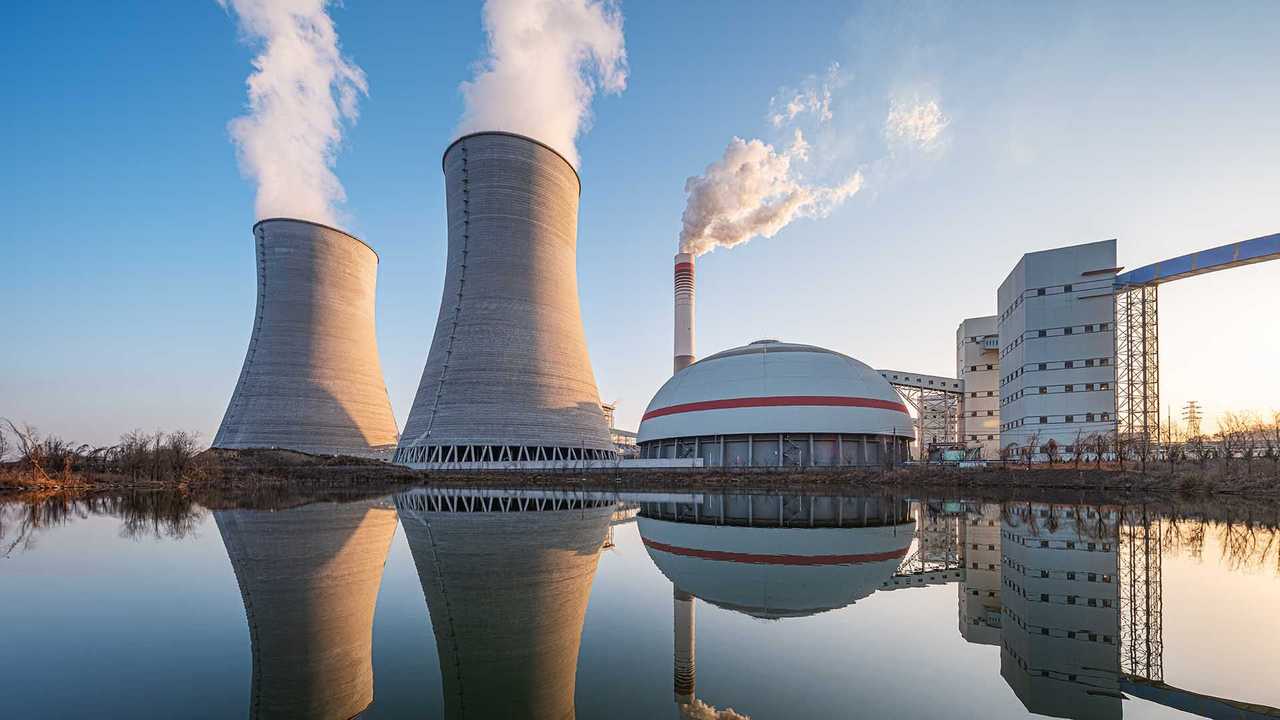
European Countries Made A New Request For Pink Hydrogen, Generated Through Nuclear Energy, To Be Considered A Renewable Energy Source.
Diverse countries in the European Union have been requesting for years that pink hydrogen, produced by electrolysis using energy from nuclear power plants, be equated to green hydrogen, which is currently the most sought-after hydrogen, as it is produced from renewable sources. Among the countries demanding this equality are France, Bulgaria, Romania, Poland, Slovenia, Slovakia, Croatia, Hungary, and the Czech Republic.
Pink Hydrogen Should Be Included In Clean Energy Sources

All the countries mentioned above make the energy generated in nuclear power plants one of their primary energy sources. In recent days, they formally reiterated their request in an official letter signed and sent to the European Union. This request reached the offices of the European Commission in a letter signed by various environmental ministers, in which, in five acts, they analyze the advantages that including pink hydrogen would bring to clean energy sources at the EU level.
The first act explains how this type of hydrogen could eventually be an essential element both in focusing on the decarbonization of major industrial chains and as an energy carrier to power transport solutions, especially in the trade sector.
-
China bets on the Fishery-PV model and transforms fish farms into giant solar plants, covering ponds with panels that generate energy while utilizing the same space for large-scale aquaculture production.

-
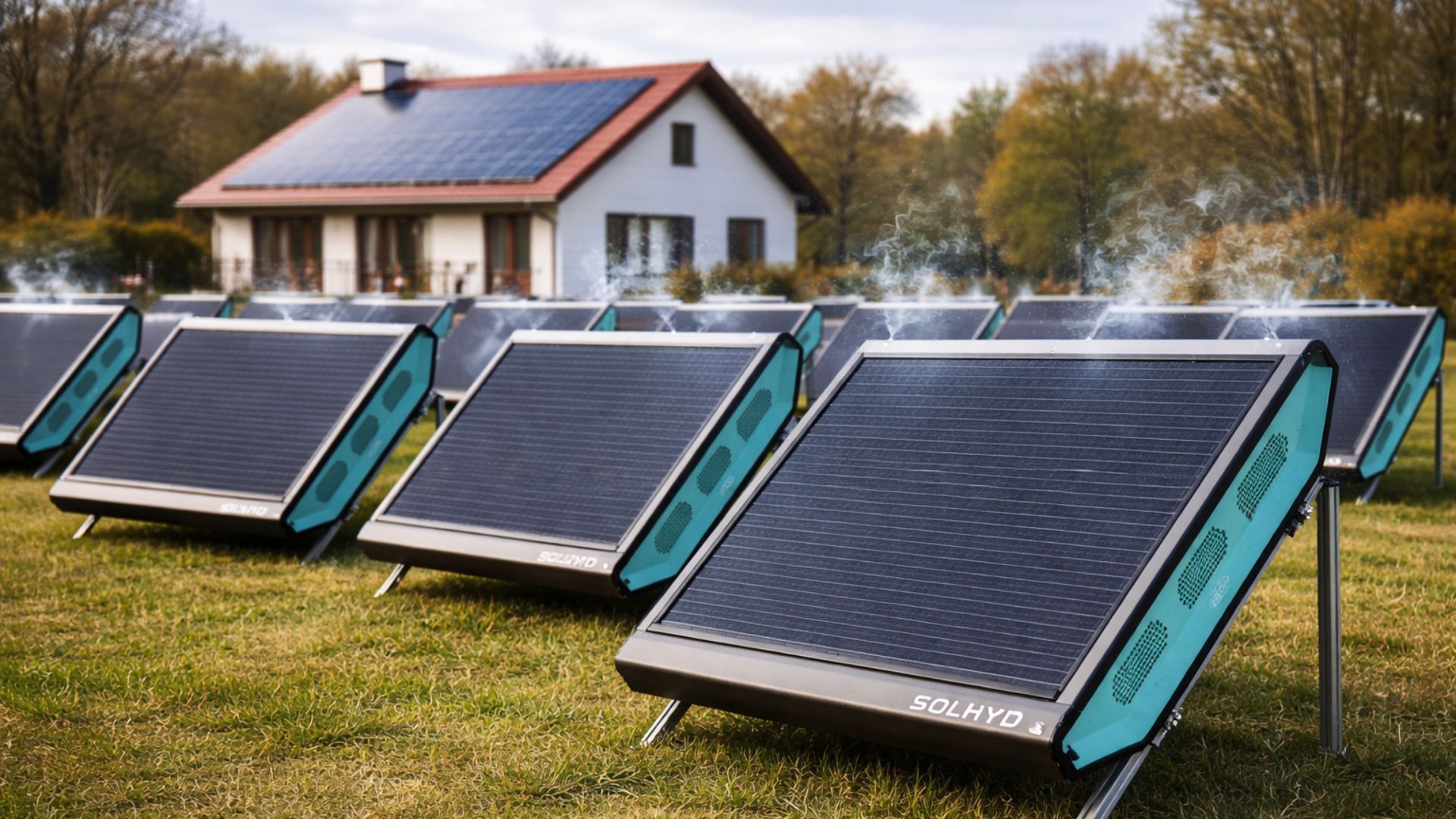
Green hydrogen at home: Belgium launches new technology that makes solar panels produce fuel from the moisture in the air, which could boost the energy transition.
-
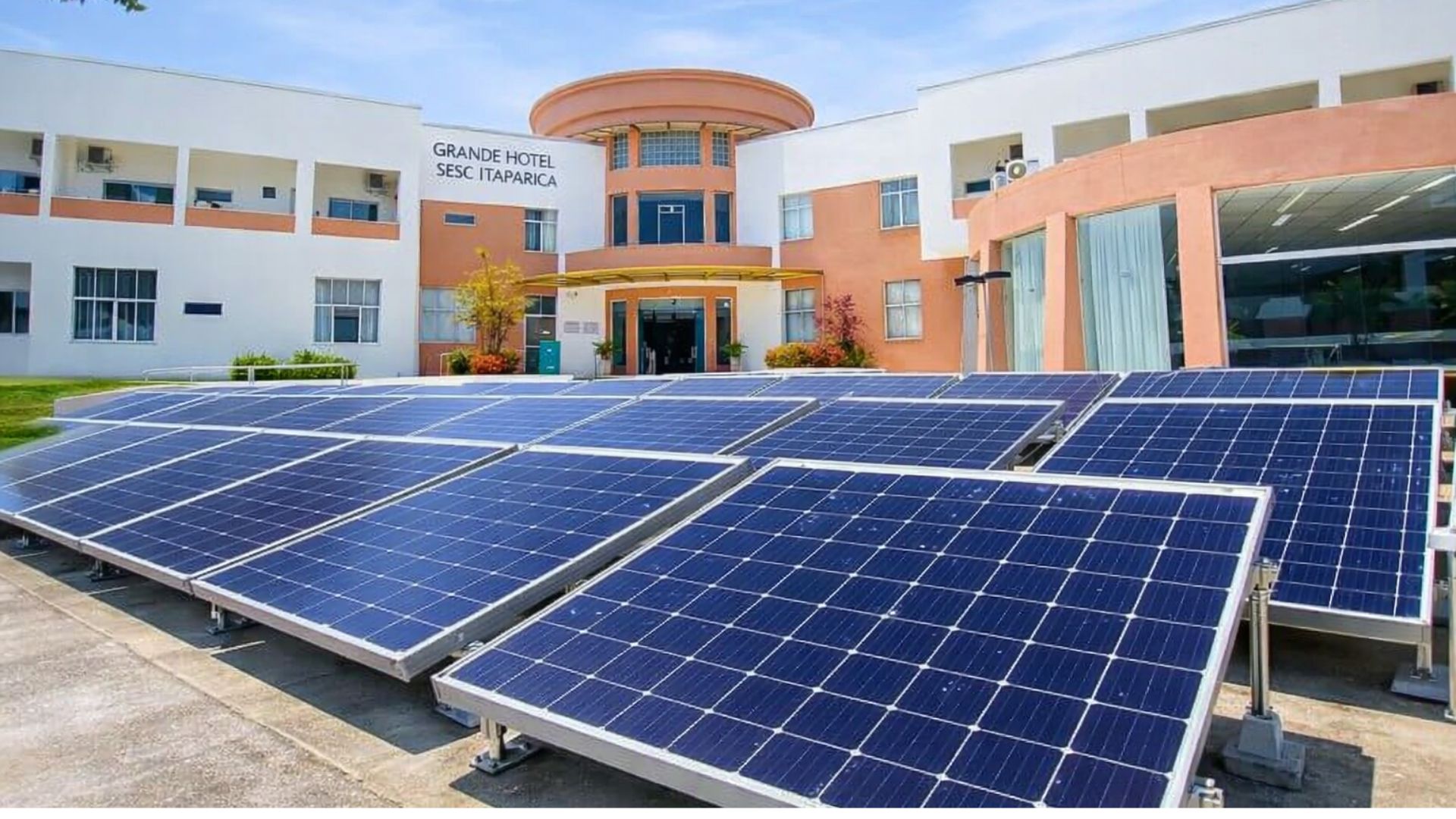
Sesc-BA bets on renewable energy with the support of EDP and drives the energy transition with a direct impact on cost reduction and the sustainability of its operations in Bahia.
-
Technology giant breaks global sustainability records: How Amazon’s leadership in renewable energy procurement transformed the global energy market in the past year.


Decarbonization Program
According to the nine countries that use nuclear energy, delays in the rollout of this new low-emission fuel could jeopardize the decarbonization program for all of Europe or its economic expansion, a topic extensively covered in the second act. The third act then discusses how the possible limitation on using nuclear energy to generate pink hydrogen could harm European competitiveness in this new element.
The strategic position of the US on this matter should also be considered, which is a topic covered in the fourth act. The fifth and final act discusses cooperation between states and members. According to the nine nations, the trans-European infrastructure for long-distance hydrogen transport will increasingly be needed for the European market to become competitive and efficient again.
Understand The Reason For The Request
To correctly analyze the reasons for this request, it is first necessary to ask why these nine countries can draft the letter to the European Commission. The answer can be found in Article 194 (2) of the Treaty on the Functioning of the European Union, which enshrines the right of Member States to determine the conditions for the exploitation of their energy resources, thereby making a choice between various energy sources and deciding on the structure of their energy supply.
But that’s not all; another answer can be seen in Directive 2002/21/EC of March 7, 2002, which defines the obligation of Member States not to impose or discriminate against the use of any particular type of technology in any field.
The driving force behind the request is France, as the country led by Macron is already in an advantageous position, being one of the few on the continent to have kept several plants operational in its territory over the last decade.
Other Advantages Of Pink Hydrogen Generated By Nuclear Power Plants
Other advantages include the possibility of producing it in abundance, so that it can be transferred and thus marketed abroad through the H2Med project, which by 2030 is expected to lead to the construction of a large pipeline in Europe for the transfer of hydrogen from Spain and France to Germany and other countries.
But that’s not all, as a large quantity of the first element in the periodic table could also be explored within the action itself to power commercial transport, a sector in which hydrogen could play an essential role in the coming years.









Seja o primeiro a reagir!