





 Portuguese
  English
  Spanish
  4 min of reading
  1 comment


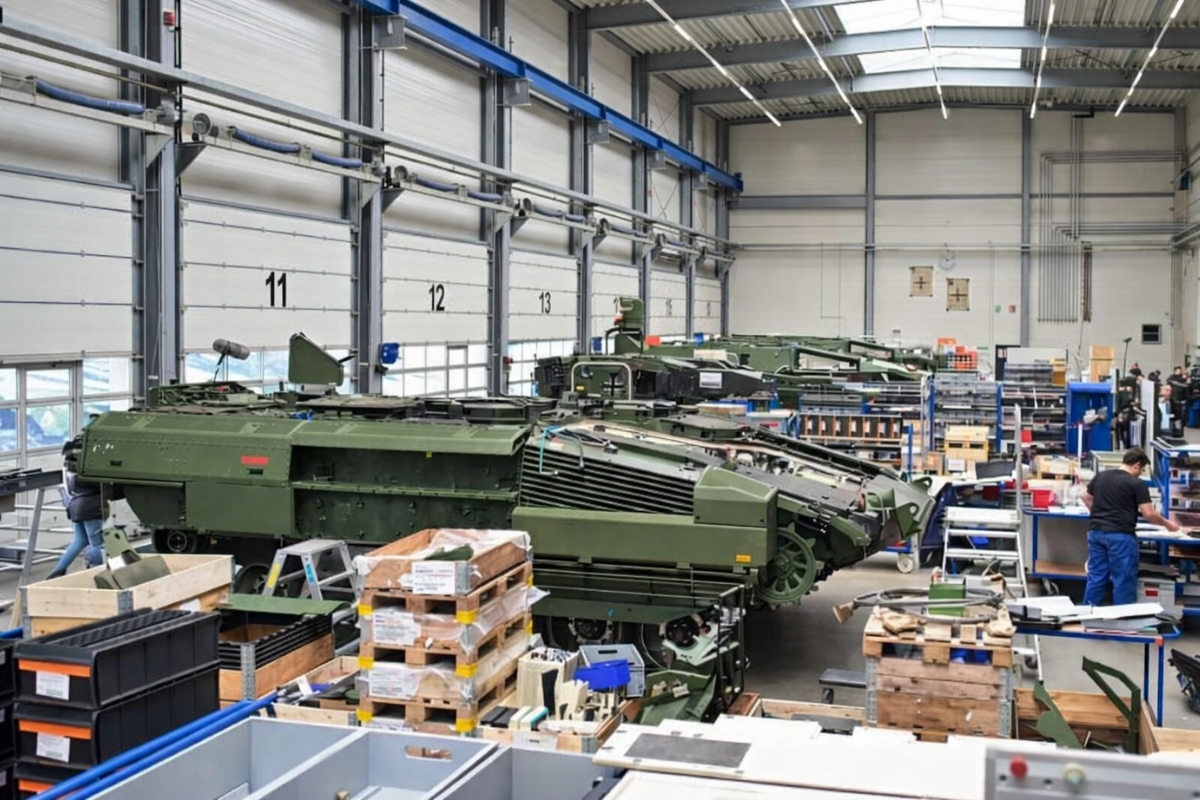

In Europe, Military Chiefs from the UK and Germany Defended Rearmament Aiming for 5% of GDP for Defense by 2035, Aiming to Contain Russia, Triggering Geopolitical Alarm and Attention from NATO and the Defense Industry
Europe’s security has entered a new level of alert. Military leaders from two of the continent’s largest powers stated that the region needs to prepare for a possible direct confrontation with Russia.
The positioning is noteworthy because it did not come from analysts or politicians, but from the commanders of the Armed Forces themselves. The message is straightforward and treats the risk as a concrete possibility.
The scenario gained momentum after recent changes in Russian military behavior and, particularly, after the lessons learned by Moscow in the war against Ukraine.
-
USA and China compete for Brazil over resources that could be worth trillions — rare earths put the country at the center of a global dispute

-
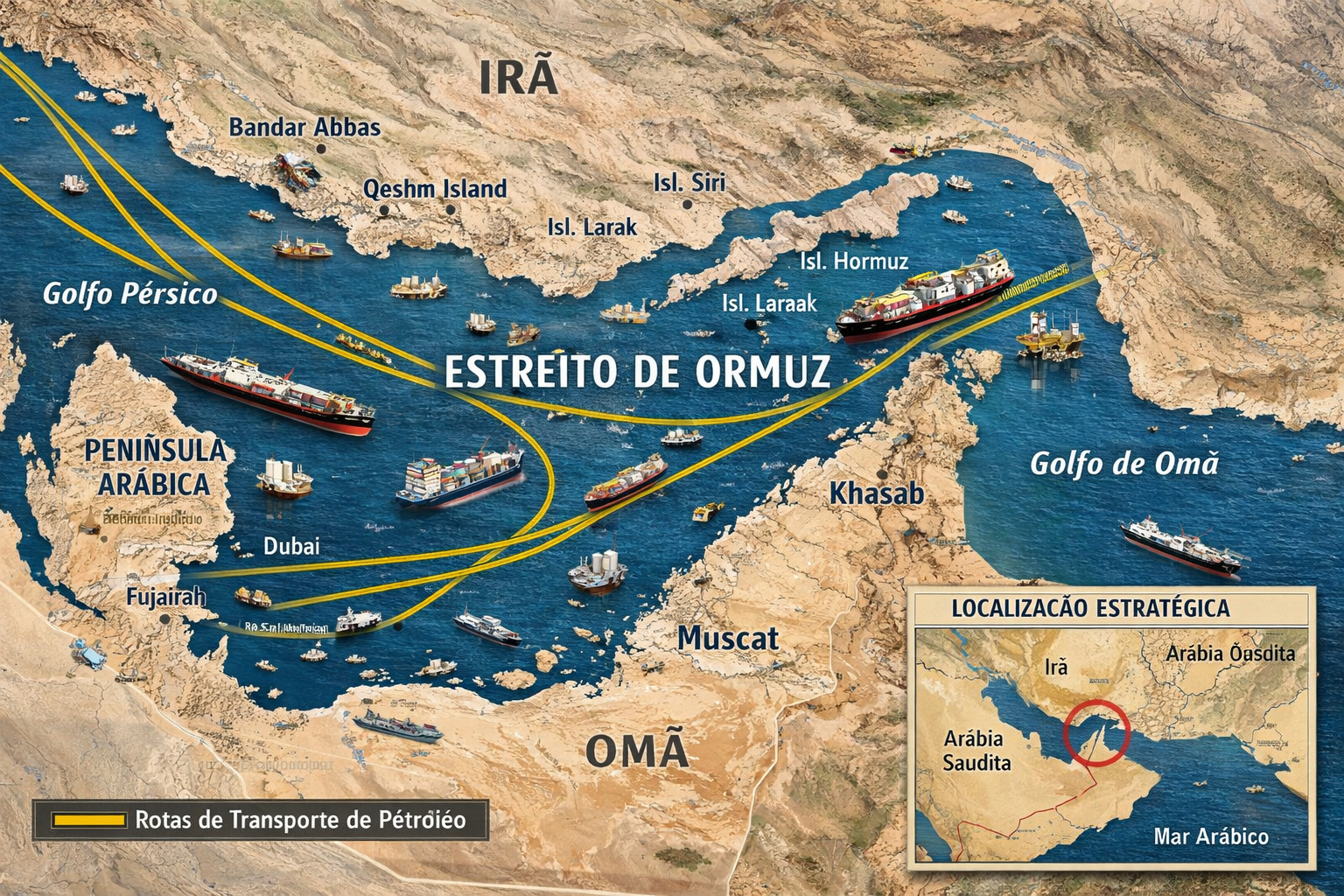
Global summit with over 40 countries pressures Iran for a blockade in the Strait of Hormuz and warns of direct impact on oil, food, and the global economy.
-
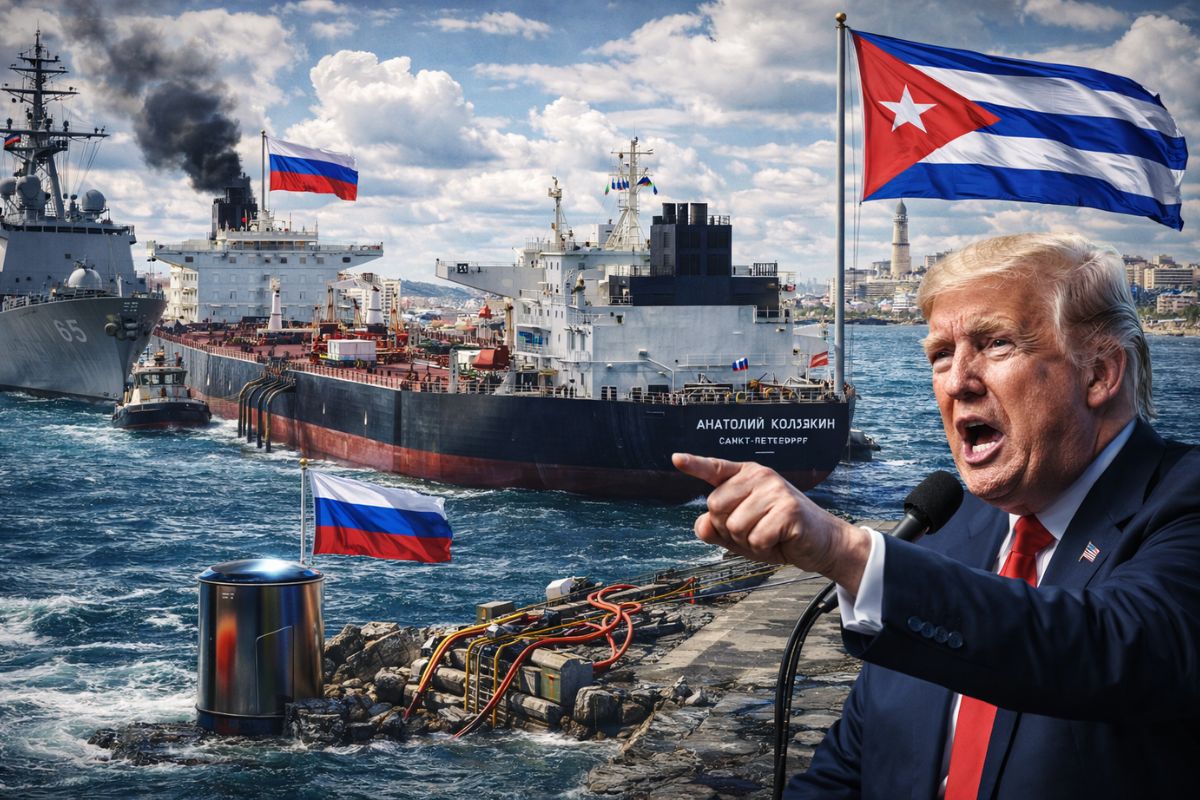
Russia has broken the U.S. maritime blockade to send oil to Cuba and is now loading a second ship while Trump says that “Cuba is next” in a possible military action against the island.
-
Spain challenges the USA and closes its airspace for operations against Iran, raising global tension and provoking the threat of a trade rupture.

What once seemed a distant debate has now involved trillion-dollar targets, military industrial expansion, and troop repositioning in strategic areas of Europe.
Military Article Exposes Risk of War and Elevates Alarm Tone on the Continent
The alert was published in the British newspaper The Guardian and signed by two of the highest military authorities in Europe, Air Marshal Richard Knighton from the UK, and General Carsten Breuer from Germany.
In their joint statement, they claim that European security is more unstable than at any other time in recent decades.
According to the commanders, Russia’s military posture has decisively changed in relation to the West, raising the risk of direct confrontation.
The most eye-catching point was the assertion that the continent must abandon any sense of complacency in light of the new scenario.
The War in Ukraine Changed Russian Strategy and Triggered Maximum Alert

According to the military chiefs, Moscow is rapidly rearming and reorganizing its forces based on the lessons learned in the invasion of Ukraine.
The conflict served as a real-world laboratory for modern warfare, allowing for tactical, logistical, and industrial adjustments.
In the commanders’ assessment, this restructuring could increase the risk of military clash with NATO countries.
The impact was immediate on European strategic analyses. The possibility of confrontation is no longer treated as remote and has become part of defense planning.
5% of GDP Goal for Defense Reveals New Military Scale in Europe
One of the central points involves massive financial investment.
At the summit held in The Hague, leaders of the Atlantic alliance established the goal of allocating up to 5% of GDP for defense and security by 2035.
The number stands out due to its scale. It represents a level far superior to that historically practiced by several European countries.
According to the commanders, achieving this level will require difficult choices in public budgets but reflects the new strategic reality of the continent.
Defense Industry Enters the Center of Deterrence Strategy
Another crucial axis considered decisive is military industrial capacity.
The war demonstrated that prolonged conflicts depend on the continuous production of munitions, vehicles, systems, and armaments.
Without a robust industrial base, stockpiles deplete rapidly and compromise military operations.
Therefore, strengthening factories, logistical chains, and military technology has become a strategic priority.
Ammunition Factories and Permanent Brigade Show Practical Preparation
Concrete measures are already underway.
The UK has begun building at least six ammunition factories to ensure continuous replenishment of arsenals in case of war.
Germany adopted another front. The country decided to permanently station a combat brigade on the eastern European flank, an area deemed sensitive due to its proximity to tension zones.
In addition, the German government has promoted constitutional changes to allow virtually unrestricted funding for defense.
The decisions show that preparation has moved from the theoretical realm to practical execution.
European Union Mobilizes 150 Billion Euros for Military Base
The movement is not limited to national actions.
The European Union launched the Security for Europe initiative, known as Safe.
The program aims to inject 150 billion euros into strengthening the bloc’s defense industry.
The goal is to enhance production, technological innovation, and large-scale response capacity.
The strategy involves not only armed forces but also infrastructure, research, and civilian institutions prepared to operate under threat.
Europe is beginning to treat defense as a collective societal effort.
This military, industrial, and financial mobilization shows that the continent has entered a new strategic phase. Rearmament has moved from political debate to being treated as an operational necessity in light of the Russian posture and the recent lessons of modern warfare.
What do you think of this European military advancement? Do you believe that rearmament increases security or raises the risk of conflict? Leave your opinion in the comments.








Obviamente aumenta o risco de conflitos. A História recente mostra, de forma inequívoca que as corridas armamentistas levam às catástrofes bélicas, como as guerras mundiais, por exemplo. Vale lembrar que todos os conflitos de larga escala, no Ocidente, tiveram sua origem na Europa. Cruzadas, Guerras Mundiais, África e ex- Iuguslavia, por exemplo.