





 Portuguese
  English
  Spanish
  4 min of reading
  0 comments



Construction surprises, opens 31 thousand jobs in Brazil in February and shows strength even with high interest rates and a lack of labor
The construction sector has shown strength in Brazil again, opening 31,099 formal jobs in February. This number placed the sector among the largest job generators in the country for the month and reinforced its importance within the national economy.
The result is noteworthy because it occurs at a time of pressure. Even with high interest rates, more expensive credit, and difficulty hiring specialized workers, construction managed to advance and remain one of the engines of the formal market.
This movement raises an important alert. The sector is reacting, but still carries structural problems that prevent greater acceleration.
-
IR 2026 will affect those who have crypto: the Revenue Service receives monthly data, pre-filled forms pull even cashback from Mercado Pago, and exchanging Bitcoin for USDT becomes a taxable sale; declare correctly or fall into scrutiny.

-
In Paraná, long-life milk prices rise by 17% and powdered milk by nearly 9%, but producers still receive R$ 2.10 while the market charges R$ 7; middlemen keep the difference and are awaiting a price adjustment.

-
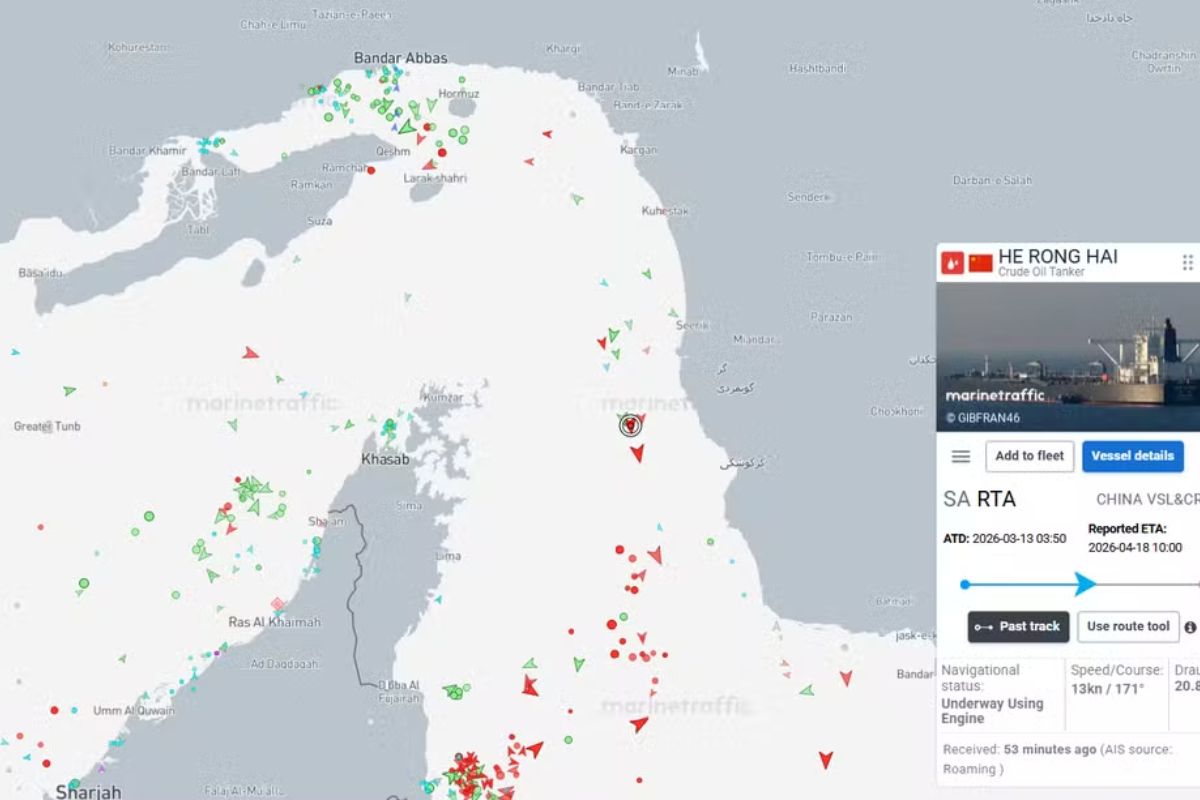
Two Chinese supertankers chartered by Asia’s largest refiner have just crossed the Strait of Hormuz and may be the first to leave the Persian Gulf since the ceasefire between the United States and Iran on a route that still has mines and uncertainties.
-
While Havan earns R$ 50 million per day throughout the year, Cacau Show managed six times more in just 24 hours, totaling half a billion reais in two days of Easter.

Construction reaches the top of employment and shows it still drives the economy
The opening of more than 31 thousand jobs in February confirms that construction remains one of the strongest gears of Brazilian economic activity.
When the sector grows, it does not only move construction sites. It drives an entire chain that includes cement, steel, transportation, finishes, machinery, material trade, and services related to the real estate market.
Therefore, every advance in construction has a direct effect on the real economy. And that is exactly what February showed.
More than 3 million already work in the formal sector
Construction ended February with 3.024 million formal workers. In the first two months, the balance reached 81,637 jobs.
In the accumulated 12 months, the sector added 88,222 new positions, with a growth of 3%. The numbers reinforce that construction continues to employ on a large scale and maintains a strategic position in the country.
This weight transforms any fluctuation in the sector into a national issue. When construction is doing well, the market feels it. When it stalls, the impact also spreads quickly.
São Paulo surges, but progress is not equal across the country
São Paulo led the generation of formal jobs in construction in February, with 9,476 jobs.
Following were states like Santa Catarina, Bahia, Minas Gerais, and Pernambuco. The data shows that construction has started to open jobs in various regions and maintained a relevant pace in different markets.
But not all areas were positive. Some states closed job positions, indicating that the recovery is still uneven and heavily depends on the local investment and construction environment.
Lack of labor has become a serious problem on construction sites
While construction is hiring on one side, it faces an increasingly visible problem: the lack of qualified labor.
Today, many companies struggle to find professionals ready for technical and operational roles. Specialized masons, electricians, installers, and trained workers have become increasingly sought after.
This bottleneck is starting to limit growth. In many cases, the construction exists, the demand exists, but there are not enough people to carry out the work at the necessary pace.
High interest rates hold back projects and prevent greater leaps in the sector
Another significant weight continues to hinder construction: high interest rates.
With expensive credit, financing becomes more difficult, launches lose momentum, and part of the investments is postponed. The impact is mainly felt in projects aimed at the middle-income sector, where financing plays a decisive role.
In other words, construction is growing, but it is growing below what it could. The sector is reacting, but still carrying heavy brakes.
Construction grows, but the scenario is far from comfortable
The number of jobs in February is strong and shows that construction remains alive, active, and relevant.
But the scenario is not one of tranquility. The sector is advancing in a tight environment, pressured by costs, hiring difficulties, and a slower pace in new projects.
In practice, this creates a clear contradiction. Construction is generating jobs again, but it has not yet found a fully favorable ground to accelerate strongly.
The February data exposes both the strength and fragility of construction at the same time
The balance of 31,099 jobs carries a dual message. First, it shows that construction remains one of the major engines of employment in Brazil.
Then, it reveals that this engine is still working under pressure. There is a lack of workers, credit is tight, and expansion is not happening at the speed the sector would like.
This is precisely why the result draws so much attention. Construction has proven it still has stamina, but it has also made it clear that it could yield much more if the economic environment supports it.
Construction resumes driving employment, but brakes remain in the way
Brazil saw construction open thousands of jobs in February and regain prominence in the labor market. This, in itself, is already a strong signal.
But the sector’s advancement does not eliminate the obstacles. Construction continues to navigate between two extremes: on one side, the real capacity to generate jobs and stimulate the economy; on the other, bottlenecks that hinder its expansion.
If these brakes lessen, the sector can grow even more. If they continue to tighten, the reaction may lose strength in the coming months.
If you also believe that the construction sector continues to be one of the most decisive for the Brazilian economy, leave your comment and share this publication.









Seja o primeiro a reagir!