





 Portuguese
  English
  Spanish
  6 min of reading
  1 comment


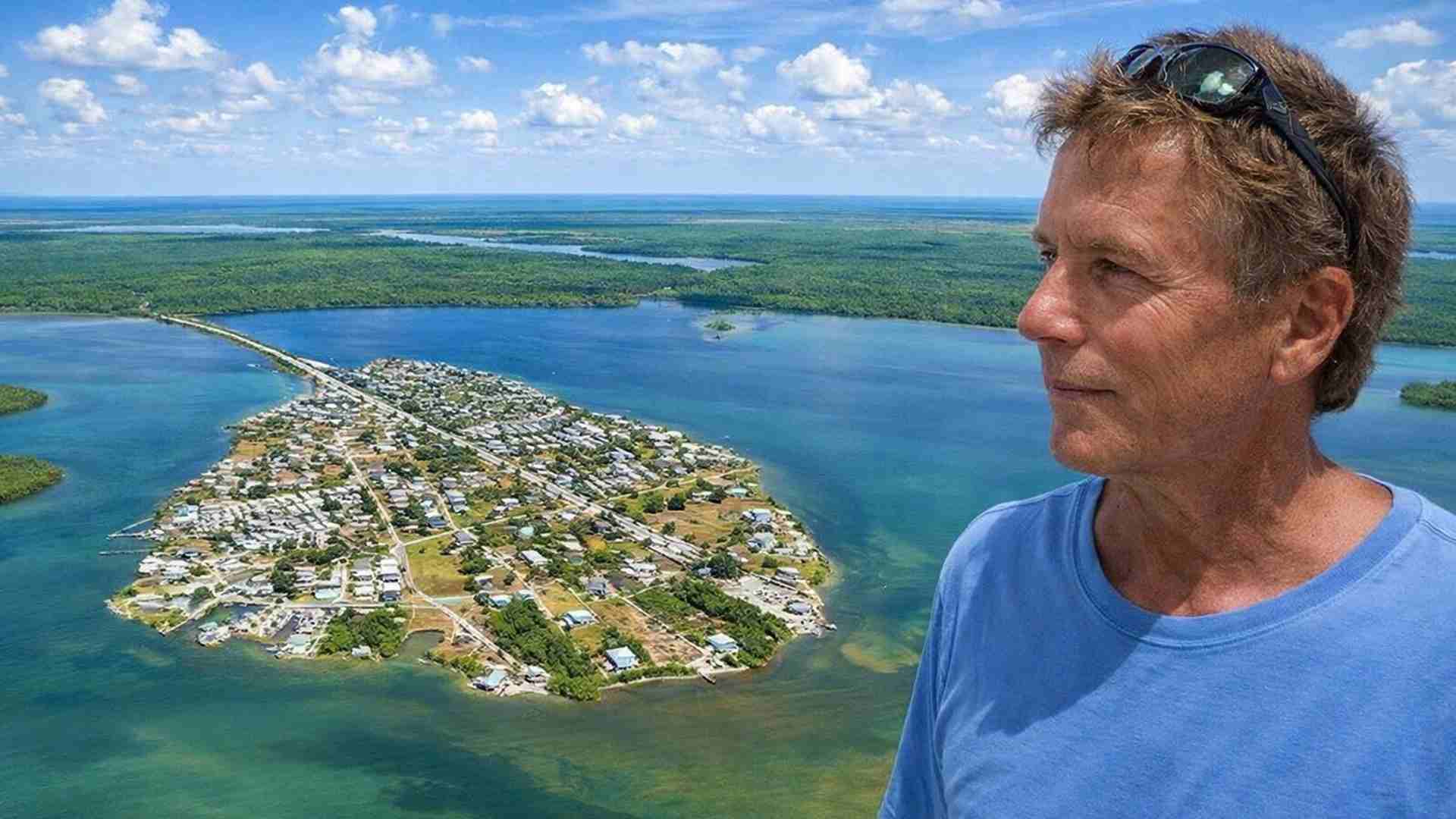

With only 352 inhabitants, the small Everglades City, in southern Florida, serves as an entry point to 607 thousand hectares of preserved swamps, concentrates activities related to ecotourism, and maintains a routine shaped by water, geographical isolation, and environmental preservation
The American city with an area of 607 thousand hectares of preserved swamps in the southern United States forms one of the country’s most extensive and inhospitable ecosystems, with Everglades City, 56 kilometers from Naples, as one of its main tourist access points.
A Vast Ecosystem That Shapes The Experience From Arrival
Frequently compared to a grassy river of calm waters, the Everglades are not just a U.S. national park, but also a UNESCO World Heritage Site, bringing together mangroves, pine forests, and sawgrass marshes in a continuous area.
The territorial extent of the Everglades makes it difficult to choose starting points for visitors who wish to explore the natural environment without traveling long internal distances, which makes the location of Everglades City strategic.
-
He started running at 66 years old, broke records at 82, and is now a subject of study for having a metabolic age comparable to that of a 20-year-old, in a case that is intriguing scientists and inspiring the world.

-
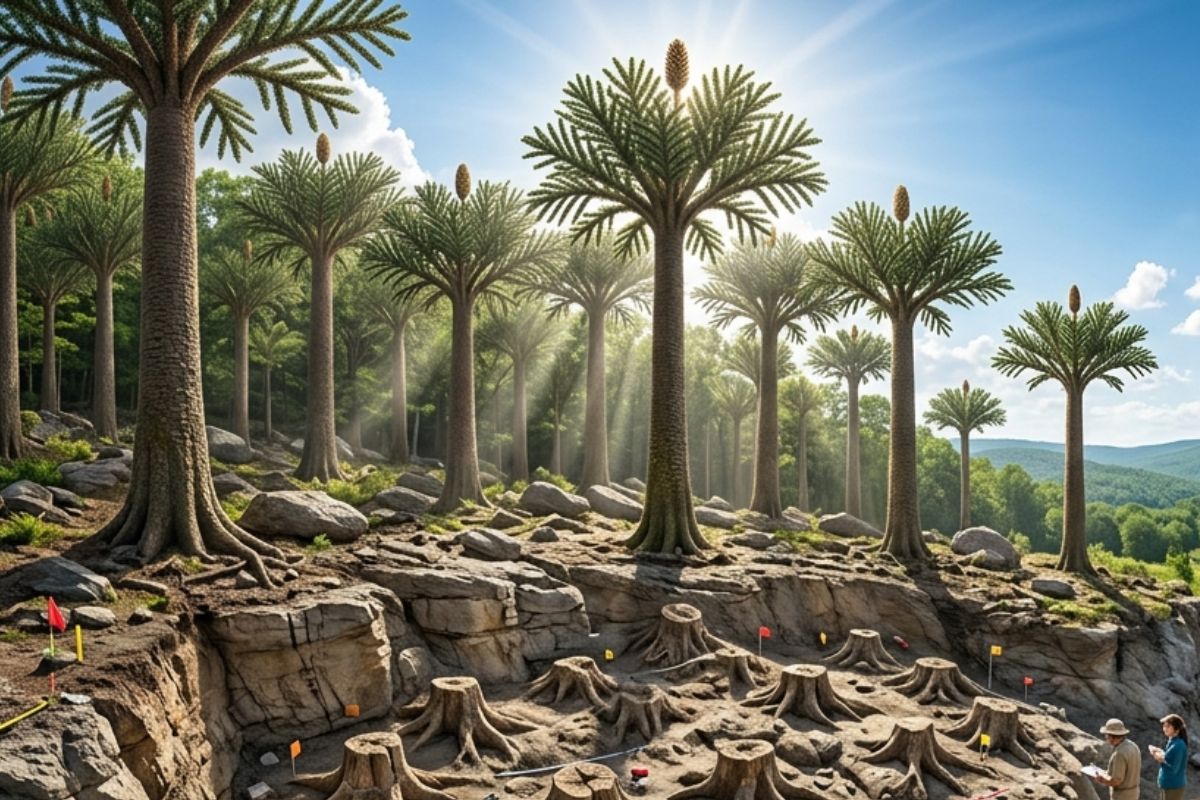
Oldest tree on the planet reappears after 130 years of searches: Wattieza, 385 million years old, was 10 meters tall and had no leaves or seeds; Gilboa fossils in New York solved the mystery in 2007.
-
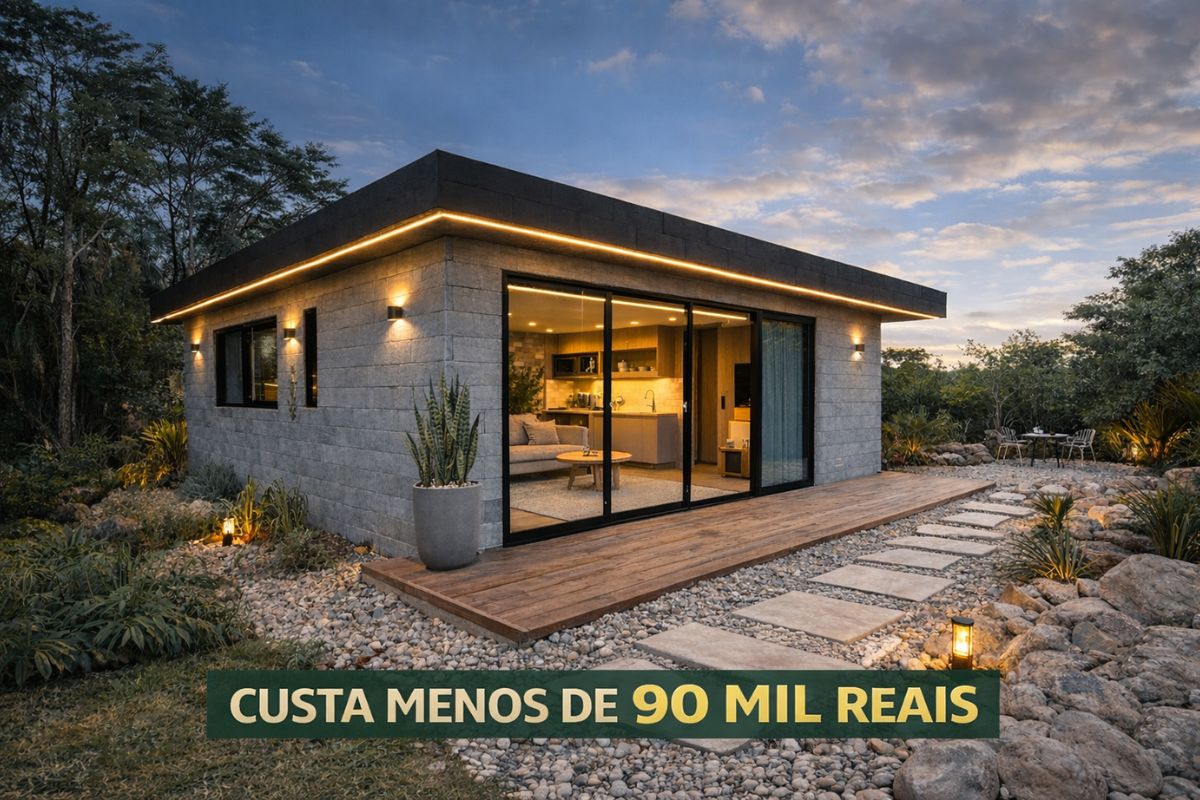
A 48-square-meter house assembled in hours with 4,000 bricks made of recycled plastic that does not absorb moisture, has natural thermal insulation, and costs less than 90,000 reais in a complete kit.
-
Luciano Hang revealed that Havan’s air fleet has already accumulated more than 20,000 landings, 10,000 flight hours, and 6 million kilometers traveled, and he says that without the planes, the company would never have grown so quickly.


With 352 inhabitants, the city is located on Florida’s southwestern coast and preserves characteristics of the so-called “Old Florida,” with limited infrastructure and strong integration with the surrounding nature.
The immediate proximity to canals, swamps, and mangrove areas allows visitors to access the landscapes of the Everglades directly, without complex travels or major urban centers as intermediaries.
This context makes the city a base for short-duration outings, especially on weekends, focusing outdoor activities, dining, and lodging in a compact space.
Outdoor Activities Structure The Main Tourist Attraction
The exploration of the Everglades from Everglades City occurs through activities that vary from airboat rides to silent kayak crossings through the region’s mangroves.
The most common starting point is the Nathaniel P. Reed Visitor Center, which offers indoor and outdoor exhibits, as well as an introductory film about the swamp and its associated ecosystems.
After the theoretical introduction, visitors may depart accompanied by park rangers, who assist in identifying the characteristic flora and fauna of the region, promoting an environmental reading of the space.
These activities allow observation of different natural formations, including coastal mangroves, pine forests, and open marsh areas, creating a broad view of the ecosystem. The combination of institutional guidance and practical exploration aims to balance tourist access with environmental preservation, a key element in the management of the Everglades.
Guided Tours Expand The Reach Within The Swamps
For those who wish to go beyond the more accessible areas, local companies organize guided tours focused on different sections of the Everglades territory.
Everglades Area Tours offers eco-kayaking excursions led by naturalists, allowing visitors to choose specific routes, such as alligator observation, orchids, or mangrove tunnels.
Among the available routes are the Turner River, internal areas of Everglades National Park, and paths that reach open sea on special day trips.
One of the most highlighted destinations is the Ten Thousand Islands archipelago, a chain of islands and islets of mangrove located off the coast, partially designated as a National Wildlife Refuge.
These excursions expand contact with less-visited areas and reinforce the role of Everglades City as a logistical base for aquatic exploration of the region.
Airboats Offer A Dynamic Reading Of The Landscape
After the initial contact with the environment, many visitors opt for airboat tours, characterized by speed and reach in flooded areas of difficult access.
Captain Jack’s Airboat Tours operates routes that traverse mangrove tunnels, cypress forests, and open prairies, allowing observation of different formations in a single activity. The Everglades Combo tour, lasting five hours, combines these three environments in one route, offering an integrated view of the local landscape diversity.
The use of airboats, traditional in the region, enables crossing shallow areas without direct impact on the ground, a relevant feature in a sensitive swamp environment.
This type of experience adds a more intense dimension to the visit, contrasting with the silent approach of kayaking trips.
History And Culture Complement The Environmental Experience
After outdoor activities, the programming in Everglades City includes spaces dedicated to the human history of the region, marked by sparse occupations over two millennia.
The Everglades Museum operates in a pink building that housed a laundry in 1927 and features rotating exhibits on human presence in the so-called Last Frontier of Florida.
In neighboring Ochopee, visitors often take note of the smallest post office in operation in the United States, set up in a building of 5.7 square meters.
Another noteworthy spot is the Clyde Butcher Gallery, located in the Big Cypress Swamp, where black and white photographs that depict the primitive swamp are exhibited.
In addition to the works of Clyde Butcher, the gallery also showcases photographs and paintings by Niki Butcher and offers guided walks through the swamp and lodging in bungalows on the property.
Local Cuisine Revolves Around Stone Crab
The gastronomic identity of Everglades City is strongly associated with stone crab, a crustacean that defines the local food economy for about eight months of the year.
The stone crab season runs from mid-October to May, a period when harvesting and consumption intensify in the region’s restaurants and markets.
The fishing follows a specific method, in which only one claw of the animal is removed before it is returned to the water, allowing for the slow regeneration of the limb.
This process results in fresh meat, described as succulent and flaky in texture, often compared to a mix between shrimp and lobster.
In Everglades City, Grimm’s Stone Crab is known for selling fresh claws for home consumption, while City Seafood offers meals by the dock.
The Triad Seafood Market & Café, operated by the same family since 1984, serves stone crab by the pound, establishing itself as a local institution.
Another notable address is the Camellia Street Grill, a casual restaurant with a menu that includes everything from burgers to shrimp with grits, tacos, and po’boys, besides stone crab.
Other Regional Flavors Expand The Gastronomic Itinerary
In addition to seafood, the city and surrounding areas offer options that reflect diverse influences of local and regional cuisine.
The Island Café operates as a traditional American diner, serving meals throughout the day, with an emphasis on breakfast potatoes with crispy bacon in the early morning hours.
HavAnna Café is described as a tropical oasis, specializing in Cuban dishes and known for its garden where customers dine under umbrellas among flowers and lush vegetation.
The menu features options such as the classic Cuban sandwich and grilled snapper with Cuban sofrito, forming an offer that diverges from exclusive seafood focus. These establishments expand culinary possibilities and reinforce the welcoming character of the small city, despite its isolated location.
Lodging Combines Natural Immersion And Historical Heritage
Lodging options in Everglades City and surrounding areas range from total immersion experiences in nature to accommodations with more conventional infrastructure.
The cabins located on Clyde Butcher’s 14-acre property offer isolation and direct contact with the natural environment, serving as an alternative for those seeking tranquility.
Other options arise for visitors who are unable to reserve these cabins, keeping the city prepared to receive continuous tourist flow.
The Ivey House offers rooms with queen and king beds, a private pool with protective screen, and discounted packages for airboat tours, kayaking, and sport fishing.
For those who desire an experience linked to the historical past of the city, The Rod & Gun Club operates as a hotel and resort open to the public in an old private club. The property was built on the site of Everglades City’s first white settlement, founded in 1864, and over the last century has hosted presidents, dignitaries, and celebrities.
Today, the complex includes a restaurant overlooking the Barron River, two bars, cabins, rooms, a swimming pool, and a complete marina, establishing itself as one of the landmarks of local lodging.
By bringing together nature, history, gastronomy, and lodging in a compact territory, Everglades City affirms itself as a strategic point for understanding, experiencing, and accessing the Everglades, even amidst the vastness and complexity of this unique ecosystem.








Tour commercial lacks facts as you have Chokoloskee Island pictured and not Everglades City. This is like picturing Ft. Lauderdale while giving history of Miami Beach.