





 Portuguese
  English
  Spanish
  3 min of reading
  0 comments


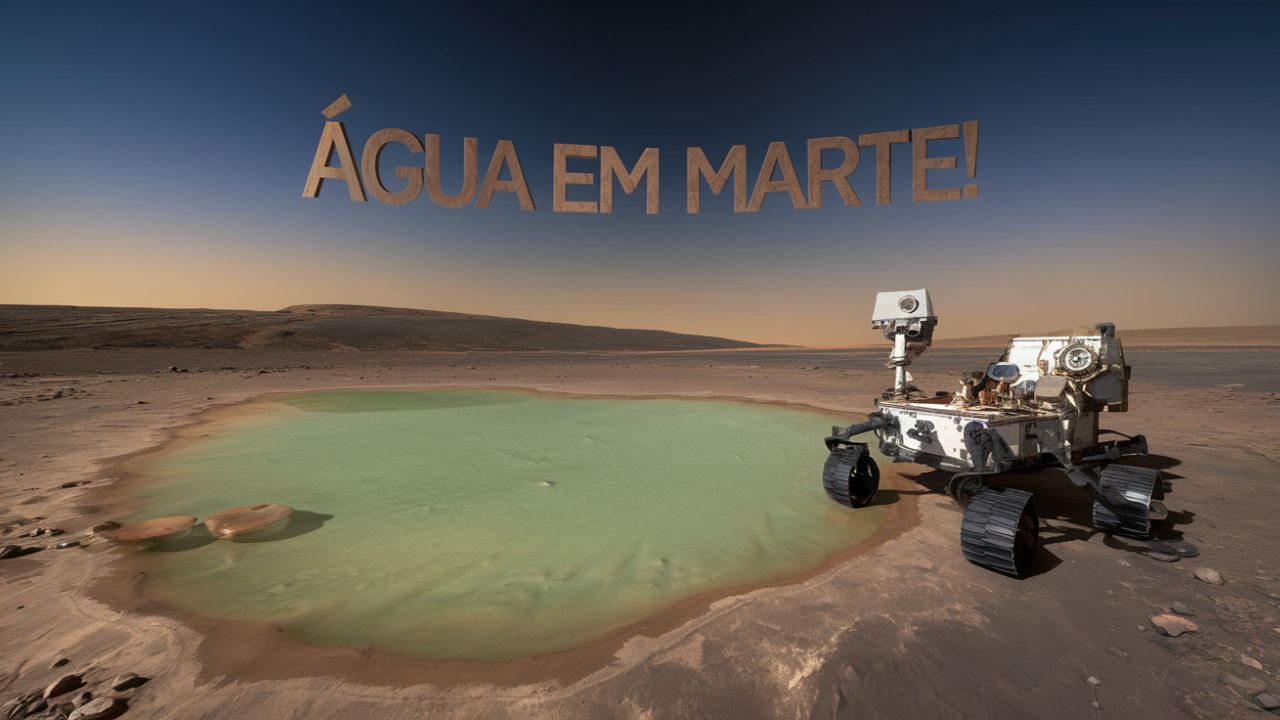
Study Reveals That Mars Hosted Hot Water 4.4 Billion Years Ago, Creating Environments Similar to Earth’s and Raising New Possibilities About the Existence of Life in the Past of the Red Planet.
Could Mars Have Been Similar to Earth? Despite its current desolate appearance, new discoveries indicate that, billions of years ago, Mars was a dynamic planet teeming with hot water. And this changes everything we thought we knew about the Red Planet.
The Discovery of Black Beauty
The meteorite Northwest Africa 7034, endearingly nicknamed “Black Beauty,” revealed surprising secrets about Mars’ past. Discovered in the Sahara, this rock fragment is a true time capsule. Inside it, scientists found a small grain of zircon, a mineral that carries valuable geochemical information.
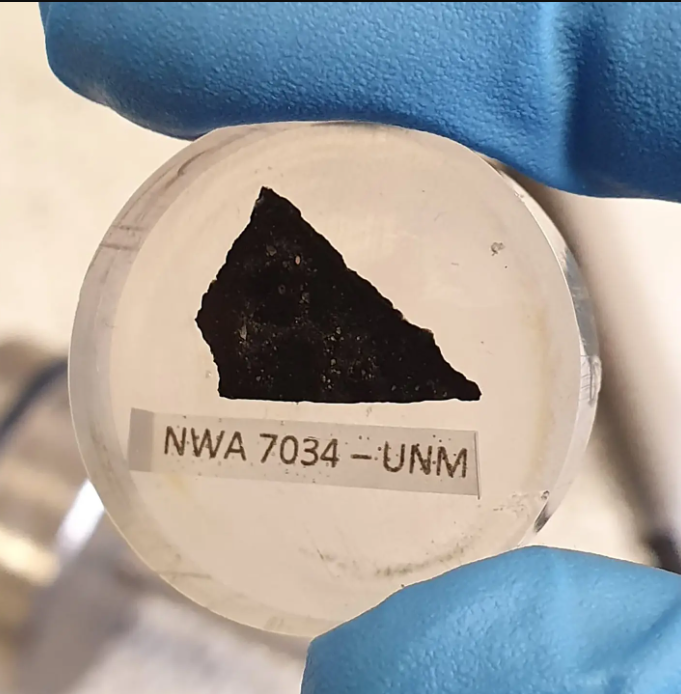
Why is this important? This zircon, at an impressive 4.45 billion years old, holds evidence of hydrothermal systems—places where hot water interacts with rocks. On Earth, these systems are essential for life. Could Mars also have been a conducive environment for living organisms?
-
In Mexico, a 3,000-year-old Maya site with the dimensions of an entire city may have been built as a colossal map of the cosmos, created to represent the order of the universe and reveal how this people organized space, time, and rituals.
-
Japan wants to build a solar ring of 10,900 kilometers on the Moon to continuously send energy to Earth.
-
Weighing almost 1 ton, with temperatures of up to 3,000°C, the ability to launch 10,000 fragments within a radius of 1 km, capable of penetrating concrete and melting steel, Turkey’s terrifying bomb emerges as one of the most destructive non-nuclear weapons ever presented.

-
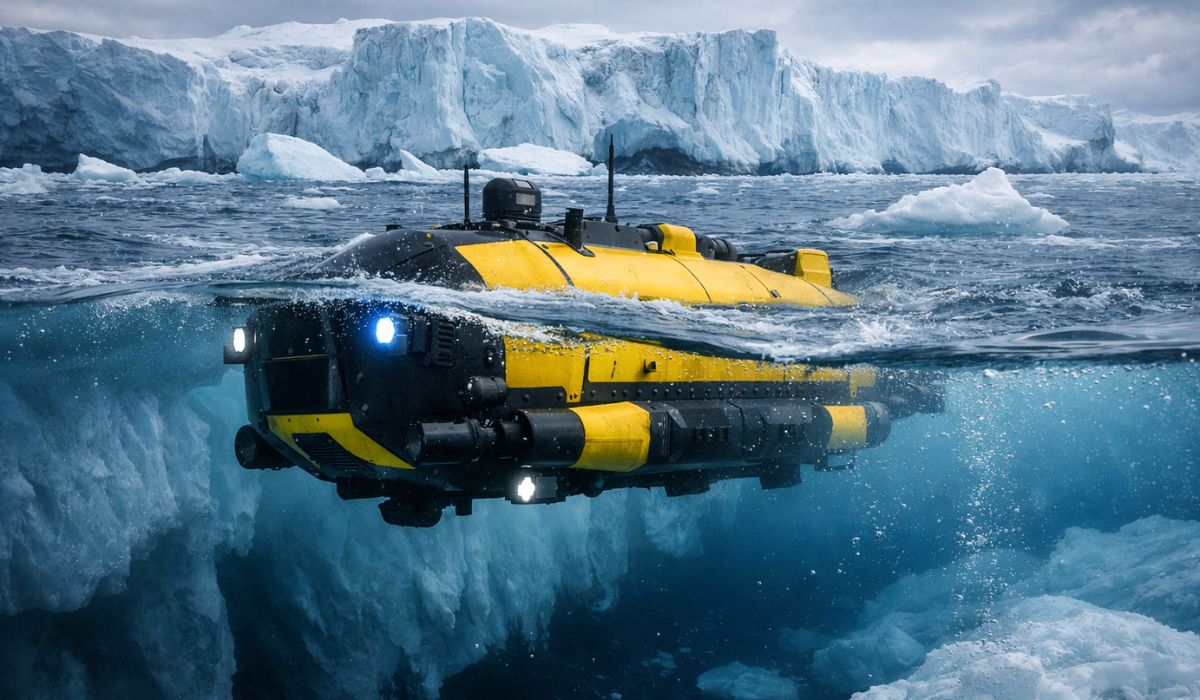
After a submarine disappeared beneath the “Doomsday Glacier,” scientists announce a new monstrous machine capable of operating at 3,000 meters depth to return to the heart of the ice and investigate a threat that could raise sea levels worldwide.

The Hydrothermal Systems of Mars
If there’s one thing we know about life on Earth, it’s that it thrives where there is heat and water. These two essential ingredients have been found on Mars. The analyzed zircon indicated the presence of hot water-rich fluids during the formation of the Martian crust.
And the similarities with Earth? The hydrothermal systems of Mars resemble the deep-sea vents and geothermal springs of our planet. These extreme environments, which support microbial life forms, may have also existed on the Red Planet. Who knows, they might have even served as a cradle for extraterrestrial life?
Impacts and Geological Activity on Mars
Mars did not have a peaceful past. On the contrary, the planet was the site of intense meteorite impacts that shaped its surface and hydrology. The zircon grain from Black Beauty showed clear signs of deformation from high-pressure shocks, indicating that Mars experienced extreme geological events.
Why is this relevant? These impacts might have created habitable niches by heating the crust and stimulating the circulation of hot water. In other words, cosmic chaos might have been a partner in creating conditions favorable to life.
The Lost Magnetic Field of Mars
Like Earth, Mars once had a powerful magnetic field generated by a molten iron core. This field protected the planet’s atmosphere, allowing water to flow freely on its surface.
What changed? When Mars’ magnetic field disappeared, solar winds began to erode its atmosphere, transforming it into the cold desert we know today. This discovery leads us to question: did Mars lose its chance to support life forever?
Exploration and Future: What to Expect?
Mission such as NASA’s Perseverance rover are paving the way for even more fascinating discoveries. Furthermore, the return of Martian samples to Earth may confirm or even expand these revelations.
And what about the meteorite Black Beauty? It shows us that studying these rocks is crucial for understanding Mars’ past. Each fragment may contain valuable clues about a planet that, billions of years ago, may not have been so different from Earth.
The discovery of evidence of hot water on Mars transforms our understanding of the planet. Mars, once seen as barren, may have been home to habitable environments in the distant past. This new information not only ignites our curiosity but also reinforces the importance of continuing to explore the Red Planet. After all, who knows what else is hidden beneath its red sands?







Seja o primeiro a reagir!