





 Portuguese
  English
  Spanish
  4 min of reading
  0 comments


Ex-brewer Master of Ambev Claims Compulsive Beer Consumption at Work. Court Questions Link Between Professional Environment and Alcoholism, Raising Discussions on Corporate Responsibility and Invisible Risks of the Brewing Industry.
The Second Panel of the Superior Labor Court (TST) rejected the appeal of a former brewer master of Ambev S.A. who claimed to have developed alcoholism due to the requirement of consuming large volumes of beer daily during work hours.
The worker sought compensation for moral and material damages, asserting that the company forced him to drink around four liters of beer per day, especially on the eve of holidays and weekends.
The court upheld the decision of the lower instances that denied the request due to lack of evidence of a causal link between work and the development of the disease, based on TST Summary 126, which limits the review of facts and evidence in extraordinary appeals.
-
Curitiba is shrinking and is expected to lose 97,000 residents by 2050, while inland cities in Paraná such as Sarandi, Araucária, and Toledo are experiencing accelerated growth that is changing the entire state’s map.

-
Tourists were poisoned on Everest in a million-dollar fraud scheme involving helicopters that diverted over $19 million and shocked international authorities.

-
Hidden beneath the dense forest of the Sierra Nevada, Betoma emerges in a neighbor of Brazil as the greatest archaeological discovery of the century, revealing a colossal ancestral city covering over 18 km², with 8,334 stone structures and the potential to rewrite the history of South American civilizations.

-
Goodbye iron: new technology from Xiaomi promises to revolutionize the way we iron clothes with 500 kPa steam, continuous flow of 120 g/min, heating in 65 seconds, and six smart modes for different fabrics.


Employee History and Daily Consumption Report
The former employee joined the company in 1976 and remained in the position for 16 years, being dismissed without cause in 1991.
He stated that he was never informed about the risks of excessive alcohol consumption in his roles and that the company neglected periodic medical exams to monitor the health of employees.
Despite these allegations, the process revealed that the treatment for alcoholism was only initiated by the former employee in 1999, eight years after the end of his contract with Ambev.
Company Defense on Tasting and Risks
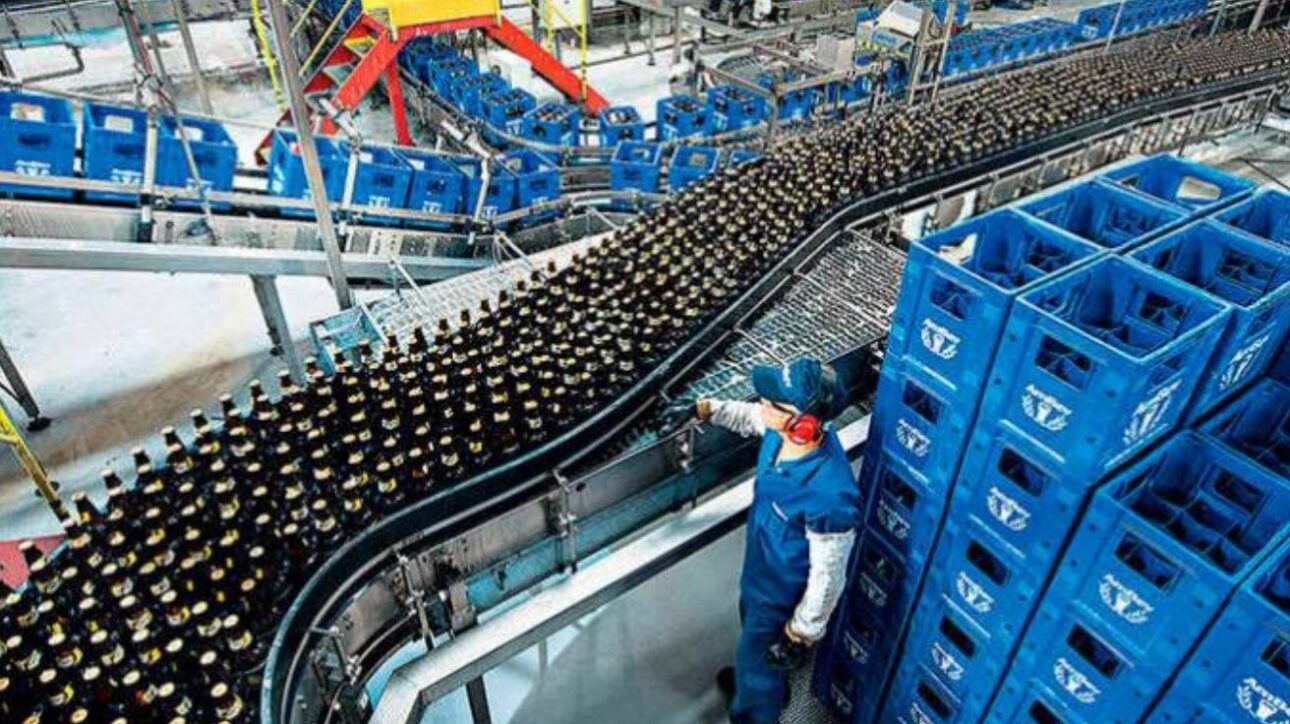
The company’s defense highlighted that the role of brewer master requires tasting the beer in small sips, a common and safe practice in the industry for sensory evaluation, which does not justify consumption in large quantities.
Ambev also argued that the daily volume of four liters is incompatible with professional routines and would impair job performance.
Judicial Decisions and Absence of Causal Link
The decision of the Regional Labor Court of the 1st Region reaffirmed that there was insufficient evidence to establish a direct link between work and alcoholism, emphasizing that the disease was only diagnosed many years after leaving the company.
The TRT also noted that the former employee worked for other companies after Ambev, which weakens the argument that the brewery environment was the cause of the illness.
Additionally, the court pointed out that, due to holding a leadership position, the brewer master was aware of the inherent risks of his role, reinforcing the absence of negligence on the part of the company.
Restrictions of the TST in Reassessing the Case
In the appeal, reporting minister Delaíde Miranda Arantes reaffirmed that the TST cannot reassess facts and evidence already decided, according to Summary 126, thus maintaining the decision that denied the worker’s request.
Challenges to Prove Link Between Alcoholism and Work
This case highlights the difficulties faced by the judiciary to recognize direct links between diseases such as alcoholism and the workplace, especially when it involves constant exposure to alcoholic beverages.
According to labor law specialists, it is essential for the worker to prove the causal link between their role and the disease to ensure compensation for occupational diseases, which is not simple in cases related to alcohol consumption, given that personal habits also influence the development of addiction.
The Importance of Preventive Policies in Companies
The debate also involves the responsibility of companies to implement preventive policies, such as periodic exams, psychological support, and awareness campaigns to prevent the workplace from fostering excessive alcohol consumption.
Data from the Ministry of Health indicate that alcoholism affects about 4% of the Brazilian adult population, being one of the main causes of absenteeism and disability retirement in the country, which makes the topic a significant concern for employers and workers.
In the alcoholic beverage sector, the challenge increases due to the constant exposure of professionals to products that can cause dependency, requiring special attention from companies to ensure the health and safety of their employees.
Preventive measures, such as training, clinical monitoring, and psychological support, are essential to reduce the risks of alcohol-related diseases, especially in brewing industries.
Jurisprudence and Individualization of Cases
Jurisprudence has evolved to hold employers accountable who do not provide adequate working conditions, especially when there is evidence that the environment contributed to the emergence of occupational diseases.
However, each case is evaluated individually, with detailed analysis of technical evidence and testimonies, which makes it difficult to establish the company’s responsibility in cases involving alcoholism. The decision can be consulted here.








-

-

2 pessoas reagiram a isso.