





 English
  Francês
  Alemão
  Italiano
  Japonês
  Norueguês
  Portuguese
  Spanish
  3 min of reading


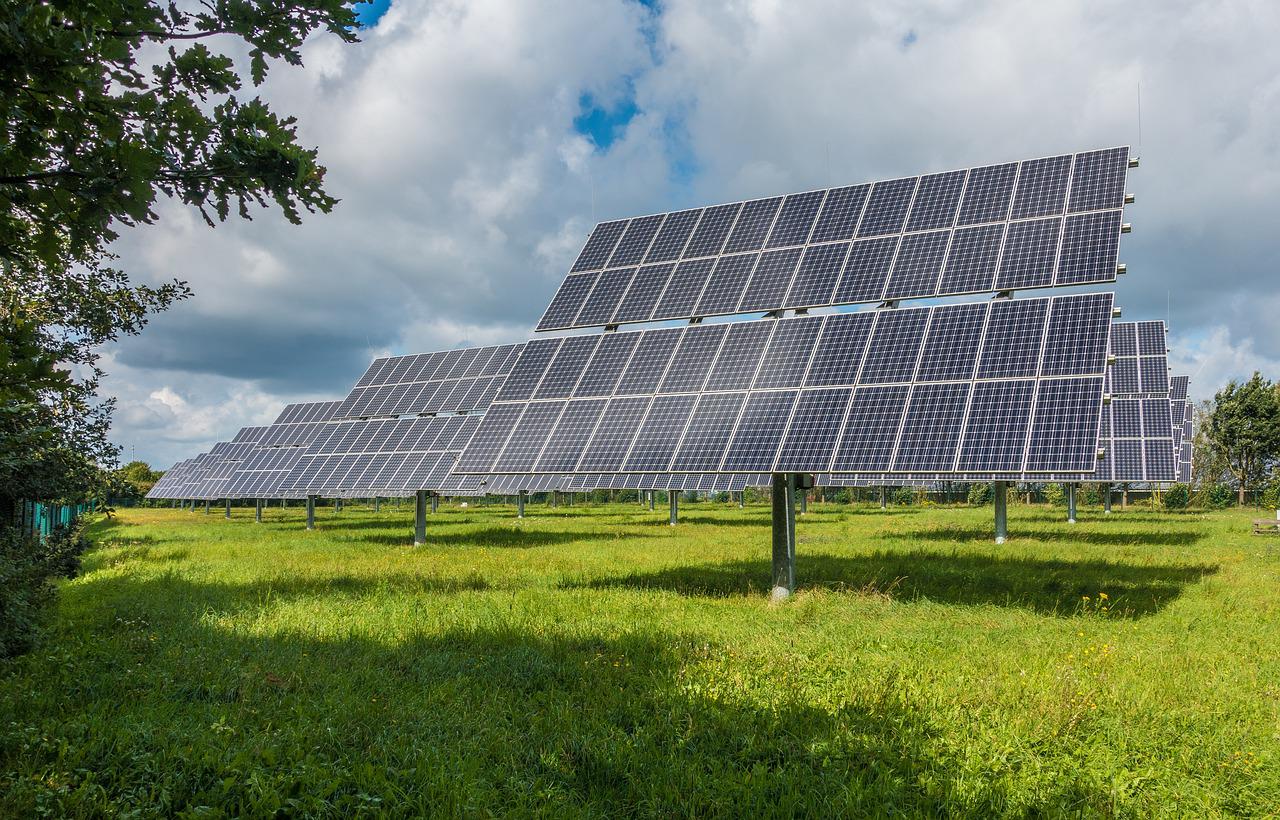
Bento Albuquerque Expects That By 2031, Solar Energy Will Be Responsible For 17% Of All Electricity Generated In Brazil
According to Bento Albuquerque, former Minister of Mines and Energy, solar photovoltaic energy should be responsible for about 17% of the electricity matrix produced in Brazil by the end of 2031.
According to Canal Solar, Albuquerque also stated that this figure corresponds to a 120% growth over a nine-year period, since currently, solar energy accounts for 7.7% of all electricity generated here.
In addition, the former minister highlighted that in the past year, Brazil ranked fourth among the countries in the world in terms of distributed generation expansion, only behind countries such as the United States, China, and India. At a seminar held by ANEEL (National Electric Energy Agency), Albuquerque stated that in his view, the country is very well positioned.
-
Rio Grande do Sul accelerates energy transition: State invests in renewable technologies and consolidates decarbonization strategies and pathways to attract billions in new industrial investments.

-
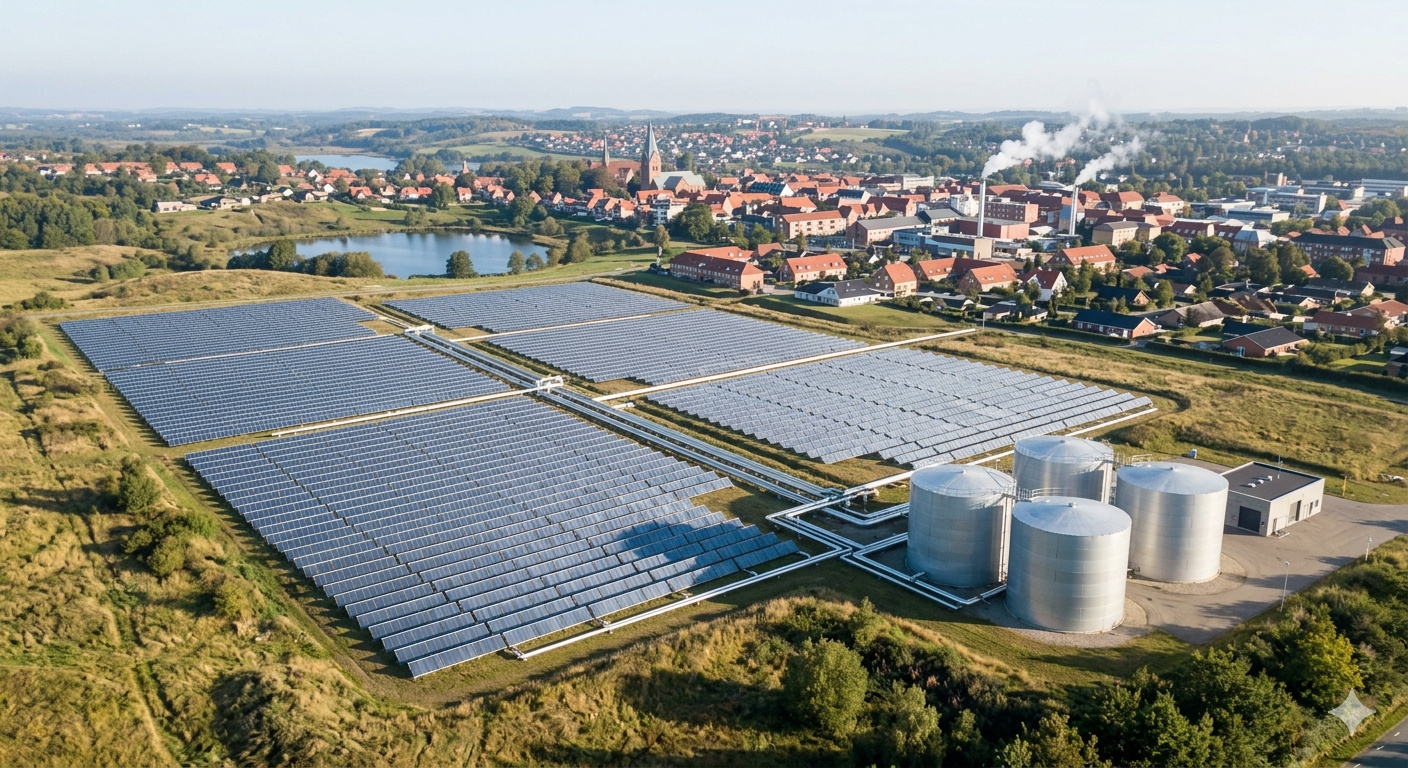
With 160,000 m² of collectors, an area larger than 20 football fields, Silkeborg, in Denmark, hosts a solar thermal plant that heats 19,500 homes and could become the largest solar heating plant in the world.
-
A study reveals the expansion of renewable energy procurement in Brazil and shows how companies are taking advantage of opportunities to reduce expenses, ensure energy efficiency, and strengthen strategic environmental commitments.

-
Roraima bets on the sun to escape high tariffs: Amid the energy crisis and price hikes, solar energy is growing in Roraima and transforming consumption in the North region.
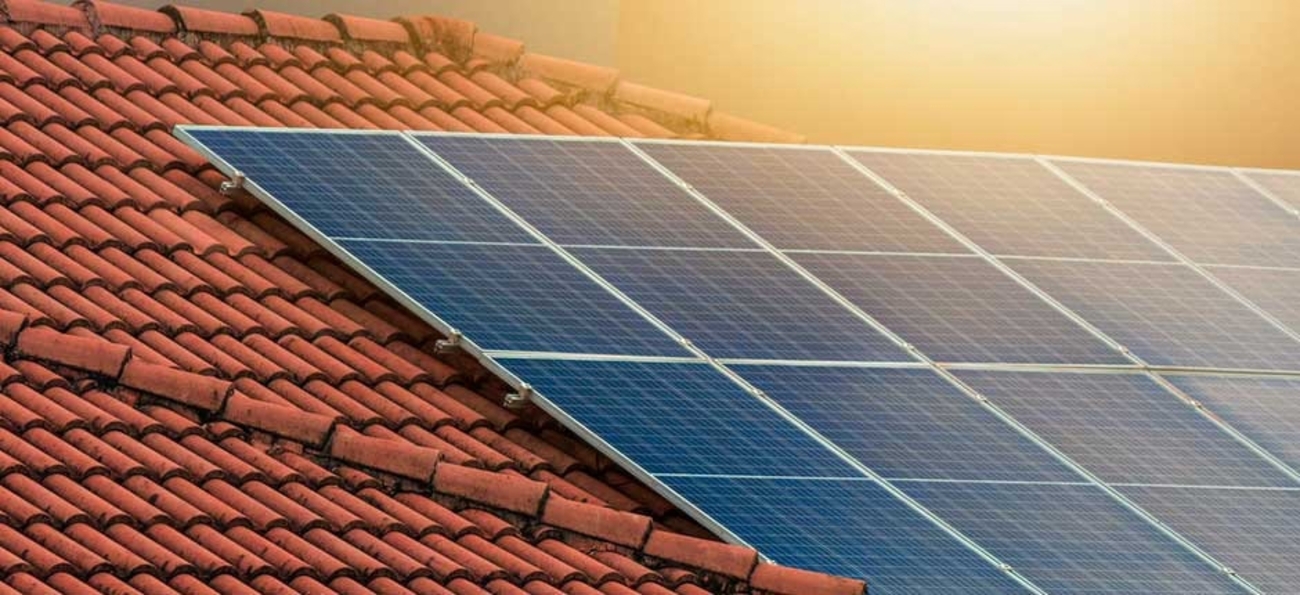

The term “distributed generation” refers to the way of producing energy performed by the consumers themselves, as occurs, for example, in houses or businesses that have solar panels for energy generation.
Albuquerque Also Confirms The Holding Of An Auction To Assist With Energy Generation Expenses
During the ANEEL seminar, the executive also assured that another auction for the construction of energy transmission lines and facilities will take place in June. Thus, there will be an auction of 13 lots located in 13 states in Brazil, and the expectation is to receive R$ 15.3 billion in investments, with the installation of 4,500 kilometers of transmission lines.
On other occasions, Bento Albuquerque has also expressed optimistic feelings regarding the solar energy sector. In October of last year, for example, the former minister said he believed that by the end of the decade, Brazil could achieve 13% of its energy matrix supplied by solar energy.
This comment was made during the opening of Proenergia 2021, where he also stated that Brazil would invest resources in renewable sources over the next few years in order to reduce the country’s dependence on hydropower from 61% to 49% by 2030.
High Electricity Bills Increase The Search For Alternative Energy Sources In Brazil, With A Strong Increase In Solar Energy Production
Eight Brazilian states recently experienced adjustments in their electricity bills approved by the National Electric Energy Agency (Aneel), namely: Pernambuco, Bahia, Sergipe, Alagoas, Rio Grande do Norte, Ceará, Mato Grosso, and Mato Grosso do Sul. The increases are a cause for concern for consumers, who are now looking for other energy alternatives, such as solar energy, in order to save on their expenses.
In the state of Pernambuco, the electricity bill saw an increase of 18.97% for low-tension consumers. The other seven affected states also had their electricity bills increased by rates ranging from 18% to 25%.
Thus, the rise in electricity bill expenses has led many Brazilians to seek alternative energy sources, which has favored the expansion of other energy sources.
The president of the Brazilian Solar Photovoltaic Energy Association (Absolar), Rodrigo Sauaia, stated that the solar source is increasingly sought after by consumers due to the fact that it is more economical to produce energy from the sun than to buy it from other companies. Thus, according to Sauaia, it allows consumers to save directly from their own pockets.
To learn more, access the full article by clicking here.





Seja o primeiro a reagir!