





 Portuguese
  English
  Spanish
  4 min of reading
  0 comments


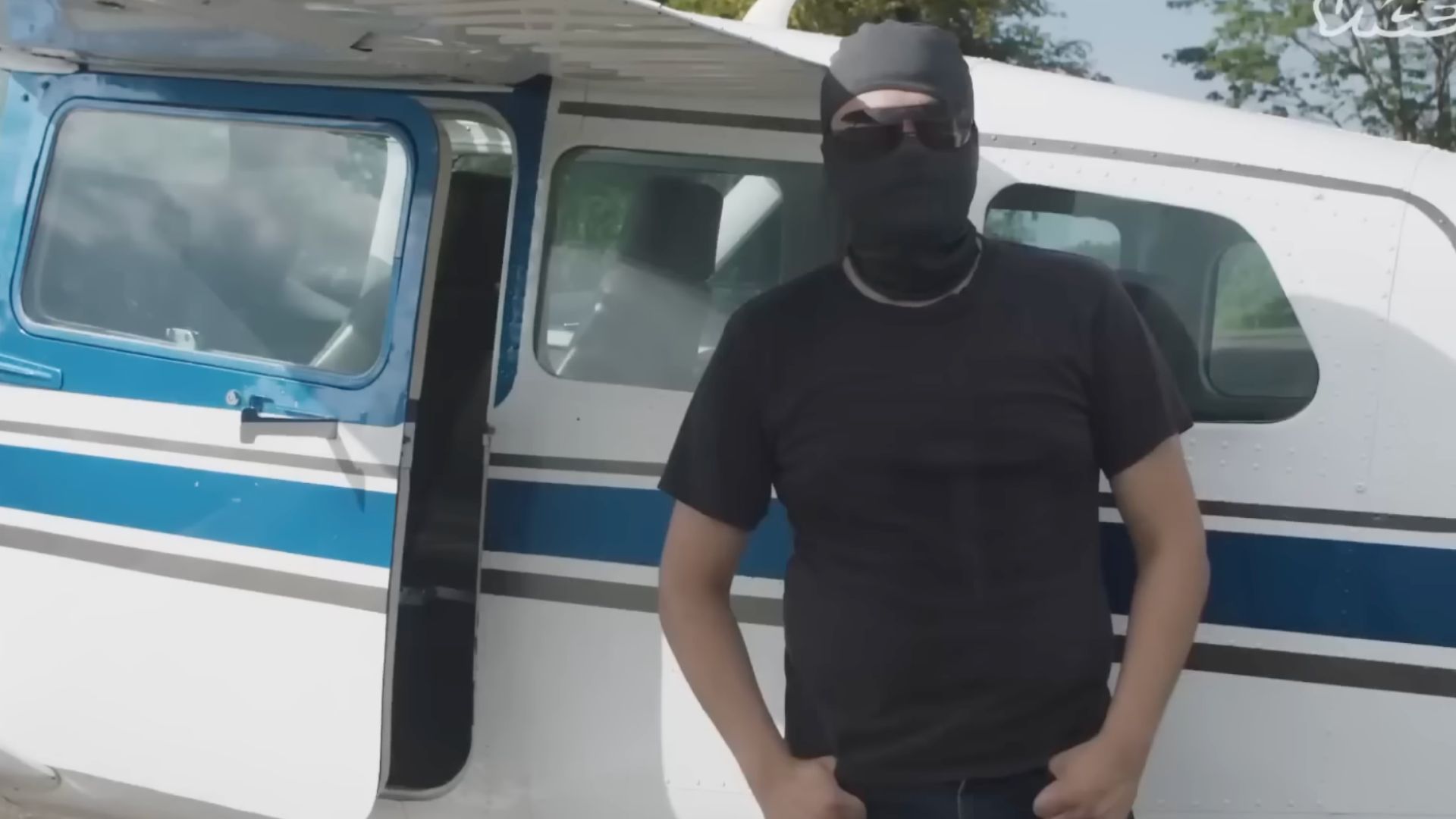
Between Improvised Runways, Tons of Cocaine, and Armed Confrontations, Pilot Describes How Air Transport of Drug Trafficking Works in Mexico
“You know you are going, but you don’t know if you will come back.” This phrase, spoken by a former pilot who worked for years in air drug trafficking in Mexico, summarizes the constant risk of the profession. Known as narcopilots, these men operate clandestine flights, transporting drugs like cocaine, heroin, and methamphetamine, receiving payments that range from 200,000, 230,000, and even 250,000 pesos per flight.
Moreover, depending on the frequency of flights, some accumulate between 3 million and 4 million pesos per year. However, despite the high amounts, the routine involves fear, pursuits, and a real possibility of death.
How Clandestine Drug Trafficking Flights Operate

First of all, any flat terrain can become a clandestine landing strip. Roads, clearings, and isolated areas serve as a base, as long as the plane can land without hitting obstacles. Many times, armed men wait for the aircraft to collect the cargo.
-
Satellites reveal that the greatest work of humanity extends over 21,000 km, exposes hidden military posts, and helps to unveil the gigantic logistical machinery of the ancient Ming dynasty.

-
The secret masterpiece of Steve Jobs that took five years to create was blocked before its debut due to an unexpected debt of millions — and the reason behind the blockage in Amsterdam still surprises today.

-
Why is chocolate so “addictive”? Studies show how chemical compounds activate the brain, trigger intense pleasure, and make it difficult to control consumption.

-
Cat owners are now prohibited from leaving them alone for long periods, and a new rule imposes a mandatory routine of care and daily interaction in Sweden.
Additionally, the pilot must maintain absolute secrecy. He does not file a flight plan, does not use GPS, and in many cases, flies completely without lights. “My plane has no lights at all. The less identifiable you are in the air, the better,” he states.
Meanwhile, cartels frequently seek pilots. They offer tempting proposals and high amounts. At one point, they offered a flight of approximately 18 hours, transporting illicit substances. Still, not everyone accepts.
When the cartel needs to transport 1 ton or 2 tons, they call the pilot directly. At that moment, he must make himself available immediately. According to the account, the most common drug for air transport is cocaine, although they also move heroin and methamphetamine.
On the other hand, land transport faces more barriers. Checkpoints, inspections, and police operations increase the risk of seizure. In the air, there are no customs, no immediate oversight, and no one conducts interrogations. Therefore, according to him, “it is more likely to lose the cargo on land than in the air.”
Constant Risk and Accidents in the Sky
Despite the apparent logistical efficiency, danger never disappears. Aircraft engines produce intense heat, and consequently, authorities can track aircraft using thermal technology. If they identify the signal, they follow the plane to its destination.
The former pilot reports that he lost three planes due to technical failures. In one of these situations, he jumped from the aircraft to simulate an accident and ensure the case was treated as a total loss.
Moreover, he faced armed confrontations. In one specific landing, he found a war-like scenario. The group waiting for the cargo had already been intercepted by rivals. During the gunfire, he was shot — according to him, the only time that happened.
Even so, he continued flying. After all, as he explains, “when you are there, you take the risk.”
From Childhood to Recruitment by the Cartel
As a child, he dreamed of becoming a police officer. However, at the age of 10, his mother kicked him out of the house. From that moment on, he started associating with people involved in trafficking.
Between the ages of 12 and 20, he worked in patrolling and operational roles. Later, he took on command and transport tasks. Subsequently, he was sent to a training school linked to the cartel, where he learned shooting, self-defense, and combat techniques.
Later, at the age of 23, he made his first flight. He did not attend formal aviation school. Instead, he received secret training. According to him, recruiters noticed his performance and decided to use him as a pilot.
In the years 2000, 2002, and 2003, especially in the late 1990s, many small planes operated in regions like Guamutil, in Sinaloa, and in the village of La Campana. Back then, the cartel frequently used these aircraft. Today, however, this activity has decreased.
High Money, Unstable Life

Although each flight yields between 200,000 and 250,000 pesos, and the total annual amount can reach 3 or 4 million pesos, money does not eliminate fear.
He lives separately from his family. Additionally, he admits that the activity takes a high emotional toll. “You pay betrayal with death,” he states, describing the internal code of drug trafficking.
Many colleagues died young, whether in accidents or confrontations. Therefore, money does not guarantee safety. On the contrary, it increases exposure.
Adrenaline, Regret, and the Impossibility of Leaving
Despite everything, he confesses that he loves flying. The feeling in the cockpit brings intense adrenaline. However, at the same time, regret grows.
“If there were a time machine, I would use it,” he admits.
According to him, leaving drug trafficking is not simple. Once someone enters, it is difficult to abandon the system. Many leave “with their feet first,” as the popular saying goes.
Furthermore, the economic situation and increased oversight have made operations more difficult. Still, young people continue entering this world, motivated by the promise of quick money.
In the end, the account reveals a brutal contrast: millions of pesos on one side and constant fear on the other.
And you, do you believe that any financial amount justifies living every day not knowing if you will return home?








Seja o primeiro a reagir!