





 Portuguese
  English
  Spanish
  3 min of reading
  0 comments


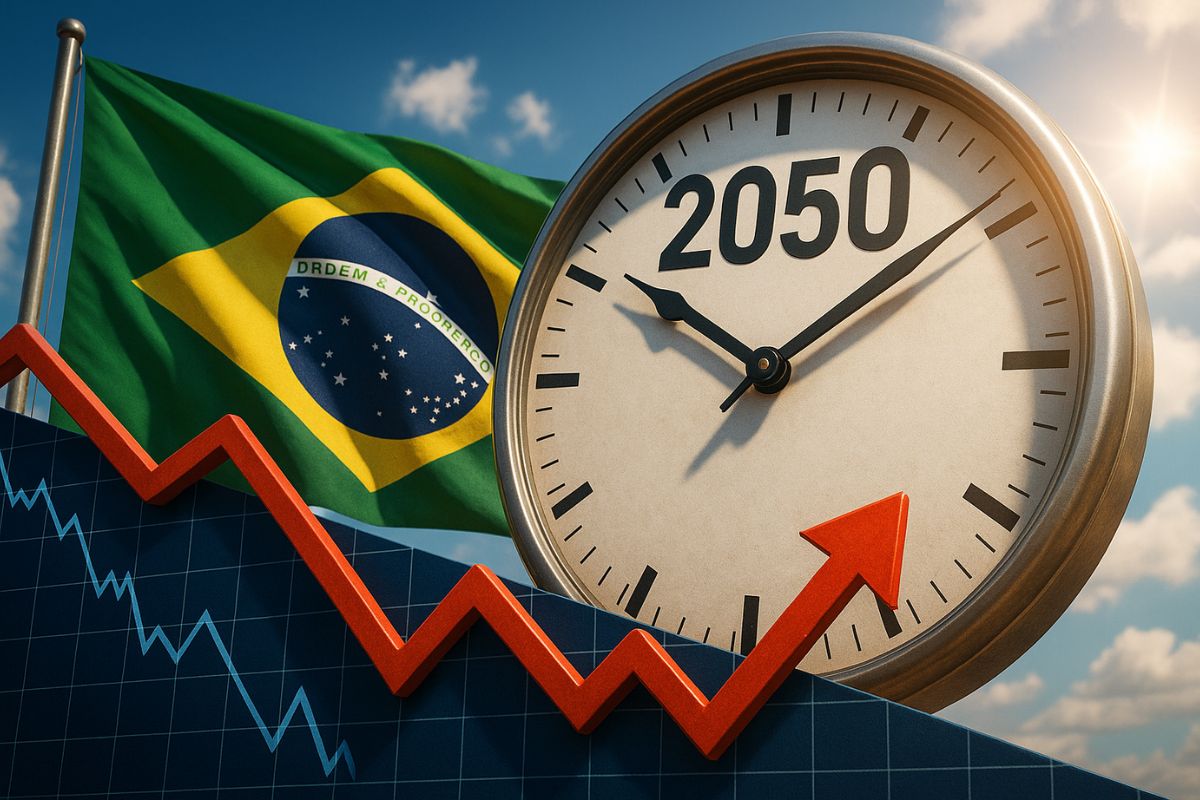
What to Expect from the Brazilian Economy by 2050? Former Central Bank President, Gustavo Franco, points out that the Brazilian economy will have structural advances, but still faces fiscal and productivity challenges
Thinking about the future of the Brazilian economy by 2050 requires looking at the mistakes of the past and the advances made since the Real Plan. For Gustavo Franco, former Central Bank president and one of the architects of monetary stability, the country has learned a lot from the fight against hyperinflation, but still carries a legacy of fiscal disorganization and low productivity.
According to Franco, the next 30 years should be better than the last 30, as the currency is protected and hyperinflation will not return. But he warns: the biggest challenge for the Brazilian economy will be to reconcile fiscal responsibility with productivity gains capable of bringing the country closer to the group of wealthy nations.
The Legacy of Hyperinflation and Monetary Stability
Brazil faced 15 consecutive years of hyperinflation, between 1980 and 1994, which left deep marks on the Brazilian economy and the behavior of the population. This trauma led to the creation of the Real Plan, which rebuilt the monetary system and shielded the currency against fiscal adventures.
-
Larger than entire cities in Brazil: BYD is building a 4.6 km² complex in Bahia with a capacity for 600,000 vehicles per year, but the discovery of 163 workers in conditions analogous to slavery has shaken the entire project.

-
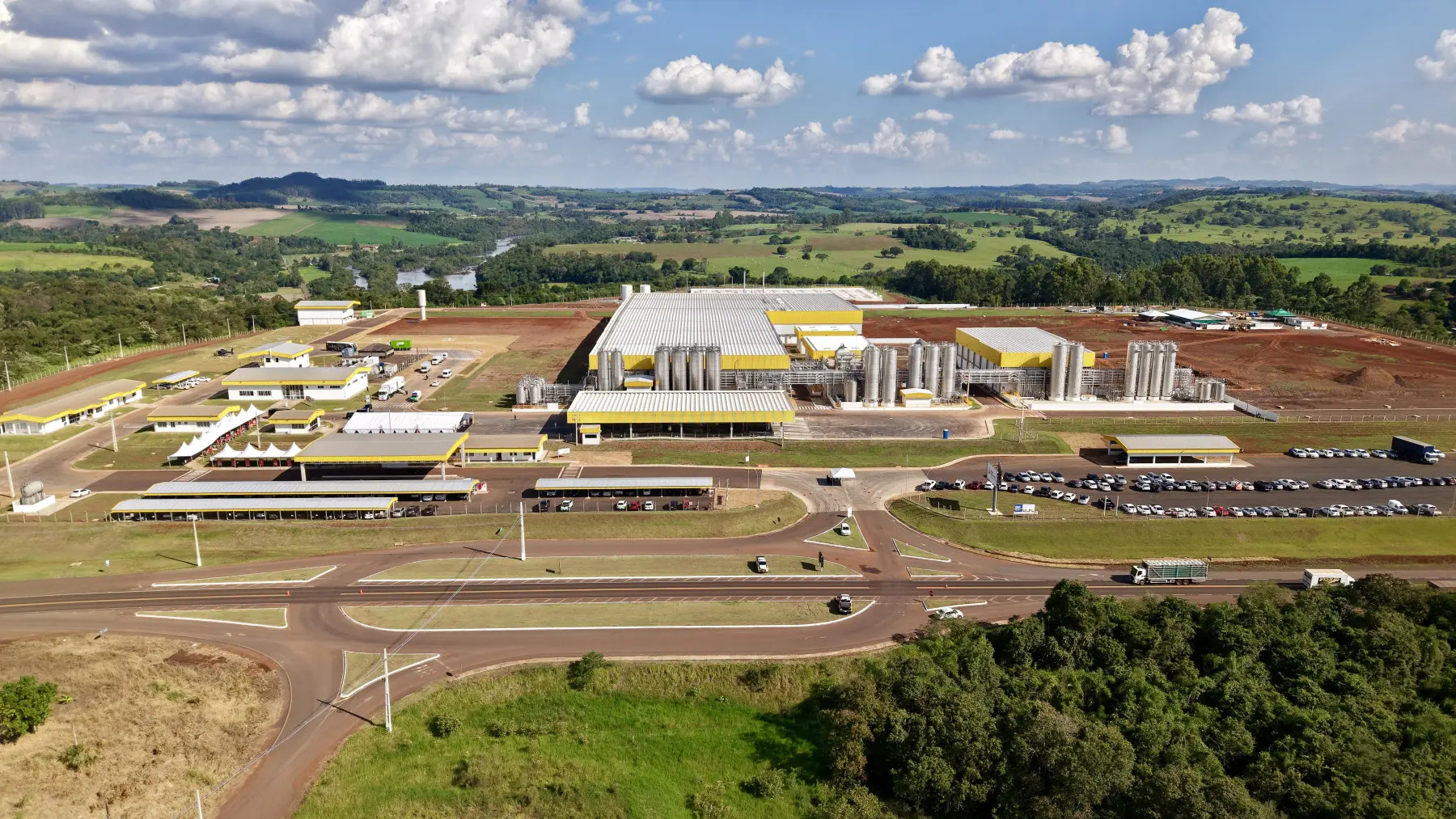
With an investment of R$ 612 million, a capacity to process 1.2 million liters of milk per day, Piracanjuba inaugurates a mega cheese factory that increases national production, reduces dependence on imports, and repositions Brazil on the global dairy map.
-
Brazilian city gains industrial hub for 85 companies that is equivalent to 55 football fields.

-
Peugeot and Citroën factory in Argentina cuts production by half and opens a layoff program for more than 2,000 employees after Brazil drastically reduced purchases of Argentine vehicles.


For Franco, the learning was lasting. Today, the independent Central Bank and the regulated banking system prevent fiscal imbalances from turning into explosive inflation. This means that, by 2050, price stability should be preserved—a crucial starting point for development.
The Persistent Fiscal Challenge
Despite monetary advances, the Brazilian economy still suffers from difficulties in controlling public spending. Franco criticizes the way the budget is constructed: lawmakers approve unrealistic expenses without indicating compatible revenue sources. This practice generates recurring deficits and puts pressure on public debt.
It is expected that, by 2050, the country will be forced to deeply reform its budget structure, creating stricter rules to balance expenses and revenues. Without this, the Brazilian economy will continue to face high interest rates and low growth.
Productivity: The Path to the Future
If monetary stability is consolidated, the key to the future of the Brazilian economy lies in productivity. The country has made little progress in this area over the past few decades, while nations like South Korea have jumped from a level similar to Brazil’s in the 1970s to levels close to those of the United States today.
Franco argues that Brazil needs to invest in trade liberalization, digital integration, and strengthening the most productive companies—many of which are multinationals operating in the country. According to data from the Central Bank, the productivity of these companies is up to 20 times greater than that of isolated companies in the global market.
What to Expect by 2050?
According to Franco, the Brazilian economy will not experience hyperinflation again, but will remain vulnerable to fiscal crises if it does not confront the issue of public spending head-on. The potential for growth exists, but it depends on structural reforms and greater openness to globalization.
He projects that the next 30 years will be better than the last, but warns: without resolving the fiscal problem and without productivity gains, Brazil will remain far from developed country status.
Gustavo Franco’s speech shows that the Brazilian economy by 2050 will be shaped by two major axes: fiscal control and productivity. The country has already learned to control inflation, but has yet to find a sustainable way to grow.
And you, do you believe Brazil will be able to make the necessary reforms to transform the Brazilian economy by 2050? Or will we remain trapped in the old cycle of instability? Share your opinion in the comments; your perspective is essential for this debate.








Seja o primeiro a reagir!