





 Portuguese
  English
  Spanish
  5 min of reading
  5 comments


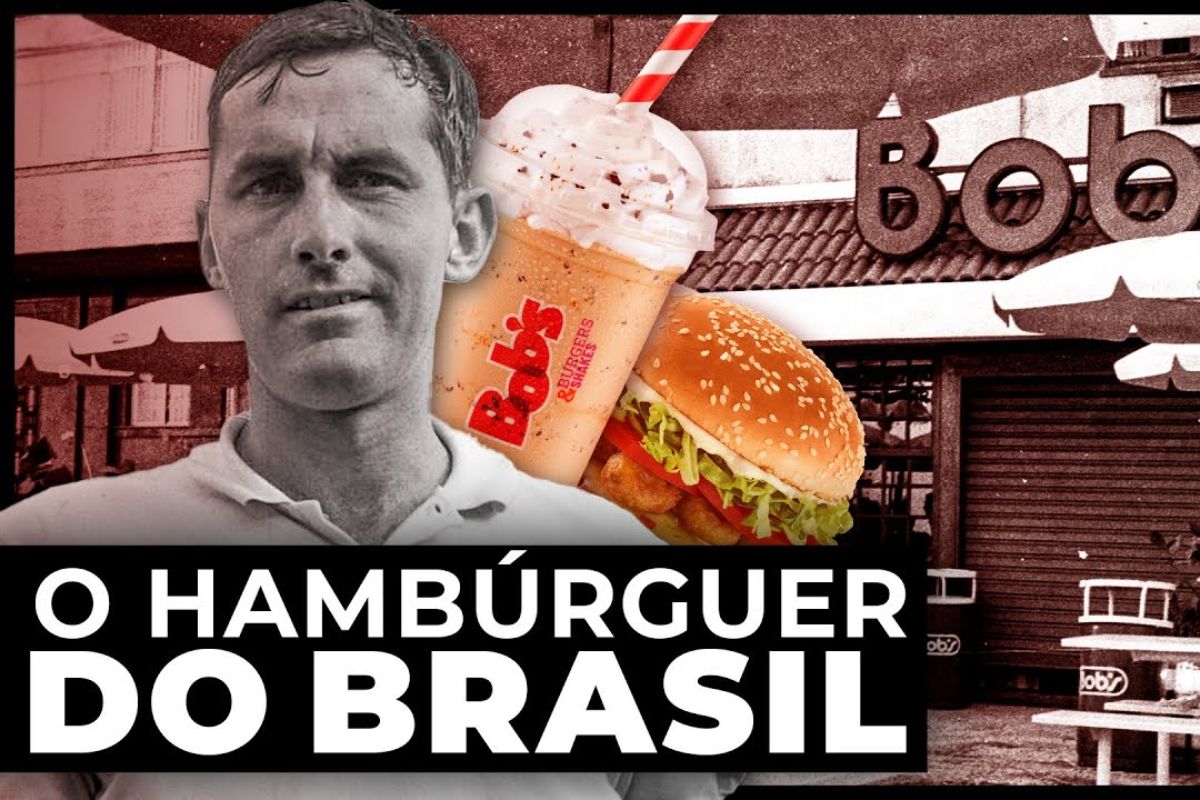


The Story of the First Brazilian Fast Food Begins with a Former Tennis Player in Search of a Milkshake in Rio, Goes Through Menu Innovations, Pioneer Franchises, and Disputes with Global Giants Until It Consolidates a National Chain.
The first Brazilian fast food emerged when the American Robert Falkenburg, Wimbledon champion, realized that he would not find in Rio de Janeiro the milkshake he was accustomed to. From this very concrete absence, he structured a business that introduced hamburgers, ice creams, and a fast service model that would change urban habits.
From the initial ice cream parlor to the stores in Copacabana and Ipanema, the first Brazilian fast food evolved into a chain that, decades later, went through changes in ownership, invested in franchises, faced the arrival of international competitors, and maintained a product portfolio that marked generations. The case helps to understand how consumption, logistics, and brand combine to create scale.
Who Founded It and Why the Idea Became a Business
The former tennis player Robert Falkenburg landed in Rio in the 1940s, winner at Wimbledon, and transformed a simple frustration, the lack of a good milkshake, into an opportunity.
-
These living root bridges and ladders are over 700 years old and help indigenous people survive in one of the rainiest regions in the world.

-
From sertanejo star to international investor: Ana Castela invests millions in a mansion in the USA, creates a themed accommodation in Orlando, and shows that the “boiadeira” also wants to grow away from the stage.

-
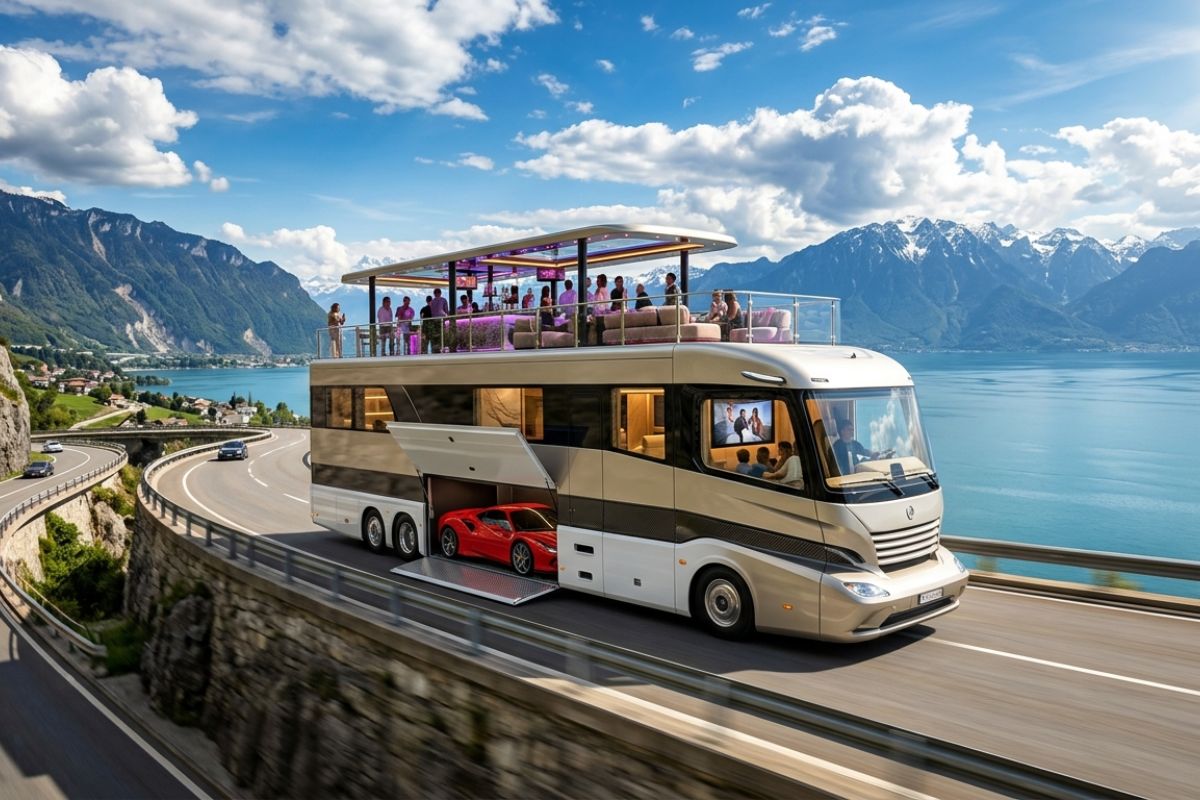
The 10 most stunning motorhomes in the world: a $3 million trailer with a rooftop nightclub and garage for a Ferrari, “palaces on wheels” with Italian marble, private cinema, and five-star hotel luxury for billionaires.
-
Trump wanted to spend $400 million on the White House, but the courts prohibited the million-dollar construction.


In 1950, he opened an ice cream parlor, developed his own recipe, and began to expand the menu with sandwiches, hot dogs, and, according to reports of the time, the first hamburgers served in a standardized way in the country.
The operation started artisanal, but already with a process vision.
There was a lack of supplies and equipment, so the entrepreneur imported machines, set up a logistics base, and centralized production.
This initial verticalization provided predictability of quality and supply, a rare step in the food retail of that period.
From the Counter to the First Stores and Iconic Products
The first phase of the first Brazilian fast food consolidated stores in Copacabana and Ipanema, with fast service and a streamlined menu.
The shelf of novelties included the Ovomaltine shake, launched in 1959, which combined sensory appeal with repeatable preparation, exactly what fast food models require.
The store format prioritized preparation time, standardization, and flow, principles that anchor productivity and margin.
The phone rang little in the beginning, but the clientele grew through experience repetition.
It was the embryo of what would later become network expansion.
Changes in Ownership and the Franchise Era
In the 1970s and 1980s, the business changed hands and incorporated a franchise system, a still incipient practice in Brazilian food.
The logic was clear: capillarity with shared investment, process manualization, and support in purchasing, marketing, and training.
This stage reinforced the role of the first Brazilian fast food as a pioneer in standardization in the country.
The chain improved the industrial base, adjusted suppliers, and formalized routines that allowed opening stores with a shorter learning curve, reducing errors and ensuring cash predictability.
Global Competition and Portfolio Restructuring
The arrival of international chains raised the bar.
The market began to demand speed, efficient pricing, and continuous innovation.
In response, there was corporate restructuring, cost reviews, sale of non-essential assets, and outsourcing of production steps to certified suppliers, preserving the consistency of the brand at the point of sale.
At the point of sale, the strategy combined new store formats, kitchen optimization, and presence at high-traffic events, which accelerates turnover, increases visibility, and pressures operational efficiency.
The first Brazilian fast food remained competitive by adapting the menu and layout to each location.
The Ovomaltine Case and the Weight of Brand Agreements
In 2016, the exclusivity of the Ovomaltine shake shifted to a global competitor, which required a quick reaction.
The chain renamed the product to Crocante, maintained the sensory profile, and secured the preparation process to avoid losing sales traction.
The episode illustrates how co-branding agreements influence perception and average ticket.
The strength of the first Brazilian fast food lay in treating the disruption as a portfolio risk and recalibrating communication and recipes without altering the customer experience.
Scale, Results, and National Presence
With over a thousand stores spread across the country and R$ 1.3 billion in revenue in 2022, the chain consolidated its capillarity with a focus on medium-sized cities and high-traffic commercial centers.
The franchise model supports disciplined growth, while company-owned stores serve as operation laboratories, menu testing, and training.
Governance combines standardization and local adaptation.
Purchasing, logistics, and quality processes are centralized, but mix and communication adjust to the consumption profile of each location.
This combination is central to any chain that aims for sustainable scale.
Why This Story Still Matters to the Market


The first Brazilian fast food showed that availability gap can become a category, that process and brand go hand in hand, and that franchise is a technology of expansion, not a shortcut.
The case also highlights the value of supplier management, brand contracts, and learning curve, intangible assets that protect margin in adverse cycles.
For the consumer, the legacy is the popularization of fast service habits and the democratization of products previously rare in areas outside the tourist axis.
For the sector, it proves that operational innovation, not just advertising, sustains decades of relevance.
The trajectory of the first Brazilian fast food begins with an absent milkshake, goes through verticalization, franchises, disputes for menu icons, and fine adjustments to operations.
It is a living manual of how to turn need into process and process into scale.
And you? What is your most memorable recollection of the first Brazilian fast food: the classic hamburger, the shake that set a trend, or the neighborhood store that became a meeting point? Share in the comments and compare experiences from the past and today.








Muito chato
Minha paixão .milk-shake ovomaltine com chesburque, encontro com a turma na praça do lido em Copacabana, comíamos no Bobs e ficavamos papado ate as 22hs Afinal eramos adolescentes. Bobs meu companheiro de delícia é Boa lembrança .obrigada
Ponto de encontro