Portuguese
  Spanish


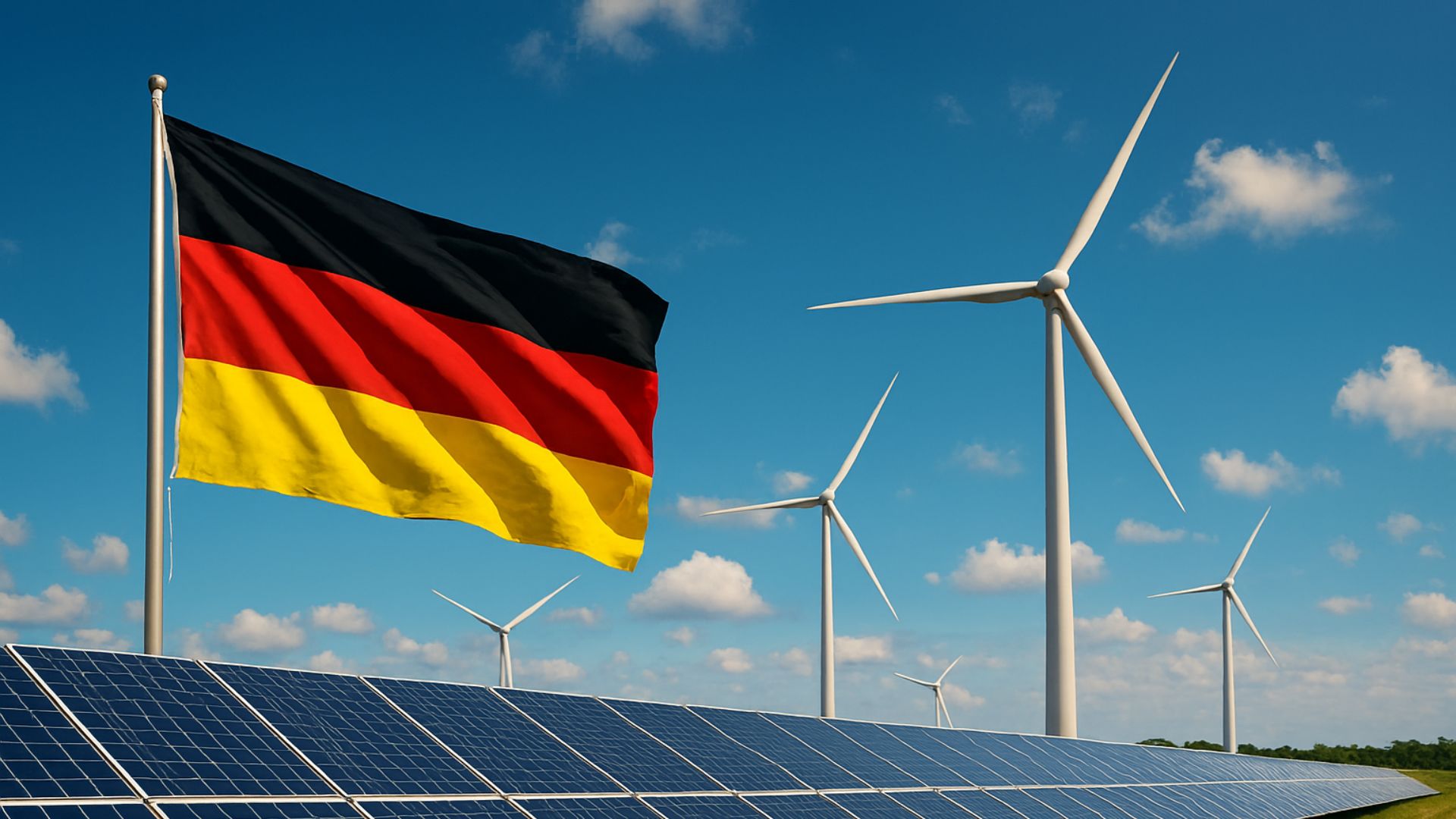


Germany Faces High Electricity Bills in 2025 After Renewable Energy Surplus Pressures the Electric System. Understand How the Expansion of Solar and Wind Energy Reveals Failures in the European Model
Germany is experiencing an unexpected increase in electricity bills due to the surplus of renewable energy, revealing limitations in the electric system and regulatory failures. The information was disclosed by InvestNews this Sunday (30), based on statements from EON CEO Leonhard Birnbaum in an interview with the Sueddeutsche Zeitung newspaper.
According to the company, solar and wind energy generation has grown so rapidly that the electrical infrastructure can no longer absorb all the production, forcing cuts, financial compensations, and transfers that go directly to the consumer. The paradox is striking: even with more clean energy available, prices are rising.
Overload on Germany’s Electric Grid with Renewable Energy
According to InvestNews, EON warned that several areas of the country have reached the “physical limit” of the grid. This means that the electric system cannot receive all the renewable energy produced, especially on days of high solar and wind generation.
-
Green Hydrogen Projects in Northeastern Brazil Stalled for 18 Months Awaiting Government Decree, Delaying Billions in Investments

-
Brazil Concludes Largest Energy Auction in History, Secures 18.97 GW and Mobilizes $12.8 Billion to Ensure Supply Until 2031
-
How Norway Produces More Energy Than It Consumes with Nearly 1,800 Hydropower Plants and Over 1,100 Reservoirs

-
Axia Energia Invests $280 Million in Q1, Increases Investments by 36%, and Turns Loss into $740 Million Profit


When the grid is overloaded, renewable plants are required to reduce their production. Thus, the government and distributors pay compensations to the operators of these plants. In turn, these additional costs end up being incorporated into the electricity bill of the population. The problem is not in generation, but in the infrastructure’s inability to handle the new energy reality.
Accelerated Growth of Renewable Energy Pressures Costs
Germany has surpassed the 60% mark for renewable energy participation in its electrical matrix. This figure shows that the country has advanced rapidly — but without matching this growth with equal investments in transmission infrastructure.
The CEO of EON stated that this progress requires “a redesign of incentives,” suggesting that new subsidies for solar and wind energy may be counterproductive while the grid is unprepared. The expansion of renewable generation has ceased to be just an environmental issue — it has become an operational challenge.
For many experts, the country is experiencing a clear example of how the energy transition needs to be balanced. Without proper planning, even an excess of clean energy can create distortions.
Structural Failures of the European Electric System
The overload in the German system is not an isolated situation. In 2025, Euronews pointed out that about 500 GW of renewable capacity in Europe remain disconnected or underutilized due to insufficient transmission infrastructure.
This difficulty shows that the problem is continental. Generation is growing faster than the modernization of the grids. Thus, entire regions are losing energy that could be used, stored, or transmitted to other consumer centers.
This technical bottleneck also increases costs. The compensations paid to renewable operators, although necessary to maintain the legal security of investments, pressure tariffs and increase consumer dissatisfaction.
The Role of Solar and Wind Energy in the Rise of Electricity Bills
Although they have become cheaper over the years, solar and wind energy have characteristics that require robust grids. Irregular production concentrated at certain times of the day causes generation peaks that the German system is still unable to fully absorb.
When generation exceeds transmission capacity, turbines and panels need to be temporarily turned off. This means that part of the cheap and clean energy is lost while the consumer pays for infrastructure that has not kept up with this advancement.
Moreover, when wind generation falls, Germany still needs to activate gas-fired plants. The price of gas — highly sensitive to the market and geopolitics — influences the marginal cost of energy. Thus, even with high renewable production, low periods end up raising average prices for the consumer.
European Market and Regulation Directly Influence Electricity Bills
Energy tariffs in the country depend not only on generation but also on old regulatory structures. According to Clean Energy Wire, the German government recently revised grid fees, redistributing costs between regions with higher and lower volumes of renewable energy.
This adjustment reduced inequalities but increased the final price for many residential consumers. It is the kind of impact typical of the energy transition: long-term benefits contrast with short-term costs.
Furthermore, the European pricing model dictates that the last source used — usually gas plants — determines the market price of energy. On days of low renewable generation, this inflates the tariff and directly affects the population.
Social and Economic Impacts Within Germany
The increase in electricity bills concerns both consumers and industries, which already face competitive challenges due to high costs. Sectors dependent on high volumes of electricity become even more vulnerable, as rising operational expenses diminish global competitiveness.
This situation also raises questions about the pace of the energy transition. Although environmentally necessary, its execution needs to be balanced to avoid unexpected impacts on the population’s finances.
Consumer frustration grows when the promise of cheap clean energy does not materialize immediately.
Investments in Renewable Energy and Their Paradoxes
The German case reveals that the accelerated adoption of renewable energy demands broader and more integrated planning. Generating clean energy is not enough: it is essential to have smart grids, storage capacity, and regulatory mechanisms that prevent price distortions.
Moreover, several points stand out:
- The expansion of clean sources must be accompanied by equivalent investments in infrastructure.
- The electric system should not rely on fossil sources to determine prices, especially during low renewable periods.
- Public policies need to be updated to align incentives, costs, and responsibilities.
- The consumer must be protected from excessive transfers while the system is transitioning.
As the data shows, renewable energy is essential for climate goals, but its integration must be done in a structured manner. Otherwise, the electricity bill rises even in a scenario of energy abundance.
Possible Paths to Avoid Further Tariff Increases
The German experience indicates possible solutions to mitigate the impact on consumers:
- Modernization of the electric grid to support peaks in solar and wind generation.
- Expansion of batteries and storage systems, avoiding waste and instability.
- Review of regulatory models, ensuring more efficient incentives and more predictable tariffs.
- International interconnections, allowing excess energy to be transmitted to neighboring countries.
- Smart tariffs, adjusting prices according to supply and demand.
These actions enable better use of available renewable energy and reduce pressure on consumers.
Importance of Balancing Sustainability and Cost for the Future
The situation of 2025 shows that Germany is at a critical point in the energy transition. The clean generation has advanced faster than the infrastructure, creating undesirable short-term effects. However, the scenario does not indicate that renewable energies are the problem — rather, they need greater structural support.
By improving grids, regulating the market, and expanding storage solutions, the country will be able to fully leverage its renewable resources. Only with this balance will it be possible to achieve affordable, sustainable, and stable energy for all.