





 English
  Francês
  Alemão
  Italiano
  Japonês
  Norueguês
  Portuguese
  Spanish
  3 min of reading


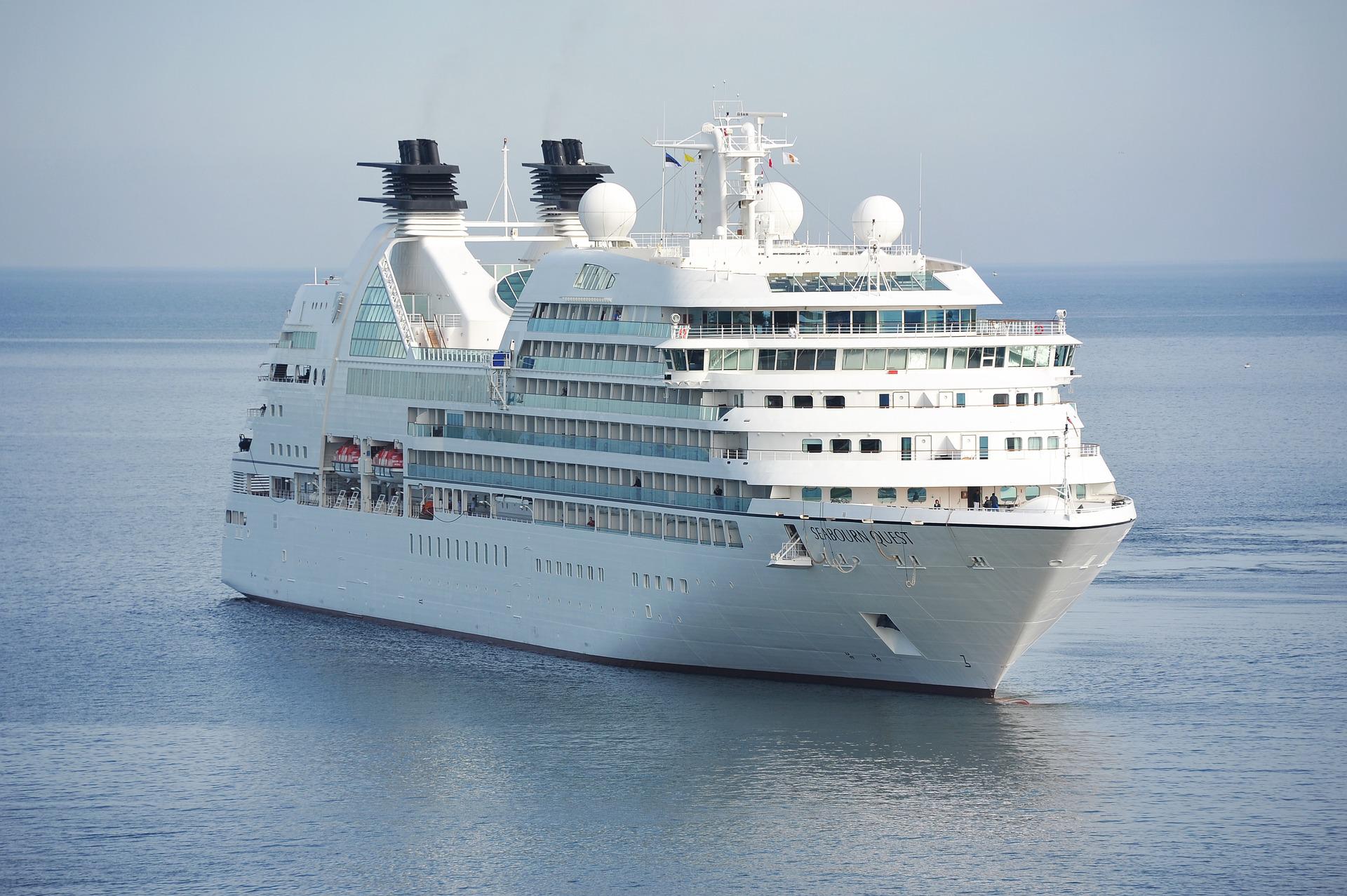
DUX Reached Out to Click Petroleum and Gas Advisory to Discuss One of Its Products: A Sustainable and Biodegradable Substance That Could Be Used to Dilute Ammonia in the Environment and Make It Non-Toxic for Both Humans and Local Fauna and Flora. This Could, in the Long Term, Be a Viable Alternative for the Offshore Market to Reduce Carbon Dioxide Emissions.
The product developed by the company can be widely used as an alternative to decompose ammonia, studied by large companies for maritime transport, such as Bureau Veritas and TotalEnergies. Recently, the two multinationals announced research showing that ammonia is among the “greenest” components for the production of maritime fuel. However, according to both, there is no product capable of diluting and ensuring safety in case of leaks. The only hurdle preventing ammonia from being used as fuel is safety offshore. However, DUX has a product that could be used for this purpose.
“The use of ammonia in maritime transport has been widely studied and debated as an alternative for transforming this transport into a clean and carbon-neutral means. Reducing emissions from maritime transport is a vital component in the fight against global climate change, even though greenhouse gas emissions from the global maritime sector are on the rise,” says Marcelo Spaziani, CEO and co-founder of DUX.
DUX Claims That the Created Component Contains Biodegradable and Sustainable Products. The Use of Ammonia as Maritime Fuel Could Significantly Reduce the Amount of Carbon Dioxide Released into the Environment by Offshore Companies!


The technology created by DUX, which could be widely applied for sustainable maritime transport to promote the reduction of carbon dioxide emissions into the environment, has already been patented globally by the chemical institution.
-
With 160,000 m² of collectors, an area larger than 20 football fields, Silkeborg, in Denmark, hosts a solar thermal plant that heats 19,500 homes and could become the largest solar heating plant in the world.

-
A study reveals the expansion of renewable energy procurement in Brazil and shows how companies are taking advantage of opportunities to reduce expenses, ensure energy efficiency, and strengthen strategic environmental commitments.

-
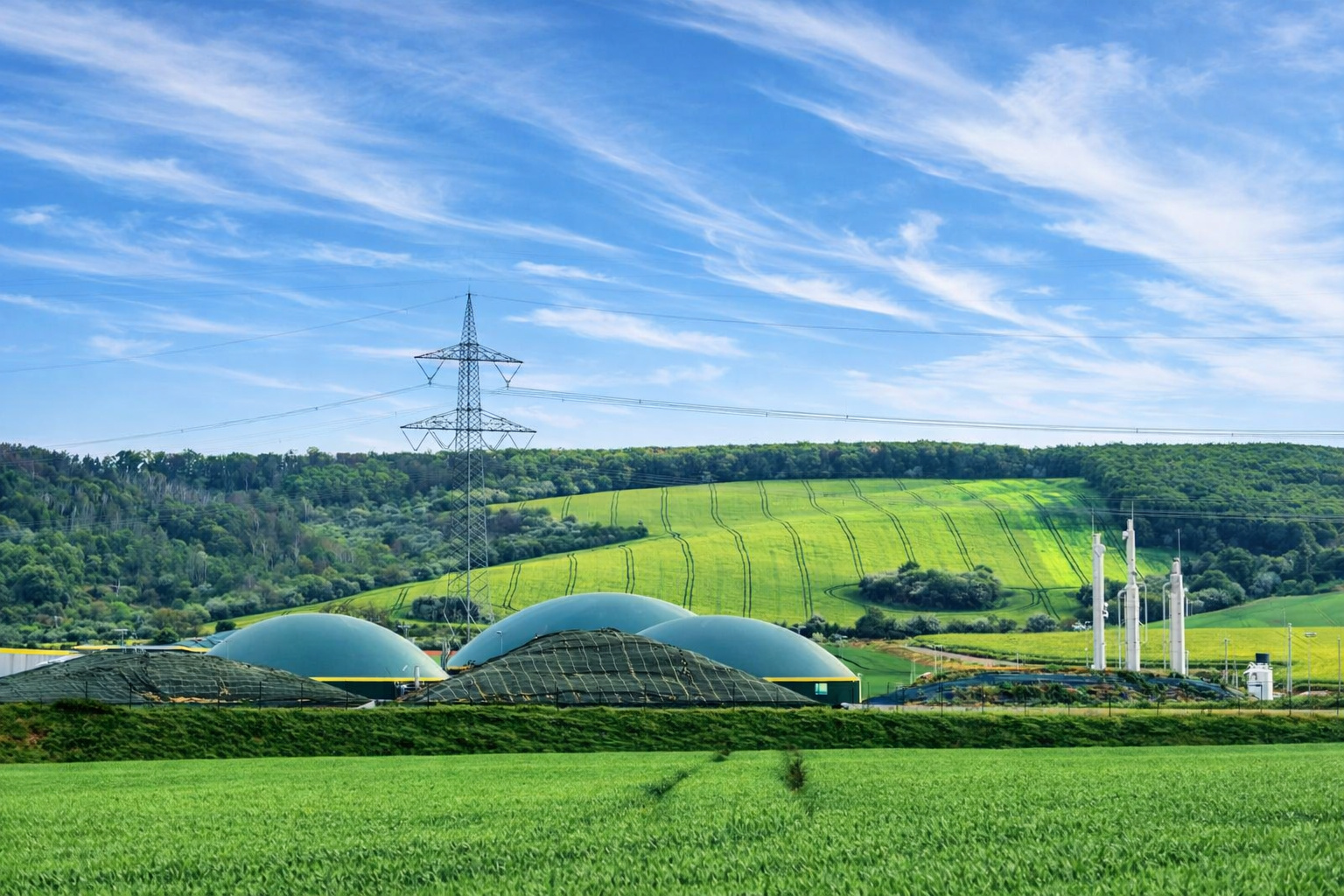
Brazil accelerates decarbonization in the South: International forum in Foz do Iguaçu gathers leaders to discuss the advancement of biomethane in the energy matrix and the potential of “caipira pre-salt.”
-
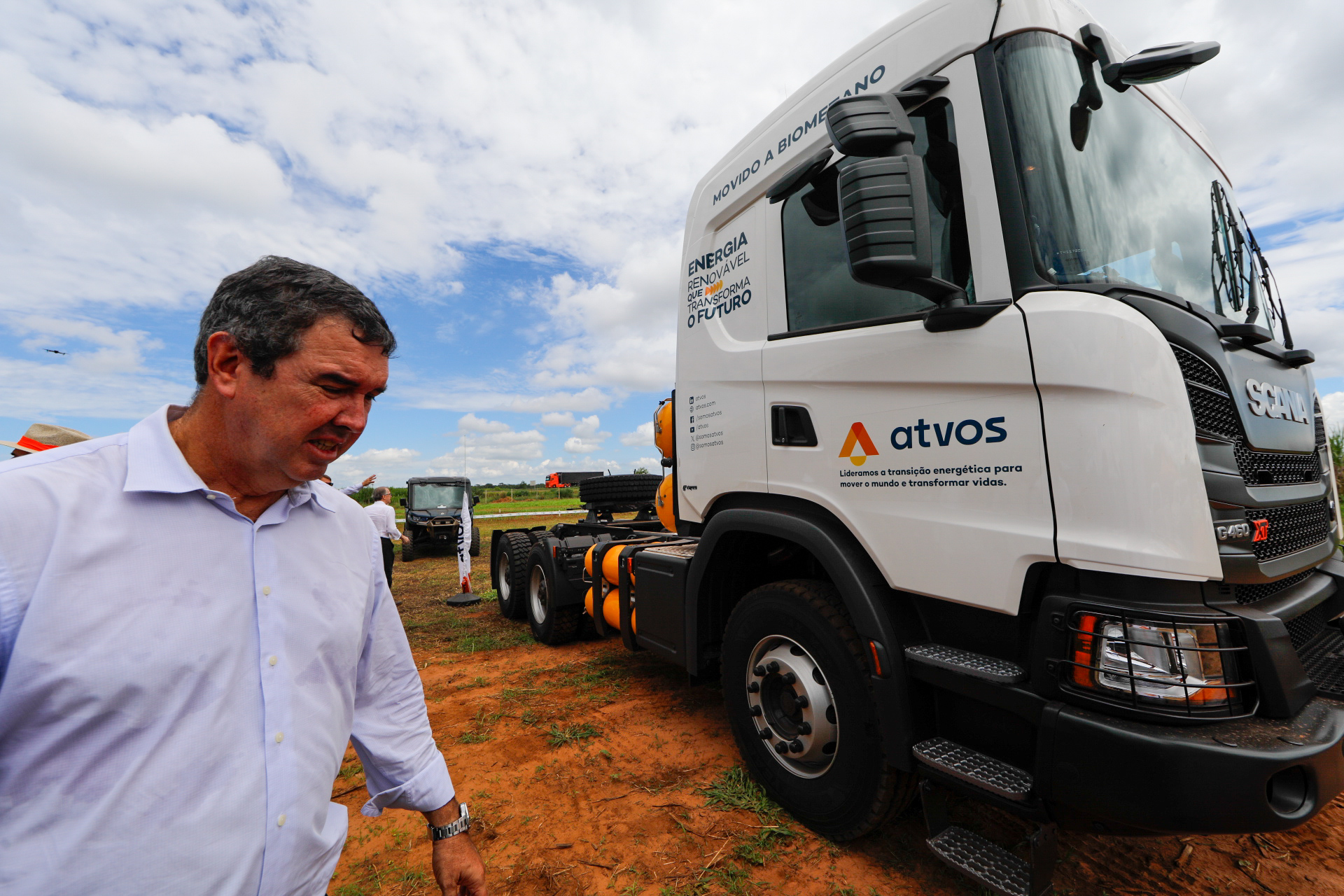
Mato Grosso do Sul excels in the sugar-energy sector: the state reaches a milestone of 22 operating mills and accelerates the production of clean energy in MS with a focus on sustainability.

The CEO, Spaziani, states: “When it comes to an innovation that is directly related to the safety of people who transit in these areas, it is essential to have 100% effective and especially viable solutions. Dux Grupo created the Gas Solution Safe, a patented and unique technology in the world, highly effective and with the capability for immediate neutralization of ammonia in liquid or gaseous state. The gas neutralization action is irreversible, immediately disinfecting the areas and neutralizing 100% of the gas, and the compounds resulting from this neutralization are water and a salt, non-toxic and biodegradable, which can be discarded without causing environmental impact.”
The Gas Solution Safe, developed by the company, can react with ammonia irreversibly in order to reduce the impacts left by it in the environment in case of use by the industry, having the ability to be discarded without causing environmental impacts.
About DUX
“Dux Grupo, in its 11 years of existence, has always had as its principle the support of innovative initiatives that generate increasingly sustainable products for human health. All our solutions available in the market are biodegradable and non-toxic, made from natural and organic products, and aimed at minimizing harm to nature. For this reason, we view another initiative for alternative and clean fuels positively. One of the biggest challenges for the implementation of ammonia as an alternative fuel would be the issue of safety. As we know, ammonia is a gas highly toxic to humans. Therefore, assessing the risks that passengers and the crew in general could be facing when using this new type of fuel is crucial,” says Spaziani.






Seja o primeiro a reagir!