






 Portuguese
  Spanish


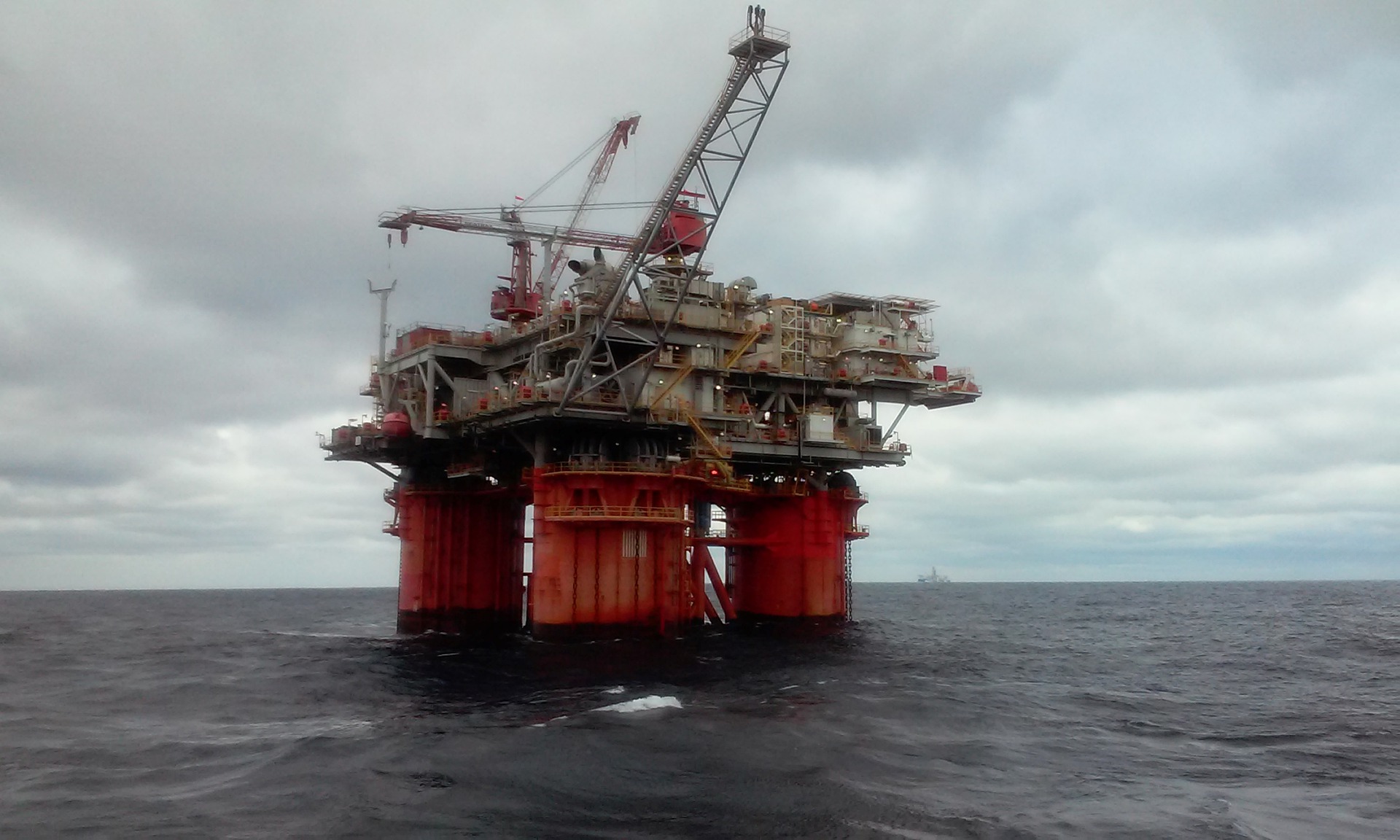
The Goal of the Energy and Multinational Company TotalEnergies Is to Reduce Carbon Dioxide Emissions in the Environment and Place the Offshore Sector at the Center of Innovations in Sustainable Research for Fuel Substitution
TotalEnergies announced that it is conducting a study in partnership with Bureau Veritas (BV) in order to develop a more sustainable ammonia fuel, in order to reduce costs for maritime fuels and decrease carbon dioxide emissions into the environment. The focus of the research is to develop strategies and techniques to prevent leaks in the ocean. Ammonia is naturally eliminated by fish during the protein synthesis process. However, it is highly toxic to humans.
Despite being a highly toxic component, DUX CEO Marcelo Spaziani contacted the press office of CPG (Click Petroleum and Gas) to announce the possibility of using one of its patents for this innovation. According to him, his company created a product from scratch with the function of making the solution non-toxic for living beings: “I am the CEO of Dux, a chemical company that developed and globally patented a biodegradable and non-toxic solution for ammonia neutralization.”
Health Risks and Possible Ocean Leaks Are Points to Be Discussed by TotalEnergies Regarding the Use of Ammonia
The preliminary study, which also involves the participation of the offshore giant BVT, aims to analyze the safety risks of using ammonia as the main fuel source for ships and offshore/onshore companies.
-
Bolivian Female Construction Workers Form Association to Combat Discrimination and 38% Pay Gap in the Industry

-
Near Amsterdam, residents buy land and discover they must also build streets, manage drainage, handle waste, and grow food on half their plot.
-
Without a mansion, without high investment, and without a traditional classroom, a teacher living in a 22 m² house taught students to build a 9 m² studio apartment with the equivalent of R$10,000.
-
Without her own home and pressured by rent, a 25-year-old bought a small 15-meter boat, gradually renovated the interior by herself, transformed the interior with paint, new flooring, a larger bathroom, and started living on the canals, paying much less per month.


With that in mind, the study compares various spill scenarios in order to create a double-edged wall of benefits and drawbacks of its use. To do this, they must consider aspects such as the efficiency of ventilation and steam processing systems, the size of necessary safety zones, and the health risks to individuals exposed to leaks, BV reported.
Ammonia Could Reduce Carbon Dioxide Emissions in the Environment!
According to TotalEnergies, ammonia is seen as one of the main ways to reduce carbon dioxide emissions in the environment. However, it has been presenting safety issues: companies are trying to discover what could be used to neutralize the substance in the maritime environment in the event of large spills, which could endanger local fauna and flora.
The NR 671 Rule Note created by BV is used as guidance for similar tests as those used by multinationals to implement LNG as fuel for ships, even though it is not a viable and sustainable alternative, as stated by the CEO of Dux: “there was talk about using LNG, but in my view it would not be economically viable.”
One of the first tests conducted by the partner companies was related to the release of small concentrations of ammonia into the environment to discover what impacts it could cause. LNG was used as a contrast for comparisons, to determine if ammonia was being more beneficial than it.
Finally, LNG is less toxic when considering current technologies, as it poses health risks when exposure occurs from 50,000 parts per million (ppm), while ammonia presents risks from 30 ppm.








Be the first to react!