





 Portuguese
  English
  Spanish
  4 min of reading
  5 comments


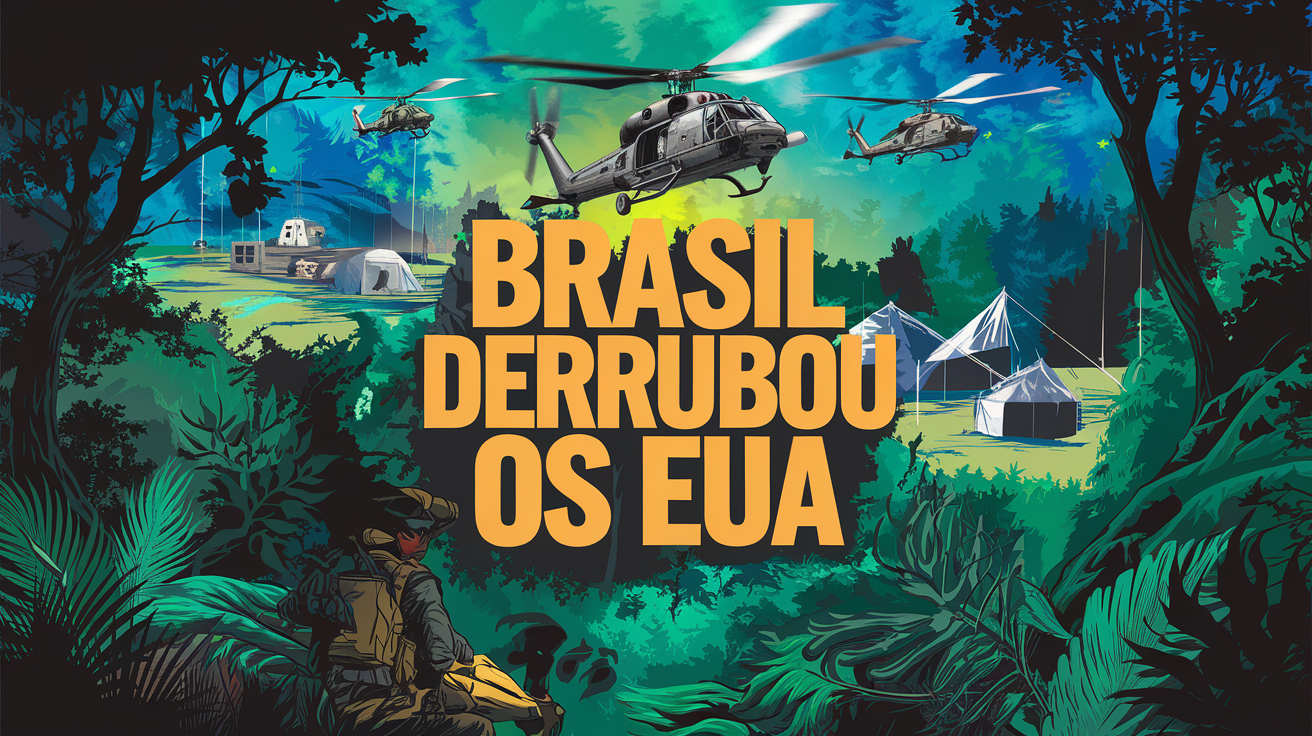


US Troops At The Border, Coveted Niobium And A Threat To The Amazon. In 1993, Operation Surumu Showed The World Brazil’s Strength In Protecting Its Sovereignty And Ensuring Territorial Integrity. Discover How The Armed Forces Frustrated Foreign Invasion Plans And Preserved One Of The Country’s Greatest Natural Wealths.
Behind the dense Amazon Rainforests, in 1993, Brazil experienced an episode worthy of a movie script: American and British troops positioned at its border threatened national sovereignty.
What motivated this maneuver? The international greed for the world’s largest niobium reserve, located in Roraima, and a plan that could have transformed the region into an independent country under foreign control.
Under the leadership of Itamar Franco, then president, and with the Armed Forces on high alert, Brazil gave a strategic and powerful military response, reaffirming its position in the global geopolitical landscape.
-
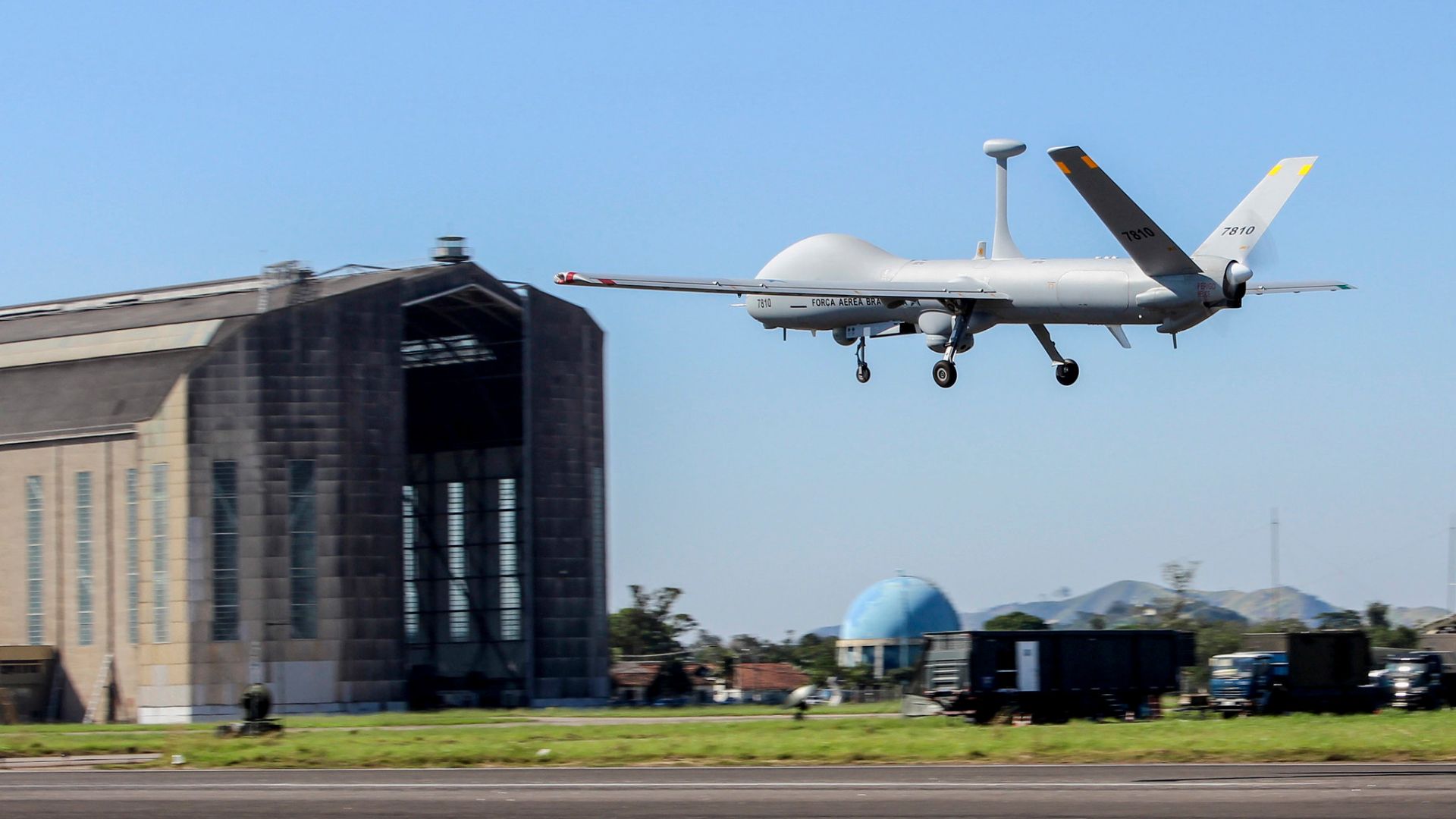
FAB loses Hermes 900 drone during multinational exercise in Mato Grosso do Sul and is left with only one active aircraft, raising concerns about operational fragility and strategic response capability.
-
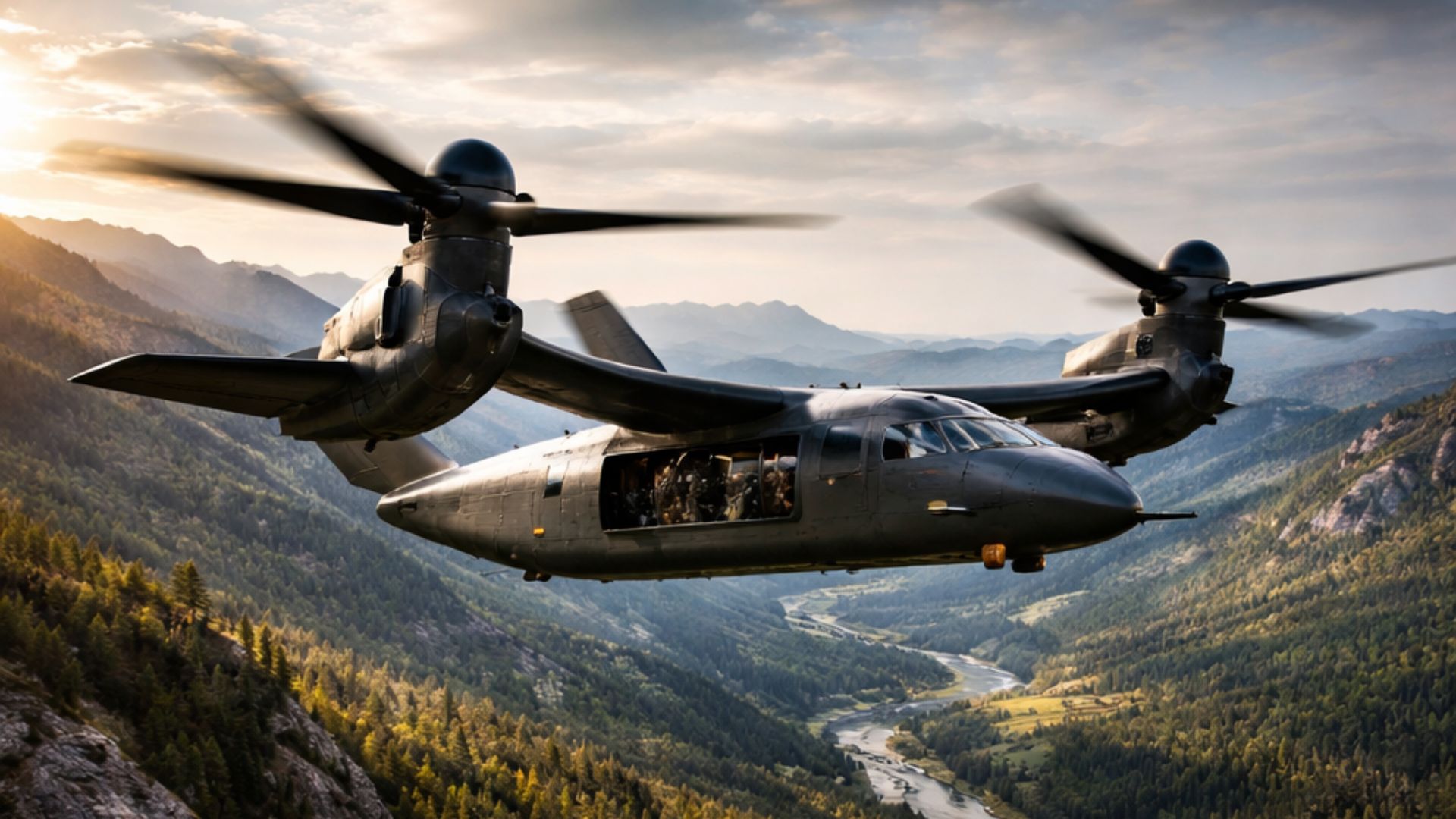
The U.S. Army bets on the multifunctional MV 75 aircraft with cutting-edge technology that promises to revolutionize modern warfare by combining extreme speed, greater range, and unprecedented operational efficiency.
-
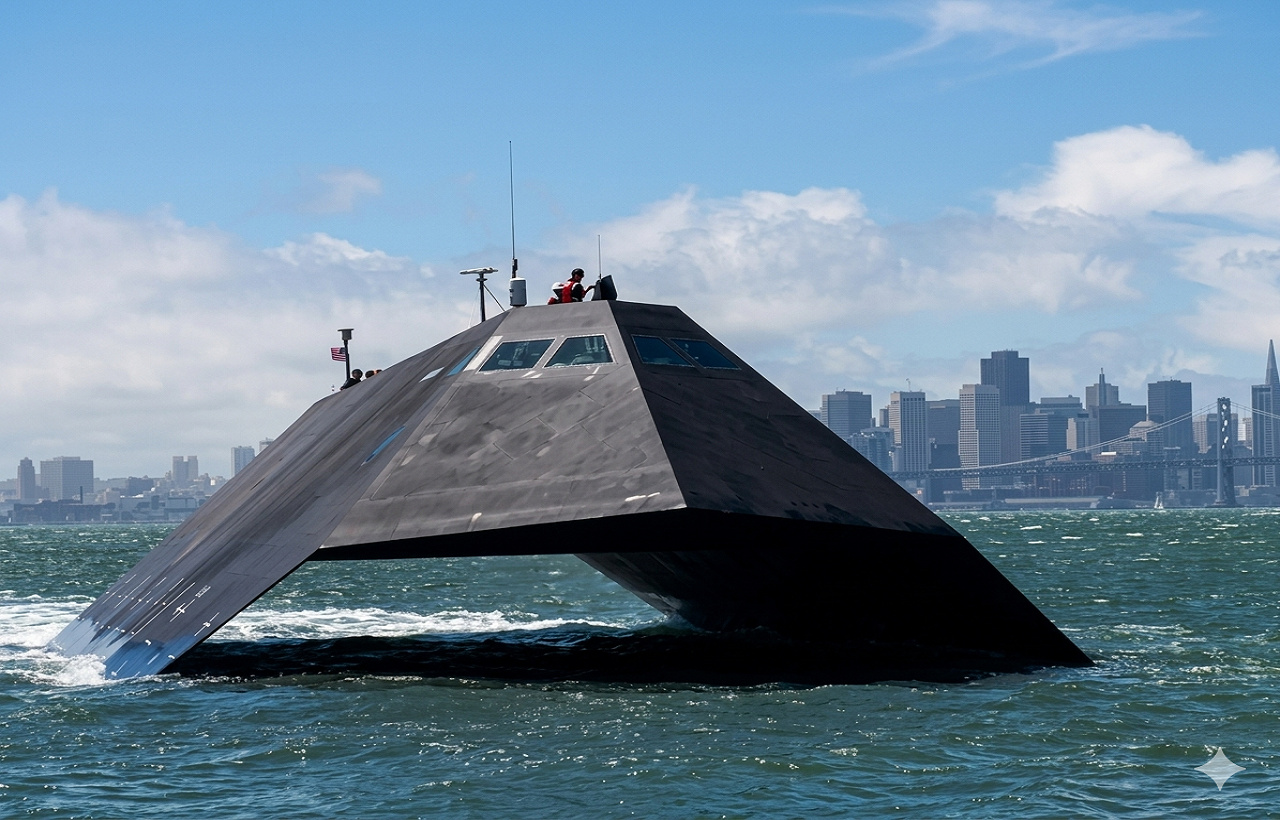
Built in secret inside a barge with a satellite-proof roof, the 49-meter, 560-ton ship with stealth technology deflected radar waves like an F-117 fighter, sailed invisibly for nearly 10 years at night, and, despite costing 170 million dollars, ended up being dismantled and sold as scrap for only 2.5 million.
-
North Korea tests intercontinental range rocket with a 2,500 kN solid fuel engine supervised by Kim Jong Un and advances in a five-year strategic plan.

This is the story of Operation Surumu, an action that not only ensured the territorial integrity of Brazil but also marked a decisive chapter in the defense of the Amazon.
Niobium And International Greed
The Raposa Serra do Sol Indigenous Reserve, located in Roraima, is one of the richest areas in niobium in the world.
This strategic mineral is essential for the manufacture of metal superalloys used in the aerospace and technology industries.
According to the website Sociedade Militar, the mineral wealth of the region attracted the interest of international powers, foreign NGOs, and environmentalists who pressured Brazil to designate the area as indigenous territory.
The international strategy aimed to create an “indigenous country” independent, under the pretext of environmental protection and the rights of indigenous peoples.
This plan would allow for direct negotiations with foreign companies and governments, excluding Brazil from the management of local wealth.
In January 1993, with Bill Clinton assuming the presidency of the US and Al Gore leading environmental initiatives at the UN, this pressure reached its peak.
The Discovery Of An Invasion Plan
On September 8, 1993, Donair, a Brazilian civilian pilot, spotted an unusual military camp on the border with Guyana.
Upon returning to the city of Uiramutã, the tension was already palpable. The sergeant of the local military police quickly reported the occurrence to the 3rd Special Border Platoon of the Brazilian Army, located in Pacaraima.
Meanwhile, information reached the Brazilian government about two American and British warships docked in the Caribbean, with transport helicopters moving troops to unknown locations.
When an Army captain flew over the region the next day, the presence of about 600 American and British soldiers on Guyanese soil, armed and strategically positioned, was confirmed.
C-130 American aircraft were seen landing on makeshift runways nearby, bringing in more troops. The situation was alarming, requiring a swift and powerful reaction.
The Response Of The Armed Forces
With the discovery of foreign military movements, the command of the Brazilian Armed Forces triggered Operation Surumu.
According to the website Sociedade Militar, the operation was presented to the media as a military exercise, but in practice, it was a strategic action to protect national sovereignty.
Special forces were discreetly deployed to the region.
Aircraft from the Brazilian Air Force (FAB) dropped 850 paratroopers into the territory, accompanied by F-5M and AMX fighters, providing air support and intimidating any foreign movements.
Jungle infantry troops were mobilized to reinforce the Brazilian presence in the region, while scouts carried out special reconnaissance missions.
The Brazilian Army established trenches and heavy weaponry along the banks of the Maú River, where they faced American and British soldiers.
A Clear Message To The World
Brazil’s demonstration of force was decisive.
According to experts, the firmness of the Armed Forces and President Itamar Franco’s willingness to defend national territory prevented the United States from proceeding with any invasion plans.
The possibility of a direct confrontation, which could have resulted in a conflict similar to the Vietnam War, led the Americans to back down.
Although the approval of the Raposa Serra do Sol Reserve occurred years later, in a different political context during Lula’s government, Operation Surumu left an important legacy.
As analyzed by the website Sociedade Militar, the episode highlighted the importance of a robust defense policy to ensure national sovereignty in the face of international greed for the Amazon’s wealth.
The Impact On Brazilian Geopolitics
Operation Surumu was not just a military response, but a milestone in Brazilian defense policy.
It showed the world that Brazil is willing to protect its natural wealth and the integrity of its territory.
Furthermore, it reinforced the strategic importance of the Armed Forces in preserving the Amazon, a biome that continues to be the target of international interests.
This episode raises an important question: how can Brazil balance the sustainable exploration of its natural resources with the protection of its sovereignty? Share your opinion in the comments!







Sempre que o país precisar estamos a disposição para lutar pela nossa soberana nação,eles sabem que eles não conseguem ver nossos comandos anfíbios durante o dia, imagine durante uma noite,,,vai morrer americano mais que no Vietnã kkkkkklll tv
Agora o maduro que está mexendo aonde não deve está na hora de darmos uma lição nele para mostrar quem manda na aqui
Essa matéria é muito importante para os brasileiros que na época não havia internet parabéns continue mostrando a potência bélica e a bravura dos soldados Brasileiros