





 Portuguese
  English
  Spanish
  2 min of reading
  2 comments


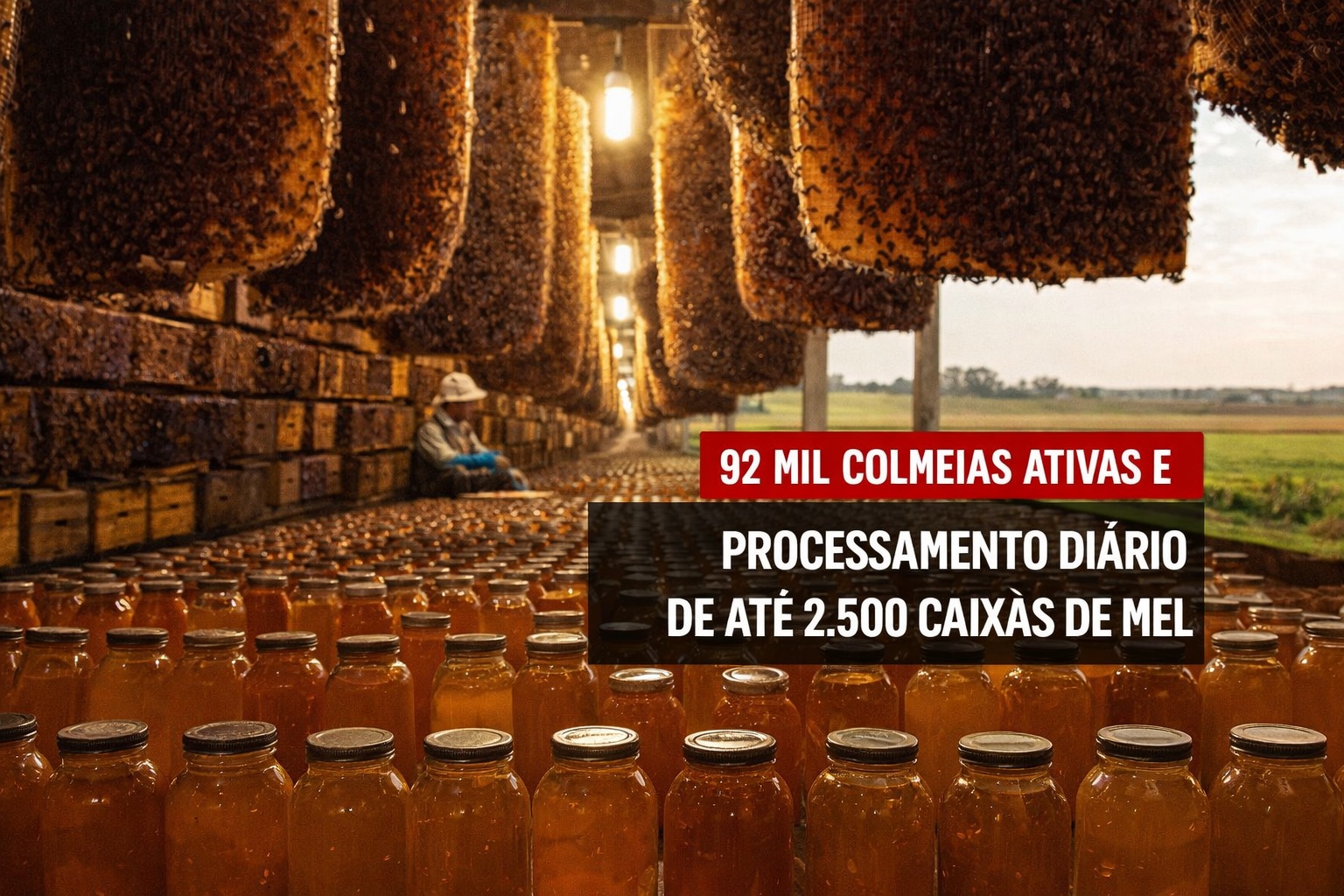


Industrial Beekeeping On A Continental Scale, 92 Thousand Hives, 4.5 Billion Bees, 2,500 Hives Daily, 800-Foot Cliffs, IoT Sensors, And Pollination Between US$ 235 Billion And US$ 577 Billion Defines The Sector
The advancement of industrial beekeeping brings together farms with 92 thousand hives and 4.5 billion bees in South Dakota, traditional techniques on 800-foot cliffs in the Himalayas, and digital technologies, ensuring essential pollination for one-third of global food.
Mega-Hive Operation In South Dakota
A single mega-farm, the renowned Adee Honey Farms LP, manages about 92 thousand hives, totaling approximately 4.5 billion bees, simultaneously meeting large demands for honey and agricultural pollination services.
The operational scale directly connects swarm management to large-scale agricultural production, transforming beekeeping into a strategic link in food chains.
-
The water that almost everyone throws away after cooking potatoes carries nutrients released during the preparation and can be reused to help in the development of plants when used correctly at the base of gardens and pots, at no additional cost and without changing the routine.

-
The sea water temperature rose from 28 to 34 degrees in Santa Catarina and killed up to 90% of the oysters: producers who planted over 1 million seeds lost practically everything and say that if it happens again, production is doomed to end.

-
An Indian tree that grows in the Brazilian Northeast produces an oil capable of acting against more than 200 species of pests and interrupting the insect cycle, gaining ground as a natural alternative in soybean, cotton, and vegetable crops.

-
The rise in oil prices in the Middle East is already affecting Brazilian sugar: mills in the Central-South are seeing their margins shrink just as ethanol gains strength.


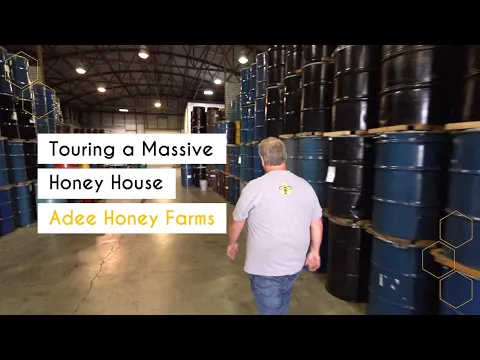

Continuous Industrial Honey Processing
In the facilities, up to 2,500 honey boxes are processed daily in heated rooms, where industrial centrifuges perform standardized extractions with thermal and logistical control.
The continuous flow allows for rapid conversion of the bees’ work into tons of honey ready for distribution, maintaining regularity and operational predictability.
Extreme Honey Gathering On Himalayan Cliffs
On the opposite extreme, honey hunters face cliffs of about 800 feet, using improvised ladders and ropes to reach wild hives.
The practice results in what is known as mad honey, known for inducing hallucinations, while preserving techniques passed down through generations in high-risk environments.
Traditional Beekeeping In 100-Foot Trees (Approx. 30 M)
In regions of Asia and Africa, beekeepers climb trees of approximately 100 feet (approx. 30 m) to access productive colonies, preserving ancestral methods.
In favorable seasons, the activity can yield up to 1.3 tons of honey, sustaining local communities and regional economies.
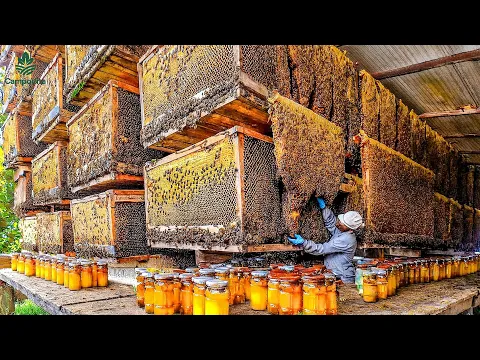
Digital Technologies And Risk Reduction
IoT sensors installed in the hives monitor temperature, humidity, and vibrations in real-time, allowing interventions before critical failures in management.
AI cameras analyze hive entrances and reduce risks by up to 60%, while Flow Hive systems extract honey without opening colonies.
Economic Value Of Pollination And Challenges
Pollination supports crops like California almonds, mobilizing about 2.6 million hives annually for agricultural production.
Globally, pollination performed by bees generates between US$ 235 billion and US$ 577 billion annually, despite threats like Varroa, neonicotinoid pesticides, climate change, and habitat loss.
These factors affect flowering, food availability, and plant diversity, amplifying the importance of integrated management and continuous monitoring for food security.
With information from O Antagonista.









92 hives and 4.5 billion bees? Please fix it.
São colmeias….
Colônias são para formigas…
Mas aunda assim, a matéria fucou boa