





 Portuguese
  English
  Spanish
  3 min of reading
  0 comments


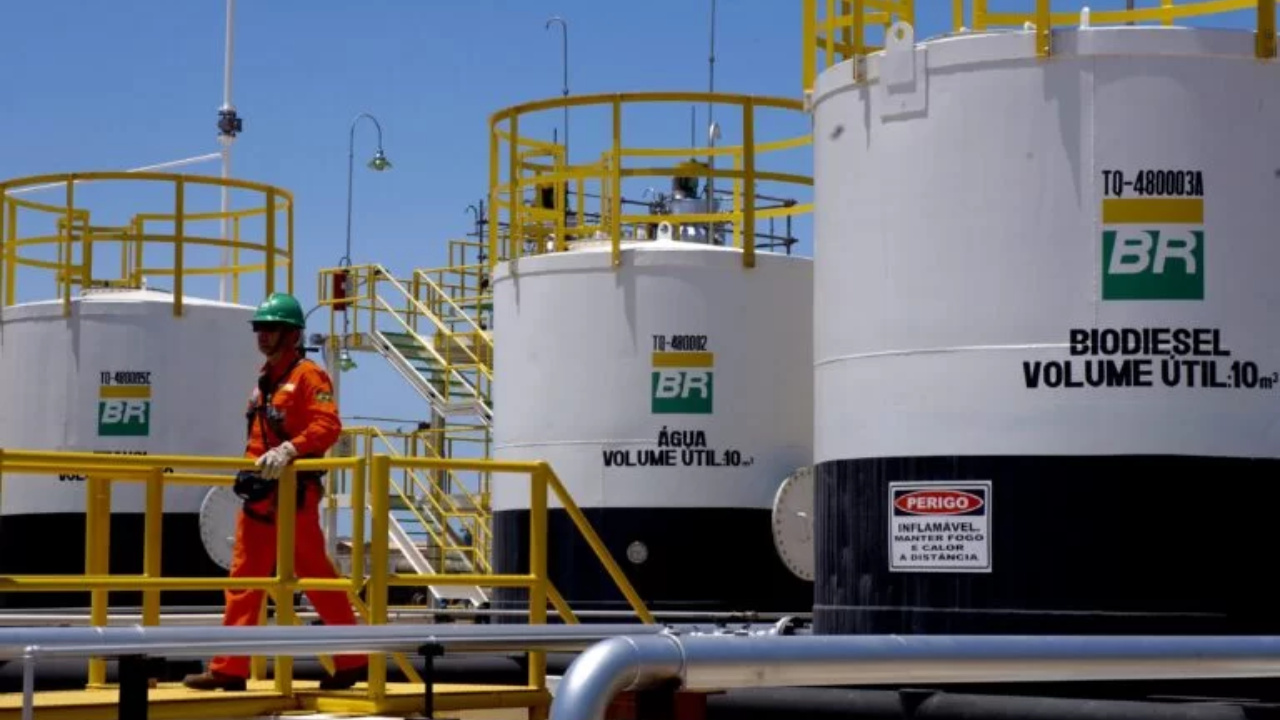
International Report Reveals That Petrobras Leads Oil Expansion in Latin America, While 290 Banks Invested US$ 129 Billion in Fossil Fuels, Raising Questions About Energy Transition.
The discussion about the energy future of Latin America gained momentum with the release of an international report highlighting significant growth in oil exploration in the region. The study, titled The Money Trail Behind Fossil Fuel Expansion in Latin America and the Caribbean, was prepared by the German organization Urgewald in partnership with the Arayara International Institute and provided data that caught the attention of environmentalists and economists, as reported on Thursday, the 2nd.
Between 2022 and 2024, according to the survey, 290 banks financed new oil and gas projects, totaling around US$ 129 billion. Just in new reserve exploration initiatives, the amount reached US$ 28.3 billion. These figures demonstrate that, despite carbon emission reduction targets, fossil fuels continue to receive substantial investment.
Petrobras Leads Exploratory Expansion in the Region
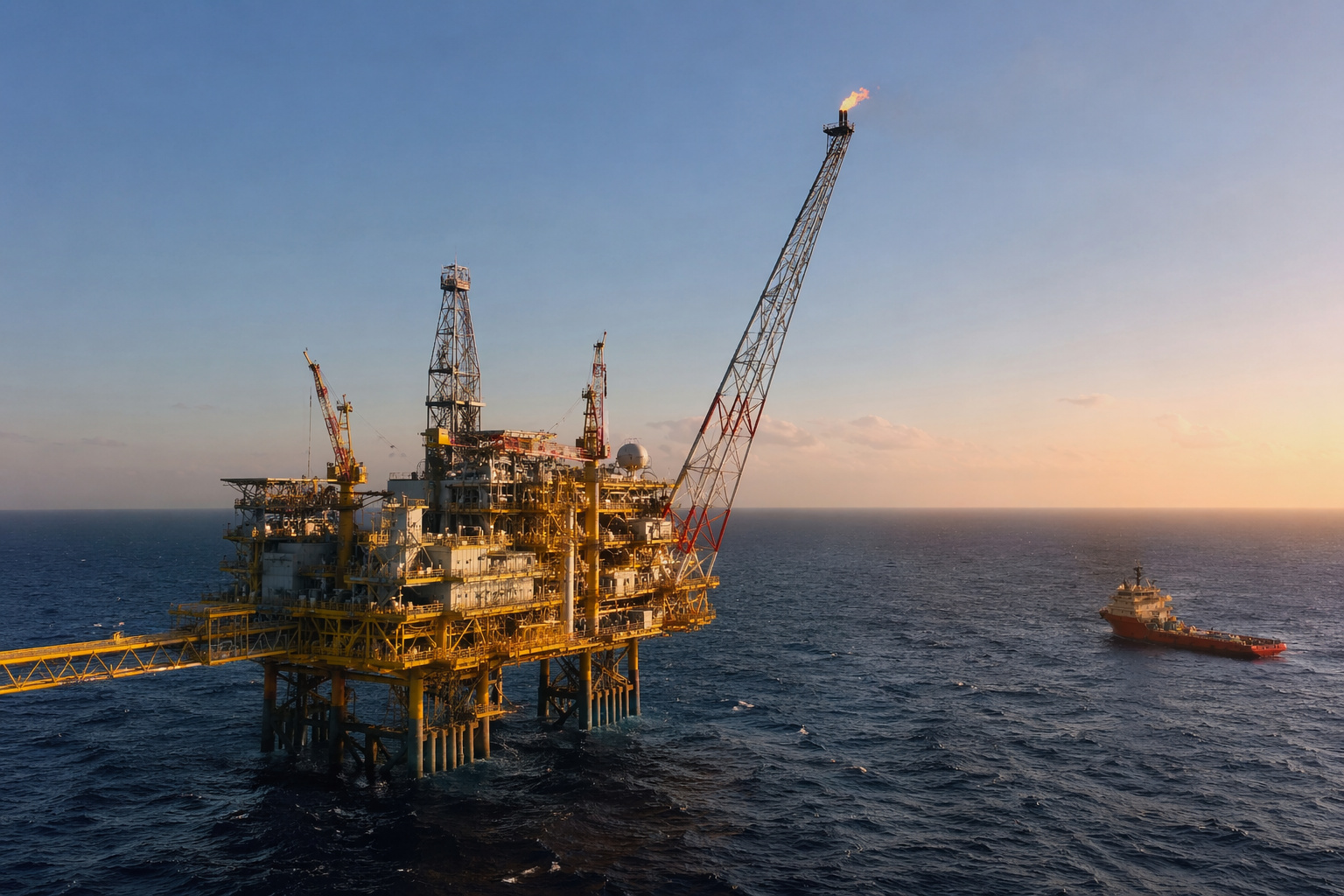
Petrobras emerges as a key player in this context. According to the report, the state-owned company accounts for 29% of the exploratory oil expansion in Latin America. This position places the Brazilian company at the center of the global debate on energy and sustainability.
-
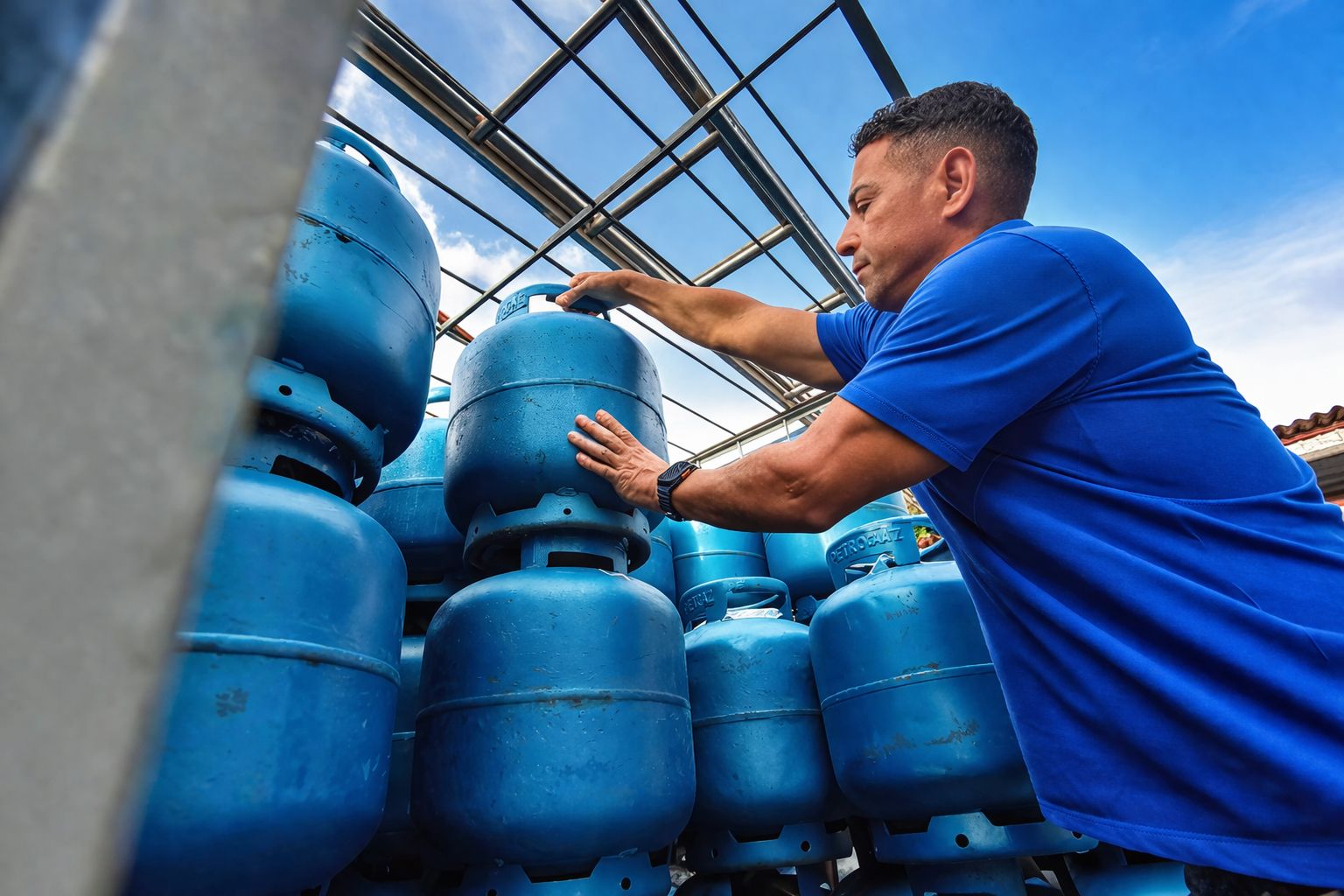
Petrobras confirms that it will reimburse amounts to distributors and return the price difference from the gas auction following a regulatory decision.
-
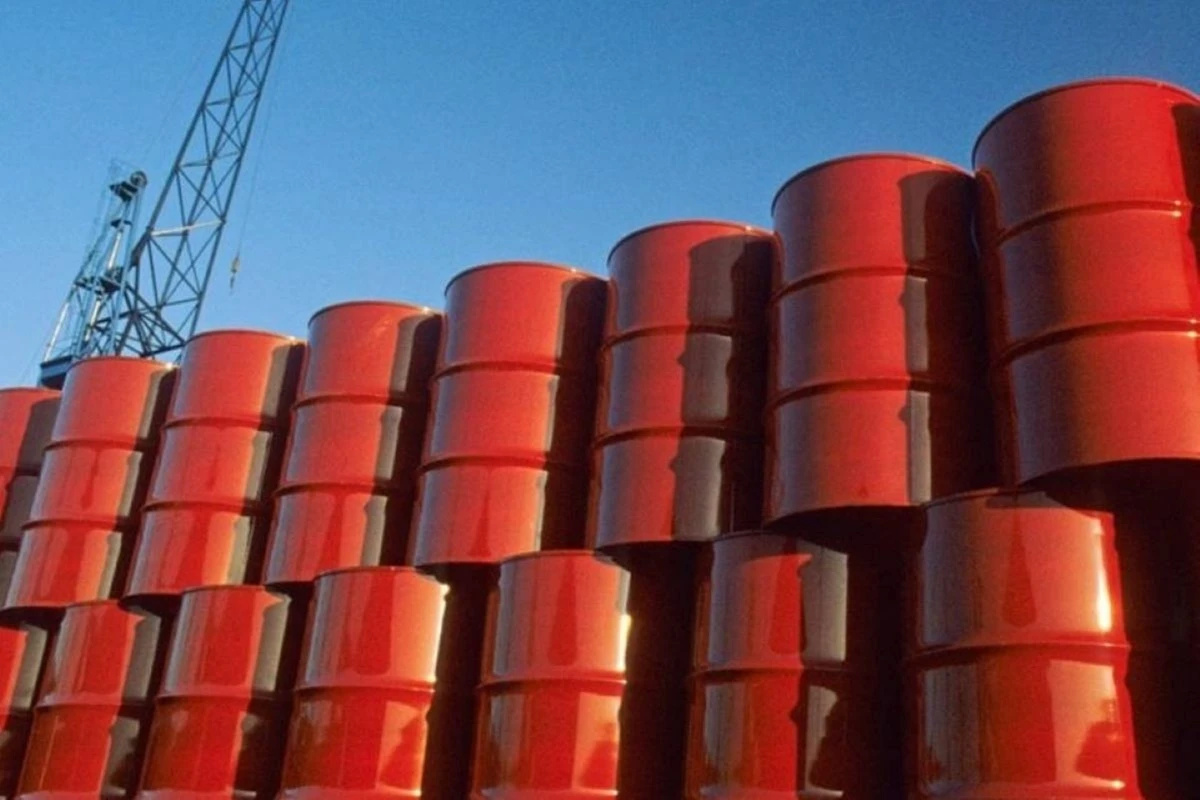
Petrobras buys back fields for billions — what no one is talking about regarding this decision and how it could impact jobs and oil in Brazil.

-
New escalation of tensions and oil crisis in the Middle East forces world powers to accelerate energy transition plans.
-
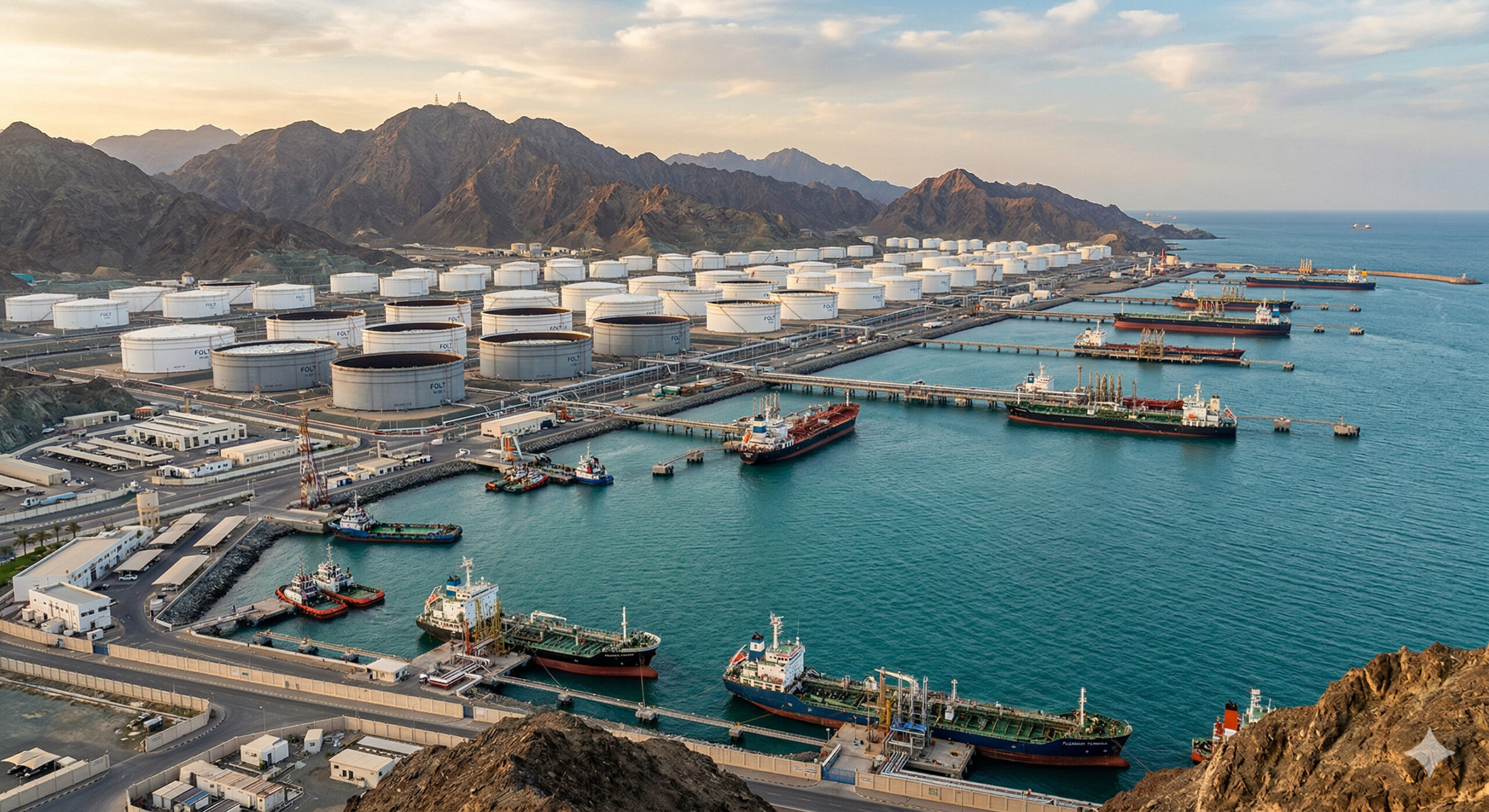
Giant reservoirs with a capacity of 18 million cubic meters have turned Fujairah into one of the largest energy vaults on the planet. This facility, located outside the Strait of Hormuz, stores oil on a colossal scale and has become a silent piece that supports the global flow of fuels.
Nicole Figueirêdo, CEO of the Arayara Institute, was emphatic during the study’s release: “Petrobras continues to expand reserves while promoting transition actions that we consider minimal and trivial.” The criticism highlights the contrast between the company’s discourse on renewable energies and its fossil exploration practices.
Banks Finance Oil Expansion Despite Climate Goals
Another point highlighted by the report is the role of financial institutions. Santander appears as the main bank financing oil expansion in Latin America, leading the investments directed at companies in the sector. This move generates controversies, as the Spanish institution maintains public sustainability commitments.
According to Arayara itself, “we finance benefits for foreign interests while bearing the environmental consequences.” The comment reinforces the perception that the region bears the social and environmental impacts while global investors continue to profit from oil and gas.
It is worth remembering that Santander announced the goal of mobilizing € 220 billion in green financing by 2030, a promise that, in practice, still coexists with the reality of investments in fossil fuels.
Contradictions Between Economy and Environment
For energy experts, the main contradiction lies in the coexistence of climate commitments with the continuation of investments in oil. The report shows that even after the Paris Agreement, the financial sector continues to inject billions into fossil projects. This stance raises doubts about the speed of adaptation of companies and banks to global requirements for reducing greenhouse gas emissions.
Furthermore, Petrobras’s advancement into new oil reserves reinforces tensions surrounding Brazil’s role in the energy transition. The state-owned company is seen as a key player both in supplying Latin America and in international negotiations on energy and climate.
Challenges and Possible Paths for Energy Transition
The report from Urgewald and the Arayara Institute indicates that Latin America remains a strategic region for oil supply. This condition, however, places governments and companies in front of urgent dilemmas: how to balance the need for economic development with international pressure for sustainability?
As the largest regional player, Petrobras carries the responsibility of reconciling investments in oil with clean energy initiatives. Banks, for their part, face the challenge of aligning their loan portfolios with the environmental goals they publicly announce.
The future of the region will thus depend on the ability to harmonize economic growth and climate preservation. The weight of Petrobras and the role of international financiers will be decisive in determining whether Latin America will advance toward a consistent energy transition or remain dependent on fossil oil.








Seja o primeiro a reagir!