





 Portuguese
  English
  Spanish
 3 min of reading
  0 comments



Know What the Projections Say for the GDP, Reforms, Impact of US Tariffs, and the Confidence of the Population in the Recovery of Brazilian Growth, According to Official Sources
Currently, Brazil faces many challenges and, therefore, uncertainty dominates the economic scenario in 2025.
Even so, the hope for improvement after the 2026 elections remains alive in the hearts of a large part of the population.
In fact, according to a survey by CPG Click Petroleum and Gas with around 922 votes, 54.2% of readers claim to believe that the economy will improve after the elections.
On the other hand, 45.8% responded that they no longer hold that hope for the future.
This result shows that the country is divided; however, the majority bets on positive changes.
It is worth noting that optimism does not come from nowhere, as it is based on recent facts and concrete data.
OFFICIAL SURVEY: Do you still have hopes that Brazil’s economy will improve after the 2026 elections?
— Click Petroleum and Gas (@clickpetroleoeg) August 5, 2025
ARTICLE CONTINUES BELOWSee also
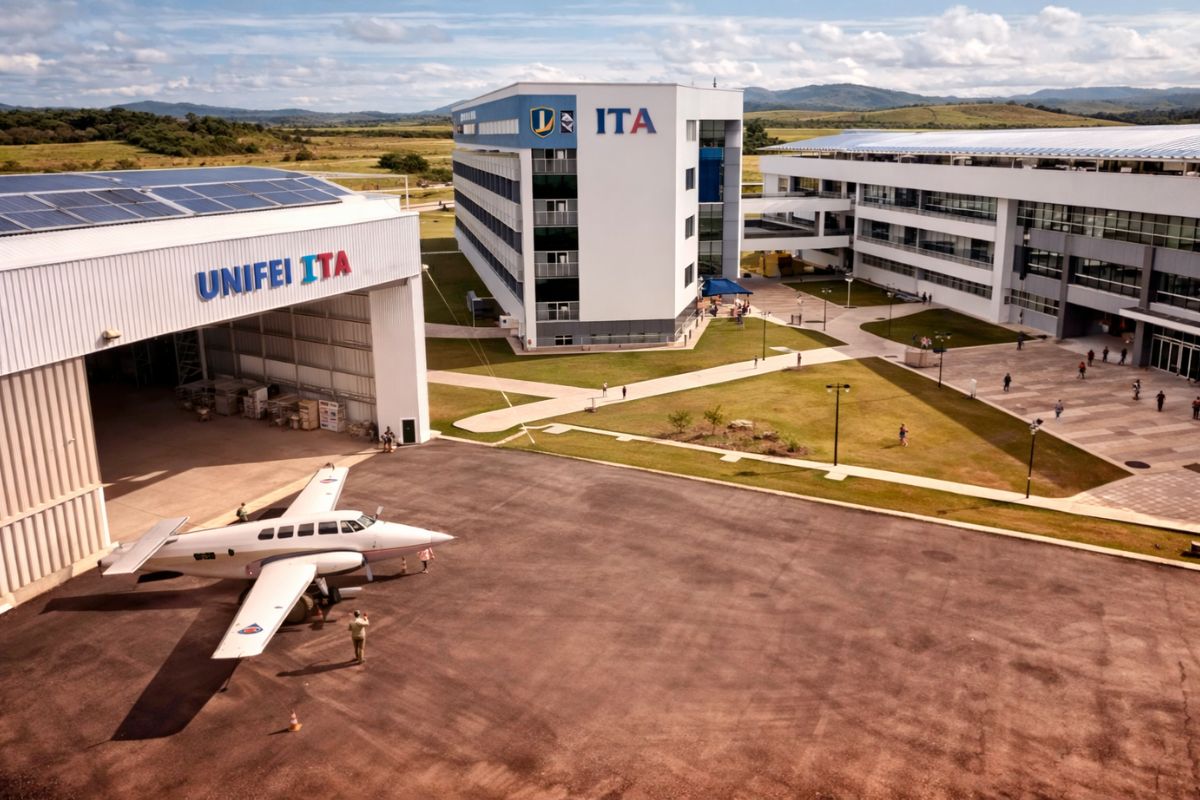
The institute that trained the greatest aerospace engineers in Brazil has just opened its first campus outside São Paulo after 75 years: ITA Ceará will have R$ 445 million, new courses in energy and systems, and classes are expected to start in 2027.
Luciano Hang, owner of Havan, goes to Juiz de Fora after the tragedy in February, brings R$ 1 million, hands out R$ 2,000 cards, and donates up to R$ 15,000 to victims in the region.

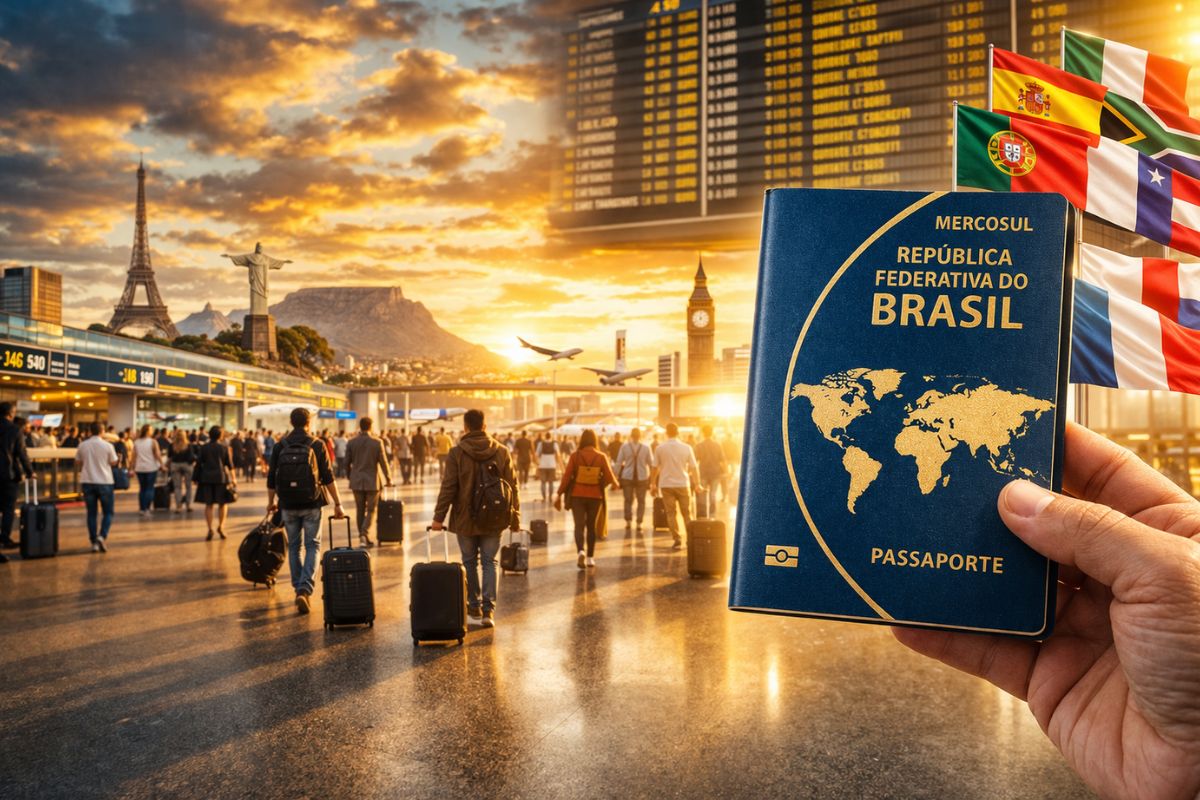
The Brazilian passport allows legal residence in dozens of countries without the need for a prior visa, and most Brazilians are unaware that they can apply for residency directly upon arriving in nations in South America, Africa, and even Europe.
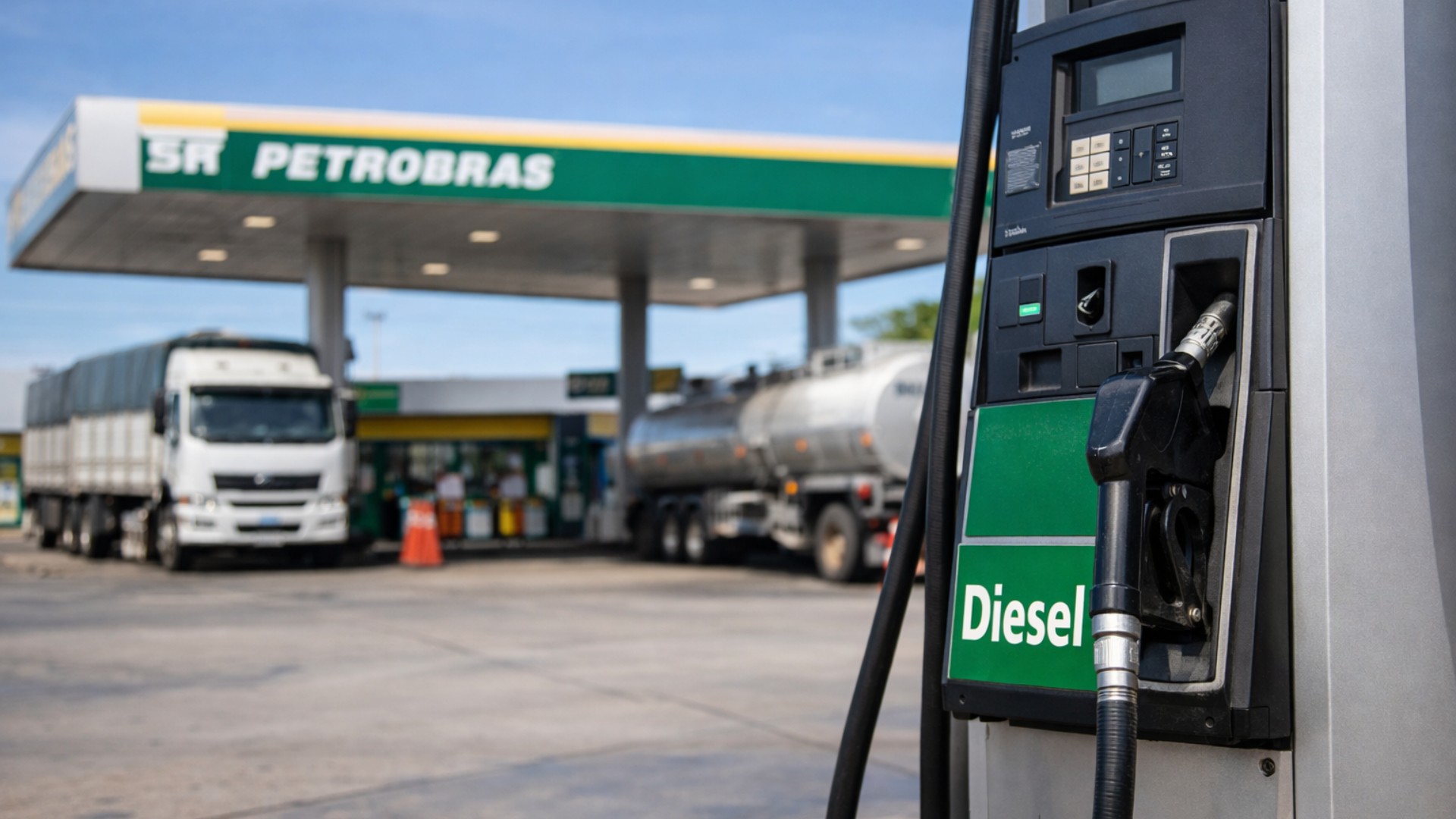
Petrobras sends a message to Brazilian truck drivers after fuel collapse and reveals plan to have 100% domestic diesel.
Economic Projections Point to Moderate Growth in 2025 and 2026
To begin with, BBVA Research projects growth of 1.6% for GDP in 2025 and 1.8% for 2026.
For this reason, the market remains attentive to the performance of the primary sector and the strength of the Brazilian workforce.
Also, Fitch Solutions estimates an increase of 2.3% in 2025 and 1.2% in 2026, even considering the American tariffs.
When compared to other countries in Latin America, Brazil stands out, falling behind only Mexico in some analyses.
US Tariffs and New Trade Alliances: Moderate Risk and Opportunities
Recently, in August 2025, the United States implemented tariffs of 50% on Brazilian products.
However, the impact of these tariffs tends to be less severe, as there are exemptions for strategic sectors.
Meanwhile, China already accounts for 28% of Brazilian exports, while the US only accounts for 12%.
Thus, Brazil is able to direct its business and ensure a positive balance (Reuters, 08/05/2025).
At the same time, President Lula’s government announced a sovereignty policy over strategic minerals, seeking to add value within the country.
With this strategy, Brazil aims to become a leader in the energy transition (Reuters, 08/06/2025).

Structural Reforms and Record Investments Until 2026
Starting in 2024, the new fiscal framework came into effect and brought more flexible rules for controlling public spending.
Therefore, the government expects to eliminate the deficit by 2024 and generate surpluses of up to 1% of GDP by 2026.
In the same vein, the New Industry Brazil program invests billions until 2026, stimulating industry, innovation, and green mobility.
Companies such as GM, VW, Nissan, Renault, and BYD are already participating in this movement.
On the other hand, the New PAC plans R$ 1.3 trillion in infrastructure by 2026, with an additional R$ 300 billion for the following years.
With so many public investments, the country tends to generate jobs, income, and stimulate the entire national economy.
2026 Elections: Expectations Grow, But the Market Still Awaits Definitions
According to InfoMoney, the financial market has not fully factored the 2026 elections into prices yet.
Even so, experts assure that this issue will influence prices and investments in the second half of 2025.
The government’s firm stance in the face of tariffs has elevated Lula’s popularity and brought more political stability (InfoMoney, 2025; O Povo, 2025).
Hope Based on Data and Reforms
Despite so many challenges, Brazilian optimism is not irrational.
In fact, the numbers confirm the chance of a gradual and sustainable recovery.
Likewise, reforms, diversification of partners, and investments create a solid foundation for the future.
The majority of readers of CPG Click Petroleum and Gas still hope for better days after the 2026 elections.
Meanwhile, confidence remains strong, supported by facts, data, and much expectation.
And you, do you believe that Brazil’s economy will really improve after the 2026 elections or do you think everything will remain the same? Comment and participate!










Seja o primeiro a reagir!