





 Portuguese
  English
  Spanish
  6 min of reading
  0 comments


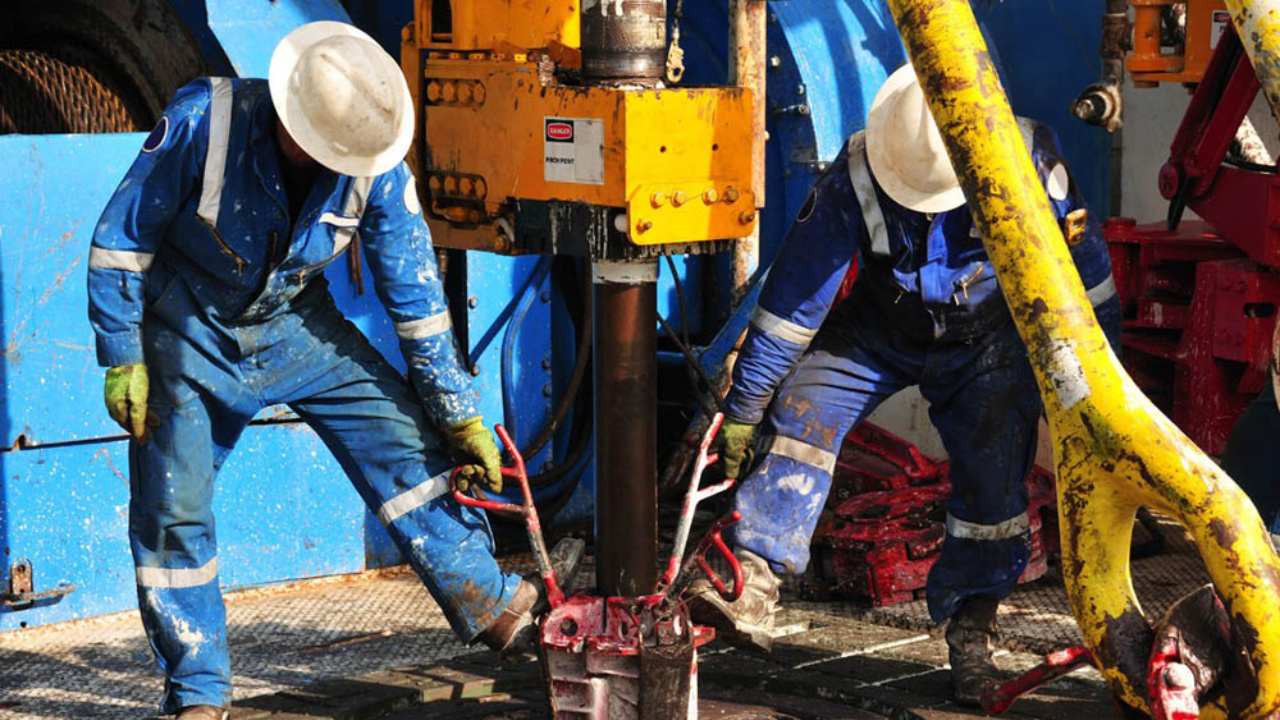
Oil Exploration in Brazil’s Equatorial Margin May Generate Jobs, Attract Investments, and Strengthen Energy Security, According to the President of IBP.
The debate on energy transition has advanced in Brazil and around the world. However, despite the expansion of renewable sources, oil continues to play a central role in the global energy matrix. This reality, according to industry representatives, requires a more balanced perspective on the future of energy production, especially in regions with high exploratory potential, such as Brazil’s equatorial margin.
According to the Brazilian Institute of Oil and Gas (IBP), the energy transition does not happen abruptly. On the contrary, it progresses gradually, combining traditional and alternative sources. In this context, oil exploration emerges as a strategic element to ensure energy security, economic development, and social stability.
Equatorial Margin Emerges as New Strategic Frontier for Brazilian Oil
Located along an extensive stretch of coastline, between Amapá and Rio Grande do Norte, the equatorial margin is regarded as one of the country’s most promising exploratory frontiers. The region has been attracting increasing attention from specialists and investors, especially in light of changes in the international energy landscape and the need to diversify supply sources.
-
Lula reveals a masterstroke by Petrobras to undo a deal made by Bolsonaro, which involves the return of an important refinery that currently produces less than half of what was expected and makes Brazil dependent on international diesel.
-
A study confirms that the natural gas sector will reduce greenhouse gas emissions in Brazil by 0.5% and accelerate the energy transition by 2026.

-
Petrobras implements a severe adjustment and confirms a 55% increase in the price of aviation kerosene with a proposal for installment payments for the companies.

-
The rise in oil prices could ensure an extra revenue of R$ 100 billion for the Federal Government, indicates a recent economic study.


The area is still in the exploratory phase. This means that current work aims to confirm the existence of oil and gas in commercially viable volumes. Nonetheless, initial estimates indicate significant potential, especially in the Foz do Amazonas basin.
According to data from the National Oil Agency (ANP), the region may contain up to 30 billion barrels of oil. Despite this, the sector emphasizes that these figures are projections and need to be confirmed through ongoing drilling.
Oil Production and Energy Transition Are Not Opposing Concepts
For the president of IBP, Roberto Ardenghy, the discussion on oil and energy transition needs to overcome simplified views. In an interview with Grupo Liberal, he stated: “There is no apparent contradiction between oil and energy transition. The world will still demand a lot of oil, and the transition needs to be fair and responsible.”
According to Ardenghy, the perception that oil exploration undermines environmental progress does not reflect the reality of the sector. Currently, the industry is heavily investing in technology to reduce emissions, increase operational efficiency, and ensure high safety standards.
Furthermore, oil remains present in almost all daily activities. From transportation to basic products, its use remains relevant, even in a context of energy transformation.
Natural Gas Increases the Sector’s Relevance in the Decarbonization Process
Within this context, natural gas stands out as a transition fuel. With lower emissions compared to coal and oil itself, it plays a strategic role in both electricity generation and industry support.
The IBP leader highlighted that around 85% of ammonia and urea produced worldwide comes from natural gas. This factor is crucial for the fertilizer chain, essential for global food security.
In Brazil, external dependency in this segment is still high. Internal gas production can reduce costs, strengthen the national industry, and decrease vulnerabilities in supply.
Petrobras Leads Drilling and Reinforces Operational Safety in the Region
Petrobras began drilling in the equatorial margin about 90 days ago. This exploratory stage is expected to last approximately six months. If significant reserves are confirmed, the project will advance to the development phase, which usually generates even broader economic impacts.
This phase involves ordering equipment, preparing ports, expanding airports, and activating an extensive supply chain. In other producing regions of the country, such as the Southeast, this movement has resulted in strong job creation and increased revenue.
Petrobras’ presence as an operator is seen as a relevant differential. Internationally recognized for its technical capability and experience in deep and ultra-deep waters, the company helps elevate the safety and reliability standards of the operation.
Robust Structure Aims to Reduce Environmental and Operational Risks
One of the most sensitive points of debate involves environmental risks. In this regard, the sector emphasizes that the exploratory campaign in the equatorial margin follows strict safety standards.
According to Ardenghy, the licensing process took 11 years and met all the requirements of Ibama. The operations use sixth-generation rigs, support vessels, maintenance teams on permanent duty, and rapid response systems for emergencies.
Moreover, oil decontamination centers for animals have been installed in Oiapoque and Belém, enhancing the response capacity in the event of incidents.
Legal Actions and Insecurity Threaten Continuity of Exploration
Despite technical advances, the sector faces significant challenges. One of them is legal insecurity. Lawsuits seeking to halt drilling raise concerns among investors and operators.
For IBP, regulatory predictability is essential in oil projects, which require billion-dollar investments and long maturation periods. On average, it takes six to eight years before the first drop of oil is produced.
Without regulatory stability and legal security, perceived risk increases, which may deter investments and compromise regional development.
Logistics and Infrastructure Drive Job Creation in the North
In addition to the exploration itself, the oil chain generates direct impacts on logistics and services. Large equipment, such as the so-called “Christmas tree,” requires well-structured ports, specialized transport, and skilled labor.
This movement is reflected in various sectors. Transportation, hospitality, food service, industrial laundry, and maintenance are just a few examples of benefited activities.
According to IBP, this is a highly inclusive industry, employing everyone from operational workers to specialized engineers. There is room for different levels of qualification.
States of the Northern Arc Mobilize to Attract Investments
Pará, Amapá, and Maranhão are at the center of this new exploratory frontier. To seize opportunities, these states need to invest in infrastructure, technical training, and long-term planning.
According to Ardenghy, there is a growing mobilization among local leaders. State governments, industrial federations, and entrepreneurs are seeking dialogue with the sector to understand demands and prepare for increased activity.
This engagement is seen as a positive sign. The priority for companies, according to IBP, is to use local labor whenever possible, reinforcing the importance of professional qualification.
Brazilian Regulatory Environment is Solid, but Tax Burden is Concerning
In the international scenario, Brazil is considered a country with a consolidated regulatory structure. Bodies such as ANP, the Ministry of Mines and Energy, CNPE, and Ibama work integratedly, which brings confidence to investors.
However, the tax burden is pointed out as one of the main barriers to competitiveness. Currently, about two-thirds of oil production in the country is allocated to taxes and fees.
According to IBP, there is no room for an increase in this burden without losing competitiveness against countries like Guyana, Suriname, Argentina, and African nations, which compete for investments in the sector.
Brazilian Oil Shows Lower Carbon Intensity
Another argument often cited by the sector is the environmental profile of oil produced in Brazil. In the pre-salt, carbon intensity is around 10 kg of CO₂ per barrel, well below the global average of approximately 25 kg.
This performance results from investments in technology, operational efficiency, and innovation. For IBP, this is the oil that is likely to remain in the global energy matrix for a longer time during the transition process.
The intention, according to the entity, is to take this same technological and environmental standard to the equatorial margin, expanding economic benefits without compromising social and environmental responsibility.
Equatorial Margin May Redefine the North’s Role in the Oil Industry
With potential to generate jobs, income, and revenue, the exploration of the equatorial margin may represent a structural change for the North’s economy. Additionally, the development of this activity is expected to stimulate investments in technical education, innovation, and infrastructure.
At the same time, the sector emphasizes that oil exploration does not exclude the advancement of renewable energies. On the contrary, both can coexist within a strategy of gradual, fair energy transition adapted to Brazilian reality.
In this context, the equatorial margin becomes central to the debate on the country’s energy future, connecting energy security, regional development, and environmental commitment from the perspective of oil.








-

-

8 pessoas reagiram a isso.