





 Portuguese
  English
  Spanish
 3 min of reading
  0 comments


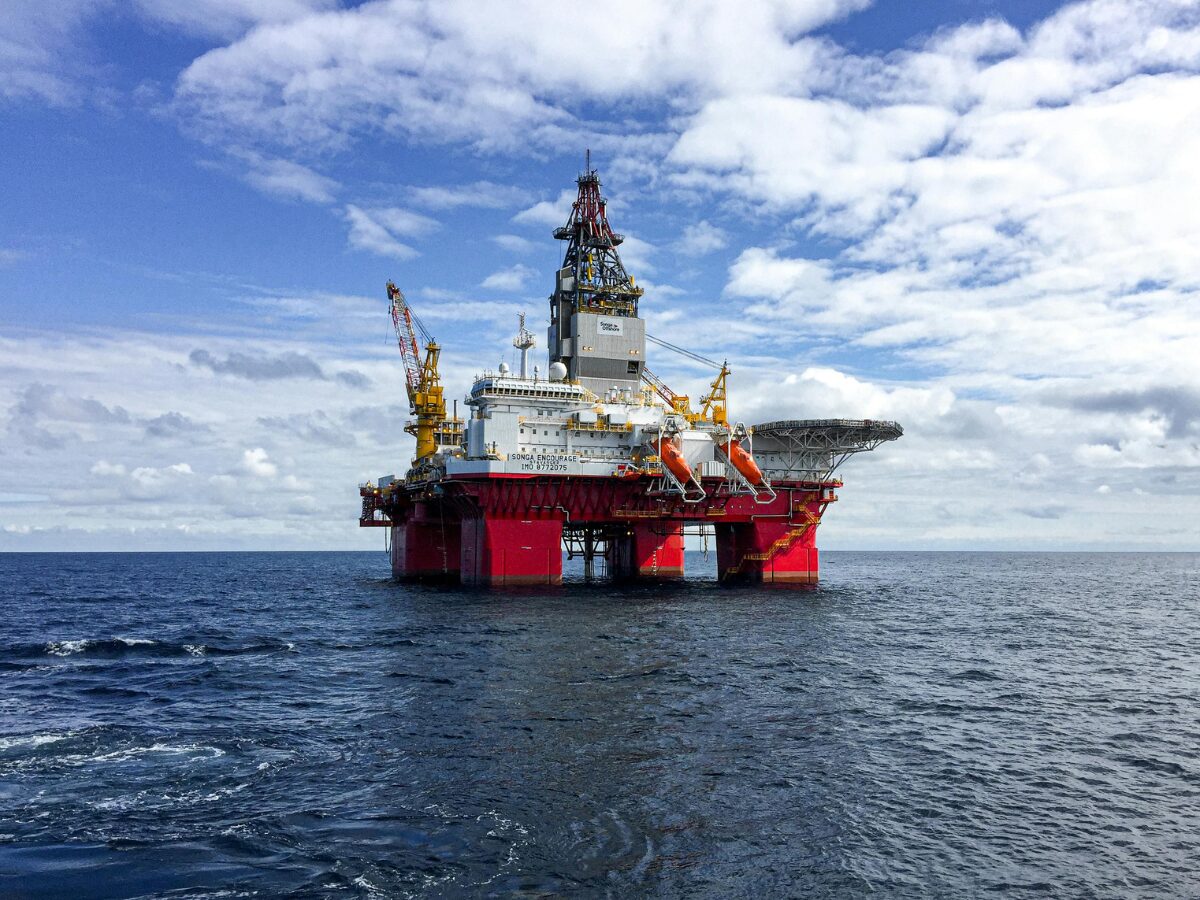
Royalties From Oil, Shale, and Natural Gas Exploration Generate Record Growth in Paraná in 2024. Find Out Which Municipalities Collected The Most and How The Resources Impact Regional Development.
The revenue from royalties from oil, natural gas, and shale reached historic levels in Paraná in 2024, totaling R$ 172.4 million. This figure represents a surprising growth of 106.7% compared to the previous year.
According to data from the Mineral Report 02/2025 from the Water and Land Institute (IAT), the increase in revenue is directly linked to the intensification of oil, shale, and natural gas exploration activities in various regions of the state.
While in 2023 the collected amount was R$ 83.42 million, the figure nearly doubled in 2024, totaling R$ 172.4 million.
-
The rise in oil prices could ensure an extra revenue of R$ 100 billion for the Federal Government, indicates a recent economic study.

-
Naturgy begins an investment of R$ 1.6 million to expand the gas network in Niterói and benefit thousands of new residences and businesses.
-
A major turn in the Justice system suspends tax increases and directly impacts oil and gas companies in Brazil by affecting costs, contracts, and financial planning, leaving uncertain what could happen to the sector if these costs had increased.

-
Brava Energia begins drilling in Papa-Terra and Atlanta and could change the game by reducing costs in oil while increasing production and strengthening competitiveness in the offshore market.
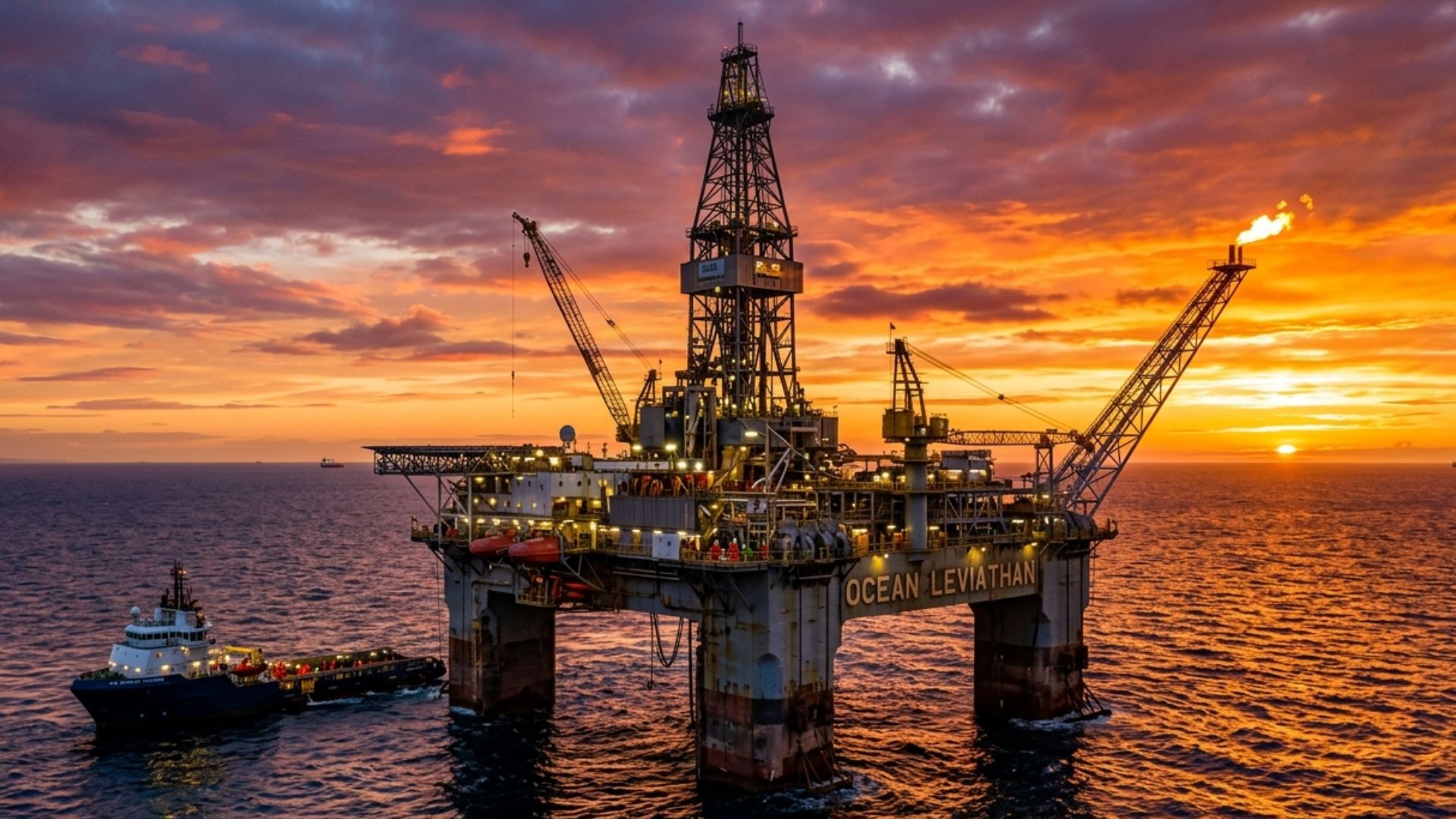

Araucária Leads Royalties Collection From Oil
A significant portion of the royalties was concentrated in five producing municipalities that together accounted for over R$ 104.8 million (60.8% of the total).
See the ranking:
- Araucária: R$ 75.4 million — noted for its infrastructure geared towards the oil industry
- São Mateus do Sul: R$ 19.2 million — thanks to shale exploration, a mineral typical of the region
- Guaratuba: R$ 7.1 million — linked to the logistics of the oil chain
- Campo Largo: R$ 2.33 million — also due to support structures
- Pitanga: R$ 653 thousand — due to natural gas potential
Paraná Government Received Almost 40% of Royalties Revenue From Oil, Shale, and Natural Gas Exploration
The remaining resources, R$ 67.59 million (39.2%), were allocated to the coffers of the Government of the State of Paraná.
This amount directly contributes to public policies related to sustainable development, environmental oversight, and infrastructure, reinforcing the strategic role of royalties in the state economy.
Mining in Paraná Also Breaks Record With CFEM
In addition to the growth in royalties from oil, shale, and natural gas exploration, the Financial Compensation for Mineral Exploration (CFEM) also saw significant increases in the state.
In 2024, R$ 36.35 million were collected, representing a 17.7% increase compared to the 2023 figure (R$ 30.88 million).
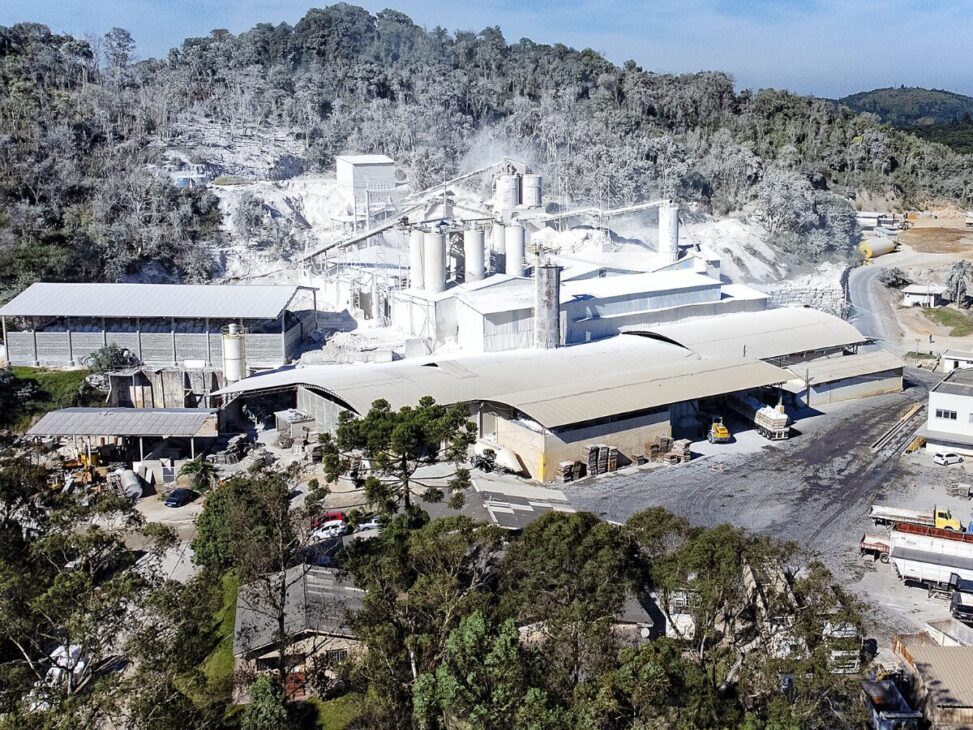
The growth rate in Paraná surpassed the national average of CFEM, which was 8.4%, and involved 193 municipalities, 535 companies, and 1,258 mining titles granted by the National Mining Agency (ANM).
Six Cities Concentrate Almost Half of CFEM in The State
Six municipalities accounted for 46% of the total CFEM revenue in Paraná. Rio Branco do Sul led the way with R$ 6.34 million (17.5%), followed by:
- Campo Largo — R$ 3.98 million (11%)
- Almirante Tamandaré — R$ 2.28 million (6.3%)
- Adrianópolis — R$ 1.48 million (4.1%)
- São José dos Pinhais — R$ 1.32 million (3.6%)
- Cerro Azul — R$ 1.3 million (3.6%)
The distribution of CFEM follows national rules: 60% goes to producing municipalities, 15% to impacted ones, 15% to the state government, and 10% to federal agencies such as Ibama and FNDCT.
Which Minerals Are Being Most Explored in Paraná?
Mining in Paraná is led by sand (41.6%) and rocks for gravel and coating (19.6%), primarily used in construction.
Other highlighted resources:
- Clays (11.8%) — for red ceramics (bricks and tiles)
- Carbonate Rocks (10.8%) — base for lime, cement, and agricultural correctives
- Minerals such as fluorspar, mineral coal, clay, gravel, phyllite, talc, pyrophyllite, and feldspar are also used in various industries including chemical, metallurgical, and white ceramics.
Karst Aquifer: Mining Advances Over Strategic Area
The mineral exploration of the Karst Aquifer, an important reserve of groundwater in the Metropolitan Region of Curitiba, was also highlighted in the report.
In 2023, extraction in the region allowed the production of 7.86 million tons of agricultural corrective, as well as facilitating the withdrawal of 19.8 million cubic meters of groundwater by Sanepar.
Municipalities such as Almirante Tamandaré, Colombo, Rio Branco do Sul, and Itaperuçu concentrate this activity, raising concerns about the need for a balance between economic development and environmental preservation.
Development and Sustainability
The strong growth in royalties from oil, natural gas, and shale exploration, coupled with advancements in mining, represents a significant opportunity for Paraná to consolidate regional development policies.
However, experts warn about the importance of investing resources sustainably and transparently, ensuring lasting social and environmental benefits for the population.
With established infrastructure and significant reserves, the state remains a leader in energy and mineral production, but the future will depend on responsible management of royalties and the reconciliation between economy and environment.
With information from the Government of Paraná.






Seja o primeiro a reagir!