





 Portuguese
  English
  Spanish
  5 min of reading
  1 comment


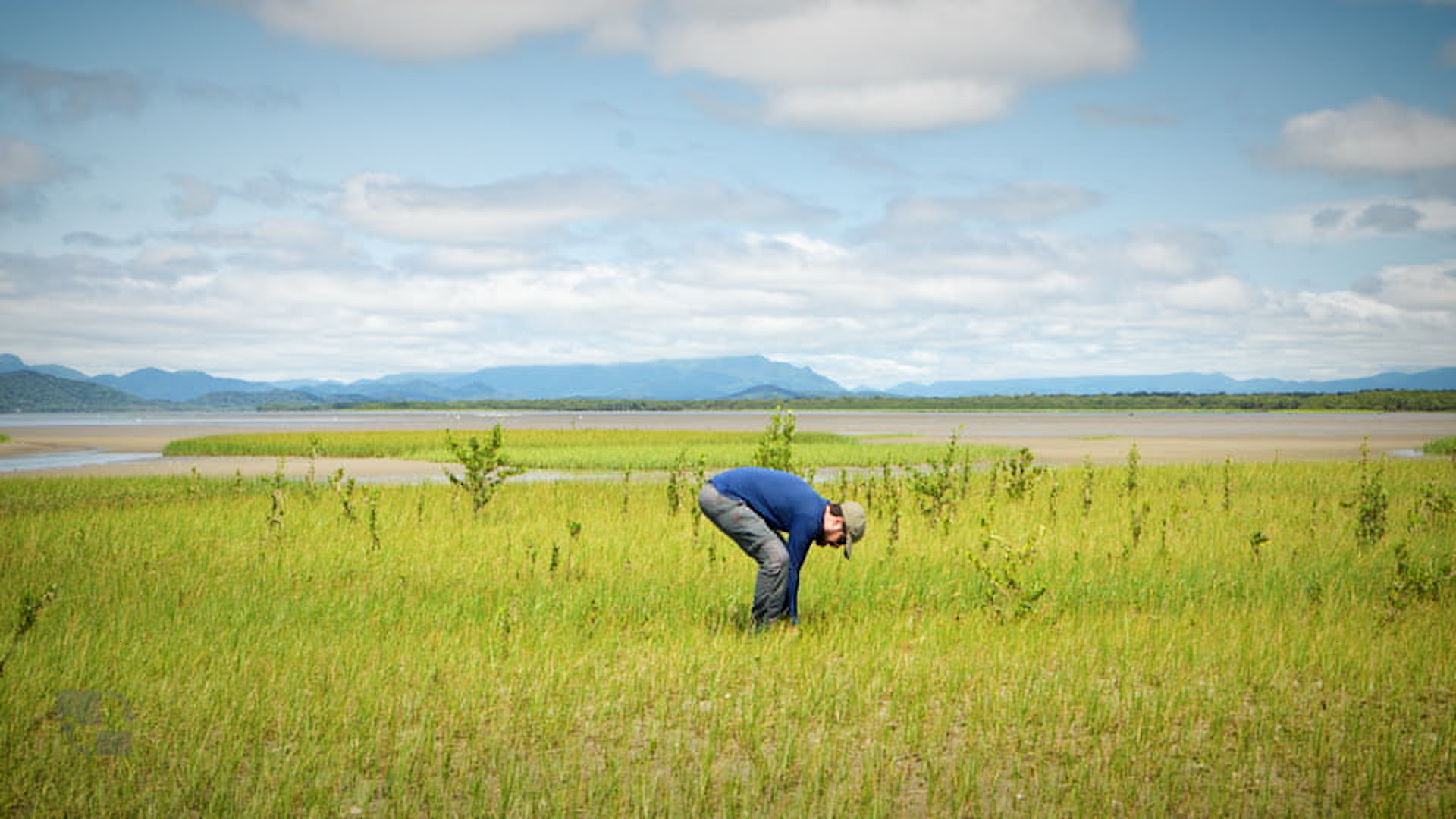

BlueShore Project Assesses How Brazilian Mangroves Capture Carbon, Promoting Global Strategies for Soil Preservation and Health.
Brazilian mangroves have emerged as environmental superheroes by surprisingly capturing large amounts of carbon, playing a crucial role in the fight against climate change. These ecosystems have the incredible ability to sequester three to five times more carbon per hectare compared to the Amazon rainforest. Projects like BlueShore, conducted by RCGI since 2021, are exploring their potential and establishing global strategies for preserving these habitats. In addition to storing carbon, mangroves also promote biodiversity, protect coastlines, and contribute to soil health.
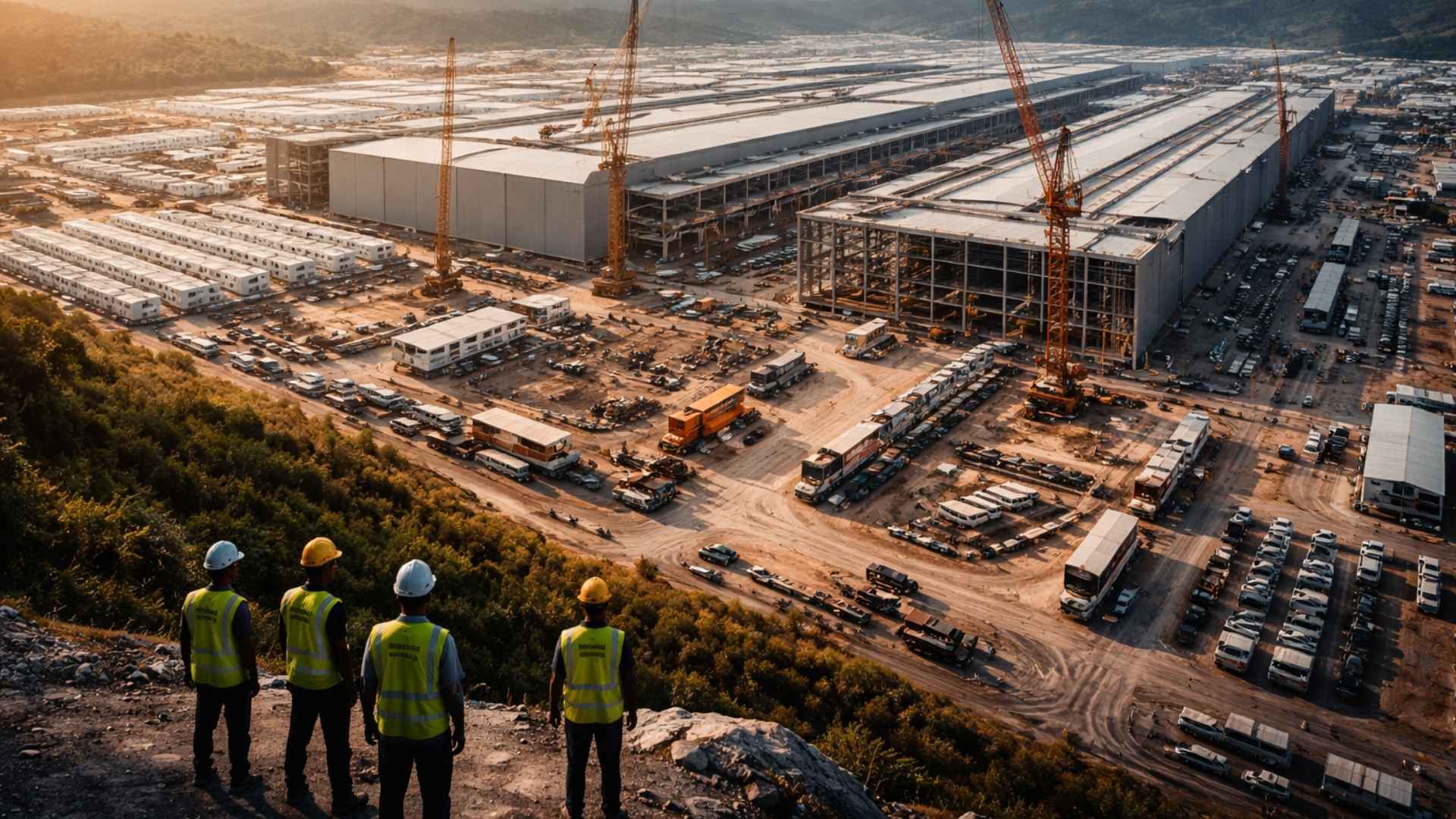
At the same time, the mining sector has sought to align itself with sustainable practices. Since 2025, the extractive industry has been taking steps towards automation and energy transition, committing to reducing environmental impacts. Sustainable initiatives in this sector are not only necessary but are now the primary focus for conscious growth. The goal is to create a harmonious balance between mining and the conservation of mangroves, integrating practices that minimize harm and maximize environmental benefits. Interestingly, some projects promote the idea that mining can coexist and even thrive alongside mangrove conservation efforts.
How Industry and Nature Are Moving Together
A notable example is the collaboration between environmental NGOs and mining companies, started in 2023, which seeks to protect mangroves while optimizing mineral exploration. Recently, in September 2023, ecology and mining experts gathered to discuss innovative tactics that could reshape the future of both sectors. Approaches are being developed that include cutting-edge technology to monitor and manage resources more effectively. With these innovations, the aim is not only to protect ecosystems but also to generate qualified jobs, such as ESG (Environmental, Social, and Governance) leaders.
-
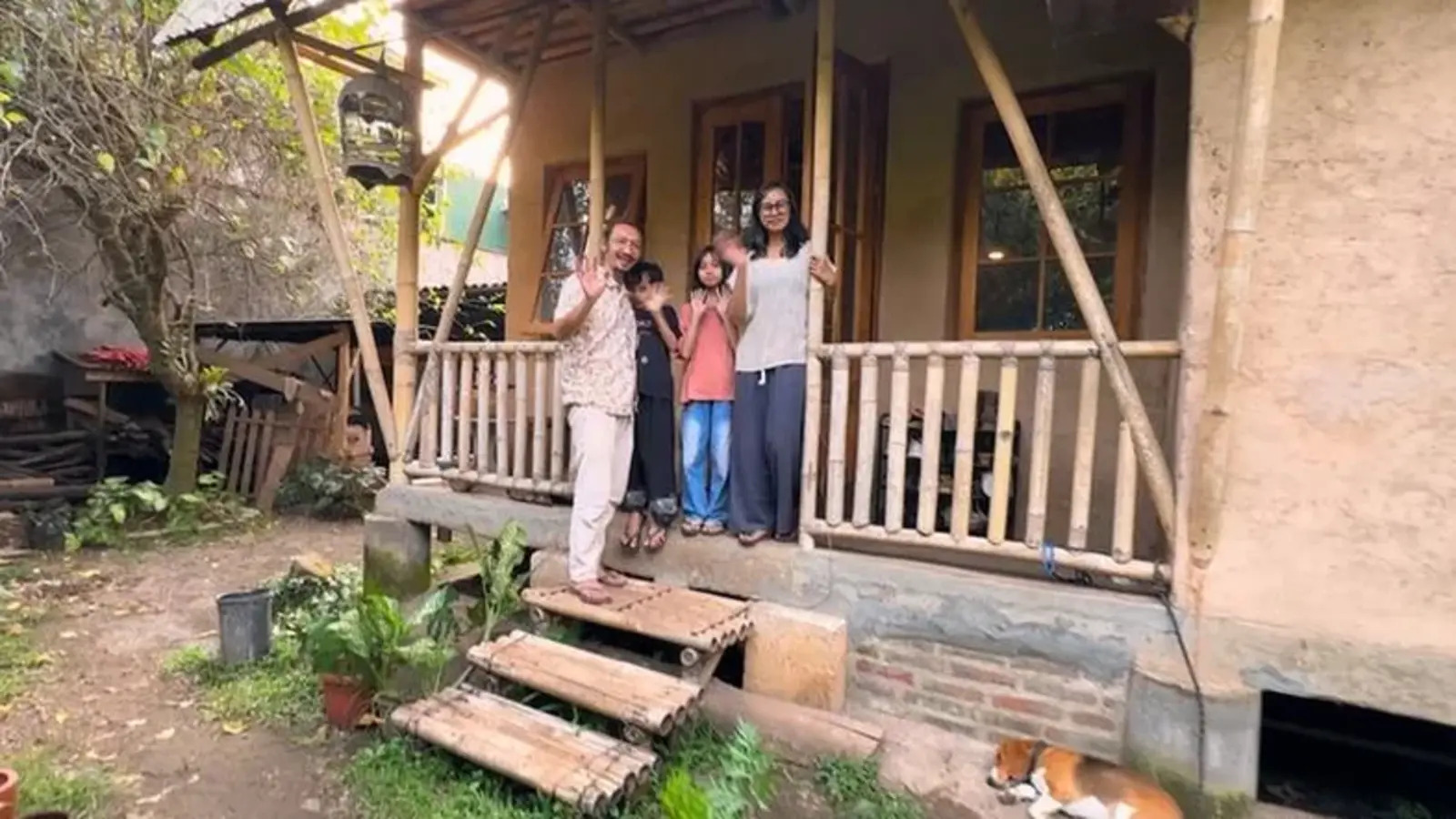
With earth, bamboo, straw, and lime mortar, a specialist builds a house for just over $460 and draws attention for its cost being much lower than traditional construction.
-
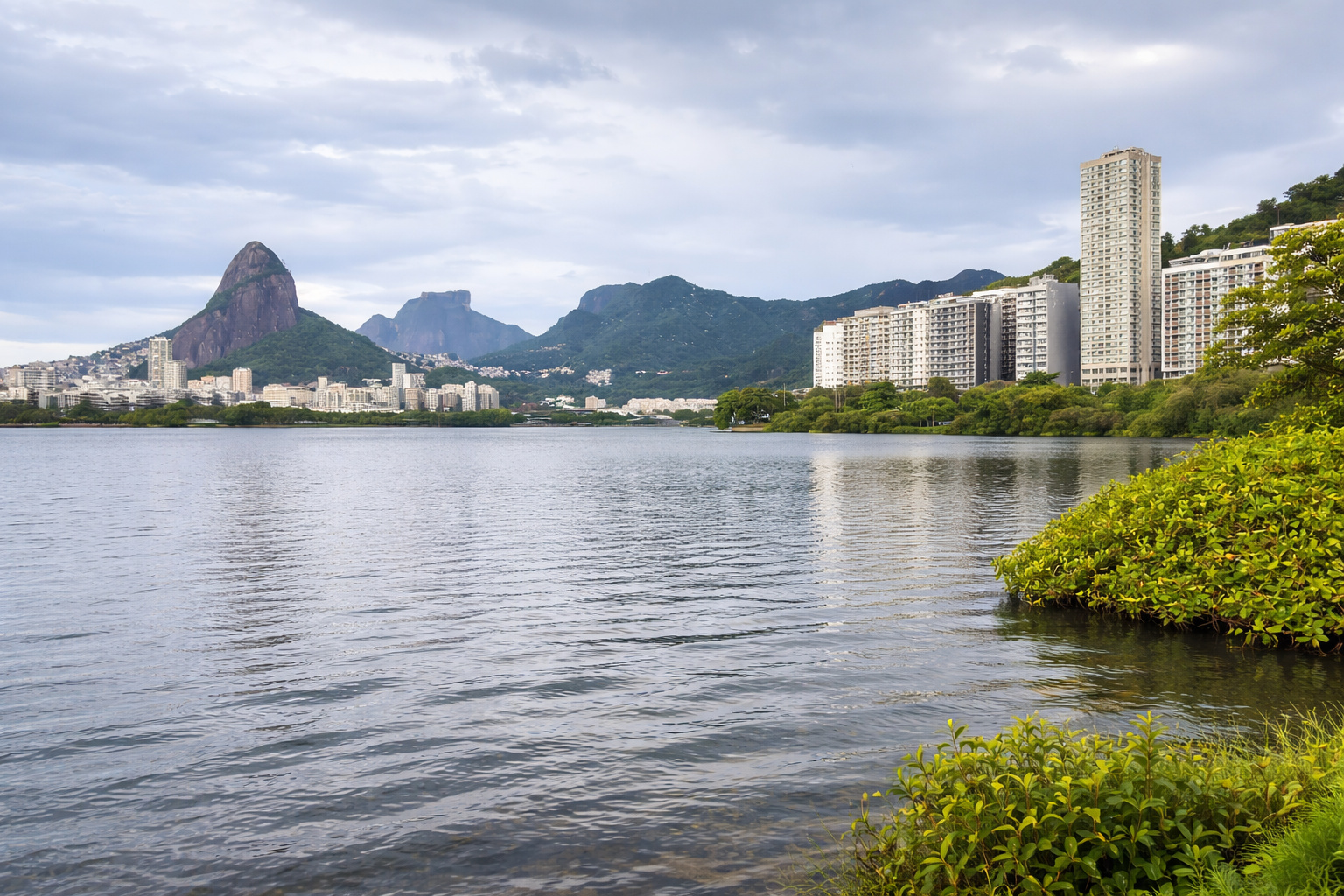
Rodrigo de Freitas Lagoon advances in environmental recovery with sanitation, elimination of irregular sewage, and the resumption of water sports in Rio de Janeiro.
-
Sustainable housing gains strength with a nationally awarded project in Campo Grande, highlighting innovative solutions that combine sustainability, urban integration, and efficiency in the use of natural resources.

-
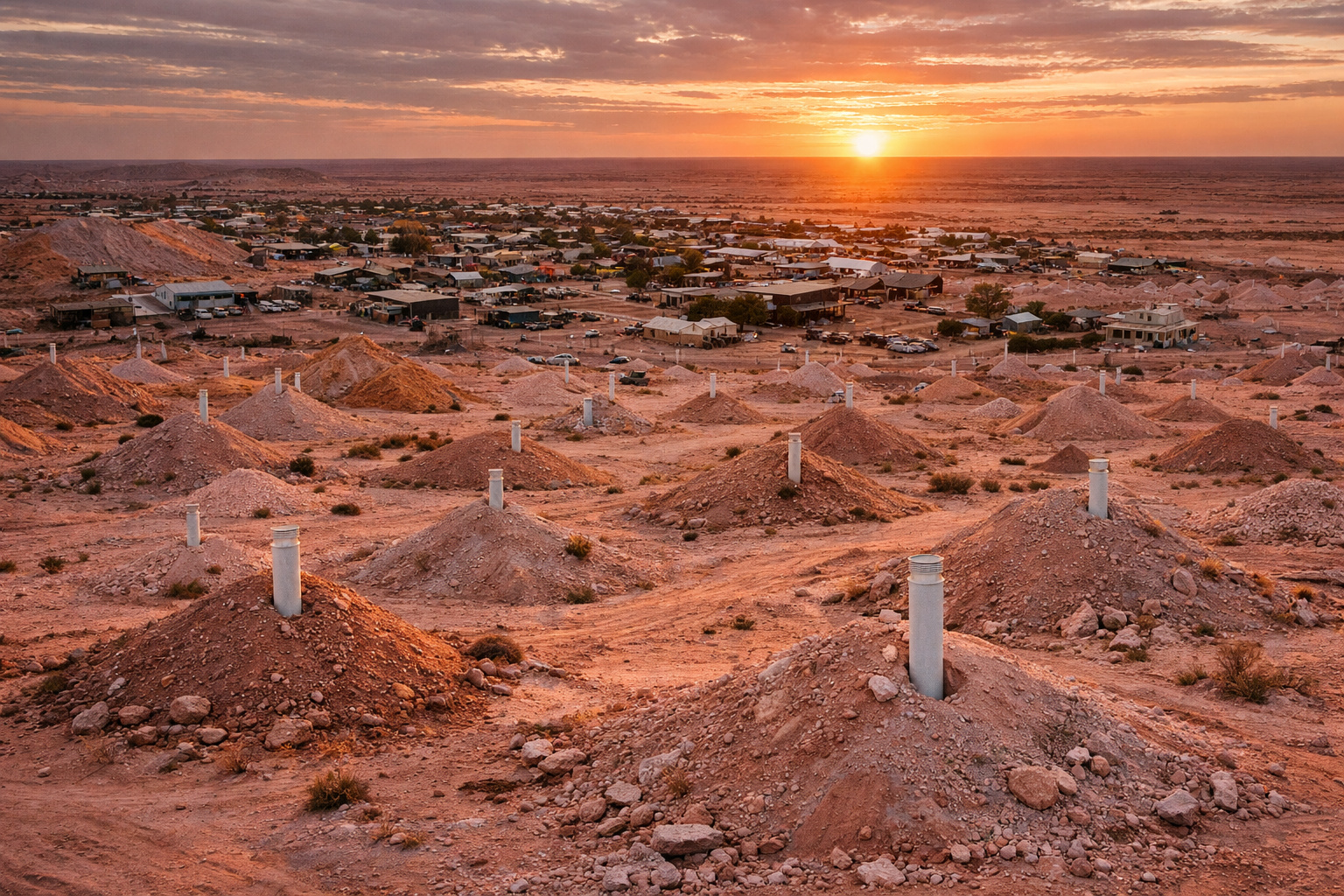
City Where Residents Live Underground to Escape 52°C May Be a Picture of the Future on an Increasingly Hot Planet

Moreover, local communities have an active voice in this process, with community consultations being essential in guiding sustainable mining practices near mangroves. Since 2022, mining companies have invested in training programs to directly engage these groups, ensuring that their knowledge and traditions are respected. Boosting the local economy…
Sources mentioned: BlueShore Project from RCGI since 2021 and Environmental Science Magazine between 2022 and 2023.
The Powerful Role of Mangroves
Mangroves stand out as one of the most effective natural areas for carbon absorption, playing a vital role in reducing greenhouse gases and mitigating climate changes. To better understand their carbon capture potential and significance for the environment, the project called BlueShore – Blue Carbon Forests for Offshore Climate Change Mitigation begins a comprehensive study through the Research Centre for Greenhouse Gas Innovation (RCGI). This project is dedicated to measuring and analyzing the capacity of these forests along the Brazilian coast, contributing to the formulation of global preservation and restoration strategies. With an area of about 1 million hectares, Brazil ranks as the second country with the largest expanse of mangrove forests.
Variability and Environmental Importance
The BlueShore focuses its studies on the varied conditions of these ecosystem formations along the extensive coastline, which stretches from southern Brazil to the Amapá region, directly influenced by soil conditions and their varied forms, which profoundly impact the carbon retention ability of mangroves. ‘One of our main aims is to meticulously estimate the carbon capture potential and assemble a database that fills informational gaps in various regions,’ states Tiago Osório Ferreira, coordinator and professor of the Soil Science Department at the Luiz de Queiroz College of Agriculture (ESALQ-USP). According to Professor Ferreira, mangrove forests can sequester three to five times more carbon per hectare compared to the Amazon Rainforest.
Multiple Benefits of Mangroves
In addition to their carbon sequestration capacity, mangroves provide various other ecosystem services, such as protecting coastal areas against erosion processes and providing habitats for various marine species. With funding of R$ 8 million from PETRONAS Petróleo Brasil Ltda. (PPBL), the project also seeks to uncover the environmental impacts resulting from land use changes over the past decades, which vary from region to region. For instance, in northern Brazil, pasture creation for livestock directly modifies mangroves, while in the Northeast, shrimp farming is the most striking impact, and in the Southeast, urbanization.
Challenges and Solutions
Understanding how these changes affect carbon reserves is vital for developing recovery strategies tailored to each soil type, maximizing the capacity to sequester carbon in the future. The BlueShore has specific objectives such as studying the mechanisms of carbon sequestration and stabilization in soils, where over 80% of the carbon sequestered by mangroves remains stored. The project also aims to create a soil health index to categorize more or less degraded regions and investigate how the biodiversity of mangroves reacts to increasing concentrations of CO2, alongside opportunities to integrate these ecosystems into the carbon credits market, linked to the robust ecosystem.
Collaborative Efforts for Mangroves
The multidisciplinary team that integrates the BlueShore, composed of 11 professors and 11 researchers from different institutions, such as ESALQ-USP, Federal University of Ceará (UFC), Federal University of Espírito Santo (UFES), among others, is working to achieve these objectives. The project is at the heart of the Nature-Based Solutions (NBS) program, an English expression for Nature-Based Solutions coordinated by RGCI/ESALQ, aiming to reduce greenhouse gases through increased carbon fixation in the soil. Despite their strong resilience to adverse conditions, mangroves are vulnerable to human actions.
Final Considerations and Economic Impacts
Such actions, like transforming mangrove areas into pastures, affect their natural recovery. ‘Mangroves easily adapt to a variety of situations, but they are not invincible, especially when compared to more competitive ecosystems,’ adds Costa. Preserving mangroves is not only crucial for carbon capture but also generates income sources for numerous communities through the provision of ecosystem services, which, when translated into monetary values, exceed 90 thousand dollars per hectare annually. ‘Protecting mangroves is essential not only in environmental terms but also for the economic and social impact they represent for countless families,’ concludes Ferreira.
Source: © PETRONAS Press








❤️Aqui você pode tirar a roupa da garota e vê-la nua) Confira ➤ Ja.cat/gosea