





 English
  Francês
  Alemão
  Italiano
  Japonês
  Norueguês
  Portuguese
  Spanish
  4 min of reading
  25 comments


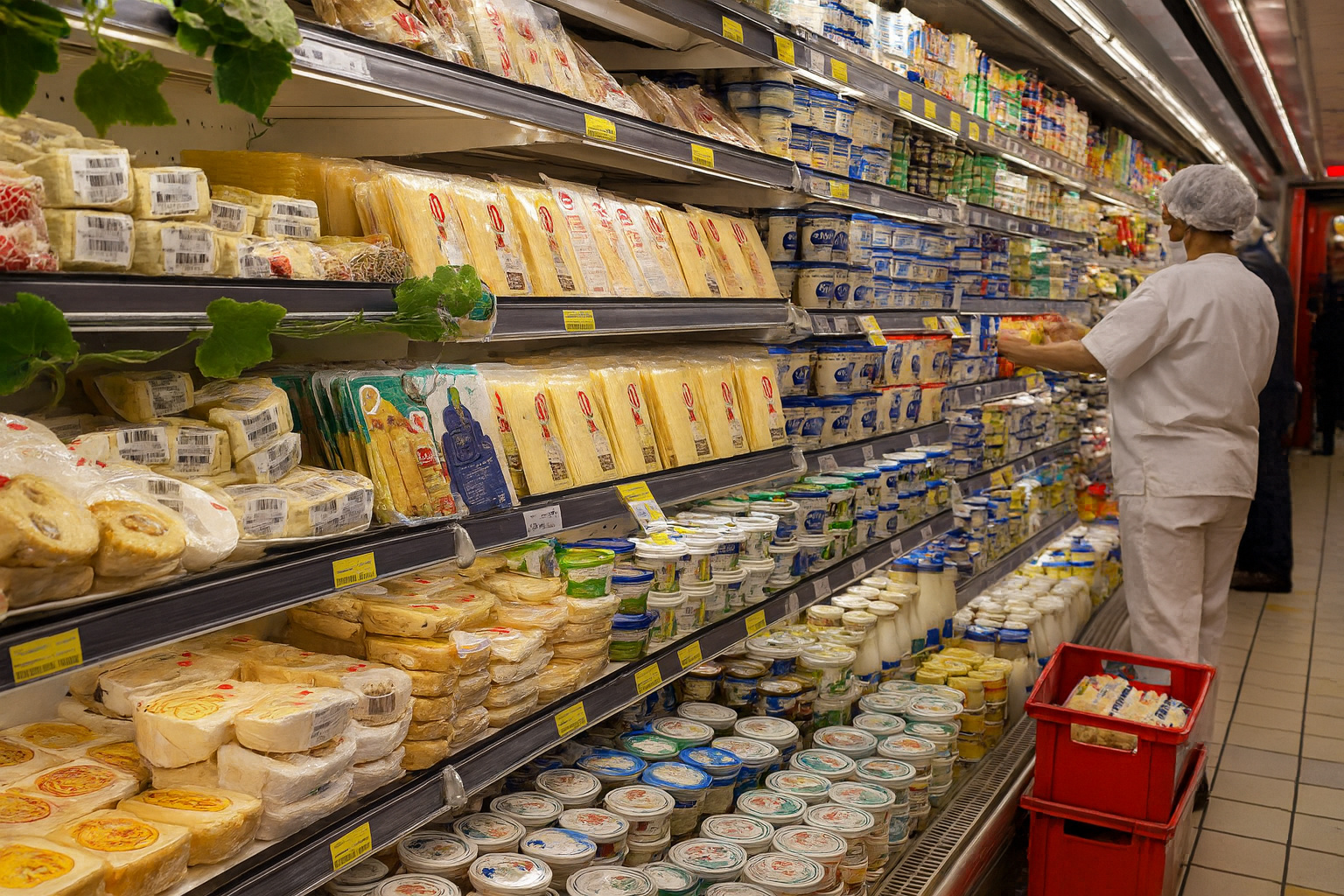


Historic Drop Impacts Market and Forces Changes in Brazilian Foreign Trade
Brazilian processed food exports recorded a significant drop in August 2025, highlighting the immediate effects of the tariffs imposed by the United States. According to data from the Brazilian Food Industry Association (ABIA), there was a retraction of US$ 300 million, representing 4.8% less compared to July 2025.
United States Drastically Reduces Its Purchases
ABIA’s report indicates that in August, Brazil exported US$ 5.9 billion in processed foods. However, exports to the United States totaled US$ 332.7 million, signifying a 27.7% drop compared to July and a 19.9% reduction compared to August 2024.
This decline occurred due to the 50% tariff implemented on August 1, 2025. Additionally, there was an acceleration of shipments in July, when companies sped up cargo dispatches to avoid the tax.
-
Unemployment rises again to 5.8% at the beginning of 2026, raising alarms about the end of temporary positions and its impact on the Brazilian job market.

-
Document organization can cut invisible costs in small businesses, a simple step that prevents waste, rework, and losses in daily operations.

-
Chinese giant worth nearly R$ 4 billion that manufactures cables for electric cars, solar energy, and robotics wants to open a factory in SC.
-
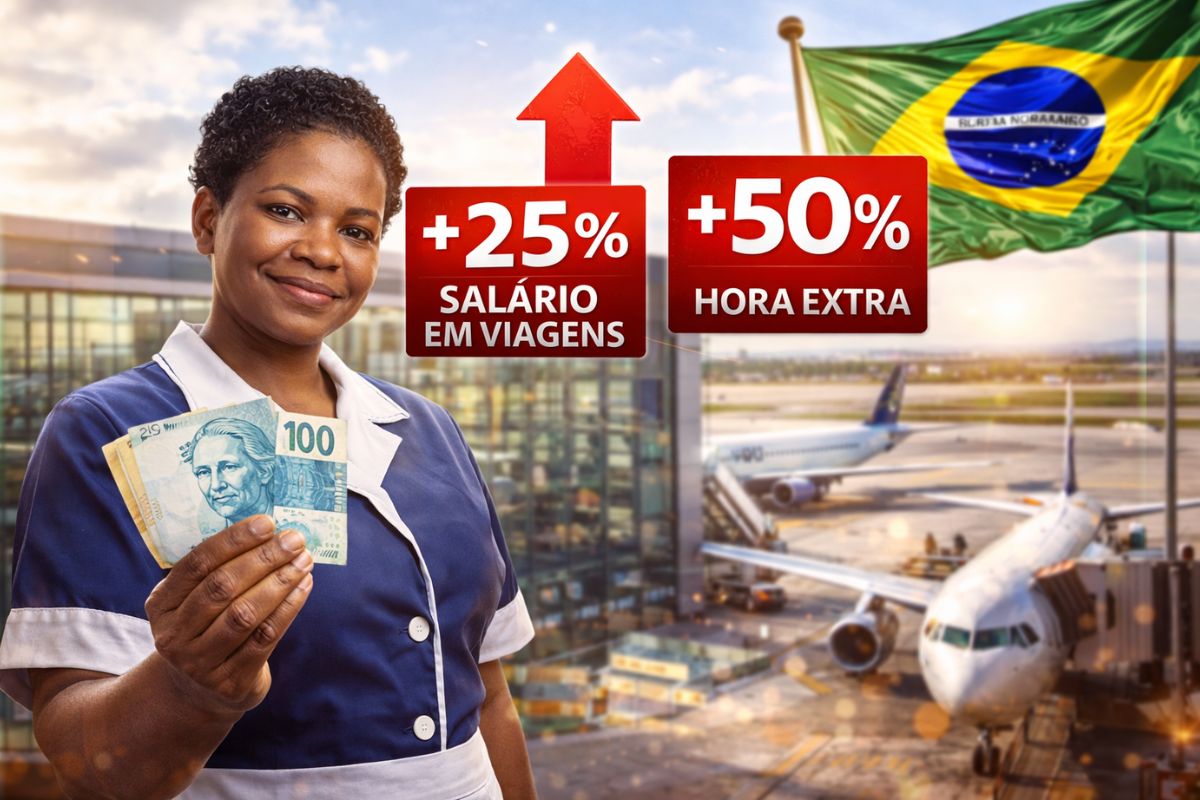
Many employers do not know, but the law guarantees domestic workers a 25% increase in salary during trips, 50% for overtime, 20% for night shifts, and 17 additional benefits that can lead to labor lawsuits if not paid.

In July 2025, the export volume to the U.S. was US$ 460.1 million, a number that demonstrates the severity of the drop. The most affected products were primarily:
- Sugars, with a decline of 69.5%;
- Animal Proteins, with a reduction of 45.8%;
- Food Preparations, down 37.5%.
According to João Dornellas, Executive President of ABIA, the result shows the urgency to Diversify Trade Partners and, therefore, to expand Brazil’s negotiating capacity in the international arena.
Mexico Increases Participation and Replaces Part of the Sales
While the U.S. reduced demand, Mexico substantially increased its purchases in August 2025. The total was US$ 221.15 million, accounting for 3.8% of total exports, mainly in animal proteins.
The growth was 43% compared to July, consolidating Mexico as an emerging new destination. Furthermore, for ABIA, this movement may signal a trade redirect, although it is still unclear whether it will be a structural change or merely temporary.
China Strengthens Position as Largest Destination
In contrast, China further strengthened its position as Brazil’s main partner. The Asian country purchased US$ 1.32 billion in August 2025, an increase of 10.9% compared to July and a significant 51% from August 2024.
This performance raised China’s share to 22.4% of total exports, cementing its role as a key market for the Brazilian food industry. Thus, China became even more relevant to balance the negative effects of the decline in the U.S.
European Union and Arab League Retreat
Other significant destinations also recorded sharp declines. The Arab League countries reduced imports by 5.2%, totaling US$ 838.4 million in August 2025. Meanwhile, the European Union imported US$ 657 million, representing a retraction of 14.8% compared to July and 24.6% versus August 2024.
This indicates that not only the U.S. but also other strategic blocs reduced space for Brazilian products.
ABIA Projections Indicate Billion-Dollar Annual Losses
According to official estimates from ABIA, the impact of the U.S. tariff could generate an 80% cumulative drop in exports to the U.S. between August and December 2025. This is expected to result in losses of US$ 1.351 billion.
In the aggregate from January to July 2025, Brazilian exports already totaled US$ 36.44 billion, showing a decline of 0.3% compared to the same period in 2024. This result was linked to the decrease in sugar production during the off-season. Therefore, the sector had already been facing difficulties even before the tariff.
Orange Juice Remains an Exception
One of the few sectors to escape taxation was orange juice. Exports grew 6.8% in August 2025 compared to the same month in 2024. However, there was a drop of 11% compared to July, reflecting the anticipation of shipments before the month’s end. Nevertheless, the performance was more positive than that of other products.
Jobs in the Sector Resist External Pressure
Despite the difficulties in external sales, the food industry maintained a positive balance in job creation. In July 2025, the sector accounted for 2.114 million formal and direct jobs.
In the year-over-year comparison, between July 2024 and July 2025, there were 67.1 thousand new jobs, representing growth of 3.3%. Additionally, in 2025 alone, 39.7 thousand direct jobs were created, along with 159 thousand jobs in the production chain involving agriculture, livestock, packaging, machinery, and equipment.
The Future of Brazilian Food Exports
The performance in August 2025 reveals a strategic challenge for Brazil. While the U.S. tariff weakens Brazilian participation in the U.S. market, countries like China and Mexico emerge as fundamental alternatives.
Consequently, the need for market diversification and more robust trade negotiations appears as a priority for the coming months. Thus, it will be crucial to reduce external vulnerabilities and ensure sustainability for food exports.
What do you think? Should Brazil bet on China as the main commercial anchor or expand efforts in diversification to reduce risks in the food sector?







Uma fezes de governo, não consegue nem conversar
Nosso presidente é um hábil negociador. Leigo não te. Capacidade de entender o que ele está fazendo.
Não confio nos Chineses. Acredito que o certo é diversificar o máximo possível principalmente países emergentes e que não tínhamos muita entrada. Quanto mais países melhor e não depender de EUA e China somente.
Sim, China e União Européia.