





 Portuguese
  English
  Spanish
  4 min of reading
  0 comments


Brazil Loses Competitiveness in the Timber Sector and Faces Wave of Suspensions: Understand What’s Behind the New Industrial Crisis
The trade conflict between Brazil and the United States, intensified in recent months by unilateral protectionist measures, has hit one of the country’s most traditional sectors: the timber industry. The sudden increase in tariffs imposed by the U.S. government has created a domino effect throughout the production chain, causing order cancellations, stock accumulation, shift suspensions, and more recently, mass worker stoppages.
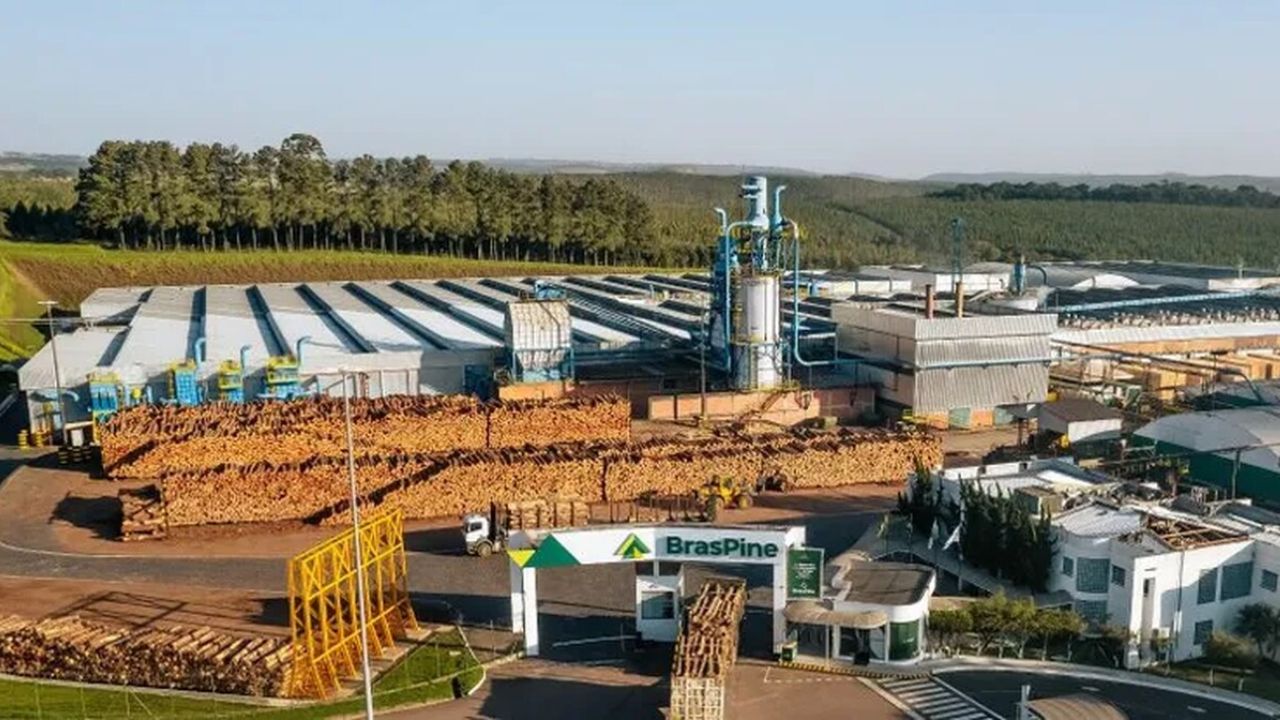
The most symbolic case of this collapse was reported on July 22, 2025, when the company BrasPine, one of the largest exporters of industrialized timber in Brazil, announced the granting of collective vacation for 1,500 employees, representing about 60% of its workforce. This measure affected the Jaguariaíva and Telêmaco Borba units in the interior of Paraná and revealed what had already been discussed behind the scenes: the Brazilian forestry industry is on the verge of export collapse.
Prohibitive Tariffs: The Root of the Crisis
The trigger for this crisis was the tariff adjustment imposed by Washington, which raised taxes on Brazilian timber products to up to 50%, while countries like Canada, Chile, and Sweden continue to pay between 10% and 20% to access the same market.
-
The Federal Revenue issues a good alert for Brazilian taxpayers: 60.9% are already using the pre-filled tax return, automatic refunds via Pix reach millions, and the government plans for a fully automated income tax in the coming years.

-
India announces a plan of $3.06 billion to bring aviation to forgotten regions: 100 new airports, $1.07 billion in subsidies, and regional routes guaranteed for 10 years, from 2026 to 2036, away from the centers.
-
Brazil blocked a proposal from the United States at the WTO that would make the exemption from tariffs on digital products like streaming and ebooks permanent, favoring American tech giants at the expense of developing countries.

-
IPTU exemption for seniors in 2026: see how to secure the benefit.


This disparity made Brazilian timber commercially unviable for its main partners, especially the United States, which until this year was the primary destination for exports from the sector. Companies began to see their orders being canceled and their profit margins evaporating overnight.
“We are facing a total loss of competitiveness. Even with all the efficiency and environmental certification we have, we can no longer compete on an equal footing,” recently stated a representative of the forestry union in southern Brazil in interviews with the local press.
The Social Impact: More Than Just Numbers
The situation becomes even more severe when observing the direct effects on communities that depend on this sector. In Paraná alone, it is estimated that the forestry sector employs over 80,000 people, many of them in small towns whose economies revolve around the timber industry and pine cultivation for logging. The suspensions like those at BrasPine, therefore, are not isolated cases, but a warning sign of what could become a national crisis.
In Jaguariaíva and Telêmaco Borba, municipalities deeply linked to the timber chain, the atmosphere is one of total uncertainty. Merchants, transport companies, and suppliers are already feeling the reduction in the circulation of income, and municipal governments fear a surge in unemployment if there is no swift reaction from authorities.
Sustainable Production, But Without Commercial Outlets
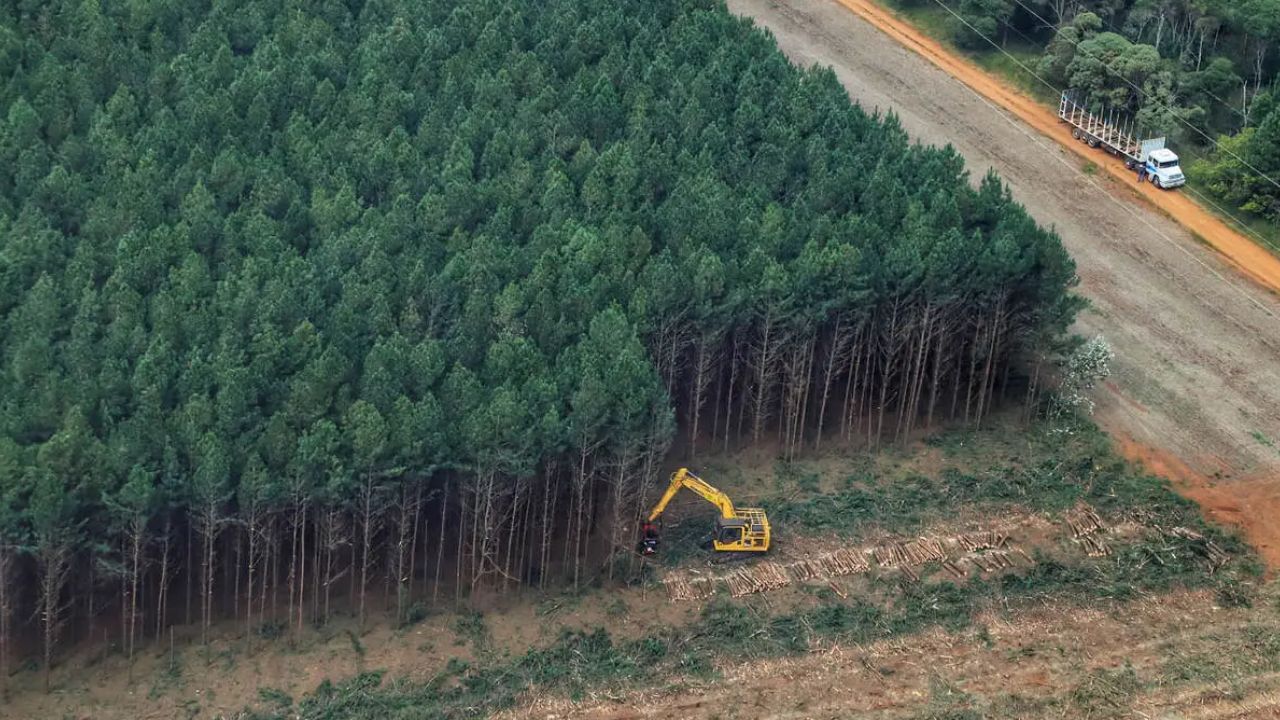
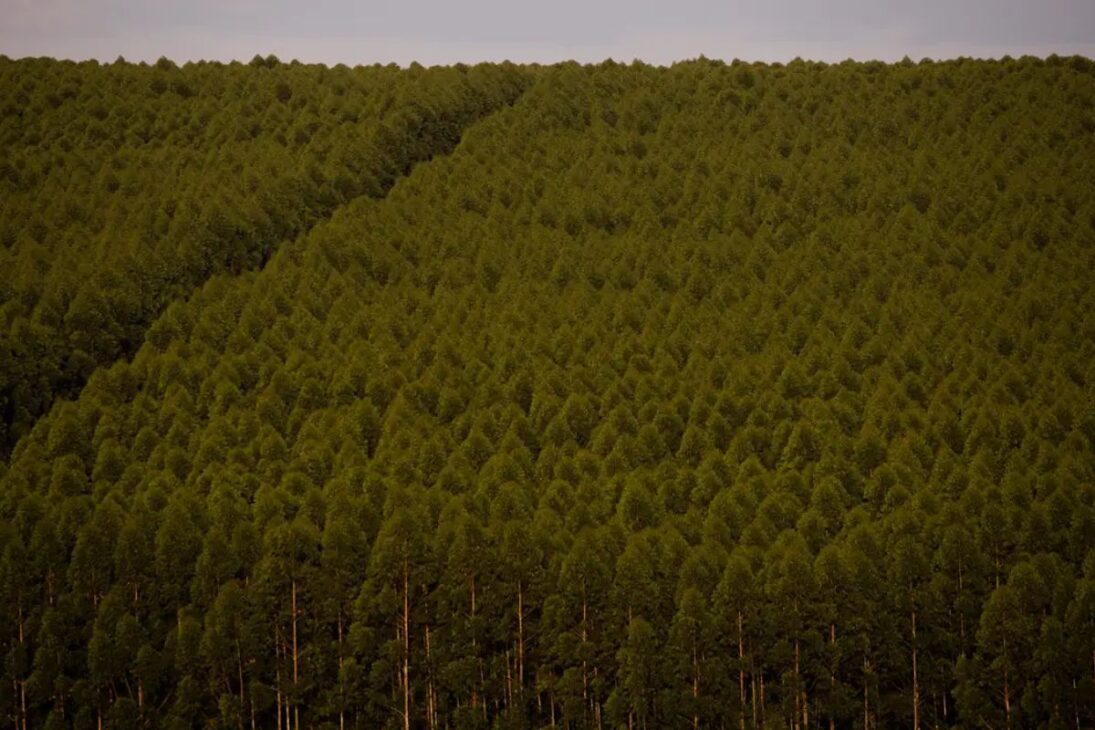
Paradoxically, Brazil has one of the most advanced forestry systems in the world. The country has over 9 million hectares of planted forests, primarily of eucalyptus and pine, managed under strict reforestation and environmental traceability standards. Companies like BrasPine and others in the sector have invested millions in international certifications to ensure the sustainability of their production.
However, this environmental advantage has not been enough to protect the country in the geopolitical game of international trade. The U.S. measures respond more to internal interests to protect their own industry than to technical or environmental criteria. As a result, Brazil is penalized for its efficiency, without access to the benefits promised to those who follow good environmental practices.
The Government’s Silence and the Fear of the Domino Effect
So far, the Brazilian government has been reluctant to make firm statements on the matter. Although diplomatic talks have been mentioned, there are no concrete signs that Brazil is actively negotiating the reduction of tariffs or applying equivalent trade measures. The Ministry of Foreign Affairs has not issued any official statement, and the Ministry of Industry has only recognized “concern” with recent cases in Paraná.
For sector analysts, this institutional vacuum could bring serious consequences: “If this issue is not resolved quickly, other industries such as paper, cellulose, or furniture may also begin to cut operations. It is a dangerous domino effect for the Brazilian industrial model,” explained a specialist from the National Confederation of Industry (CNI) in an interview with the magazine Exame.
And Now?
The future of the timber sector in Brazil is in the hands of decisions coming from outside the country. As long as the United States does not review its tariff policies, Brazilian companies will continue to lose ground and be forced to cut costs — which includes suspensions, layoffs, and reductions in investments.
The case of BrasPine is not the problem itself: it is the most visible symptom of a crisis that threatens to spread rapidly. Without a firm reaction from the Brazilian state, the largest planted forest in the Southern Hemisphere risks becoming a paralyzed giant, without a market, without stimulus, and, worse, without protection.






-

-

4 pessoas reagiram a isso.