





 Portuguese
  English
  Spanish
  5 min of reading
  0 comments


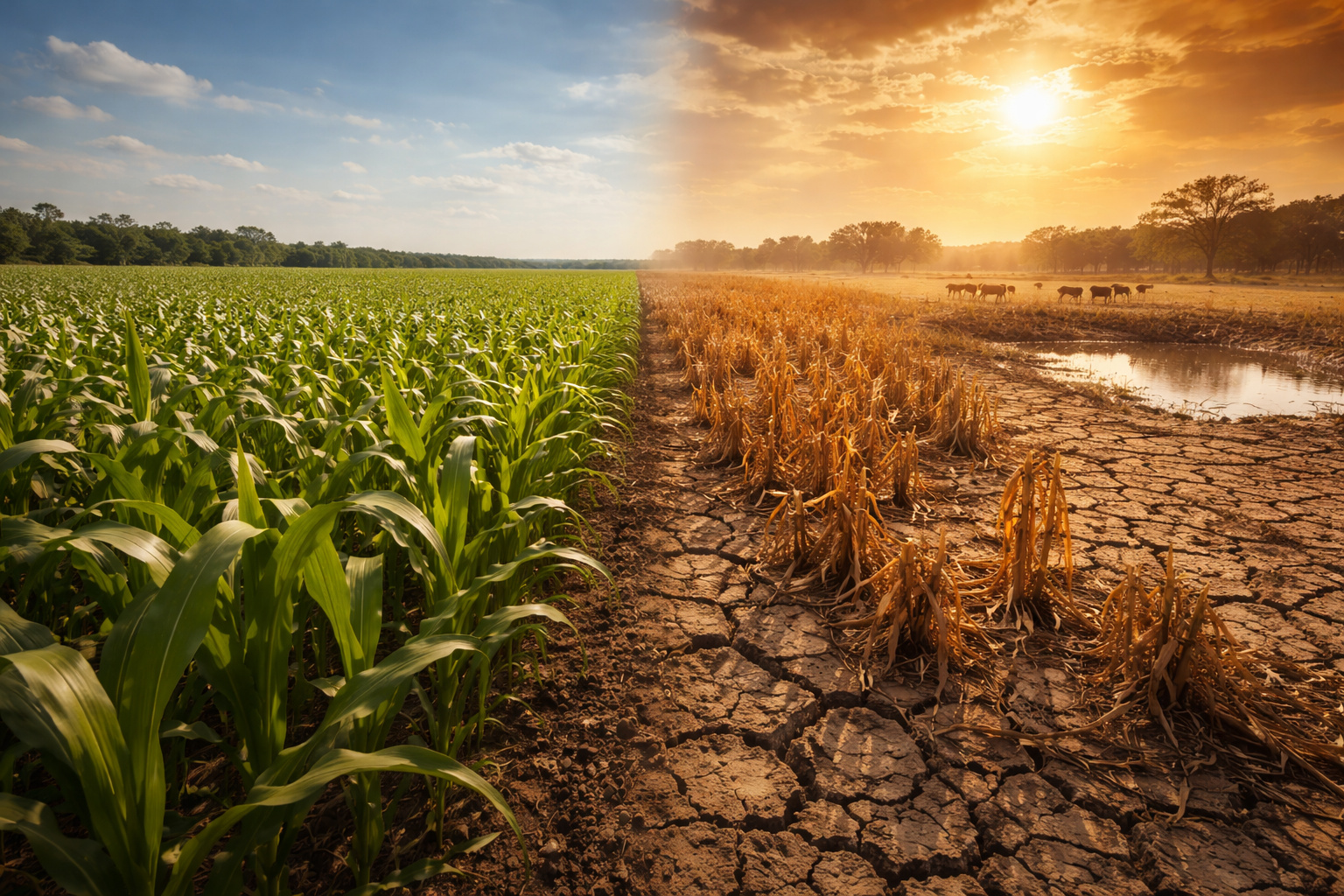
Extreme heat already impacts crops, livestock, and fishing worldwide; FAO report shows direct effects on global food production.
In 2025, the Food and Agriculture Organization of the United Nations (FAO) published the report “Extreme Heat and Agriculture”, dedicated to a phenomenon that has ceased to be merely climatic and has taken on a structural character: the impact of extreme heat on production systems. Based on recent scientific evidence and case studies in different countries, the document shows that the increasing frequency and severity of these events are already directly affecting agricultural production, livestock, fishing, aquaculture, and forest systems in various regions of the world.
The report makes it clear that heat does not act in isolation. It acts as a risk multiplier, interacting with drought, water availability, soil, and the physiological response of plants and animals, to the point where productivity ceases to depend solely on management and begins to encounter the thermal limits of biological systems.
In the formulation adopted by the FAO itself, each crop, animal, and aquatic species has a thermal safety margin, and heat becomes extreme when it exceeds this threshold and begins to impose real physical barriers to food production.
-
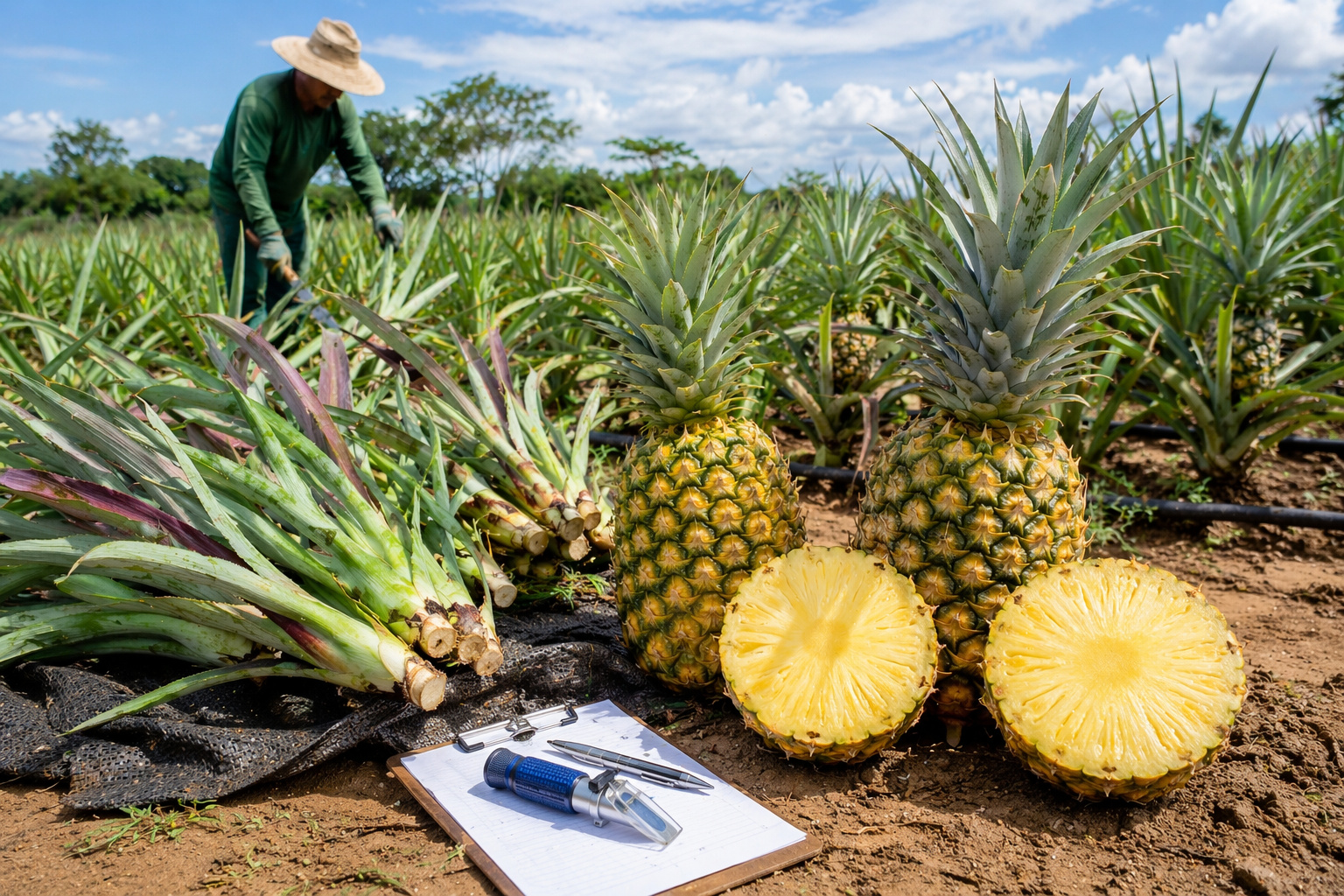
Spine-free pineapple, sweeter and more resilient: Mato Grosso develops new cultivars that promise to reduce losses from fusariosis and increase productivity in the field.
-
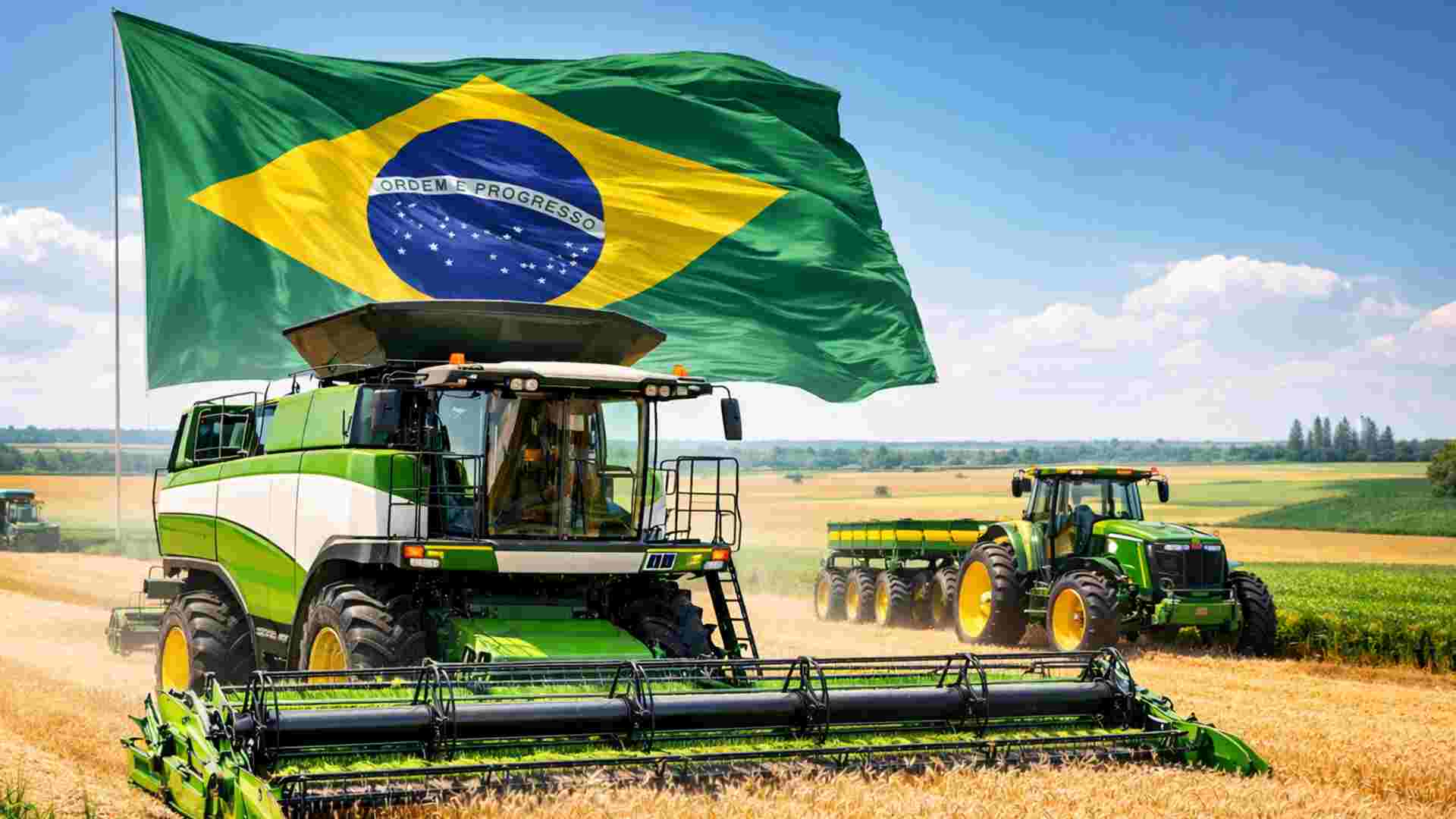
BNDES releases R$ 129 million for CNH Industrial Brazil to create more modern agricultural machines, with eight projects that include harvesters, accessible tractors, and a planter capable of applying seeds, fertilizers, and inoculants all at once in the Brazilian field.
-
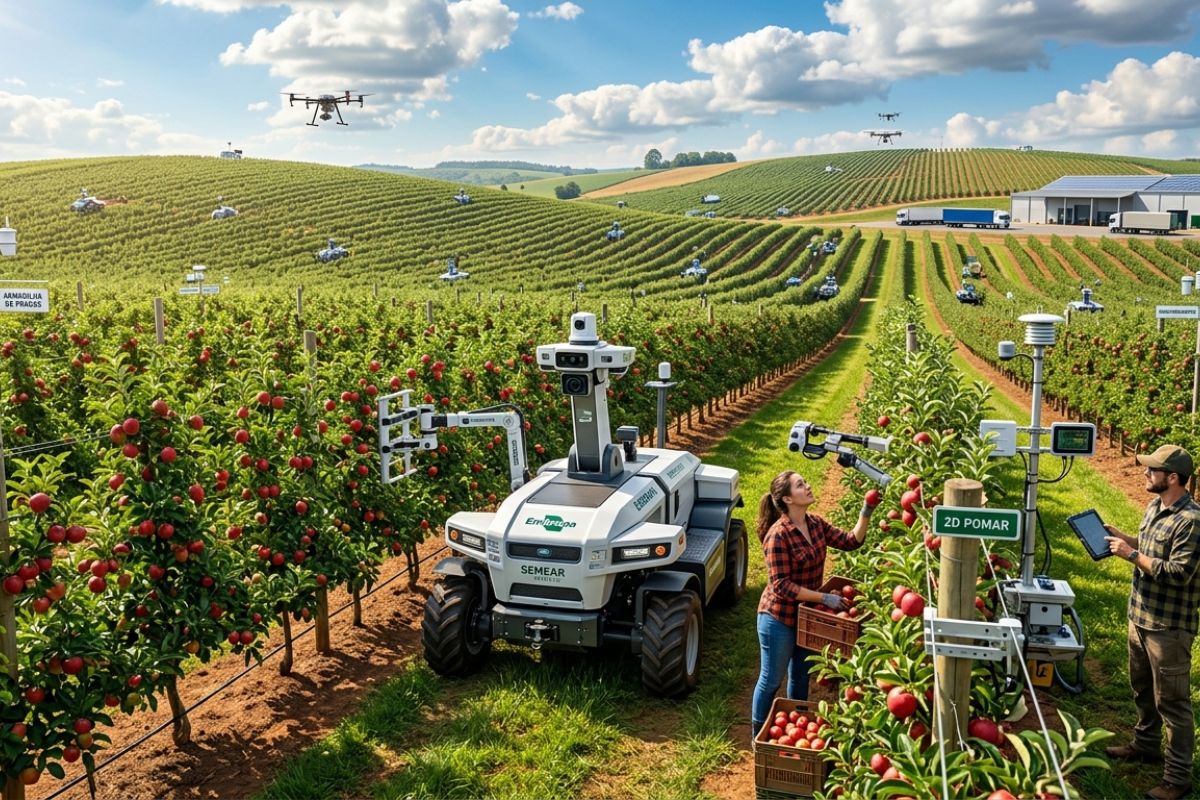
From manual harvesting to robotics: Vacaria, the apple capital, becomes an Embrapa laboratory in Semear Digital, with point-to-point mapping, pest traps, traceability, and 2D orchards to combat labor shortages.
-
In 2026, Brazilian soy becomes airplane fuel: Corsia mandates SAF, oil gains a premium of 40% to 80%, biorefineries alongside crushing plants and long-term contracts remove the producer from the commodity discount.
Impacts of extreme heat on agricultural productivity and crop yield
Agriculture is one of the areas most directly affected by rising temperatures. Crops such as corn, wheat, soybeans, and rice have ideal temperature ranges for growth and development. When these ranges are exceeded, physiological effects occur that reduce yield.

Among the main observed impacts are:
- Reduction in the rate of photosynthesis at elevated temperatures
- Acceleration of plant cycles, shortening the grain filling period
- Increased evapotranspiration, requiring more water
- Thermal stress during critical phases, such as flowering
These combined factors can result in significant productivity losses, even in areas with proper management. In more extreme scenarios, heat can cause complete production failures.
Additionally, rising temperatures favor the proliferation of pests and diseases, altering the biological balance of crops and requiring new phytosanitary control standards.
Thermal stress in livestock reduces weight gain and milk production
In livestock, extreme heat directly affects the metabolism of animals. Cattle, pigs, and poultry have well-defined thermal limits, and when these limits are exceeded, thermal stress occurs.
This phenomenon causes:
- Reduction in food intake
- Decline in growth rate
- Decrease in milk production
- Compromised reproduction
In the case of dairy cows, for example, elevated temperatures can significantly reduce daily production. In beef cattle, the impact appears as lower weight gain and increased time needed to reach slaughter weight.
In tropical regions, where temperatures are already naturally high, the additional increase caused by climate change intensifies these effects and pressures the profitability of the activity.
Extreme heat also affects fishing and aquaculture on a global scale
The FAO report also highlights significant impacts on fishing and aquaculture, sectors often less associated with thermal changes but highly sensitive to them.

The increase in water temperature causes:
- Changes in the distribution of marine and freshwater species
- Reduction of dissolved oxygen in the water
- Changes in the reproductive cycles of fish
- Increased mortality in intensive farming systems
These factors affect both capture and aquaculture production, creating instability in production chains that depend on specific environmental conditions.
In some regions, traditional species are migrating to cooler areas, completely altering the geography of fishing and impacting communities that directly depend on these resources.
Forest systems under pressure: fires and biomass loss
Forests also enter the equation of extreme heat. The increase in temperatures, combined with dry periods, raises the risk of wildfires and reduces natural regeneration capacity.
Among the main effects are:
- Increased frequency and intensity of fires
- Reduction of biomass and carbon sequestration capacity
- Changes in species composition
- Greater vulnerability to pests and diseases
These changes affect not only natural ecosystems but also forest production aimed at timber, cellulose, and other products.
Extreme heat as a structural variable in global agriculture
One of the most relevant points of the FAO report is the change in perception regarding extreme heat. It ceases to be treated as a one-off event and is considered a structural variable.
This means that:
- Agricultural planning needs to permanently incorporate thermal risk
- Adaptation technologies gain prominence
- The choice of cultivars and production systems begins to consider thermal limits
This change redefines how agriculture operates, requiring a more integrated approach between climate, genetics, management, and technology.
Technological adaptation in the field in the face of rising temperatures
In light of this scenario, different strategies are being adopted to reduce the impacts of extreme heat. Among them:
- Development of cultivars more resistant to thermal stress
- Expansion of irrigation in strategic regions
- Use of shading and integrated systems in livestock
- Real-time climate monitoring
Additionally, digital agriculture is beginning to play an important role, allowing for quicker and more precise adjustments in operations.
These solutions do not eliminate the problem but help reduce losses and increase the resilience of production systems.
Global food security on alert with the advance of extreme heat
The combined impact on agriculture, livestock, fishing, and forests highlights a central theme: global food security.
With the world population growing and the demand for food increasing, any consistent reduction in productivity can generate chain effects, such as:
- Price increases
- Pressure on international markets
- Greater vulnerability of importing countries
In this context, extreme heat ceases to be merely an environmental issue and becomes a large-scale economic and social factor.
Comment: Is agriculture prepared to deal with extreme heat as a new reality?
The rise in temperatures is already beginning to reshape the functioning of agriculture on a global scale. What was once treated as an exception is now part of productive planning.
In your view, is the agricultural sector prepared to deal with this new scenario, or are we still reacting to a problem that has already become permanent?







Seja o primeiro a reagir!