





 Portuguese
  English
  Spanish
  3 min of reading
  0 comments



The Brazilian State-Owned Company Resumes Its International Ambition with the Negotiation of 9 Blocks in West Africa, Betting on Geological Similarities with the Pre-Salt to Secure Its Future. Understand How Petrobras Searches for Oil off the Coast of Ivory Coast.
In a move that marks its return to the international stage, Petrobras is searching for oil off the coast of Ivory Coast. The state-owned company announced on June 4, 2025, the beginning of exclusive negotiations to acquire exploration rights in nine deepwater blocks off the coast of the African country. This initiative is a central pillar of the company’s new strategy, which aims to secure its future through the discovery of new oil and gas reserves.
The bet on West Africa is not a coincidence. The region is seen as a “mirror frontier” of Brazil, with a geology very similar to that of the pre-salt. After years focused on divestments and domestic production, Petrobras, under new management and driven by the need to replenish its reserves, is once again looking to the other side of the Atlantic.
The Technical Advantage of Brazil and How Petrobras Searches for Oil off the Coast of Ivory Coast
The main attraction for Petrobras searching for oil off the coast of Ivory Coast is its geology. The marine basins of the African west coast and Southeast Brazil have a common origin. They were formed during the separation of the supercontinent Gondwana millions of years ago. This shared history results in very similar geological characteristics, significantly increasing the chances of finding large reservoirs.
-
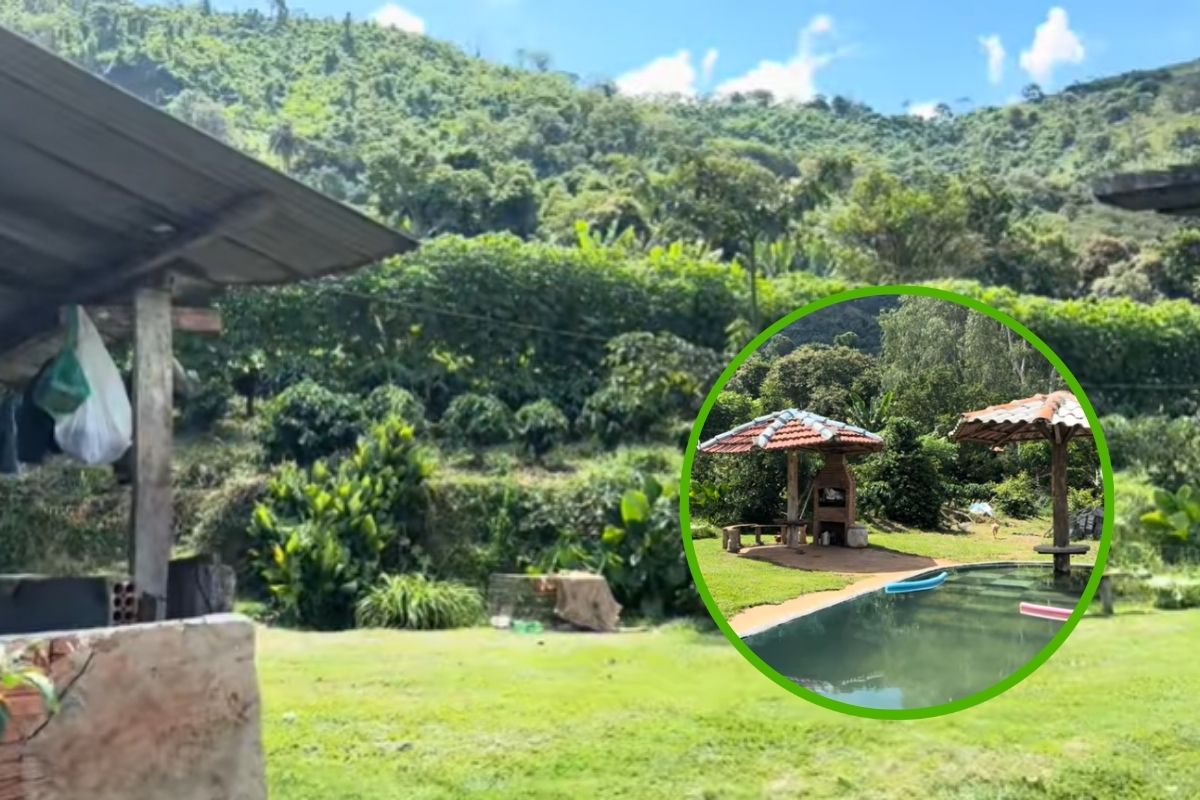
House without a door and without a window: a resident lives high in the mountains, says he enjoys the “free life,” mentions that the cat comes and goes hunting bats and rats, and that when it rains he wakes up with wet feet.
-
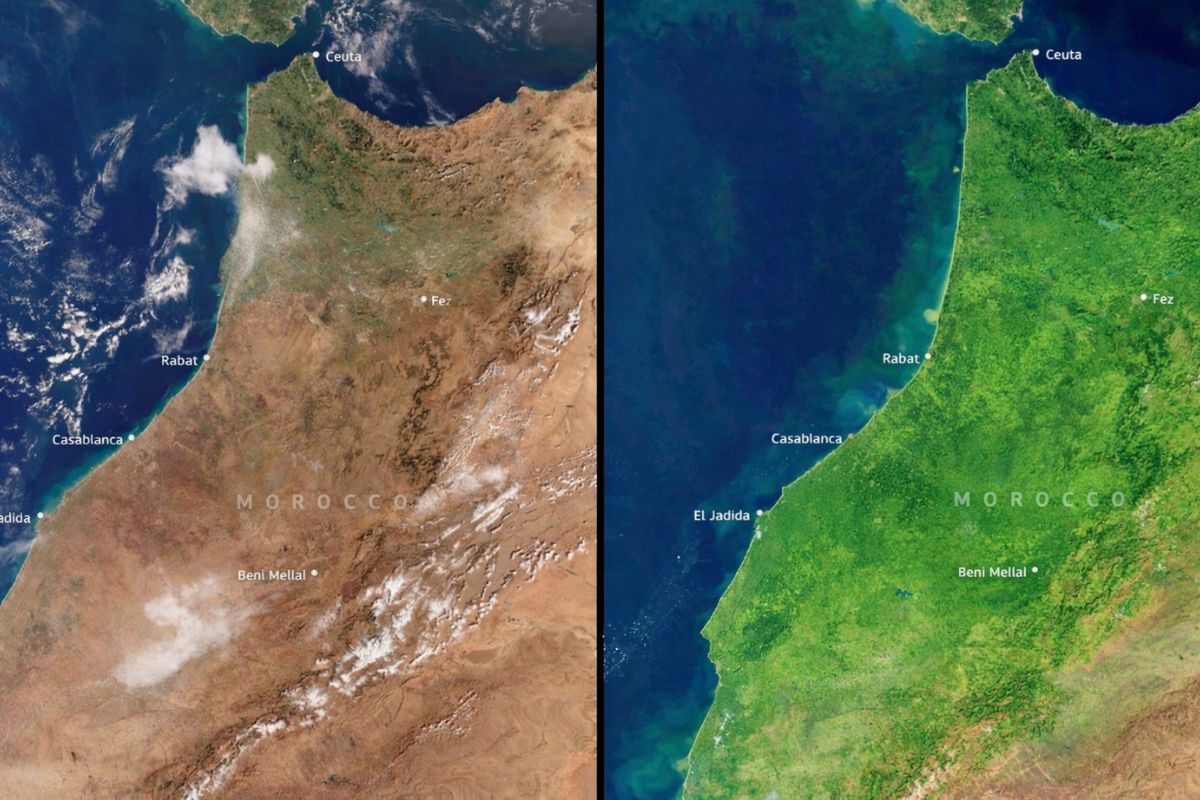
Satellite images show that Morocco became so green in 2026 that the country looks different from space: two months of heavy rains transformed arid land into dense vegetation for the first time in a decade.
-
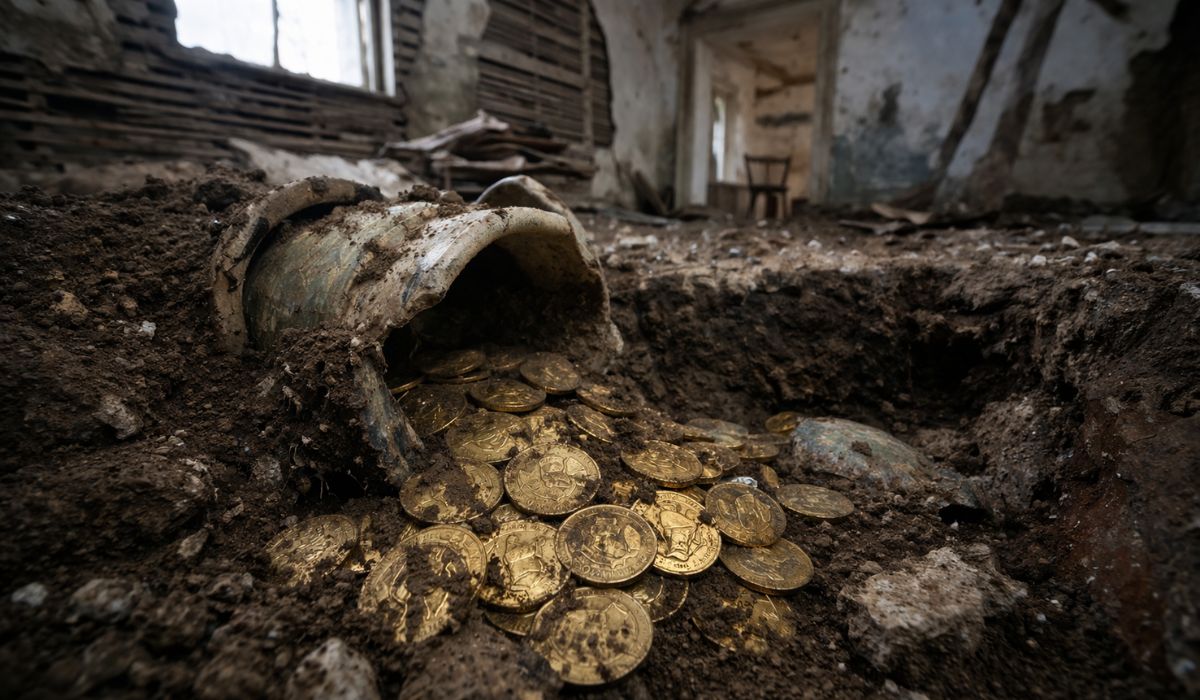
Archaeologists were excavating the foundation of a historic house in Russia when they discovered a buried treasure with gold coins, left behind in the final days of the Russian Empire and now valued at over R$ 2.8 million.
-
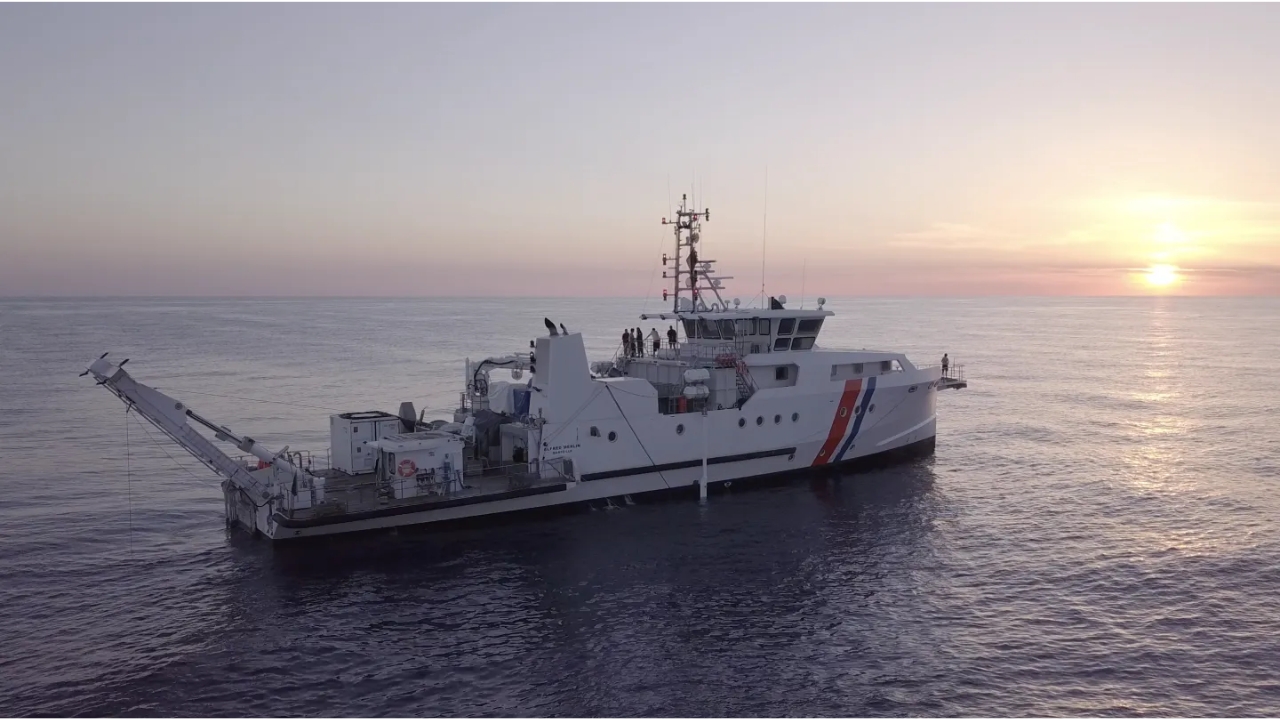
The Mediterranean has become the target of the largest underwater archaeological mission ever coordinated by UNESCO: eight countries have joined forces to map shipwrecks and protect a historic corridor.

For Petrobras, this represents an immense competitive advantage. The company can apply all the technical experience and the technology developed through hard work for the Brazilian pre-salt in a new territory. As stated by Petrobras’ president, Magda Chambriard, the company is betting on the experience gained in the South Atlantic to achieve success “on the other side of the ocean,” reducing exploration risks and costs.
What Will Petrobras Explore? The 9 Blocks Under Negotiation

Petrobras’s foray began with the submission of a declaration of interest to the Ivorian government. The country’s Council of Ministers promptly approved the request, which granted the Brazilian state-owned company the right to negotiate exclusively the contracts for exploration and production for nine offshore blocks.
This exclusivity is a crucial step, as it prevents other companies from making competitive bids while the final terms are being defined. The blocks are located in the western portion of the sedimentary basin of Ivory Coast, an area considered a new exploratory frontier, still under-explored, yet with high potential.
The Need to Diversify Beyond the Pre-Salt
The reason why Petrobras is searching for oil off the coast of Ivory Coast is strategic and urgent. Although the Brazilian pre-salt fields are still extremely productive, projections indicate that they will enter a phase of natural decline in the next decade. To ensure the company’s long-term sustainability, it is crucial to find and develop new sources of oil and gas.
Furthermore, international expansion serves as a way to diversify risks. Petrobras faces challenges and delays in obtaining environmental licenses to explore promising areas in Brazil, such as the Equatorial Margin. Investing in other frontiers, such as Africa, is a way to ensure that the company’s future does not depend on a single region. This move reverses the policy of the last decade, which was marked by the sale of international assets to focus on Brazil.
The Expansion in Question: Criticism from Environmentalists
Petrobras’s new expansion strategy does not come without controversies. The decision to seek new fossil fuel frontiers occurs at a time of intense global discussion about the climate crisis, drawing criticism from environmental organizations.
These groups question the rationale of investing billions in the search for more oil instead of accelerating the transition to renewable energy. Petrobras, in turn, defends that exploration is necessary to ensure energy security during the transition and bets on its technical capacity to carry out operations responsibly while minimizing environmental impacts.








-

-

-

-

6 pessoas reagiram a isso.