





 Portuguese
  English
  Spanish
  4 min of reading
  0 comments


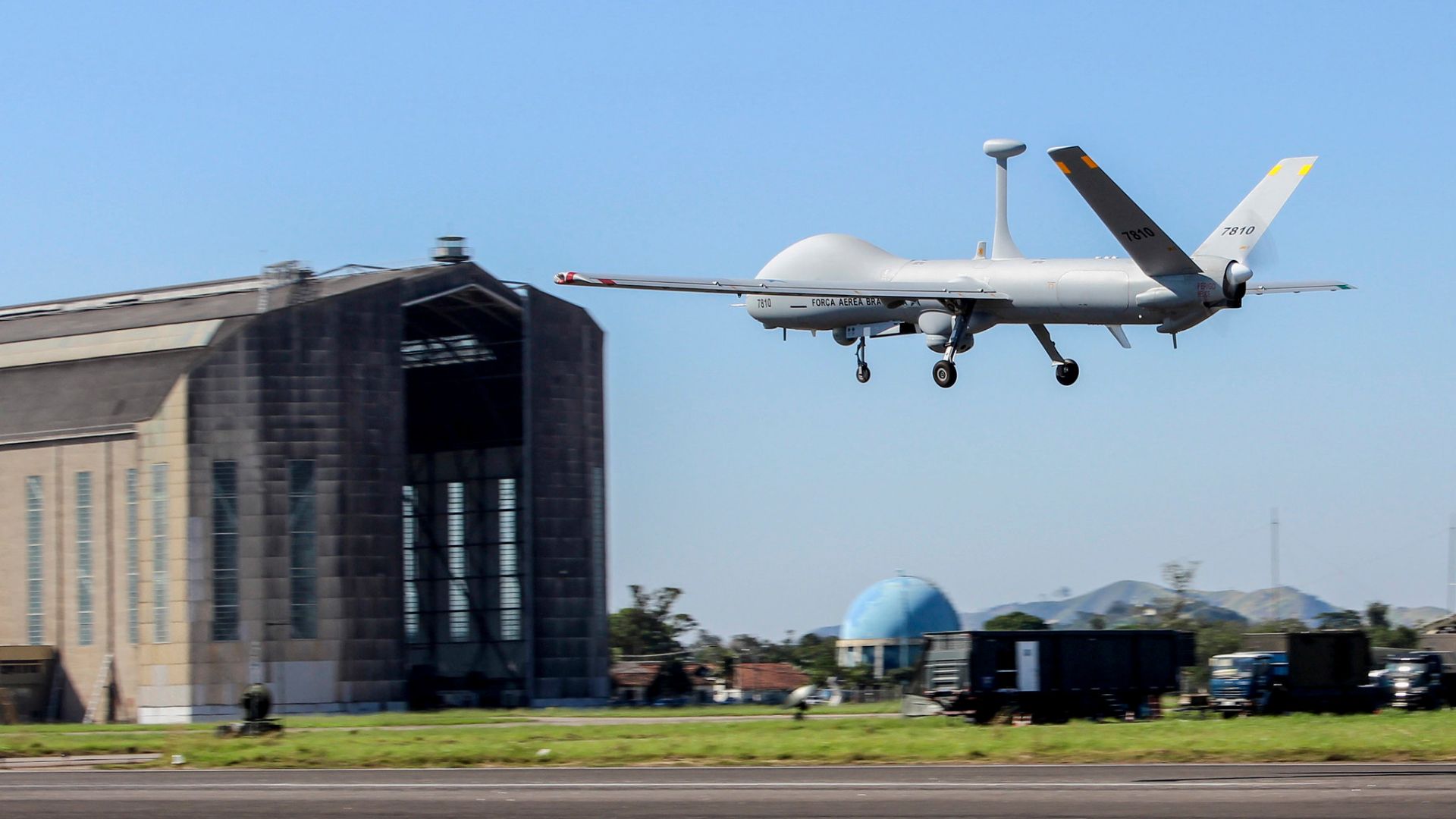
Incident with unmanned aircraft in multinational operation sparks debate on structural limitations, military logistics, and technological readiness of Brazil in critical scenarios
The Brazilian Air Force (FAB) faces a new operational setback following the crash of an RQ-900 Hermes 900 drone during the Cooperation Exercise XI, held in Campo Grande, Mato Grosso do Sul. The incident occurred last Wednesday (25), when the remotely piloted aircraft, registration FAB 7811, crashed in an uninhabited area, fortunately without causing any injuries.
The information was disclosed by the portal “Cavok”, based on official FAB data, highlighting that the episode occurred during one of the main multinational training exercises in Latin America. Additionally, the event brings together air forces from various countries under the coordination of the System of Cooperation among American Air Forces (SICOFAA), focusing on combined operations for humanitarian aid, search and rescue, and disaster response.
Multinational exercise and the strategic role of the Hermes 900 in FAB operations

In this context, Brazil’s participation in the exercise includes both manned and unmanned aircraft, reinforcing integration and interoperability among the involved nations. However, the loss of the Hermes 900 highlights a sensitive point: the increasing dependence on high-tech systems and the need for constant maintenance of these assets.
-
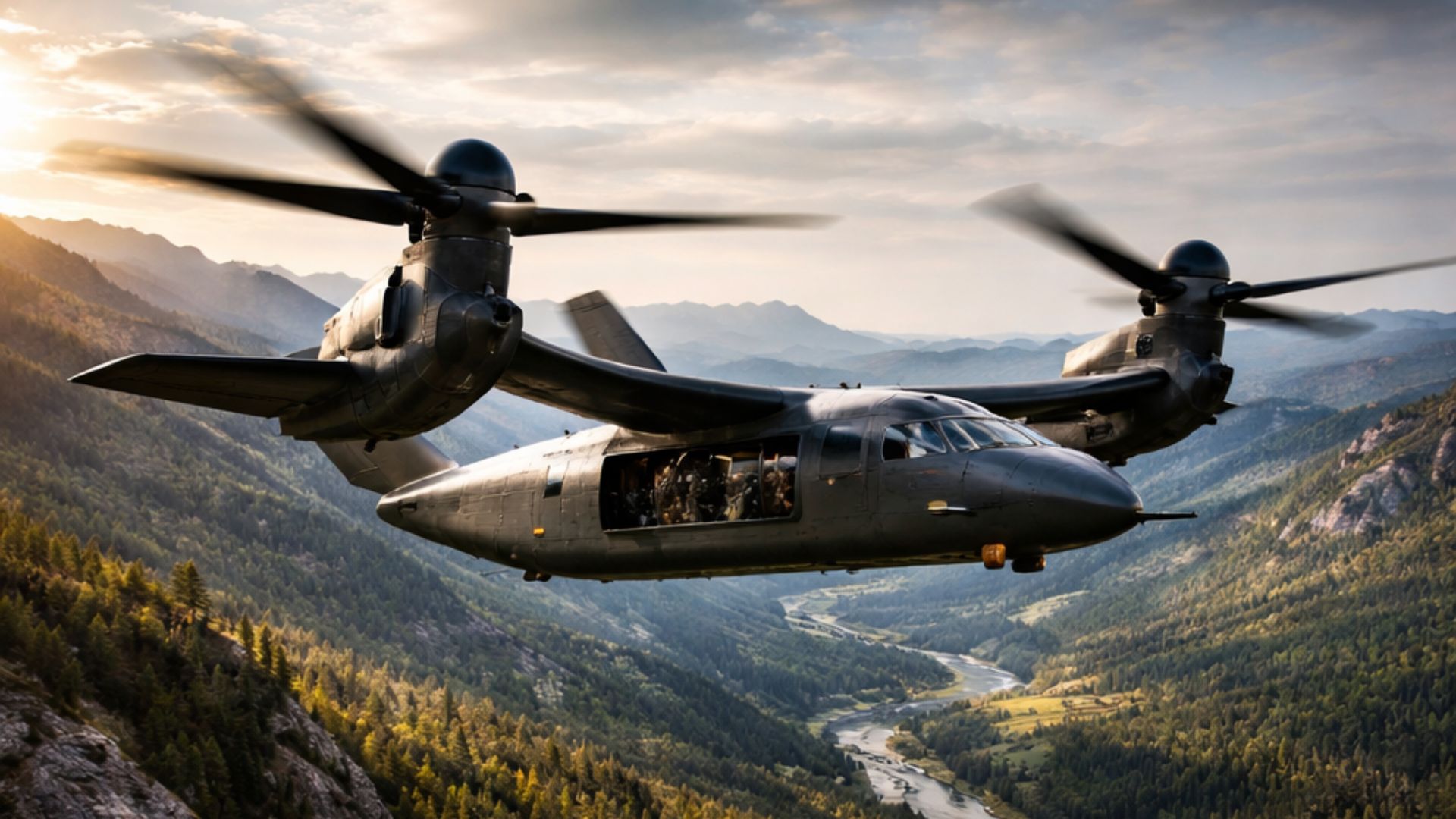
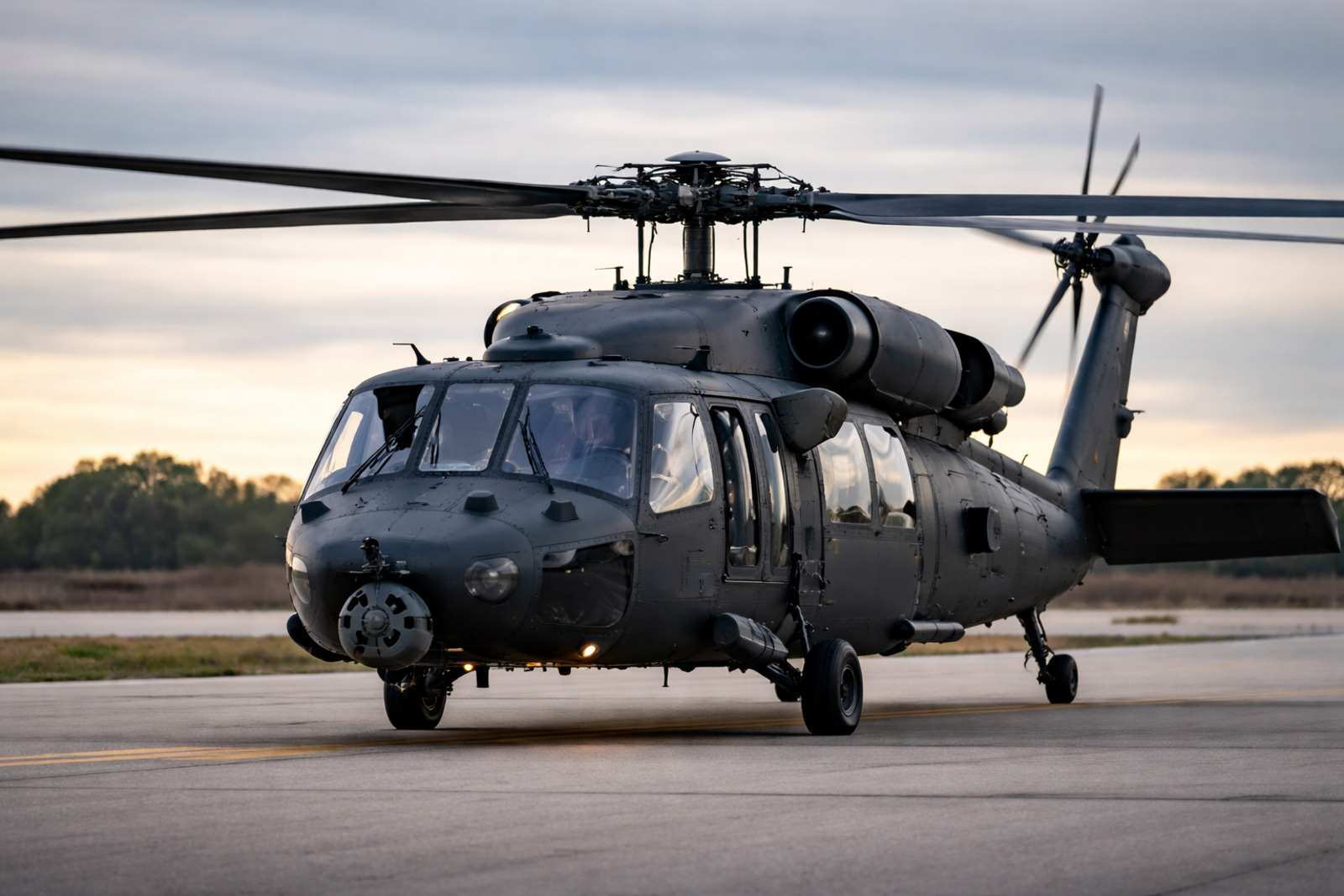
The U.S. Army bets on the multifunctional MV 75 aircraft with cutting-edge technology that promises to revolutionize modern warfare by combining extreme speed, greater range, and unprecedented operational efficiency.
-
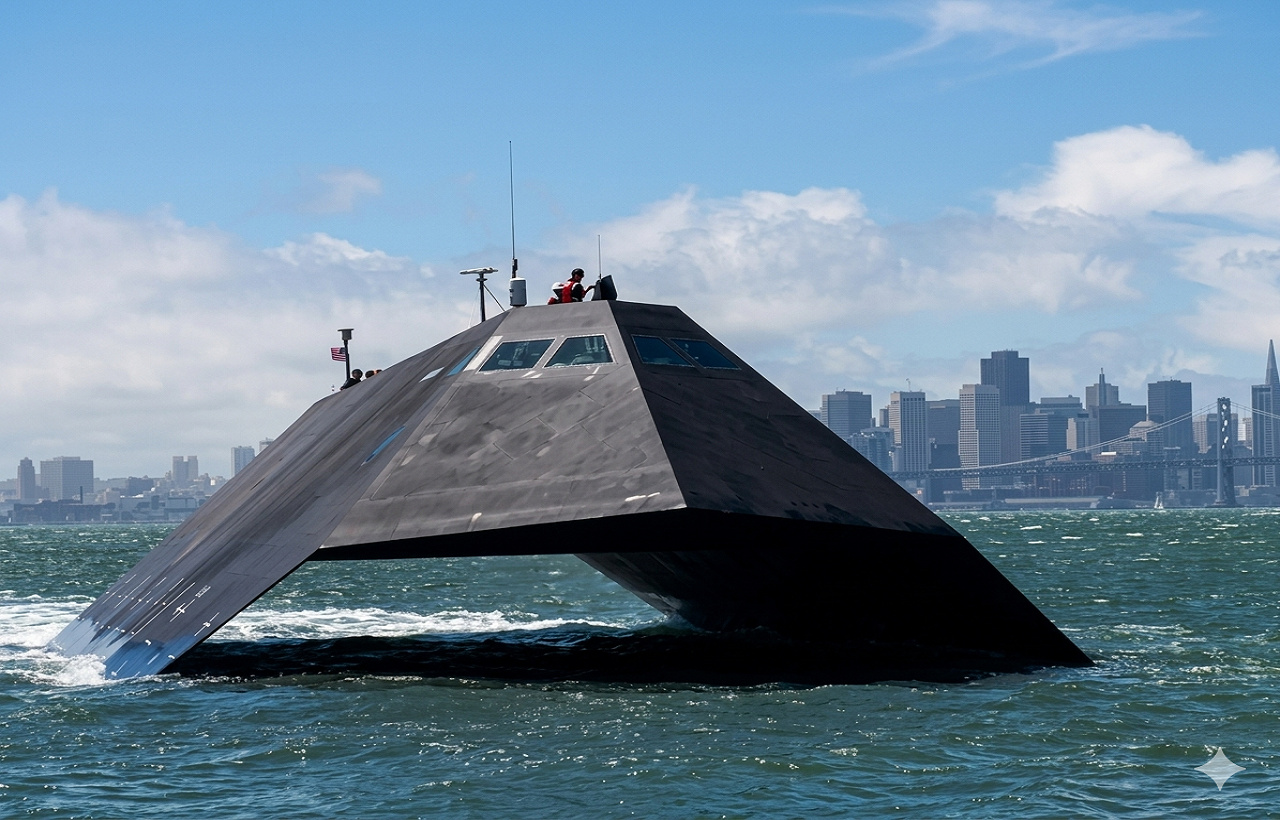
Built in secret inside a barge with a satellite-proof roof, the 49-meter, 560-ton ship with stealth technology deflected radar waves like an F-117 fighter, sailed invisibly for nearly 10 years at night, and, despite costing 170 million dollars, ended up being dismantled and sold as scrap for only 2.5 million.
-
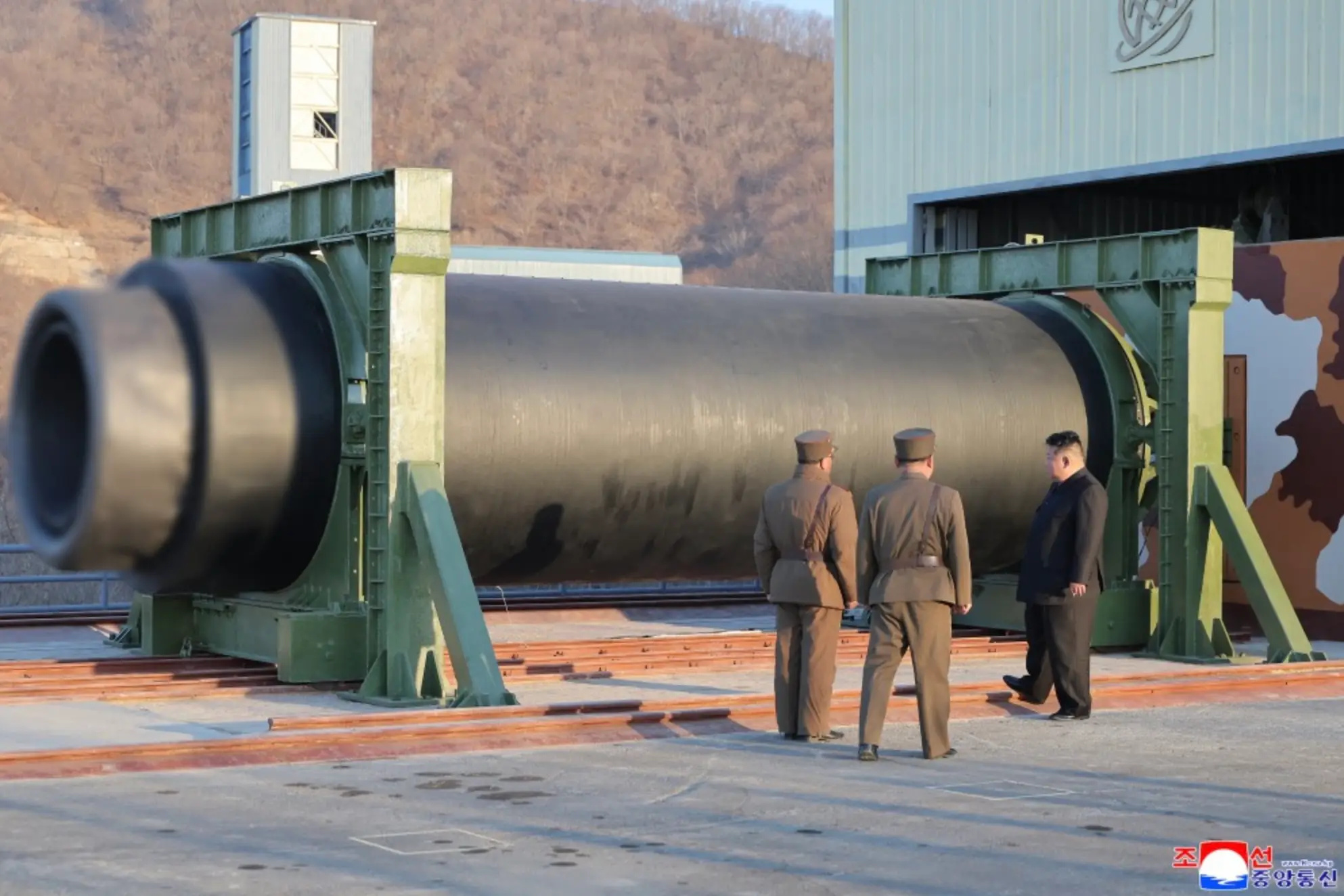
North Korea tests intercontinental range rocket with a 2,500 kN solid fuel engine supervised by Kim Jong Un and advances in a five-year strategic plan.
-
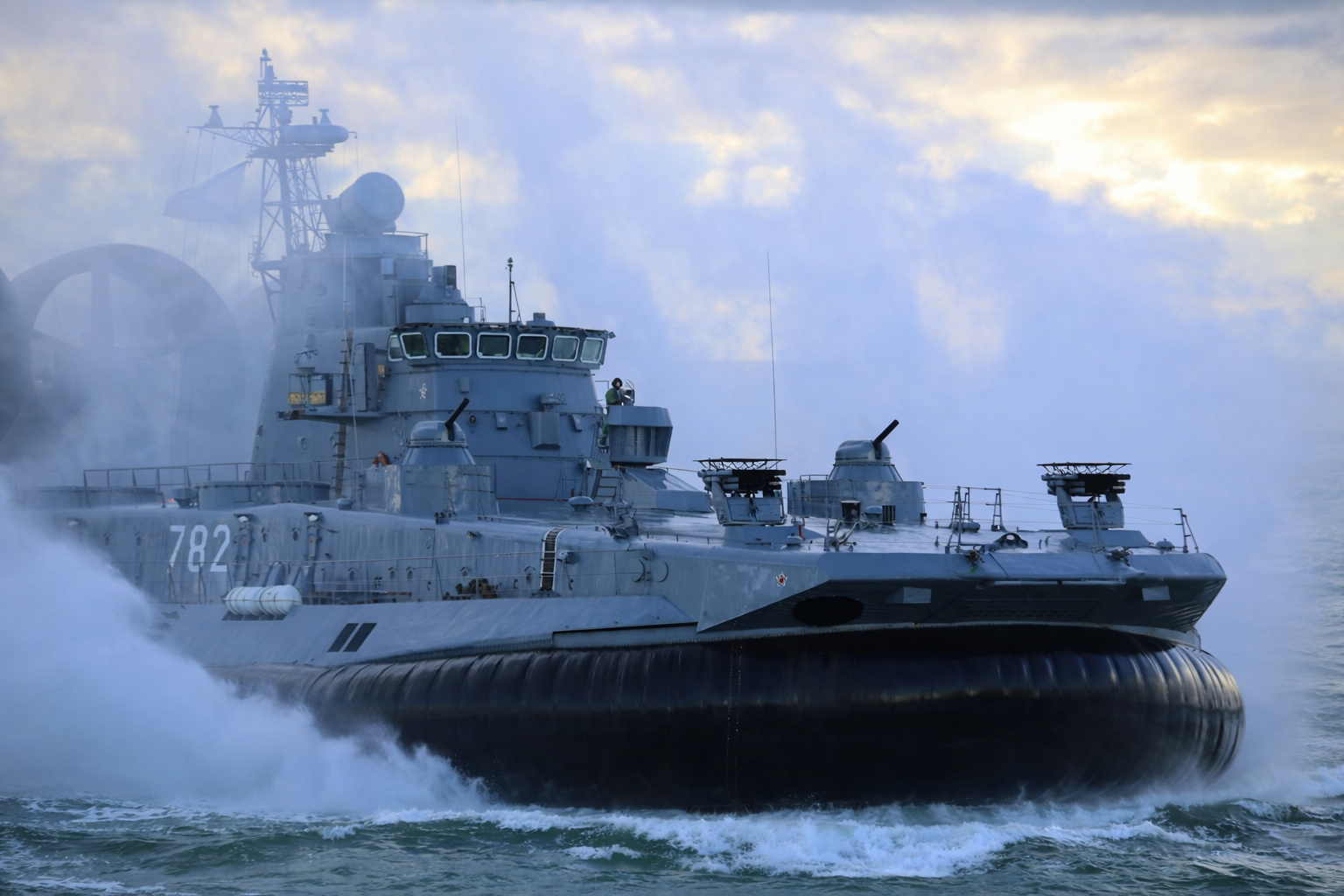
Classified as a “amphibious monster” weighing 555 tons, 57 meters long, and featuring three propellers with a diameter of 5.5 meters, the Zubr is the largest military hovercraft ever built, capable of transporting 3 tanks or 500 soldiers at speeds exceeding 100 km/h over water, ice, and sand, and China has resumed production of it to project power in the South China Sea.

Developed by the Israeli company Elbit Systems, the Hermes 900 is classified as a MALE (Medium Altitude Long Endurance) drone, considered one of the main surveillance instruments of the FAB. With a wingspan of approximately 15 meters and a maximum takeoff weight exceeding one ton, the equipment can operate for over 30 continuous hours, depending on the mission.
Moreover, its onboard technology allows the use of electro-optical sensors, synthetic aperture radars, and advanced intelligence systems. Thus, the Hermes 900 is capable of monitoring large areas in real-time, being essential for both military missions and civil support operations.
In Brazil, the drone is operated by the Hórus Squadron (1st/12th GAV), based at the Santa Maria Air Base in Rio Grande do Sul. This unit plays a strategic role by conducting missions such as border surveillance, combating illicit activities, and supporting civil defense actions.
Recent history of accidents and direct impact on operational capacity

However, this is not an isolated case. In recent years, the Hermes 900 has been used intensively in real scenarios, including the floods that hit the South of the country in 2024. At that time, the equipment directly contributed to locating victims and mapping isolated areas, demonstrating its importance in critical situations.
On the other hand, the recurrence of incidents is concerning. This is the second accident involving the model in less than a year. In May 2024, the aircraft FAB 7810 had already been lost during search and rescue missions in Rio Grande do Sul.
After that episode, the FAB initiated the process of fleet replenishment through the acquisition of a new unit, in partnership with AEL Sistemas, responsible for the integration and logistical support of Hermes drones in Brazil. However, the new equipment has not yet been delivered, which exacerbates the current scenario.
Reduction of the fleet and challenges in Brazilian air defense
As a direct consequence, with the loss of FAB 7811, the FAB now has only one active Hermes 900 aircraft, registration FAB 7812. This drastic reduction of the fleet raises important concerns about the operational capacity of the country in strategic areas.
Furthermore, experts point out that high-complexity unmanned systems require specialized maintenance, rapid replacement, and continuous investments — factors that do not always keep pace with the operational demand of a country with continental dimensions like Brazil.
In this regard, the FAB stated in an official note that the Center for Investigation and Prevention of Aeronautical Accidents (CENIPA) has been activated to investigate the causes of the accident. The agency is responsible for conducting detailed technical analyses, focusing on preventing new incidents, without punitive character.
Therefore, the episode not only exposes specific vulnerabilities but also reinforces the urgency for strategic investments in technology, logistics, and equipment replenishment. After all, in an increasingly unstable global scenario, the capacity for surveillance and rapid response becomes a critical differential for national security.
Amid rising global tensions and increasing reliance on unmanned technologies, is Brazil truly prepared to maintain its surveillance and strategic response capability with such a limited fleet?





Seja o primeiro a reagir!