





 English
  Francês
  Alemão
  Italiano
  Japonês
  Norueguês
  Portuguese
  Spanish
  3 min of reading


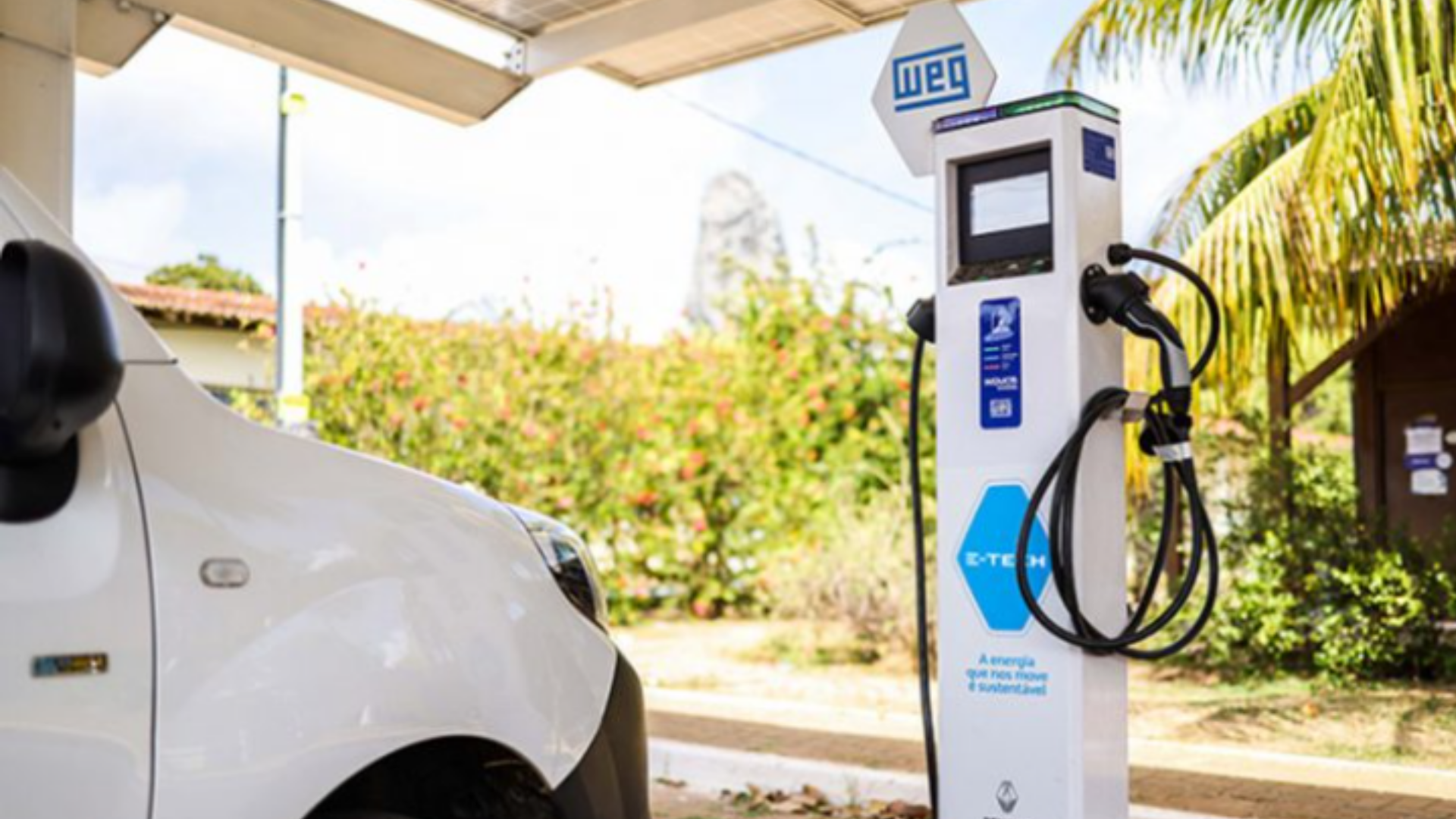
WEG Equipped the Mercedes-Benz Factory to Recharge Electric Vehicles with the Installation of Three Ultracharge Stations
WEG, one of the largest manufacturers of electrical equipment in the world, is reinforcing its reputation by now providing ultracharge stations and products for the energy distribution infrastructure of the new bus factory of Mercedes-Benz in São Bernardo do Campo, in the state of São Paulo. Check out this news: Mercedes-Benz Sells Automobile Factory in Iracemápolis (SP) to Chinese Great Wall Motors
- Legal Framework Will Bring Investments and Reduce Bureaucracy for the Construction of New Railways
- After an Investment of R$ 55 Million, the New Itatiaia Factory Will Generate 500 Job Vacancies in ES
- New Venture by Grupo Maratá Promises to Generate 250 Job Opportunities in the Sergipe Region
- ClearSale Opens Recruitment Process for Home Office Job Vacancies in SP and PR with Salaries of Up to R$ 15,000
- Technip Starts Recruitment for Positions in Macaé, Porto do Açu, Rio de Janeiro and Espírito Santo
The WEG Charging Station Installed at the Mercedes-Benz Factory
In addition to equipping the new manufacturing unit with its line of BWW armored busbars, WEG equipped the Mercedes-Benz factory to recharge electric vehicles with the installation of three ultracharge stations from the WEMOB – WEG Electric Mobility line, Model Station of 150kW, ideal for ultracharging heavy vehicles in standard CCS2-DC direct current.
With the capacity to completely recharge the lithium batteries of electric buses in up to three hours, the WEG stations at the Mercedes-Benz factory support high-voltage charging standards, up to 920Vcc, maintaining constant power, providing the best charging experience for all electric vehicles. The equipment also has secure access control via RFID or app, energy meters, and all integrated protection devices for safe charging.
-
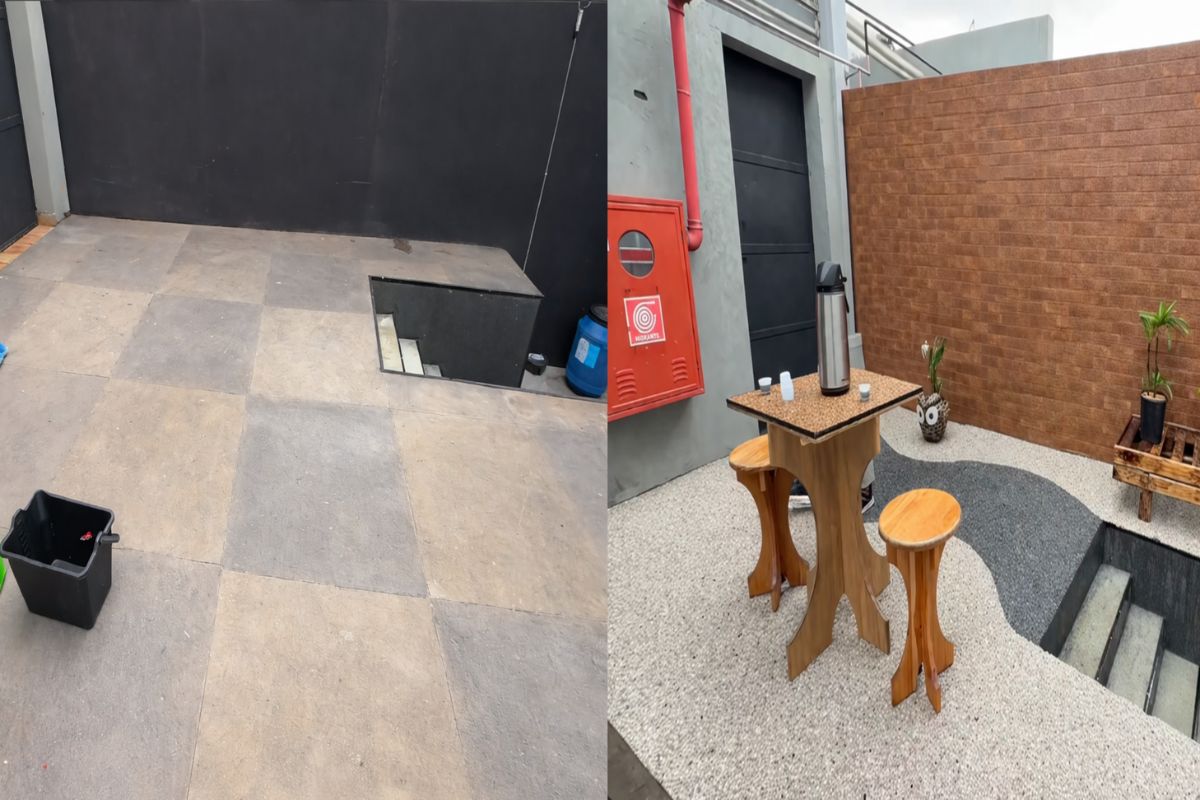
In just three hours, a natural stone floor transforms the entrance of the house with an organic effect, immediate drainage, and a sophisticated non-slip finish that doesn’t puddle water, dries quickly, and impresses with the final result.
-
‘Interlocking brick’ made of earth arrives in the construction industry with cost reductions of up to 40% on the project.

-
Espírito Santo will receive the largest engineering project in its history with the duplication of BR 262, which will have 50 viaducts, 28 bridges, and 2-kilometer tunnels cutting through the most challenging mountainous region of the entire state.

-
A project of nearly 9 million reais already has the first kilometer paved in Santa Catarina and promises to completely transform the access between Jaraguá do Sul and Rio dos Cedros in an area where tourism is growing at a rapid pace.


The Projects That WEG Installed at the Manufacturing Unit
WEG provided products for the energy distribution infrastructure of the new Mercedes-Benz bus factory in São Bernardo do Campo, in São Paulo. Manfred Peter Johann, general director of WEG Automation, says that creating solutions for a more sustainable world, meeting the needs of the automotive industry, is part of our commitment to making electric mobility a reality in Brazil.
The armored busbars installed in the new Mercedes-Benz factory are ideal products for the electric infrastructure of the automotive industry, as they allow for rapid layout changes without the need for complex alterations in the energy distribution network. Designed for housed use, the busbars are safe, robust, compact, flexible, and modular. The conductor bars are tin-coated through an electrolytic process along their entire length, providing total protection against the emergence of oxides from the conductive metal and preventing galvanic corrosion at the connections.
Check out this news: With National Technology, Mercedes-Benz Announces Production of Electric Bus in Brazil
The German automaker Mercedes-Benz is investing in electric mobility and announced this week its first electric bus in Brazil, in a project where over R$ 100 million has been injected. The new announcement includes the e0500U chassis, which is a low-floor standard urban model that has been in development for five years; the company estimates that sales will start in 2022.
The e0500U is a standard-sized bus with a length of 13.2 meters, a low floor, and a total capacity of up to 83 passengers, making it identical to diesel-powered models. With a constant power output of 250 horsepower, the vehicle can reach peaks of up to 380 horsepower, all using an electric drive axle from ZF that features two motors, one in each rear wheel.
The battery range of the Mercedes-Benz electric bus is 250 km with a recharge that can be done in two and a half hours. It is equipped with four battery modules, two under the roof and two under the floor, and can accommodate two more modules, increasing the bus’s range to 300 km. The e0500U has a total weight of 8.1 tons in its chassis and weighs 14.8 tons with the body, which is 2 tons more than is typically found in diesel vehicles. It is still unknown which body types will be used, but negotiations are already underway with companies in Brazil for partnerships.







Seja o primeiro a reagir!