





 Portuguese
  English
  Spanish
  3 min of reading


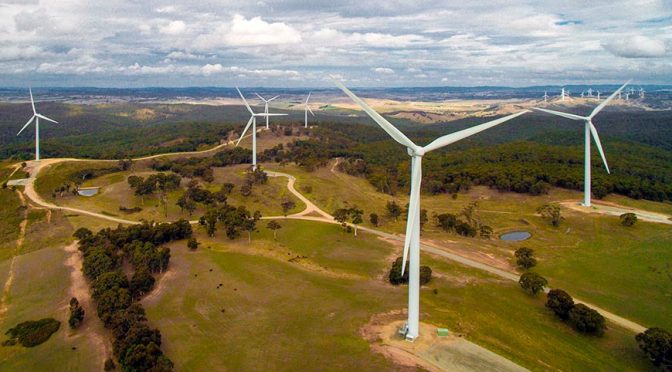
Goldwind, Chinese Manufacturer Advances in the Production of Wind Turbines in Brazil
The Chinese wind turbine manufacturer Goldwind has signed a new contract in Brazil, expanding the company’s local presence and signaling the Eastern appetite for more business in the largest wind energy market in Latin America.
Read Also
- Renewable Energy Company is Recruiting through CEPEM
- Ibama Authorizes New Offshore Wind Generation Project in Ceará with 100 Wind Turbines and 1.2 GW
- Maintenance and Operation of Wind Turbines Course Recognized by CREA. Work in the Wind Energy Sector
- Business Group Hiring for Wind Tower Jobs
The agreement is the first in the country involving new wind turbine generators from the 4S series, with a capacity of around 4 megawatts per machine, and was signed with the CGN Energy concessionaire, also under Chinese control.
With this measure, China expands its participation in the renewable energy sector in Brazil, where it already has a dominant position in supplying modules for solar plants and wind turbines but has had little presence in the wind segment itself until now.
-
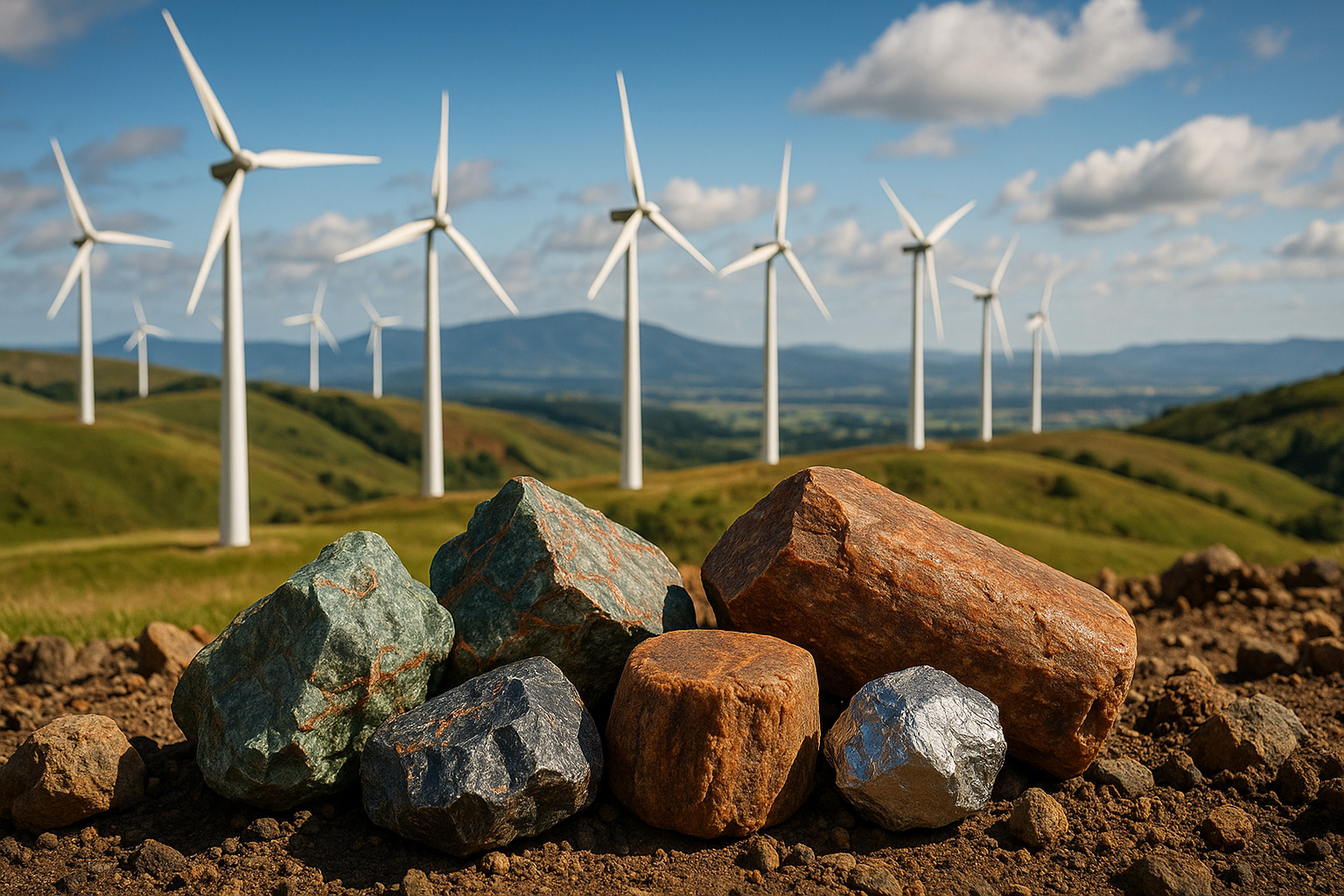
The Brazilian state accelerates industrial competitiveness with a focus on the extraction of strategic minerals to boost the energy transition in Goiás.
-
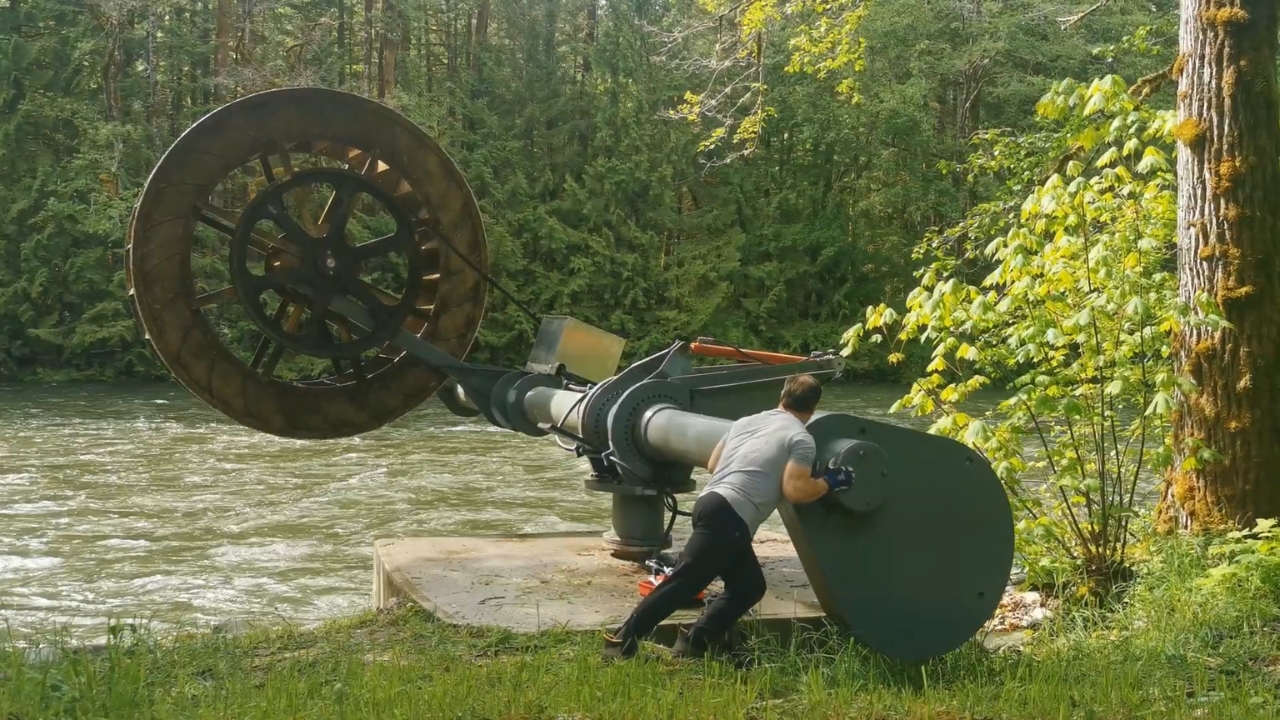
A Canadian retiree creates a hydroelectric system on a real river, generating energy continuously throughout the day and demonstrating how the power of water can supply a house with stability even in a simple structure.
-
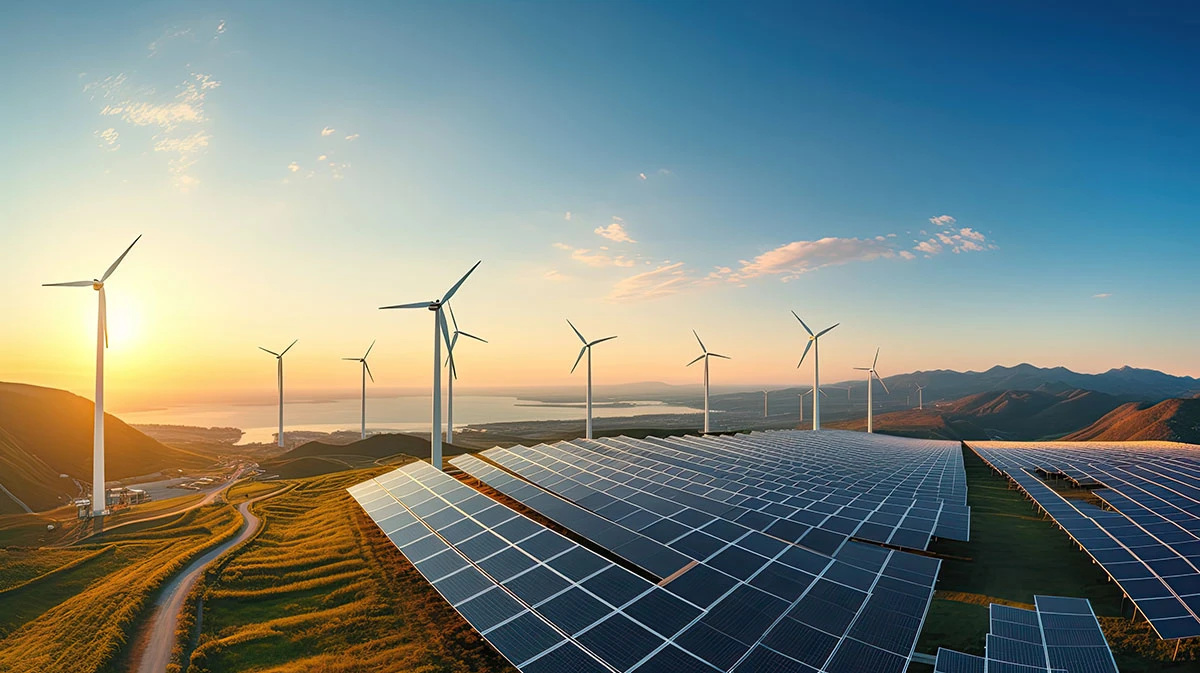
Petrobras reaffirms its commitment to the market and ensures that it will carry out the energy transition safely to maintain national sovereignty.
-
Researchers discover a possible hydrogen deposit of up to 46 million tons beneath an ancient coal basin, and the volume could exceed half of the entire global production.


18 Wind Turbines Supplied by the Chinese Turbine Manufacturer
“We confirm the hiring of Goldwind for the supply of 18 GW155 wind turbines, totaling 82.8 megawatts of installed capacity,” said CGN. CGN also reported that the wind turbines will be used in the expansion of the Lagoa do Barro wind farm in Piauí. Goldwind stated that the deliveries of the wind turbines are expected to begin in 2021 and that, with this contract, the company reaches the mark of “nearly 500 megawatts” of capacity negotiated in Brazil.
The wind turbine manufacturer had announced in the country, until now, only agreements involving repairs and works to resume the operation of plants with old wind turbines, signed with the state-owned Chesf, part of Eletrobras, and the generator Energimp. The Chinese manufacturer was one of the most installed wind turbines in the world in 2019, ranking fourth in WoodMackenzie’s consulting ranking, after obtaining global runner-up status in 2018.
However, recent changes in the Brazilian wind market should favor the business of new suppliers like the Chinese, who in recent years faced difficulties in entering the country.
It can be observed that many wind projects are now obtaining financing in the private debt market, and not just from the development banks BNDES and BNB, which have local content requirements for equipment, and that Chinese energy companies have also advanced in Brazil, potentially favoring business with Eastern companies.
Renewable Energy Projects in Brazil
Facilitating more generation projects to meet customer demand in the free energy market is also a positive factor, as it allows for various contractual arrangements that can also favor the import of equipment and the use of alternative financing sources, he added.
“A financing solution with a Chinese bank, for example, would not be surprising,” he said. “I certainly think (the Goldwind contract) could be the first of other projects we will see soon.”
Besides CGN, which purchased turbines from Goldwind, other Chinese energy companies, such as China Three Gorges, State Grid, and State Power Investment Corp, are also present in Brazil. The vice president of CGN in the country, Gabriel Luaces, told Reuters that the arrival of the new Goldwind turbine to the Brazilian market will be “beneficial for the entire sector,” even in the face of the “concentration” currently existing in the sector.








Seja o primeiro a reagir!