





 Portuguese
  English
  Spanish
  5 min of reading
  20 comments


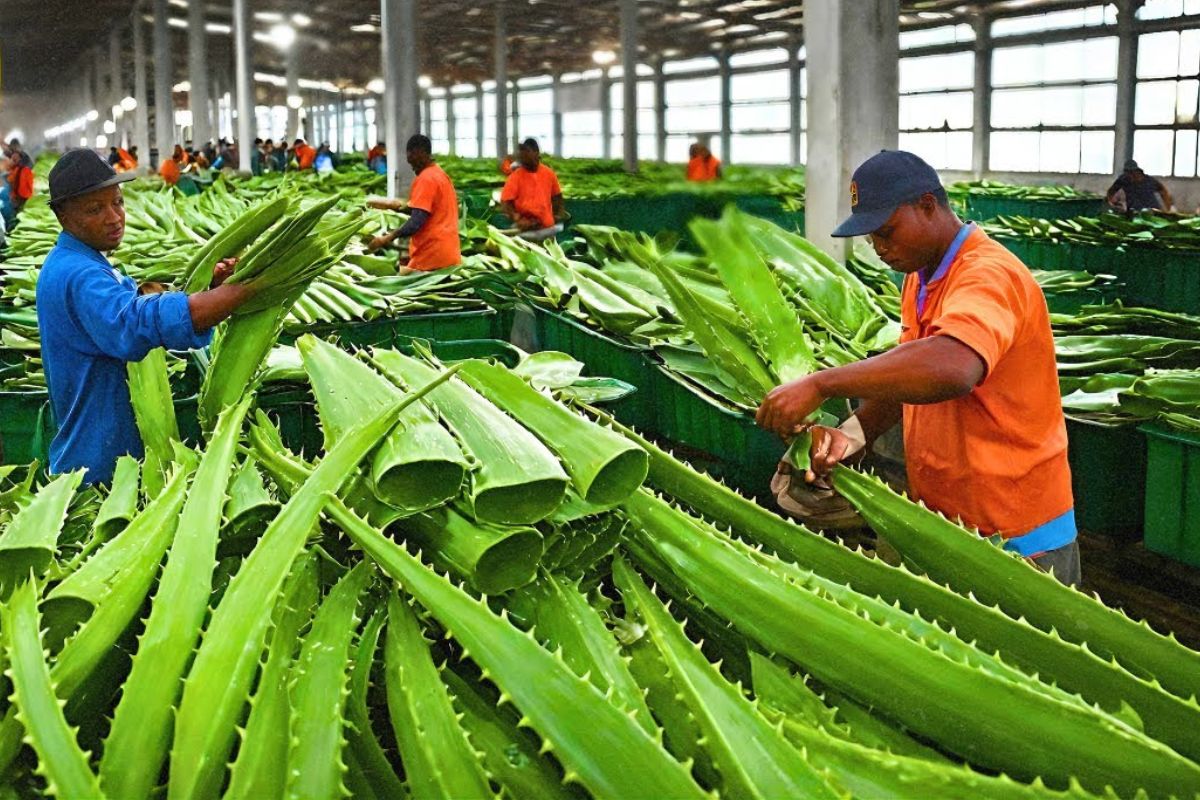


In Global Aloe Vera Factories, Farms Covering Hundreds Of Hectares, Planned Harvests And Automated Gel Extraction And Stabilization Systems Show How Aloe Turned From Domestic Pot To Supply Cosmetics, Supplements And Wellness Products Worldwide On Industrial Scale, With Sanitary Rigor And Standards
Large-scale aloe production has ceased to be an artisanal scene and has become a highly standardized process in which global aloe vera factories operate like true chemical plants, directly connected to the fields. From seedling management to bulk container filling, each step is designed to extract the maximum yield from the plant and minimize waste.
At the same time, this industrial chain responds to increasing pressure from the cosmetics, health and wellness markets, which seek stable, traceable natural ingredients with strict microbiological control. What was once just “aloe in the backyard” is now a strategic input, traded in large volumes and subject to technical requirements similar to those for food and pharmaceuticals.
From Planting To Harvest: The Field At The Service Of Global Aloe Vera Factories

The first link in this chain is in extensive plantations, where aloe vera occupies large areas in arid or semi-arid climates, with well-drained soil and low water requirements.
-
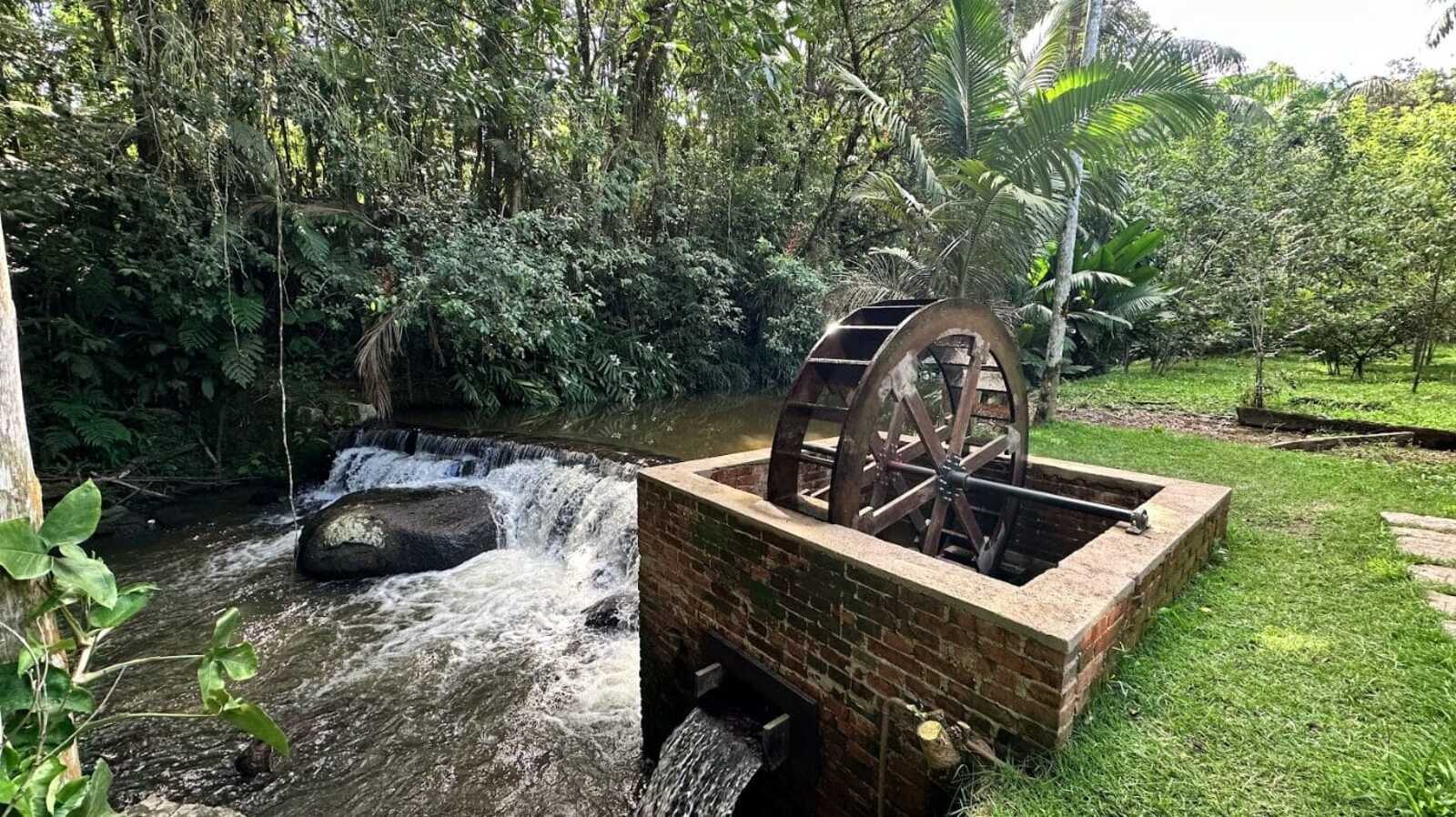
While restoring a historic mansion from 1910, a brick structure with an old turbine that generated energy from the Rio do Testo emerged, along with a hidden door and a rare floor concealed under layers of wax.
-
Italian researchers have detected what appears to be a second Sphinx buried under the sands of Egypt, and satellite scans reveal a gigantic underground megastructure hidden beneath the Giza Plateau for over 3,000 years.

-
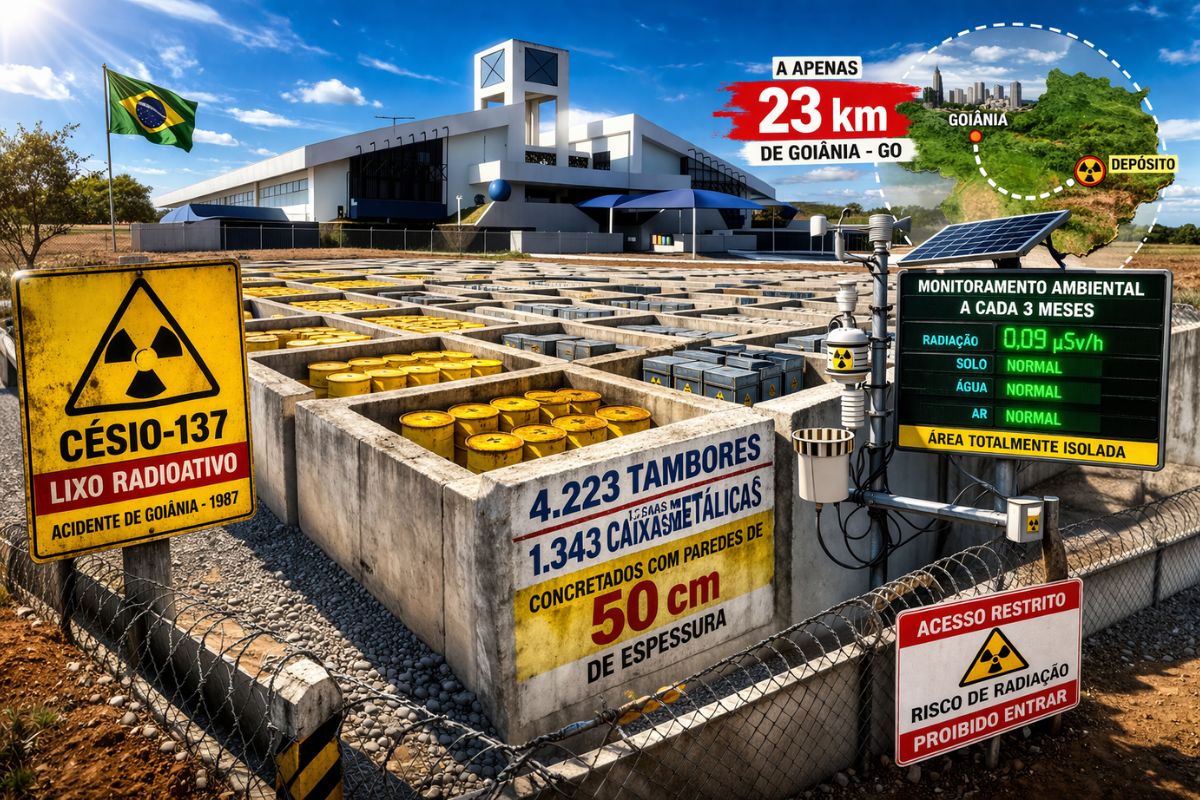
There are 4,223 drums and 1,343 metal boxes concreted with 50-centimeter walls that store the radioactive waste from Cesium-137 in the worst radiological accident in Brazil, just 23 kilometers from Goiânia, with environmental monitoring every three months.
-
Giant Roman treasure found at the bottom of Lake Neuchâtel in Switzerland reveals an advanced trade system, circulation of goods, and armed escort in the Roman Empire about two thousand years ago.


In these areas, producers organize the fields thinking directly about the continuous supply of global aloe vera factories, with spacing calculated to facilitate management, harvesting and truck circulation.
The multiplication of plants is primarily done through offshoots that emerge from the base of mature specimens.
These seedlings are transplanted into productive rows and enter a growth cycle that can take about 18 to 24 months until maturity.
From then on, the outer leaves are periodically harvested while keeping the inner ones to ensure the longevity of the plant and the stability of supply for global aloe vera factories.
Harvesting, although part of industrial systems, continues to require trained labor.
Workers use sharp knives or specific cutting tools to remove the leaves with minimal damage, preserving the internal gel and reducing losses.
Subsequently, the material is quickly directed to trucks with minimal time and, in many cases, temperature control, to avoid degradation before reaching the processing unit.
Reception, Washing And Sorting: When Aloe Enters The Industrial Line

Upon arrival at global aloe vera factories, the leaves undergo a critical hygiene step.
Automated systems with rotary brushes and high-pressure water jets remove soil, organic residues and possible surface contaminants.
Next, trained teams visually inspect the material, discarding damaged, oxidized or out-of-standard leaves.
At this stage, the focus is on standardizing the raw material that will proceed to gel extraction, a step where any impurity can compromise the microbiological and physicochemical quality of the final product.
The combination of automated lines with human inspections creates a double barrier of quality control, essential to meet the specifications required by major cosmetics and supplement brands.
Gel Extraction: Separating The Skin From The Pulp With Industrial Precision
After washing, the leaves move to the filleting sector.
In many industrial plants, the process is semi-automated: machines cut the ends and open the skin, while operators monitor the separation between the outer part and the transparent inner tissue.
The goal is to isolate the gel with minimal contact with aloin and other substances present in the skin, which can alter color, taste and desired properties.
The gel is collected in steel tanks in volumes that can reach tons per hour, forming a continuous flow that feeds the next processing stages.
At this point, the operation in global aloe vera factories makes clear the industrial nature of the business.
Valves, pumps, sanitary piping and flow controls dominate the scene, replacing any trace of artisanal production.
Stabilization, Filtration And Standardization Of Aloe Vera Gel
With the raw gel already separated, treatment begins to ensure stability and microbiological safety.
In general, the material passes through rapid heating and immediate cooling systems, in a type of pasteurization designed to reduce microbial load without destroying the compounds of interest.
Next, the gel undergoes multiple filtration stages, starting with coarser filters and evolving to fine processes and, in some cases, ultrafiltration.
The goal is to remove fibers, solid particles and micro-impurities, achieving a product with uniform texture, clearer appearance and longer shelf life.
Depending on the final use, the gel can proceed virtually pure or receive additional inputs.
For cosmetic applications, for instance, approved preservatives, fragrances and, eventually, other dermatological actives are added.
For lines aimed at supplements and beverages, adjustments focus on stability, flavor and compatibility with other formulation ingredients.
Bulk Packaging: Aloe Vera Ready To Travel The World
Once stabilized, the gel is directed to bulk filling systems.
Global aloe vera factories fill intermediate containers and large aseptic bags with hundreds of liters of product per unit, using pumps and calibrated nozzles to avoid variations and contaminations.
These packages are designed to preserve the gel during long logistical journeys, allowing the input to be shipped to different countries and production lines.
[Traceability follows the process: batches record the origin of the plantation, harvest date, processing parameters and laboratory test results.
From there, aloe vera gel moves to the cosmetics, personal hygiene, functional foods and supplements industries, where it will be diluted, mixed or encapsulated.
What comes out of the processing unit as a transparent and viscous product transforms into moisturizers, after-sun gels, beverages, capsules and a variety of items associated with wellness routines.
Aloe Vera As A Strategic Input In The Beauty And Wellness Industry
The consolidation of global aloe vera factories accompanies a change in consumer behavior.
The search for ingredients with natural appeal, associated with hydration, skin regeneration and gastrointestinal comfort, has made aloe an increasingly present active ingredient in labels and marketing campaigns.
Behind this trend lies an industrial system that needs to reconcile scale, quality and safety.
Cultivation in large areas, continuous processing, strict sanitary control and standardization of batches are now minimum requirements for a producer to supply aloe vera gel to major international brands.
At the same time, the pressure for sustainability is growing.
The efficient use of water in plantations, the correct disposal of skins and extraction waste, and the reduction of losses along the production line are at the center of the debate about the future of the global aloe chain.
In the end, what reaches the consumer in the form of a light cream or a capsule supplement is the result of a complex gear that connects fields, industry and science. And have you ever stopped to think about where the soap, moisturizer or supplement with aloe vera you use every day comes from?








Beatriz Amélia Lourencao Nogueira
Eu atuo com o melhor suco de Aloe Vera a 18 anos que seguem justamente todo esse rigor na produção com aprovação internacional. Não fico sem! Se alguém uiser saber mais a respeito segue meu contato 21988430093.
Bom dia! Ótima matéria! Tenho muitos hectares no Cwará, já planto um pouco de eloe vera, quero uma parceria para grande pprodução de eloe vera. Favor entrar em cintato no celular 85_ 999569848