





 Portuguese
  English
  Spanish
  3 min of reading
  0 comments



Created to Build 28 Rigs for the Pre-Salt, Sete Brasil Accumulated Billion-Dollar Debts, Delivered Less Than 20% of What Was Promised, and Terminates Activities After Years of Scandals, Frustrations, and Direct Impact on the Shipbuilding Industry and the Economy of Rio de Janeiro.
The Court of Justice of Rio de Janeiro declared Sete Brasil bankrupt on December 17, 2024, a company created in 2010 to provide drilling rigs to Petrobras and boost pre-salt exploration. Considered one of the largest corporate failures in Brazil’s recent history, Sete Brasil officially ends its activities after years of corruption scandals, delays, financial shortfalls, and unfulfilled promises. The information was initially reported by the Capitalist portal and confirmed by other sources such as CNN Brazil and Valor Econômico.
The company’s bankruptcy, which aimed to deliver 28 drilling rigs but only managed to complete four units, exposes the consequences of mismanagement combined with a lack of transparency in one of the most strategic sectors of the national economy.
Sete Brasil: From Billion-Dollar Promise to Irreversible Shortfall
Founded with the support of major investment funds and Petrobras, Sete Brasil was born with the promise of revolutionizing the Brazilian shipbuilding industry. At its peak, the project anticipated investments of US$ 25 billion, with the construction of 28 rigs to operate in the pre-salt. The expectation was for massive job creation and revitalization of national shipyards, according to a 2013 survey by Valor Econômico.
-
A study confirms that the natural gas sector will reduce greenhouse gas emissions in Brazil by 0.5% and accelerate the energy transition by 2026.

-
Petrobras implements a severe adjustment and confirms a 55% increase in the price of aviation kerosene with a proposal for installment payments for the companies.

-
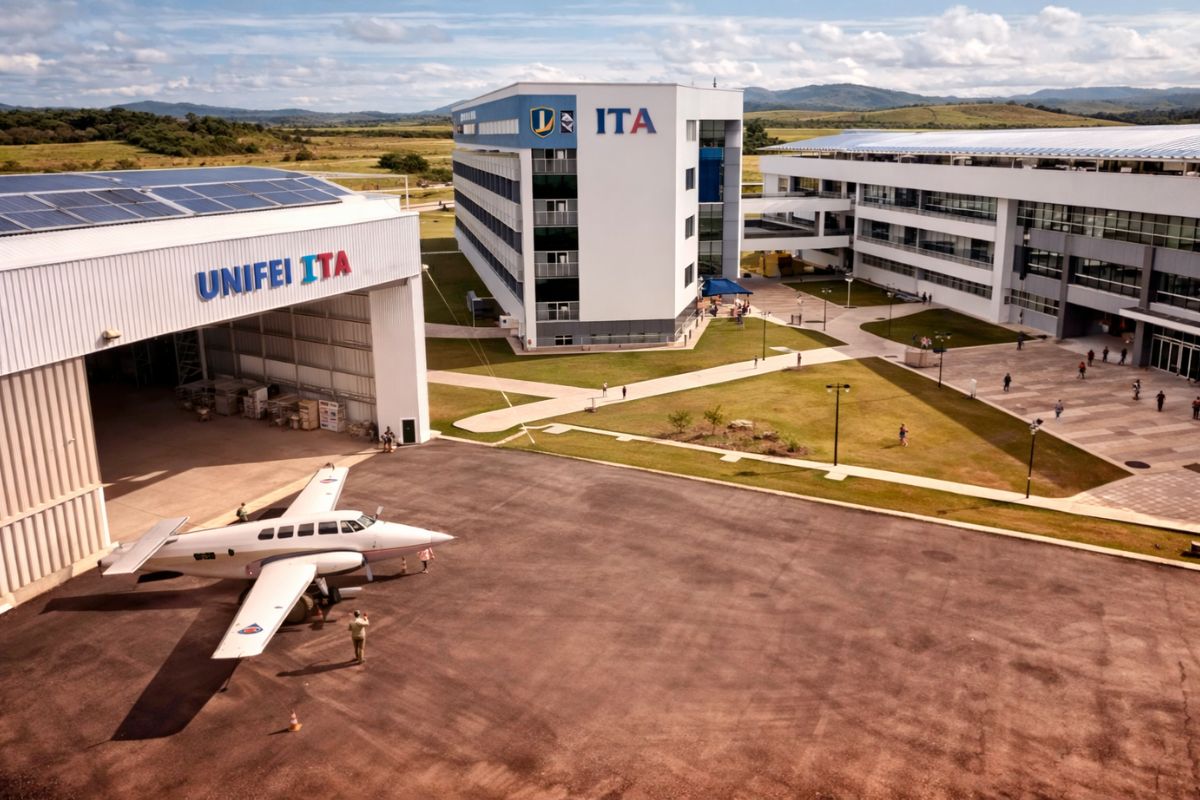
The institute that trained the greatest aerospace engineers in Brazil has just opened its first campus outside São Paulo after 75 years: ITA Ceará will have R$ 445 million, new courses in energy and systems, and classes are expected to start in 2027.
-
Luciano Hang, owner of Havan, goes to Juiz de Fora after the tragedy in February, brings R$ 1 million, hands out R$ 2,000 cards, and donates up to R$ 15,000 to victims in the region.


However, starting in 2014, the company was directly involved in the scandals revealed by Operation Car Wash, with allegations of corruption, overpricing, and irregular contracts. The scheme shook market confidence, drove away investors, and froze financial disbursements. According to a report by Estadão, the company’s asset shortfall increased from R$ 21.7 billion to R$ 36 billion between 2016 and 2023.
Without resources and with projects stalled, Sete Brasil entered judicial recovery in 2016 but never managed to recover. Of the 28 rigs planned, only 4 were partially completed. In December 2024, after eight years attempting a restructuring, the Court of Justice of Rio concluded that the only alternative was bankruptcy.
Impacts on the Shipbuilding Industry and the Economy of Rio
The bankruptcy of Sete Brasil leaves a trail of profound consequences in the Brazilian shipbuilding industry. Several partner shipyards of the company, especially in Rio de Janeiro, Bahia, and Pernambuco, drastically reduced their operations after contracts were frozen. Many ended up laying off hundreds of workers or shuttering operations, as reported by Agência Brasil.
Supplier companies of equipment, services, and labor were also affected. The expectation of re-industrialization of the oil and gas supply chain based on Sete Brasil’s orders never materialized. The bankruptcy also compromised the collection of royalties in the municipalities where the rigs would be operated, which directly affected investments in health, infrastructure, and education, especially in Rio de Janeiro.








-

-

3 pessoas reagiram a isso.