





 Portuguese
  English
  Spanish
  3 min of reading
  0 comments


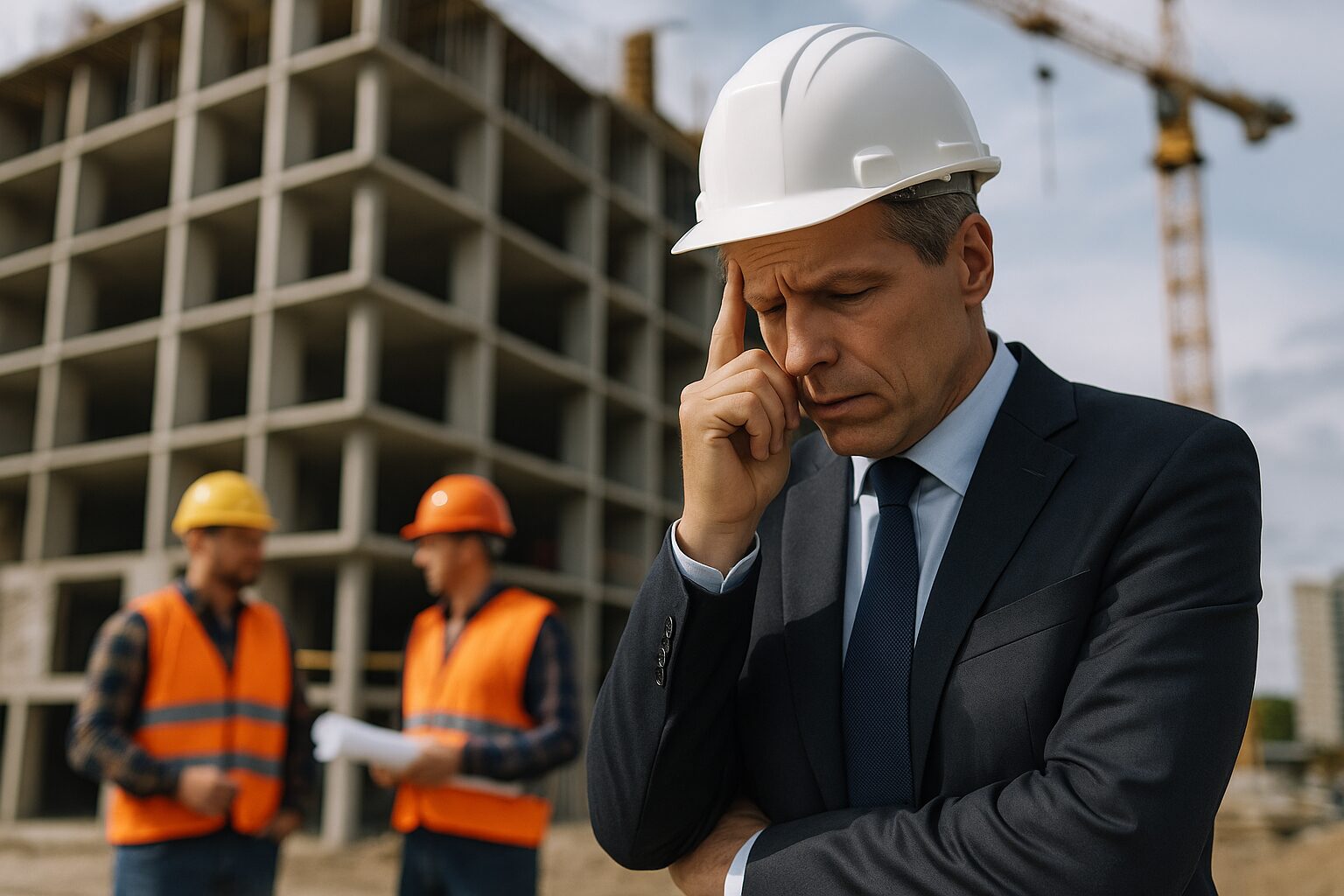
Even In Expansion, The Brazilian Construction Industry Suffers From The Lack Of Trained Professionals. From The Construction Site To The Board, Companies Report Growing Difficulties In Hiring And Retaining Talents
The construction industry is facing an impasse in Brazil. Even with the sector expanding, companies are facing a relentless challenge: the scarcity of labor. According to the Brazilian Institute of Economics of the Getúlio Vargas Foundation (FGV Ibre), more than 80% of companies report difficulty in hiring professionals.
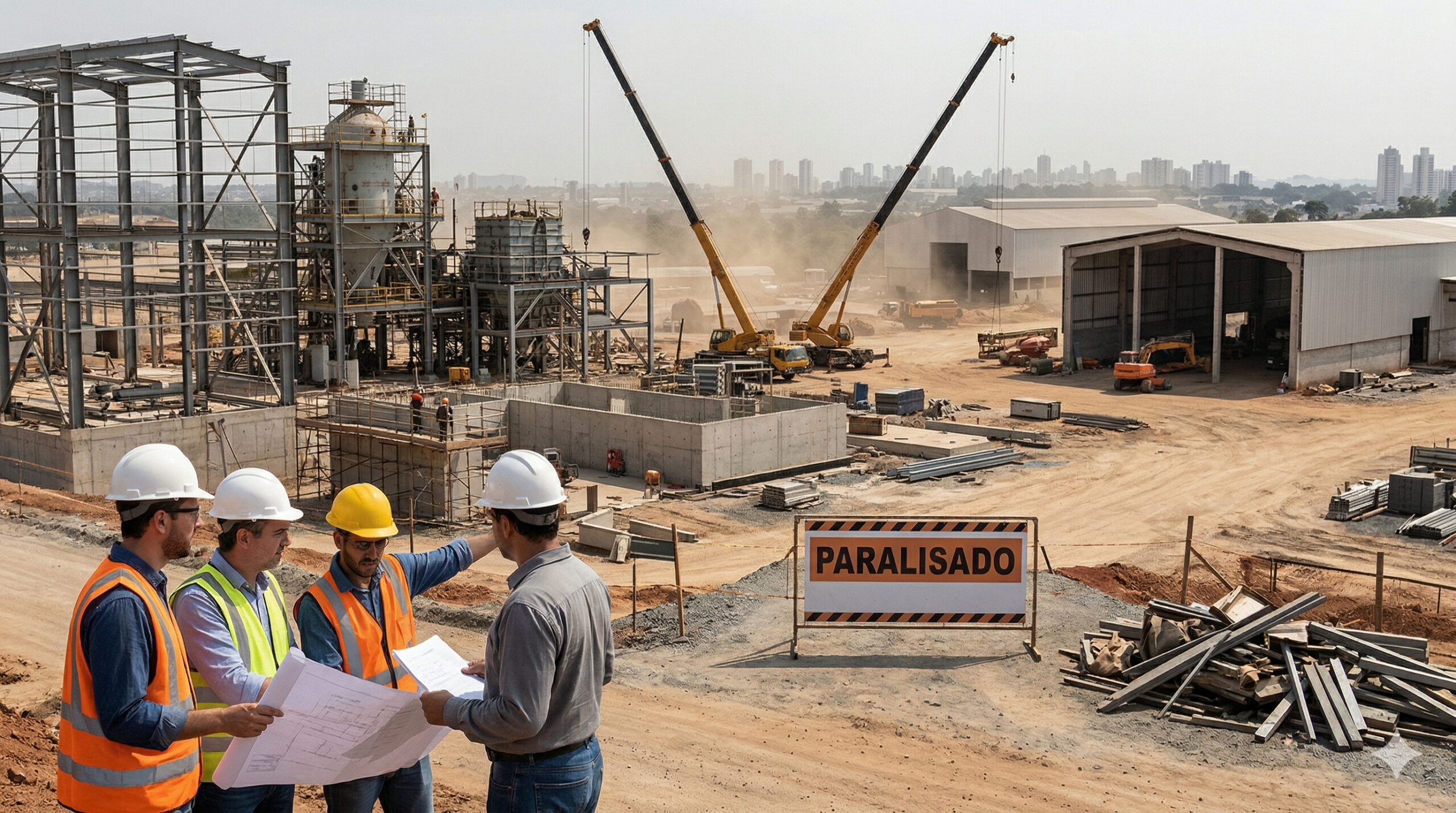
The problem goes beyond construction sites. From hiring bricklayers to searching for executives for strategic positions, the deficit of skilled workers has delayed projects and increased costs.
For architect Camila Palladino of Palladino Arquitetura, the biggest challenge is the low technical qualification and lack of commitment.
-
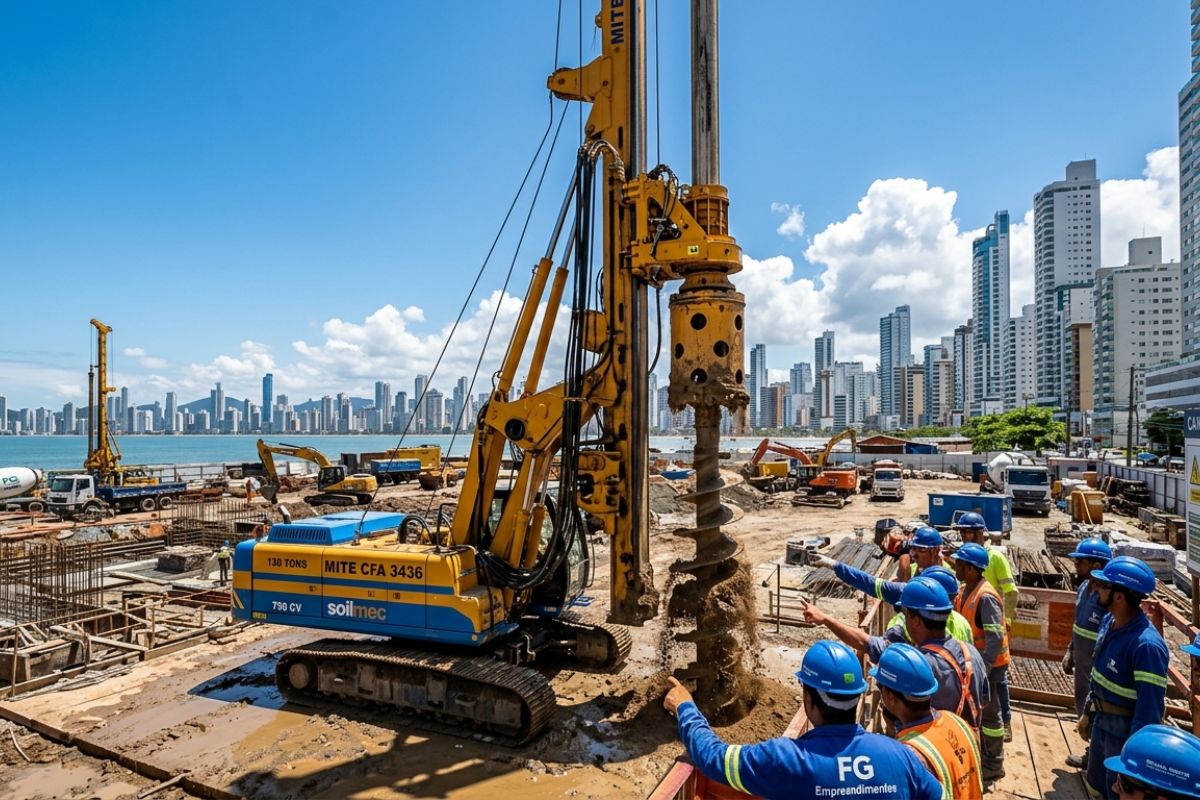
Italian giant of 130 tons arrives at the Senna Tower construction site and accelerates foundations: Mite CFA 3436 drills up to 50 m, 750 hp engine, investment of R$ 20 million, unique in Latin America.
-
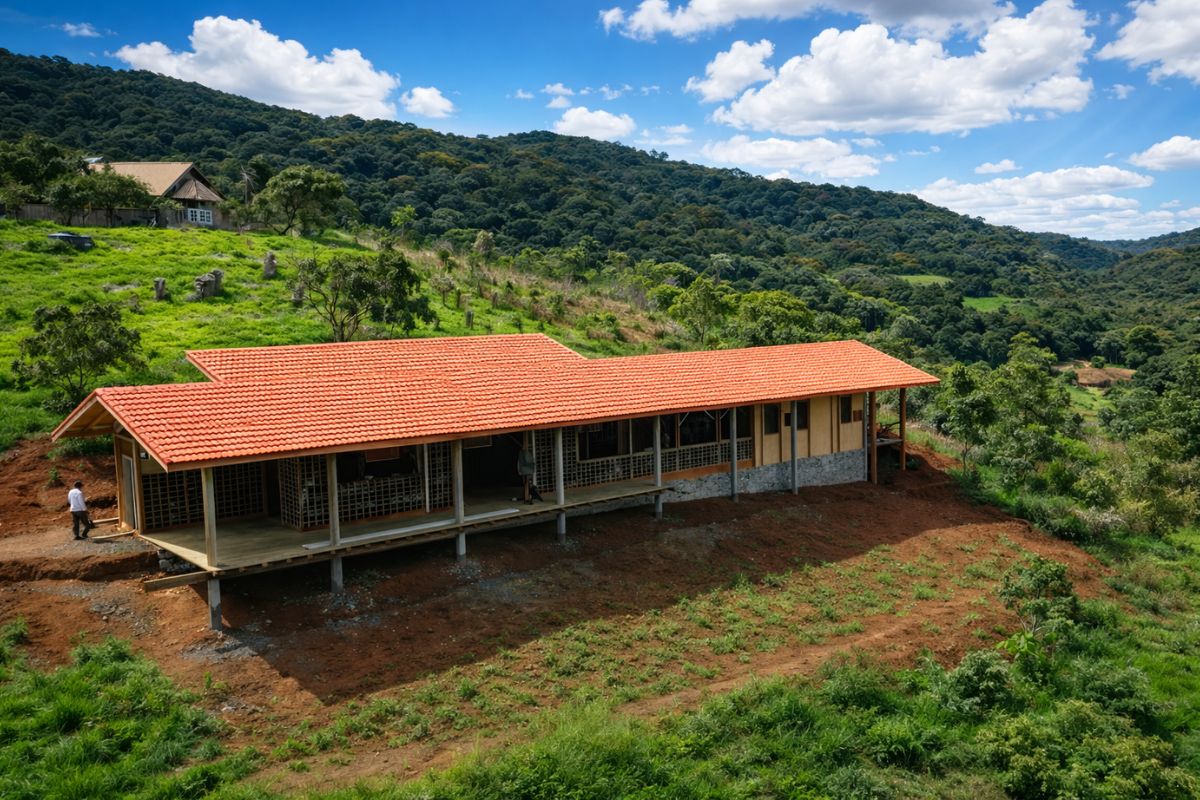
The adobe house in Monteiro Lobato takes shape with bamboo and clay from the land, a stone foundation, and a roof for the wind; cracks are normal, and finishing with lime turns it into a “common house.”
-
Four friends with over 30 years of friendship built a “mini village” by the banks of a river in Texas to grow old together, with houses of just 32 m² and a shared common space. The Bestie Row project has become a model of alternative living that is starting to spread around the world.

-
The ancient Japanese capital, planned over 1,200 years ago, still withstands earthquakes with colossal wooden temples and palaces, built without concrete or modern steel, by masters who created engineering capable of enduring centuries.


She explains that it is rare to find professionals with technical proficiency, project reading skills, and a sense of responsibility. “Both for hydraulic and electrical areas,” she states. The situation shows a mismatch between the sector’s growth and the capacity to train prepared professionals.
Aging Workforce Aggravates The Scenario
The data also shows that the workforce is aging. According to IBGE, the average age of construction workers has risen from 37.4 years in 2012 to 41.2 years in 2023.
This indicates that there are fewer young people entering the profession and more veterans approaching retirement, which could worsen the situation in the coming years.
Despite several initiatives and alerts from the sector, the problem persists. Developers continue to point out hiring difficulties as one of the biggest barriers to maintaining the growth rate of projects.
High Demand For Specialized Executives
The problem is not limited to operational positions. There is also a shortage of qualified executives. Fabio Cassab, partner at consulting firm EXEC, says he has seen construction companies refrain from launching projects due to a lack of experienced professionals to manage them.
Cassab emphasizes that, with the regionalization of construction companies, there is a race for talents with practical experience in construction. “Today, you have many construction companies, including regional ones. As the learning curve in construction is long and depends on practical experience on the construction site, it is common to knock on the doors of established construction companies to seek talents,” he explains.
In addition to technical experience, the market demands knowledge in financing, credit lines, and delinquency control. Executives need to be versatile, with a complete vision from production to project management.
Professional Training Is Also A Challenge
The lack of qualifications starts even in education. Data from the 2023 Higher Education Census shows that since 2010, more than 1.1 million people have enrolled in Civil Engineering courses, but only 403,000 have graduated.
The dropout rate is high, and many graduates struggle to enter the market with adequate preparation.
“The diploma does not mean that I am facing a qualified professional, capable of delivering the expected results,” says Cassab. For him, the urgency of the market requires immediate solutions, and often there is no time to train someone for years. The pressure is for quick results.
Future Depends On Investment In People
For Rafael Gregório Jaworski, director of People and Management at the Romitex group, the scenario will not change without a long-term plan. “Only with investment in people will it be possible to align growth with quality and responsibility,” he states.
The Brazilian construction industry continues to grow, but its advancement is limited by a fundamental issue: people. Without trained professionals, the gears lock up.
With information from Estadão.





Seja o primeiro a reagir!