





 Portuguese
  English
  Spanish
  4 min of reading
  26 comments





Brazilian Job Market Faces A Paradox: Despite The Low Unemployment Rate, Several Areas Suffer From The Lack Of Skilled Professionals. Discover The 8 Most Demanded Professions With Attractive Salaries And Vacancies Available That Are Shaping The Country’s Economic Future. Get Ready To Explore Unmissable Opportunities And Boost Your Career!
The Brazilian job market is experiencing a unique moment: even with unemployment at its lowest level in recent history, some professions continue to have open positions and few qualified candidates.
This phenomenon, which has been observed in developed countries, is now beginning to impact essential sectors of the national economy.
According to the ManpowerGroup Talent Shortage Survey, 81% of Brazilian companies face difficulties in finding skilled professionals, placing Brazil among the countries with the highest shortage of qualified workers in the world.
-
China alone accounts for 70% of trade within the BRICS, while Brazil establishes itself as an essential supplier of food and minerals: understand how the group, which already represents nearly 40% of the world’s GDP, is changing the game.

-
Starting in May, those who do not have registered biometrics will not be able to apply for Bolsa Família, sickness benefits, or unemployment insurance: understand the new rule that changes access to benefits for millions of Brazilians.

-
A new law being voted on in Brazil proposes a minimum fare of R$ 10 per trip and R$ 2.50 per kilometer for Uber and 99 drivers, and promises to ensure they earn as well as taxi drivers did during the golden age of taxis in the country.

-
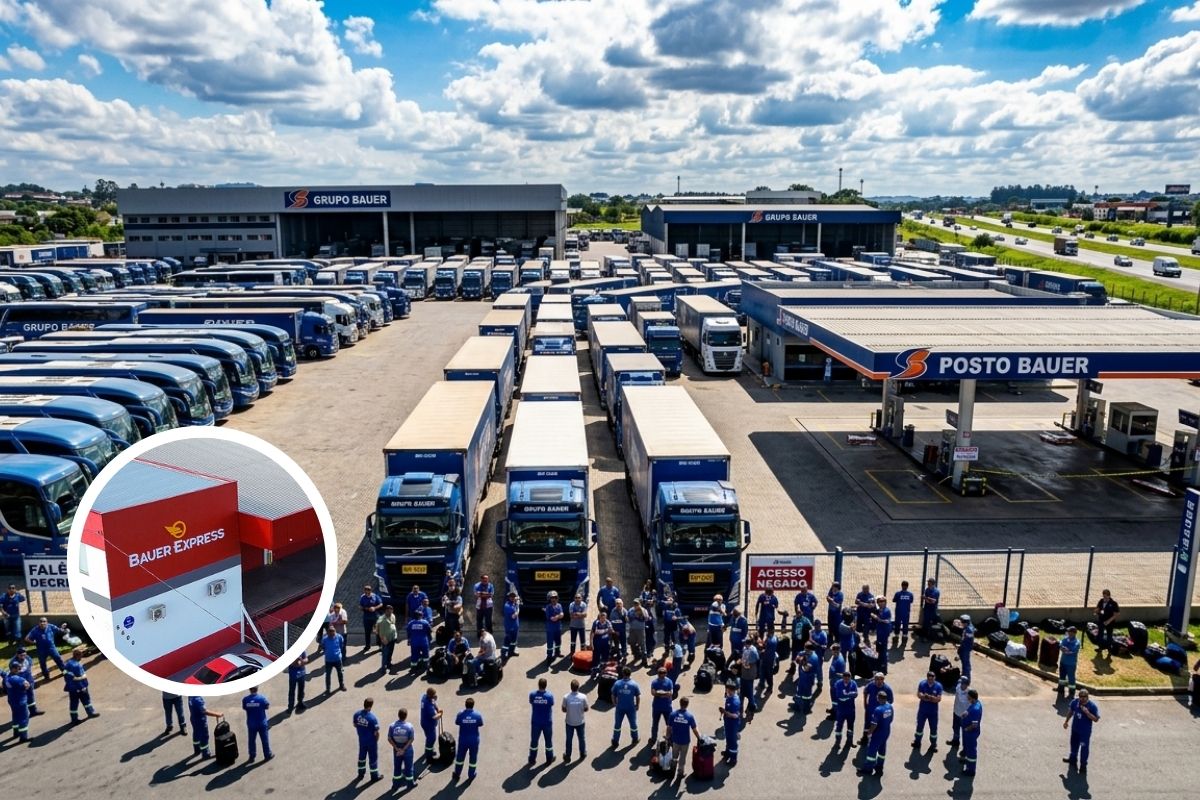
Bauer Group collapses after failed judicial recovery: 25 years, 800 vehicles, and a network of gas stations leave a debt of R$ 50 million and 100 layoffs, exposing costs, tight margins, and expensive credit in Brazil.

Sectors such as technology, logistics, health, and transport are among the most affected, with thousands of job openings waiting for specialists.
Next, check out the eight professions facing the greatest shortage of workers and the salaries offered to attract new talent.
1. Cybersecurity Analyst
The digital transformation has led to companies in all sectors increasing their investments in cybersecurity.
The need to protect systems against attacks such as ransomware and phishing has raised the demand for cybersecurity analysts, but the training of new professionals is still slow.
Salaries reflect the urgency of the market: they range between R$ 5,000 and R$ 20,000, depending on the level of specialization and the hiring company.
Additionally, laws like the General Data Protection Law (LGPD) increasingly require compliance, further boosting this career.
2. Electrician
Residential construction, urban infrastructure, and industries face difficulties in finding qualified electricians.
One reason is the lack of young people interested in the profession, as well as the constant need for updates on new technologies, such as solar energy systems and home automation.
The salary of an electrician ranges from R$ 2,500 to R$ 5,000, which can be higher for those working as freelancers or specializing in specific areas.
Despite the challenges, companies in the sector offer courses to try to bridge the gap for these professionals.
3. Nurse
The pandemic highlighted the importance of nurses, especially in intensive care units (ICUs) and emergency rooms.
With the aging population, the demand for nurses has further increased in geriatric clinics and home care services.
Salaries can reach R$ 8,000 in large private hospitals, but the exhausting work hours and exposure to risks drive many professionals away.
To address this problem, areas such as esthetic nursing and oncology have attracted more interest, offering competitive compensation and better working conditions.
4. Data Engineer
With the explosion of digital data, companies need data engineers to structure information and implement cloud solutions.
However, the number of graduates in computer science and statistics still does not meet market needs.
In multinationals, salaries exceed R$ 13,000. Professionals who master tools like Python, Hadoop, and machine learning are highly valued, especially in online retail and the financial sector.
5. Industrial Mechanic
The modernization of factories demands industrial mechanics specialized in robotics and predictive maintenance, but technical training in Brazil is still lagging.
Many companies operate with reduced teams, impacting production deadlines and increasing industry costs.
The average salary of an industrial mechanic is R$ 3,000, but it can increase with specializations in areas like pneumatics and hydraulics.
Despite the high demand, many professionals migrate to sectors like logistics, worsening the scarcity.
6. Cargo Transport Driver
Brazil depends on road transport for product distribution, but the lack of qualified drivers has concerned companies in the sector.
The main challenges are the long periods away from home and the requirements to obtain a category E driver’s license.
Compensation ranges between R$ 3,000 and R$ 5,000, but many drivers choose to work in urban delivery sectors, such as transport apps, which offer more flexibility and shorter distances.
7. Digital Agriculture Technician
agribusiness is one of the pillars of the Brazilian economy, but the lack of technicians specialized in digital agriculture worries the sector.
Professionals who master technologies such as climatic sensors, drones, and soil analysis software are increasingly in demand.
Salaries can reach R$ 6,000, and educational institutions have already begun offering courses focused on this area.
However, the uptake among professionals is still low, hindering the implementation of these new technologies in the field.
8. Nursing Technician
Like nurses, nursing technicians are essential for the operation of hospitals, clinics, and health centers.
However, the profession faces challenges such as intense work hours and lack of recognition.
Depending on the region and the institution, salaries can reach R$ 4,500.
As the Brazilian population continues to age, the trend is that the demand for nursing technicians will continue to grow in the coming years.
Opportunities For Those Seeking Reemployment
The shortage of labor in various fields shows that there are many opportunities for those seeking professional reemployment or wanting to change careers.
Sectors like technology, health, and infrastructure are willing to invest in worker training, offering attractive salaries and good growth prospects.
For those who are unemployed or wish to enter the job market, it is worth considering in-demand professions and seeking qualification to meet the growing demand.









A Recessão, Automação, Robotização e as inumeras Privatizações passadas, fizeram com que a Oferta de mão-de-obra ficassem osciosas. A inovação tecnológica, também, fez com que muitos empregos fossem extintos. Isso, fez muita gente perder sua confiança, e desistir de procurar seus empregos. O maior empecilho, que gera escassez de mão-de-obra é a exigência do empregador exigir do empregado, experiência profissional, de tantos anos, compravada, em carteira de trabalho.
Gostaria de saber onde está o salário de motorista, com esse valor pois aqui em Minas gerais não passa de 3000 reais
Não é a covid que trouxe problemas no trabalho e mão de obra ,mas sim o egoismo do mercado de trabalho ,das empresas ,em 2007 o meu sálario era 4.600.00 reais como aux Técnico Eletrotécnico ;sem os 30% de adicional hoje alem da exigência das nrs ,exigem a expêriencia de outras áreas como mecãnica ,hidraúlica etc pra um sálario de 2500.00 as vzs até com o adicional ja inserido.tenho 22 anos de trabalho ao todo como autonômo em sistemas elétricos como eletrotécnico ,e prefiro me aposentar com meus bicos pois ser escravo do mercado de trabalho no Brasil pra mim ja deu ,e tenho amigos que trabalham por este valor ..