





 Portuguese
  English
  Spanish
 4 min of reading
  72 comments





Rio Grande do Sul Faces A Severe Labor Shortage Affecting Industries and Commerce. Sectors Such as Construction and Footwear Production Suffer from High Turnover and Difficulty Attracting Qualified Professionals.
In a scenario that has left entrepreneurs in various sectors on alert, the lack of qualified labor is beginning to critically impact the economy of Southern Brazil.
The difficulty in finding professionals for essential positions in industry, construction, and commerce not only affects production but also increases operational costs and imposes a slower pace on companies.
Although the problem was already visible in recent years, it has worsened, according to recent data.
-
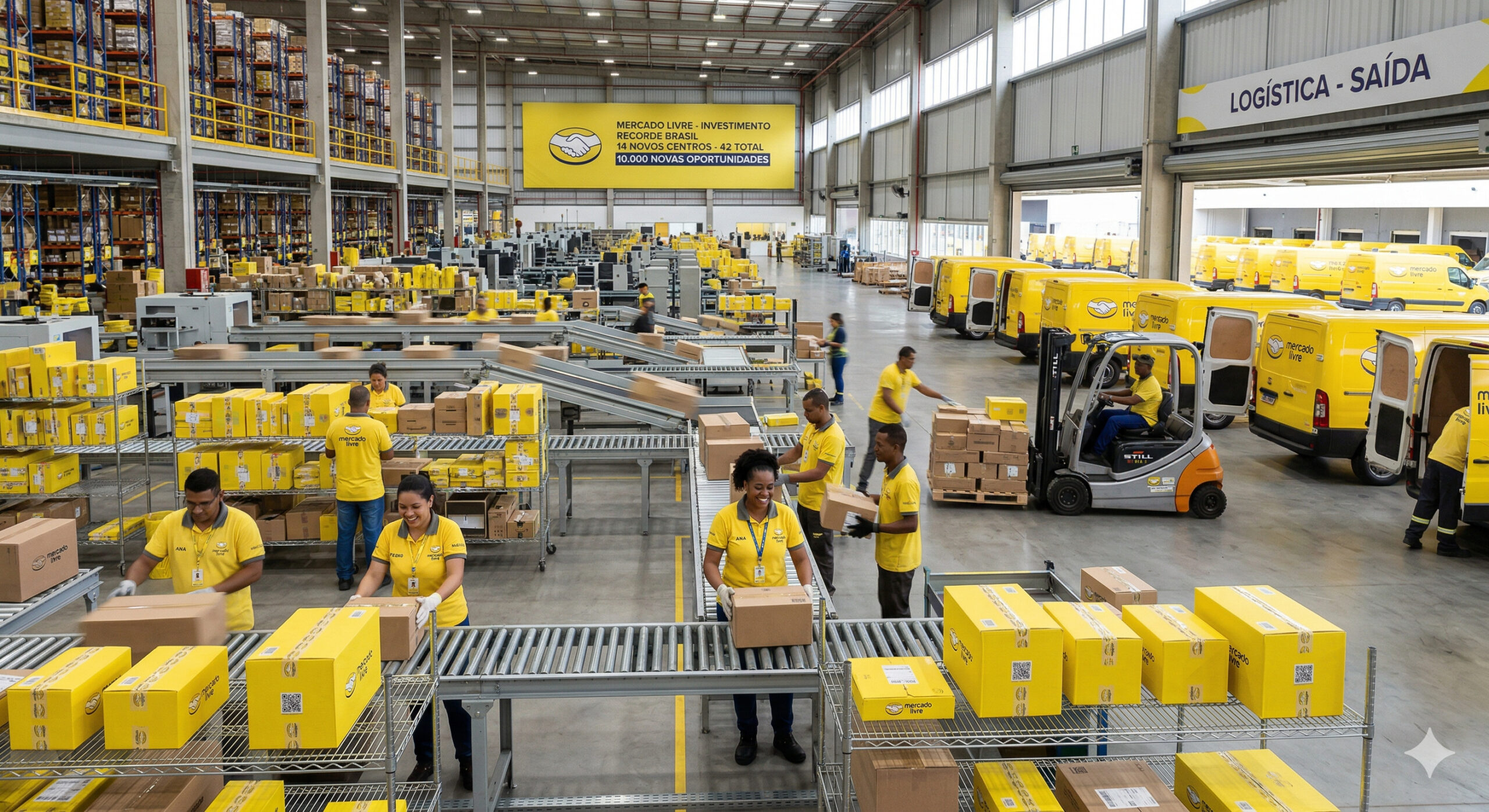
Mercado Livre “opens the vault” and announces a record investment of R$ 57 billion in Brazil in 2026, a value 50% higher than the previous year, with an expansion plan that includes 14 new logistics centers, totaling 42 units in the country and hiring an additional 10,000 employees.
-
How investment in technology can revolutionize the national economy and enhance industrial gains, according to a study that highlights the direct impact on productivity, innovation, and wealth retention within Brazil.

-
The largest food company on the planet, JBS, has just opened a 4,000 square meter laboratory in Florianópolis to develop customized proteins that modulate muscle mass gain, immune response, and metabolic performance.

-
After nearly 30 bids and competition among industry giants, a Spanish company purchases one of the largest airports in Brazil for almost R$ 3 billion and takes over the management of Galeão in a concession that will last until 2039.


According to the Federation of Industries of the State of Rio Grande do Sul (Fiergs), the third quarter of 2024 brought concerning data: about 27% of industrial entrepreneurs in the state declared that the lack or high cost of qualified workers is one of the main difficulties for the continuity of operations.
This is the highest rate recorded since 2014, reflecting the worsening of this situation and placing the state on alert.
Strategic Sectors Face Crisis
According to Zero Hora, construction is one of the most affected areas by the lack of professionals.
With high turnover and employment rates at elevated levels, companies struggle to retain qualified workers in technical areas, such as finishing and electrical installation, which are essential for the progress of construction projects.
According to the president of the Construction Industry Union of Rio Grande do Sul (Sinduscon-RS), Claudio Teitelbaum, the situation is so heated that many workers end up being contested between companies within the same industry, leading to a surge in wages and further encouraging job hopping in search of better conditions.
Within construction companies, the roles of bricklayers, carpenters, and finishing specialists have been the most affected, with a significant increase in costs.
The engineering director of Cyrela Goldsztein, Gustavo Navarro, highlighted that the salary of a masonry bricklayer, for example, has risen by 30% in the last two years, underscoring the weight of this shortage on the sector.
Companies like MRV also face similar challenges, mainly in specialized activities, such as painting and plumbing, which are critical for the completion of projects.
The chief economist of Fecomércio-RS, Patrícia Palermo, also points out that commerce is facing challenges with the lack of candidates for temporary positions, especially during peak retail seasons.
According to Palermo, many workers are unwilling to take temporary commitments or follow flexible hours, which limits opportunities for retail and creates a disconnect between job vacancies and the search for professionals.
Reasons for the Lack of Workers
According to specialists, high turnover and the constant search for better salary conditions are factors contributing to this labor shortage.
Qualified workers, especially younger ones, do not show the same loyalty to companies that was observed in previous generations.
Today, many prefer to change jobs, fields, or even regions in search of new opportunities and challenges, a behavior that entrepreneurs and managers assert is driven by wage competitiveness.
According to economist Maria Carolina Gullo, professor at the University of Caxias do Sul (UCS), a heated job market generates a turnover cycle that raises the cost of “human capital” in the state.
“These new generations are not afraid to switch careers and seek competitive compensation or even personal fulfillment,” explains Gullo, emphasizing that the difficulty in retaining young workers is one of the significant hurdles for the sector.
This phenomenon leads many companies to spend even more on salaries and benefits to attract and retain qualified professionals.
Additionally, the demographic transformations in Rio Grande do Sul also play a crucial role in this process.
According to the president of Fiergs, Claudio Bier, the state’s population is aging more rapidly than the national average, which reduces the number of young people available in the job market.
He noted that the lack of effective programs to attract young people from other states and the prevalence of social assistance, which discourages formal work, are additional barriers for the region’s productive sector.
Small Businesses and the Impact of Labor Shortage
Another relevant factor is that the shortage mainly affects small businesses.
Fiergs points out that 36.1% of small enterprises face difficulties with the lack of qualified labor, leaving them at a disadvantage in the competition for professionals.
In contrast, medium and large companies have fewer retention problems as they can offer better compensation packages and benefits, although they also feel the pressure of increased costs to attract workers.
In the footwear sector, the situation is similar. Shoe manufacturing companies report difficulty filling technical positions, especially for sewing positions.
According to the executive president of the Brazilian Shoe Industry Association (Abicalçados), Haroldo Ferreira, the lack of qualified professionals could compromise the production of items intended for the next year, putting the sector’s ability to meet future demand at risk.
The Future of the Job Market in the South
To tackle these challenges, the state government, along with Fiergs and other entities, has been discussing the creation of economic development strategies.
Among the proposals are investments in professional training programs and incentives to attract young people to industry and construction, along with policies to encourage the retention of local workers in the formal market.
The goal is to combat turnover and facilitate entrepreneurs’ access to a stable and qualified workforce.
In light of this scenario, the question remains: will Rio Grande do Sul be able to reverse the situation of qualified labor shortage and ensure the competitiveness of strategic sectors?








O salário dos carpinteiro é dos pedreiro ta defrazado não são valorizado pelas empresas muitos preferem trabalhar autônomo do que registrado com este salário a hora que as empresas resolver pra o que o profissional merece aí sim vai ter muito profissional disponível no mercado de trabalho enquanto isso não acontecer vai ser asim ou as empresas paga o salário justo ou vai sofrer pra achar aí os que elas tem não sabe valorizar
Meias verdades, primeiro que a mão de obra está ai no mercado disponível, resta saber se as empresas estão disponíveis a pagar o que realmente valem, caso contrário existem alternativas mas viáveis como por exemplo ubber, entregadores, negocios por conta própria, pipoqueiros, hambúrgueiros, e por aí vai, quem em sã consciência vai trabalhar 30 dias pra receber 2.500,00 – 3000,00 mensais e ter que trabalhar 9 horas diárias
Querem profissionais qualificados pagando um salário de fome. Daí a empresa oferece como benefício vale transporte e estacionamento… Tão de sacanagem né?!