





 Português
  Inglês
  Espanhol
  4 min de leitura
  0 comentários


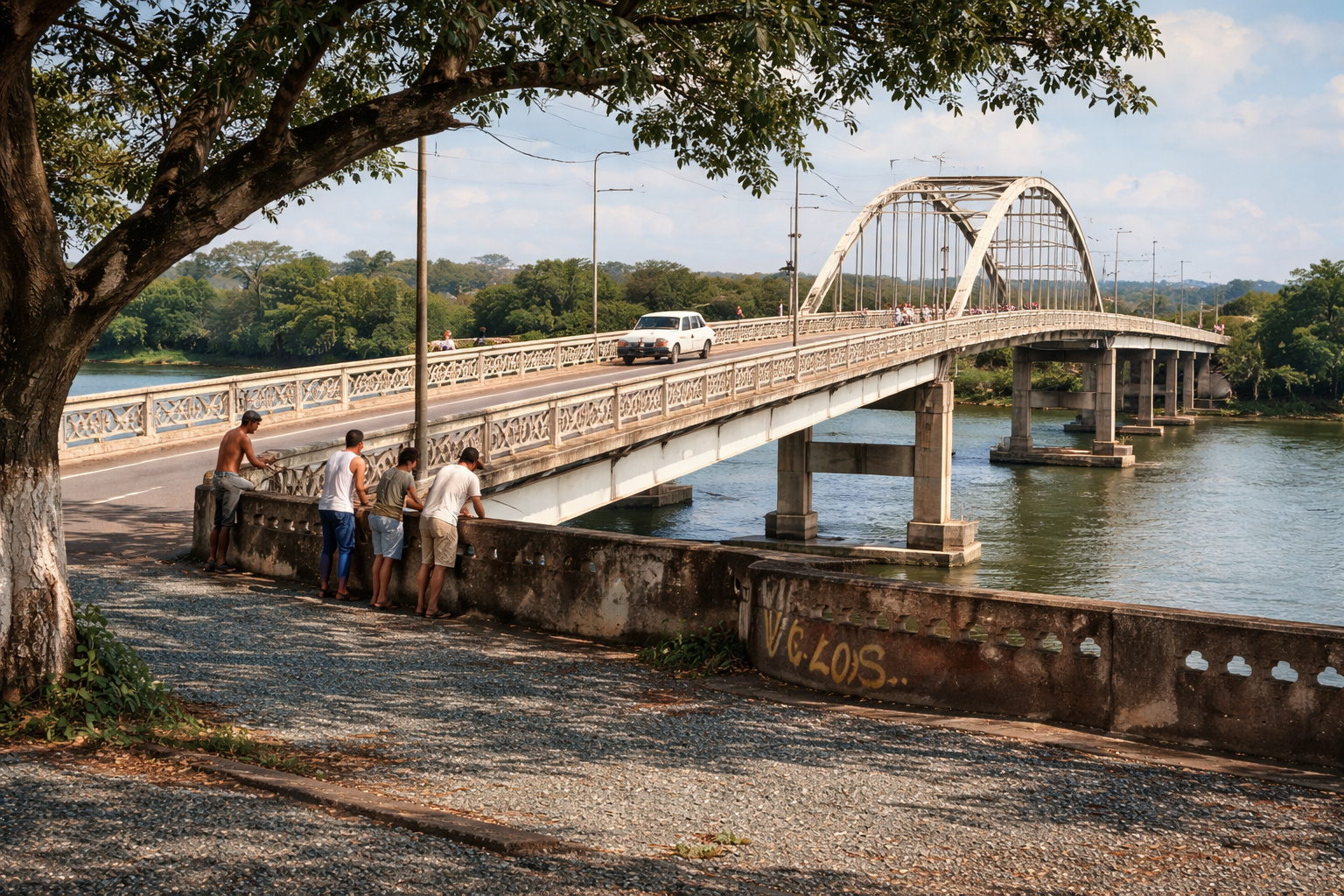
Community formed in 1994 resists until 2026 under the bridge structure, with precarious conditions, strong territorial bond, and absence of definitive housing solution
A persistent social reality remains visible in Mato Grosso and, at the same time, reveals structural failures in access to housing.
Families have lived under the Júlio Müller Bridge in Várzea Grande since 1994 and, even so, remain in the area in 2026.
According to information, the occupation began when about 30 people crossed the Cuiabá River and settled in the region.
Although some accepted relocation proposals at the time, other residents stayed and consolidated the community.
This scenario therefore highlights the continuity of a housing problem that spans decades.
Furthermore, it shows how the lack of effective public policies contributes to the persistence of these families in vulnerable conditions.
-
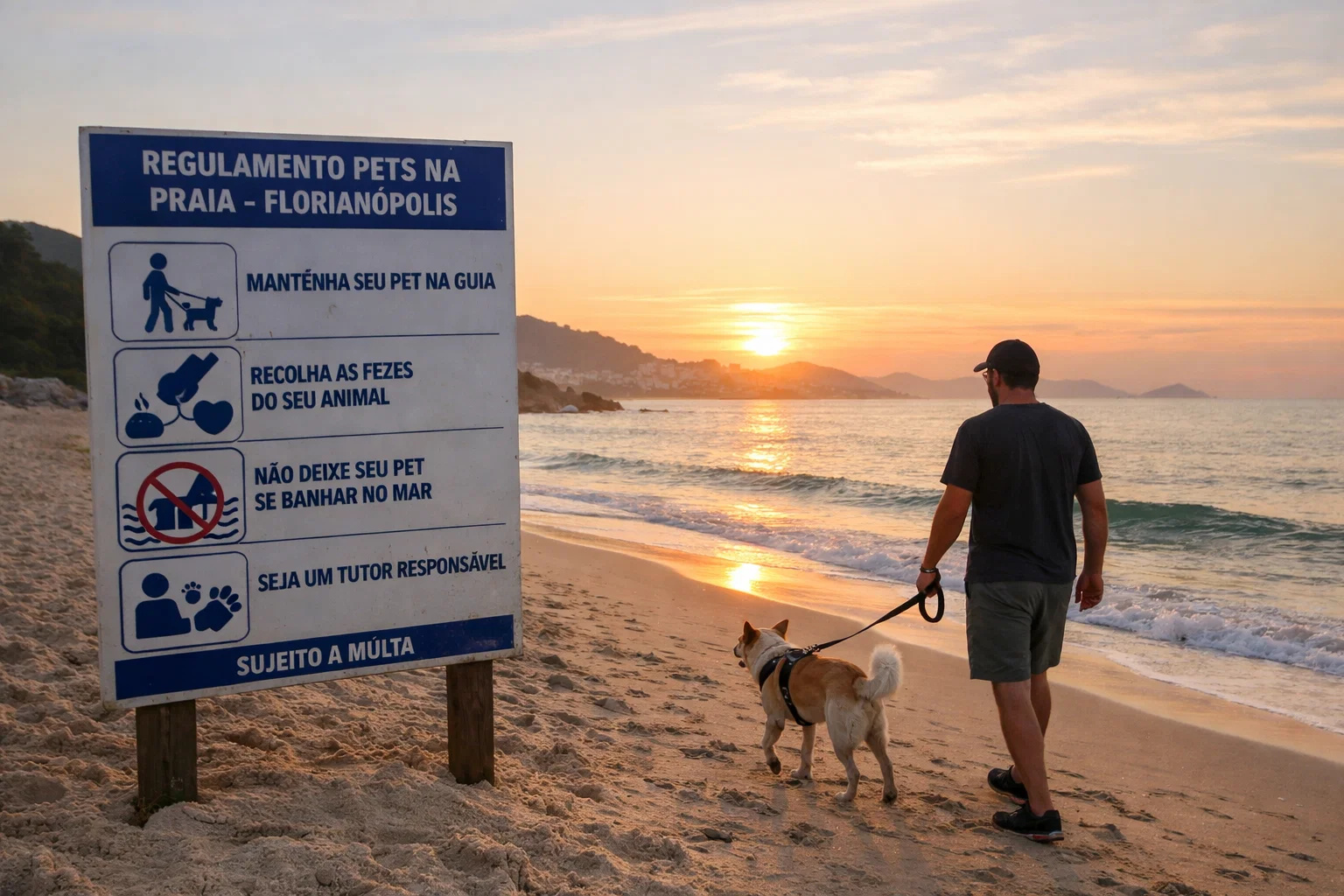
What Changed at Florianópolis Beaches? New Rule Surprises Pet Owners and Restricts Dogs on the Sand at Specific Times
-
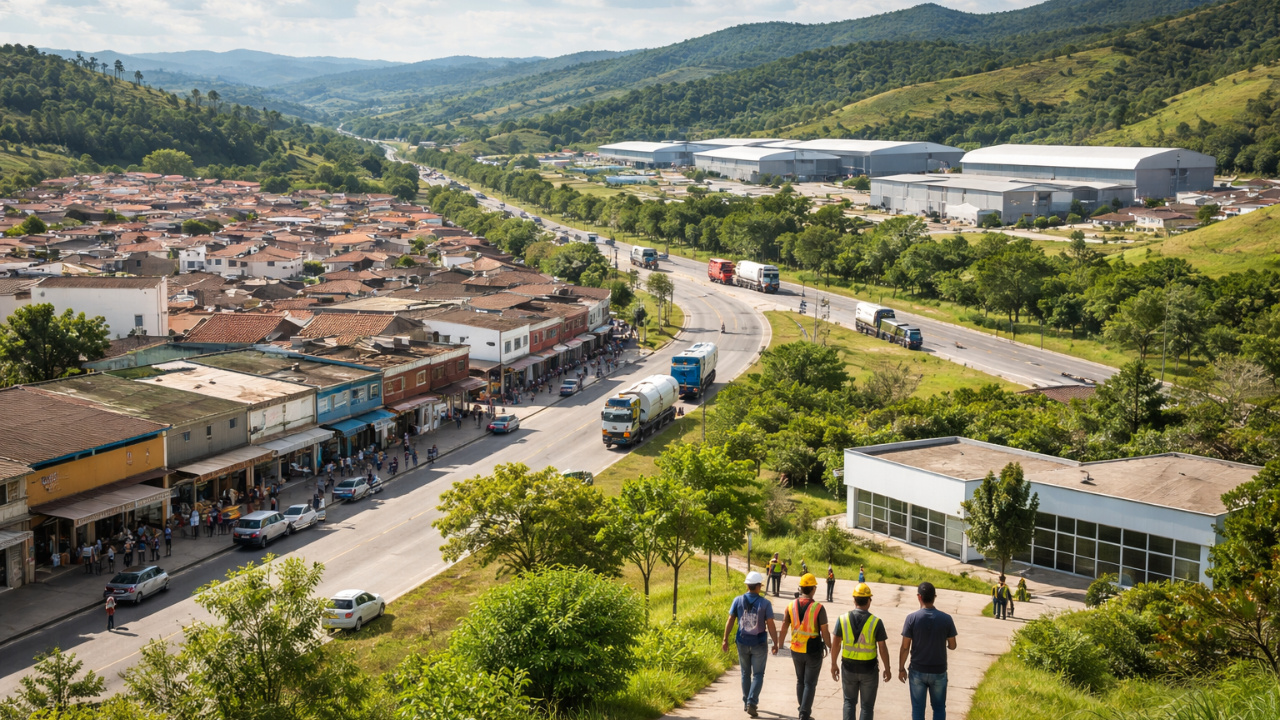
Economic Diversification Accelerates in Itatiaiuçu to Reduce Mining Dependence
-
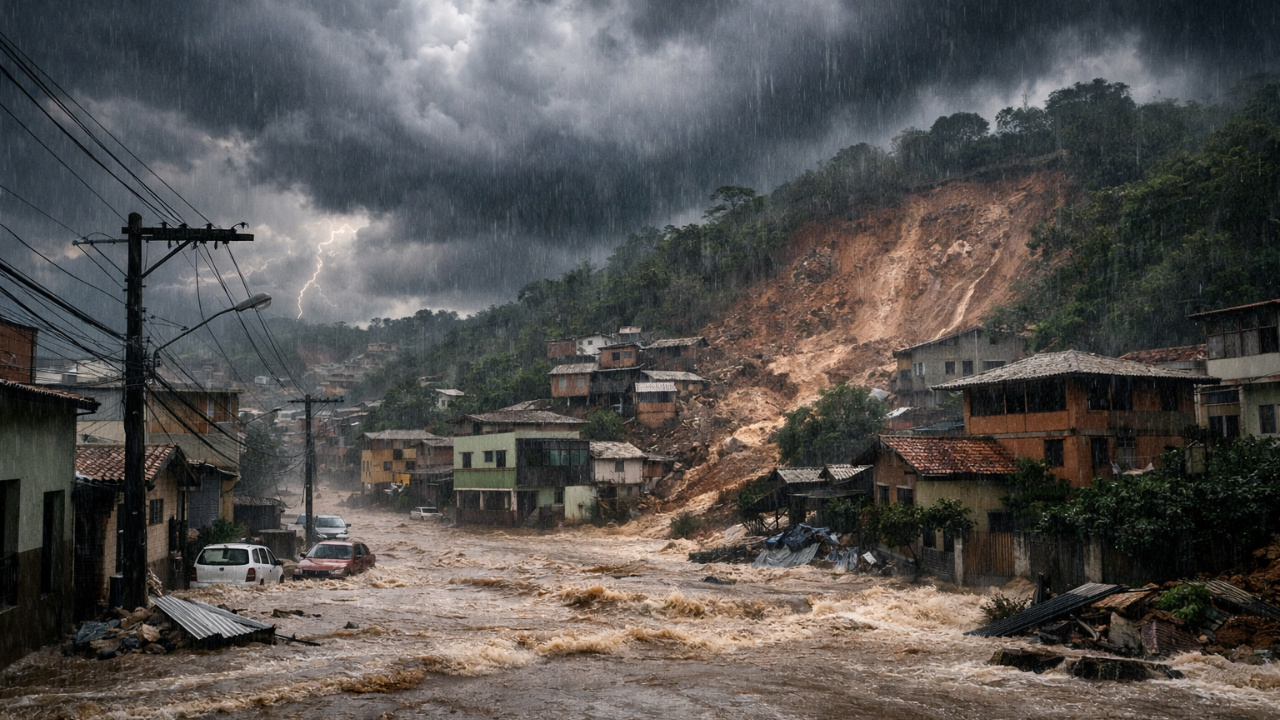
Extreme Rains: Cold Front, Supercell, and Atmospheric Trough Cause Tragedy in MG
-
Minas Gerais Municipalities Press Congress Against Bombshell Bills and Warn of Risks to Public Finances

Formation of the community and irregular occupation
The occupation developed under the bridge structure, on the banks of the Cuiabá River, in an area classified as Permanent Preservation Area (APP).
Therefore, according to the Forest Code, staying in the area is considered irregular.
Still, the families structured improvised housing and established means of survival.
Additionally, fishing and raising small animals have sustained the community over the years.
Although there is access to electricity and running water, basic sanitation is precarious.
At the same time, the legal insecurity of the occupation keeps residents in constant vulnerability.
Reduction of families and permanence in the territory
Over time, the community has significantly decreased.
Currently, there are three families left, while there were previously nine houses.
Even so, residents remain in the area due to strong emotional ties and dependence on fishing.
This territorial attachment reinforces resistance to leaving, even in the face of difficulties.
Among the residents, figures such as “Jacaré”, responsible for the garden and the animals, stand out.
Additionally, “Nardo” acts as a community mediator, organizing coexistence among neighbors.
Also living in the area is Vitória, who uses a wheelchair.
Meanwhile, her husband participates in fishing activities, contributing to the family income.
Removal attempts and absence of definitive solution
Before the 2014 World Cup, there was an attempt to remove the community.
At the time, the Light Rail Vehicle (VLT) project proposed changes in the region.
However, the project was abandoned and replaced by a BRT system.
Thus, the community remained in the area without structural changes.
Currently, the Várzea Grande City Hall recognizes the occupation.
Additionally, the CRAS monitors the families, although there is no concrete plan for regularization or removal.
Income based on fishing and impact of piracema
Fishing remains the main source of income for the community.
However, climatic and economic factors directly affect this activity.
During the piracema, a period of restriction for the preservation of species, income decreases significantly.
Additionally, many residents report not receiving the defeso insurance, which exacerbates vulnerability.
This instability thus highlights the economic fragility faced by families.
At the same time, it reinforces dependence on an activity subject to environmental variations.
Expanded scenario of vulnerability in Mato Grosso
According to GeoSUAS-MT, more than 35 thousand families live in vulnerable situations in Várzea Grande.
Additionally, about 73 thousand families in Mato Grosso face housing difficulties.
According to Emídio de Souza from ACDHAM, many people occupy irregular areas due to lack of alternatives.
He states that the main challenge is to raise awareness among authorities responsible for structural decisions.
This context reveals, therefore, that the problem goes beyond the community under the bridge.
Moreover, it demonstrates that the housing issue affects thousands of families in the state.
Housing plan and future perspectives
Currently, the Várzea Grande City Hall is seeking resources to develop the Municipal Housing Plan.
This diagnosis is considered essential for the urban and social planning of the municipality.
Additionally, a program has been announced to regularize more than 8 thousand properties in 25 neighborhoods.
The forecast indicates the delivery of housing in up to two and a half years.
Even so, while solutions progress slowly, families continue to live under the bridge.






Seja o primeiro a reagir!