





 Portuguese
  English
  Spanish
  5 min of reading
  0 comments


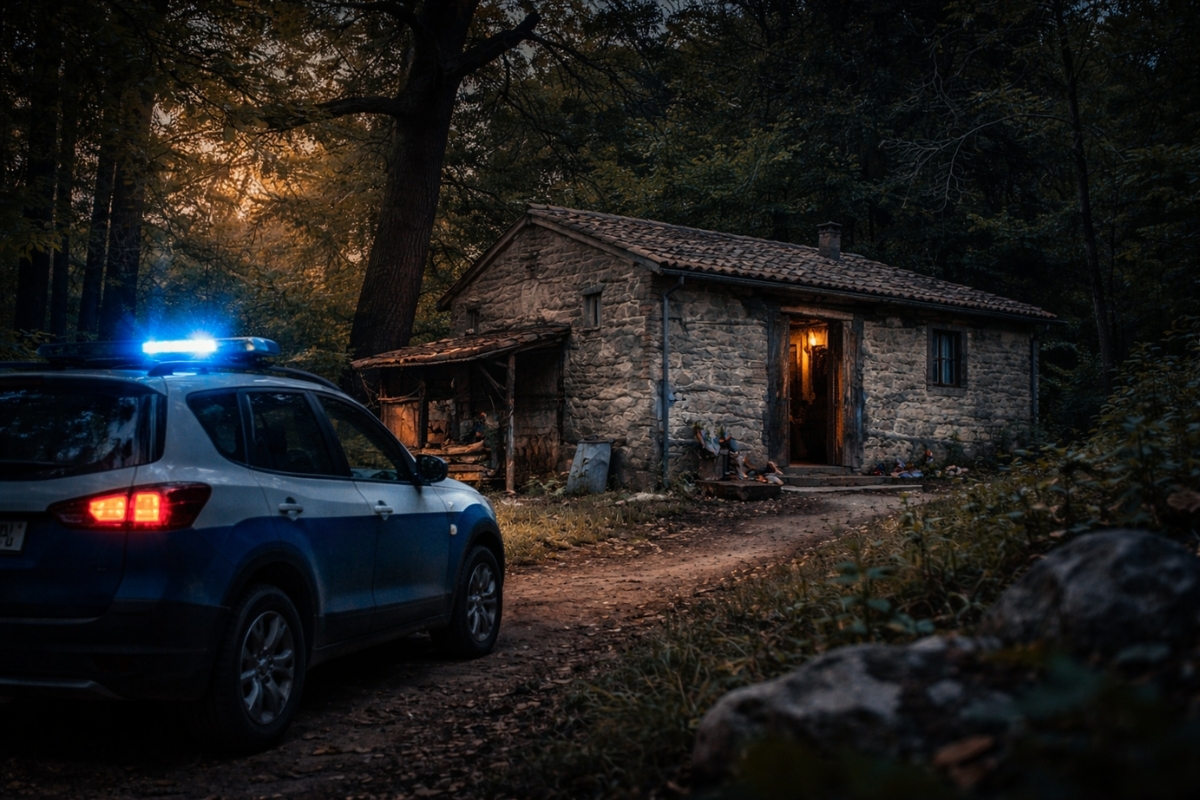
Family had 3 children removed in Italy after living off the grid without formal schooling, raising debate about limits and child protection
An action by the Italian government drew attention by removing three children from a family living isolated in a forest. The case involves a lifestyle based on solar energy, well water, and homegrown food, without connection to traditional basic services.
The measure provoked strong repercussions by raising a direct debate about how far individual freedom goes. At the same time, it exposed limits when there are minors in a vulnerable situation, especially in environments considered inadequate.
The episode quickly surpassed the local level and began to mobilize different sectors of society. The discussion gained traction as it involved not only one family but a lifestyle model that has been growing in several European countries.
-
Luxury hotels are taking the competition to the ocean and transforming billion-dollar yachts into exclusive extensions of their brands for a new premium tourism.

-
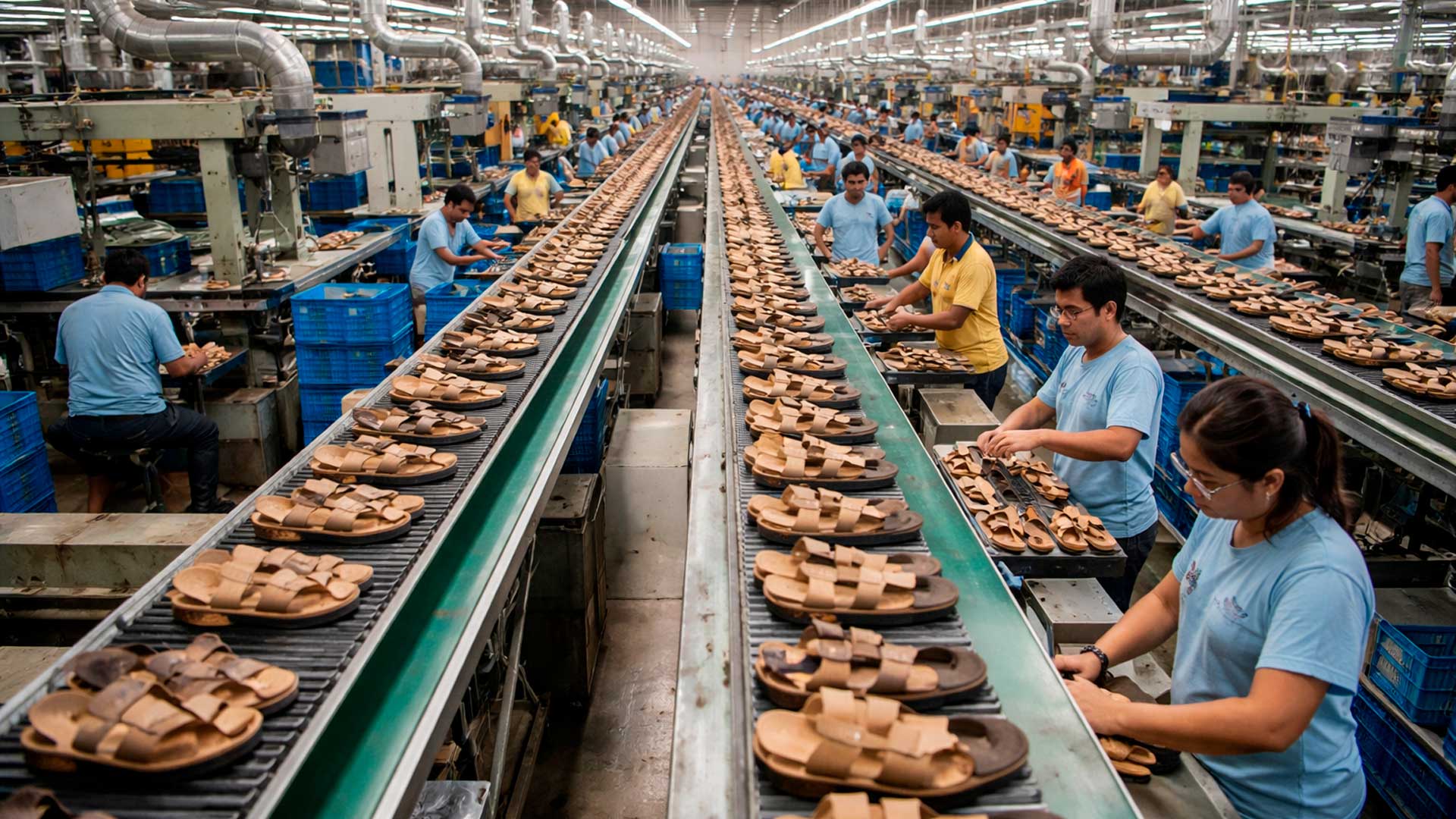
A Brazilian city produces 120,000 pairs of shoes per day and dominates the footwear industry, accounting for 16.5% of national production and helping Ceará capture 24.3% of the Brazilian market even under external pressure.
-
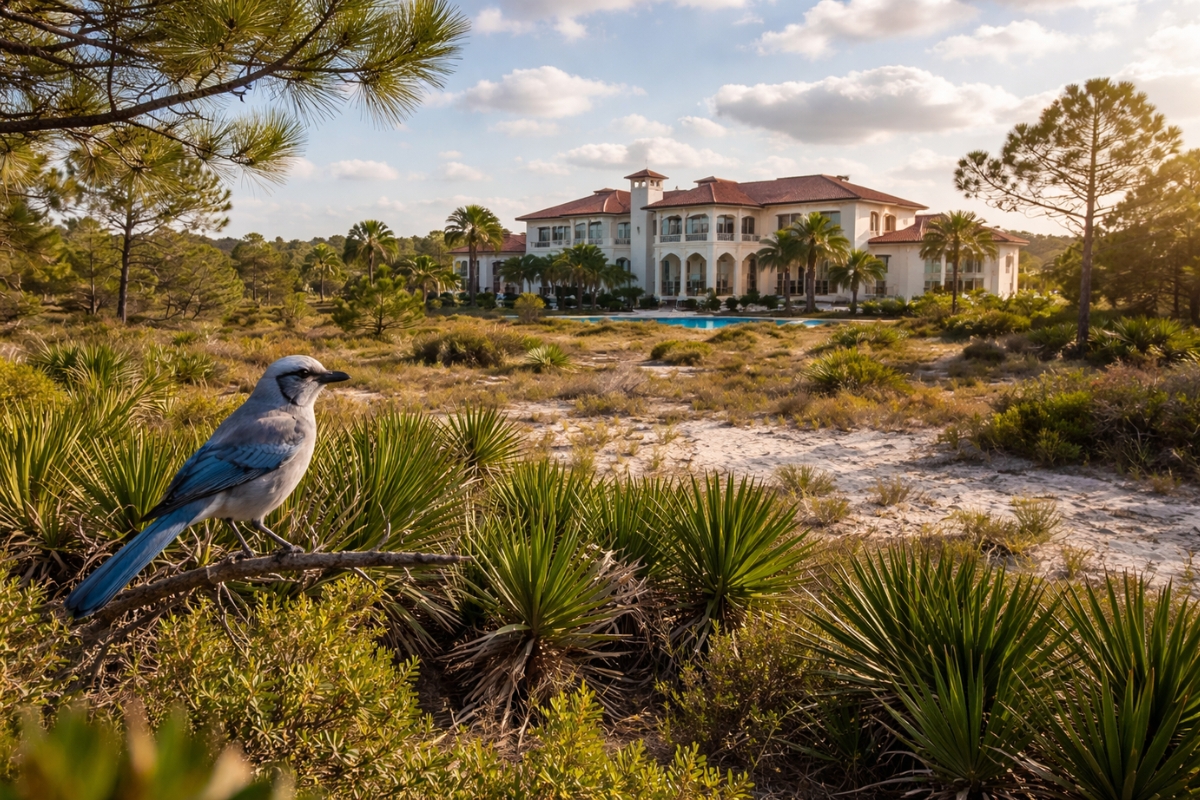
A millionaire wanted a mansion in Florida, found a protected bird, and is now trying to overturn environmental protection, impacting more than 1,200 species, to avoid a fine of $118,000.
-
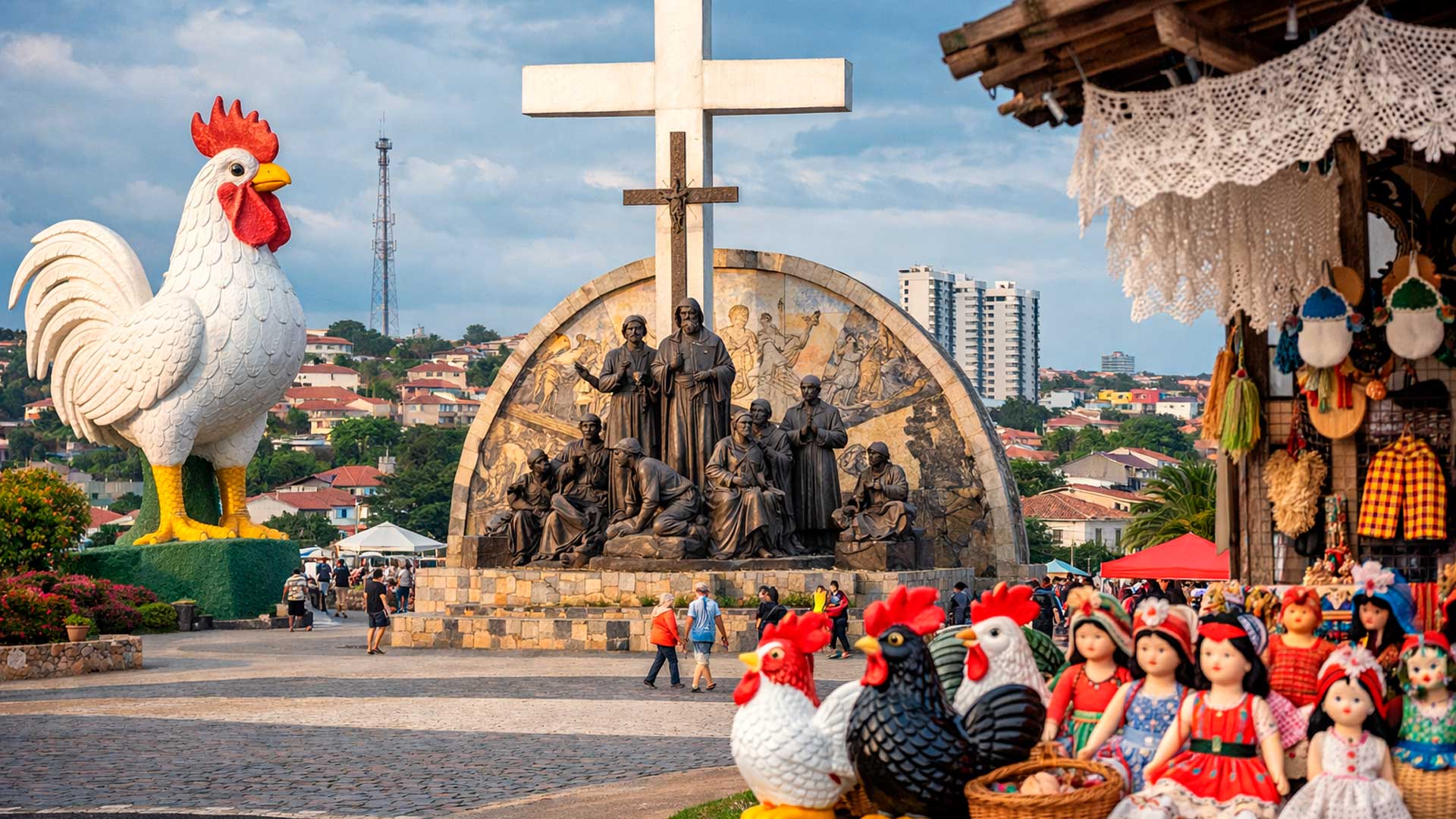
Brazilian city next to Natal holds the massacre of 1645, gathers the first saints of Brazil, and concentrates a cultural, religious, and popular heritage that many people still ignore.
Isolated life in the forest and a health episode that changed everything

The home of Nathan Trevallion and Catherine Birmingham, an Anglo-Australian couple living with their three children in the Palmoli forest, Italy. (Antonella SALVATORE/AFP)
The family had been living in a forested area since 2021, in a simple house located in the Abruzzo region. The property was purchased for about 20,000 euros and had no connection to the electrical grid or conventional water supply.
The routine was based on self-sufficiency, using solar panels, well water, and homegrown food. The bathroom was external, using a composting system, and there was no traditional infrastructure inside the house.
Despite the sustainable proposal, the conditions drew the attention of authorities after a critical episode in 2024, when everyone was hospitalized due to accidental ingestion of toxic mushrooms. The situation required emergency care and exposed weaknesses in access to basic care.
After the incident, responsible teams began to assess the environment in which the children lived. Reports indicated issues related to hygiene, safety, and health monitoring, in addition to the family’s almost total isolation from society.
Lack of school and isolation led to the removal of the children

Another decisive factor was the absence of formal education. The children did not attend school, and there was no record of continuous educational monitoring, which raised an additional alarm.
According to Corriere della Sera, a major national Italian newspaper covering political and social issues, the combination of isolation, lack of school, and absence of medical care led to the removal of the children from the family in November 2025.
The minors were sent to a shelter. Initially, the mother stayed with them, but contact was reduced over time following episodes of tension with the responsible team.
Amid the repercussions, the case began to be compared to other episodes involving families living off the grid in Italy, broadening the debate about the limits of this lifestyle in different countries.
The discussion also gained momentum with analyses of the impact of off-grid living on European families, especially when it involves children and the absence of what is considered essential structure.
The case highlights that, although self-sufficiency is a growing choice, it needs to adapt to minimum requirements when minors are involved.
Emotional impact, public pressure, and attempts at adaptation

Recent reports indicate that the separation brought significant psychological impacts, with signs of anxiety, emotional distress, and adaptation difficulties in the children.
Experts who monitored the case highlighted that there is no evidence of direct violence from the parents, which further increased the pressure for a solution that allows family reunification.
As the case progressed, content about children removed from isolated families began to reinforce how similar situations have been analyzed with more attention in different countries.
The episode also connects to the growing debate about off-grid living and legal challenges, especially in scenarios where there is prolonged isolation and absence of basic services.
The public reaction was intense. Thousands of people participated in online petitions calling for family reunification, while authorities and experts began discussing the limits between individual freedom and child protection.
In light of this scenario, the father initiated an adaptation process. A structured educational plan was presented, inspired by alternative methods, and the children began attending in-person classes since January 2026.
Additionally, the family began to meet basic health requirements, such as vaccinations and regular check-ups. The changes aim to demonstrate that it is possible to maintain the lifestyle with adjustments that comply with the rules.
An important advancement came with the support of the municipality, which provided a new residence with adequate structure, heating, and safe sanitary conditions. The property meets the required criteria and may facilitate reunification.

Case exposes the limit between freedom and state rules
The episode made it clear that living off the grid does not mean being outside the norms. The removal of the children highlights that individual choices can be limited when they involve the well-being of minors.
At the same time, the case broadens a debate that is growing across Europe. More and more people are seeking alternatives to the urban model but face barriers when they need to meet basic requirements for education, health, and safety.
The situation also reinforces that self-sufficient living has ceased to be just an isolated trend. It has become a social phenomenon that requires adaptation from both families and authorities.
The outcome of the case is still awaited, but its effects are already visible. The discussion about freedom, responsibility, and child protection is gaining momentum and pressuring the European landscape at a time of transformation in lifestyles.
And for you, was this decision fair or excessive? Leave your opinion in the comments and participate in this discussion involving freedom, life choices, and the role of the state.








Seja o primeiro a reagir!