





 Portuguese
  English
  Spanish
 5 min of reading
  0 comments


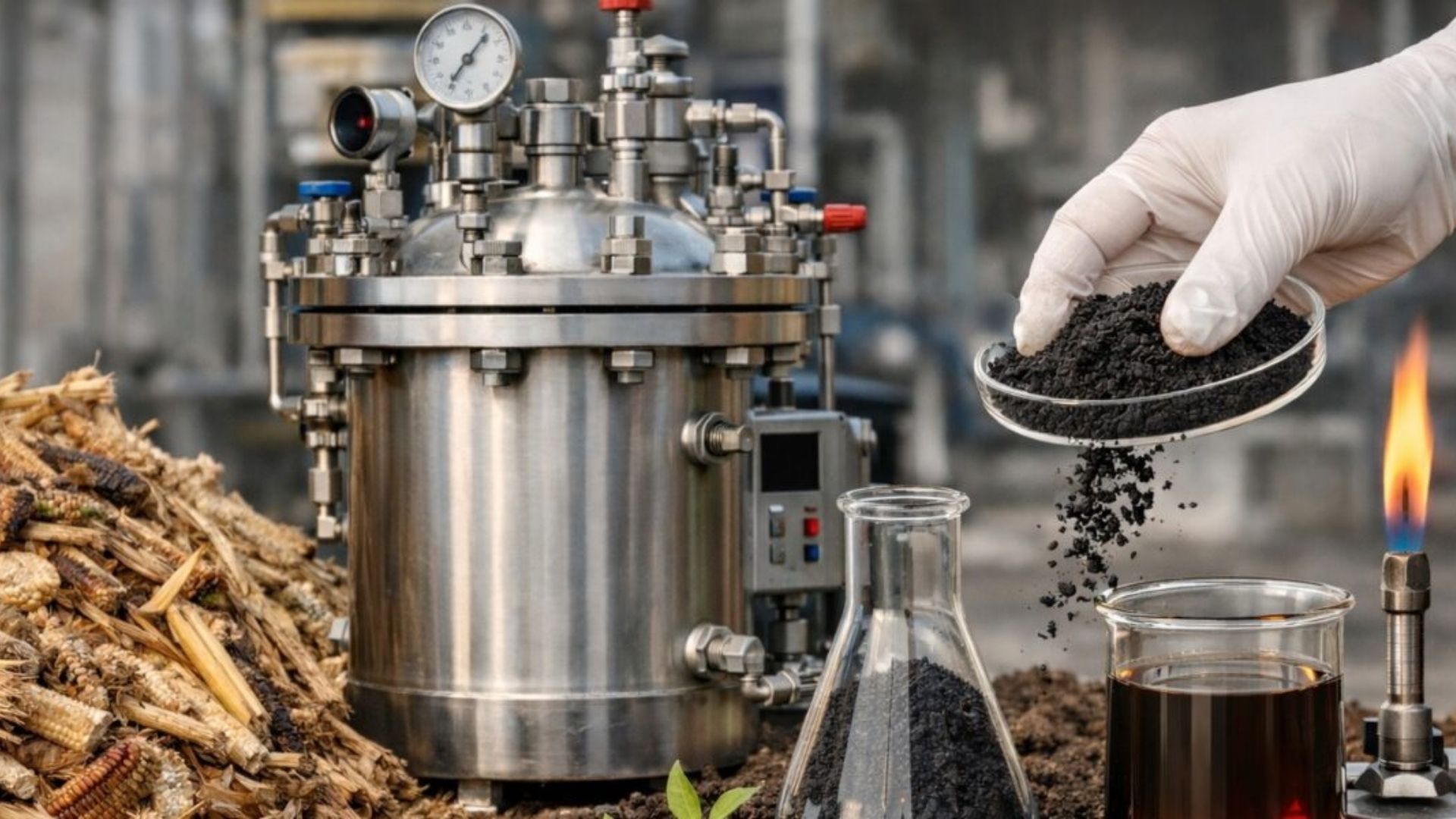
Research Funded by FAPEG and Developed at UFG Creates Sustainable Solution That Converts Agro-Industrial Waste Into Bioinputs and Clean Energy, Strengthening Innovation and Competitiveness of Brazilian Agribusiness
Researchers announced a significant advance for sustainability and innovation in the field: FAPEG and UFG initiated the development of a technology capable of transforming agro-industrial waste into clean energy, bioinputs, and sustainable fertilizers, with a positive impact on Brazilian agribusiness.
The initiative, led by the Federal University of Goiás with support from the Goiás State Research Support Foundation, aims to build a pilot plant for continuous bioinputs production through hydrothermal carbonization.
According to an article published by the Goiás Government this Thursday, January 15, the project converts waste previously considered environmental liabilities into products of higher added value, aligning science, circular economy, and energy transition.
-
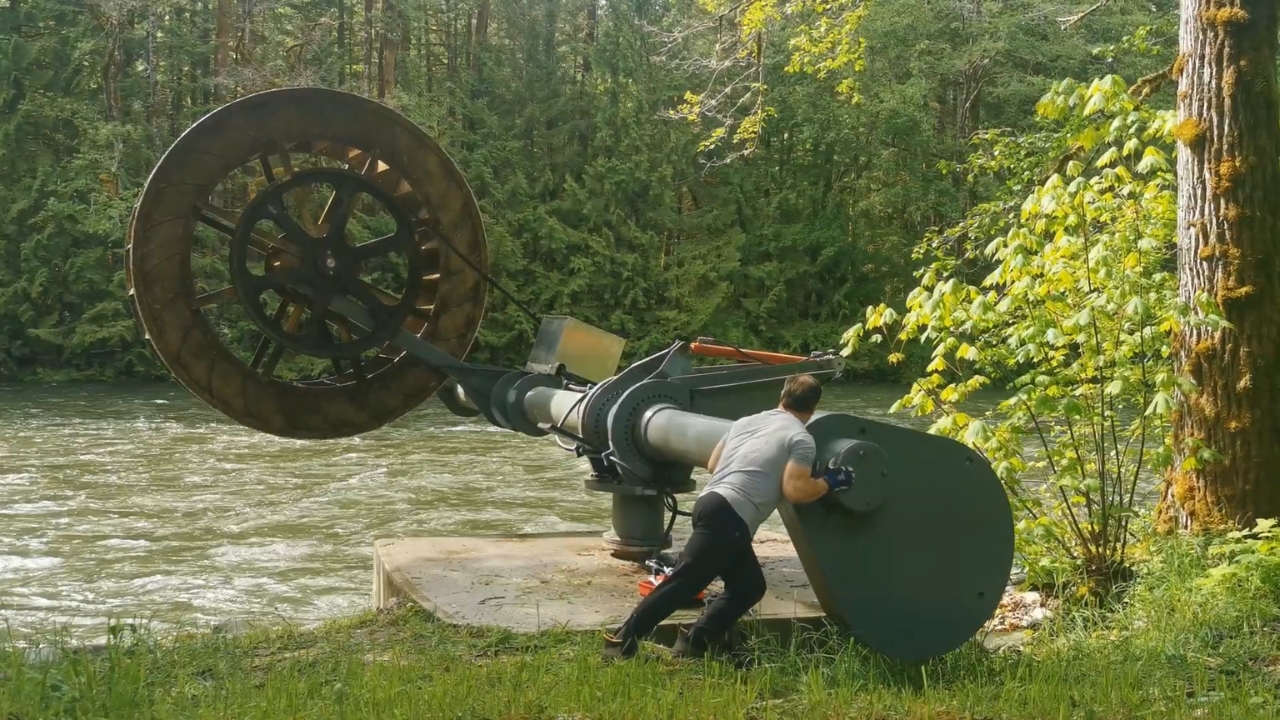
A Canadian retiree creates a hydroelectric system on a real river, generating energy continuously throughout the day and demonstrating how the power of water can supply a house with stability even in a simple structure.
-
Petrobras reaffirms its commitment to the market and ensures that it will carry out the energy transition safely to maintain national sovereignty.

-
Researchers discover a possible hydrogen deposit of up to 46 million tons beneath an ancient coal basin, and the volume could exceed half of the entire global production.

-
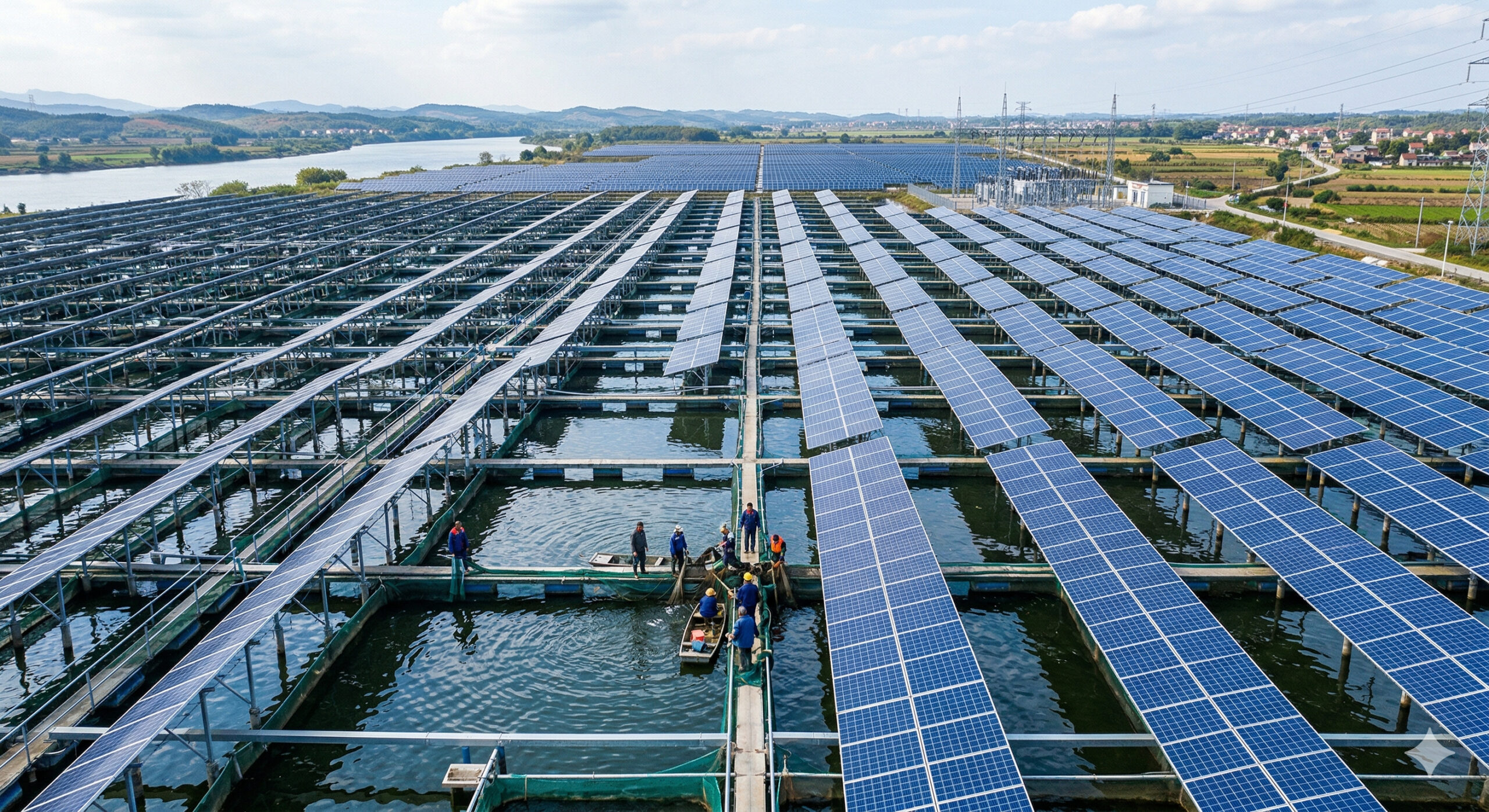
China bets on the Fishery-PV model and transforms fish farms into giant solar plants, covering ponds with panels that generate energy while utilizing the same space for large-scale aquaculture production.

FAPEG and UFG Bet on Innovation for Brazilian Agribusiness
The project supported by FAPEG and developed at UFG represents a strategic advance for Brazilian agribusiness, especially in a scenario of increasing pressure for sustainable practices and carbon emission reductions. The research proposes the creation of a small-scale industrial equipment capable of operating continuously and efficiently.
This equipment will be responsible for converting agro-industrial waste into solid and liquid products with agricultural and energetic applications. Rather than disposal, materials from agro-industries will integrate a new production cycle, reducing environmental impacts and creating new economic opportunities in rural areas.
Technology Transforms Agro-Industrial Waste Into Clean Energy and Bioinputs
The technological basis of the project is hydrothermal carbonization, a process that converts wet biomass under controlled conditions of high temperature and pressure. Unlike other techniques, this technology does not require prior drying of the biomass, making the process more efficient and suitable for the reality of agro-industrial waste.
This process generates two main products: hydrochar, in solid form, and bio-oil, in liquid form. Both have high potential for energetic and agricultural use, expanding the use of clean energy in the productive sector.
Hydrochar and Bio-Oil Expand Solutions for Brazilian Agribusiness
The produced hydrochar has physical and chemical characteristics that allow its use as agricultural fertilizer, soil conditioner, or renewable fuel. Additionally, it contributes to carbon sequestration in the soil, an essential factor for reducing environmental impacts and improving agricultural quality.
Bio-oil can be used as a source of clean energy or as a raw material for other industrial inputs. Both products will undergo detailed analyses to assess their application in energy generation, sustainable agriculture, and emission reductions.

Off-Grid Experimental Plant Uses Clean Solar Energy
One of the most relevant features of the project is the integration of an experimental unit powered exclusively by clean energy from solar sources. The system will be off-grid, meaning completely self-sufficient, capable of generating, storing, and using its own electricity during operation.
The plant will be installed in a mobile module, allowing its operation directly at the locations where agro-industrial waste is generated. This feature enhances logistical efficiency, reduces transportation costs, and facilitates technology adoption in different regions of the state and country.
UFG Research Boosts Circular Economy and Energy Transition
According to the project coordinator, Professor Christian Gonçalves Alonso from UFG, the research results have the potential to stimulate new businesses in the agricultural sector. The technology can help diversify the energy matrix of Goiás and expand the supply of innovative bioinputs in Brazilian agribusiness.
The initiative aligns with the Goiás More Rural Energy Program, which aims to strengthen the agro-energy sector, create value for rural areas, and promote environmental and economic benefits. The project also engages with public policies focused on energy transition and decarbonization.
Environmental and Economic Benefits of Agro-Industrial Waste
From an environmental standpoint, the technology developed by FAPEG and UFG directly contributes to the reduction of environmental liabilities by giving proper disposal to agro-industrial waste. Additionally, the process helps reduce greenhouse gas emissions by substituting fossil sources with clean energy.
Economically, the project strengthens bioinput production chains, reduces operating costs for agro-industries, and stimulates the regional economy. Indirectly, the initiative generates social benefits by encouraging innovation, applied research, and the creation of skilled jobs.
FAPEG Strengthens Applied Science and Innovation in the Field
The project was selected in notice nº 25/2025, launched by FAPEG in partnership with the Government Secretariat, within the framework of the Goiás More Rural Energy Program. The public call supports innovative initiatives focused on energy transformation in the field, aiming for a cleaner and more diversified matrix.
For the president of the foundation, Marcos Arriel, the initiative reinforces the strategic role of science and technology in building a sustainable future. He emphasizes that Goiás, with its intense agro-industrial activity, is advancing by seeking alternatives to fossil fuels and efficient solutions for large volumes of agro-industrial waste.
Project Will Last Until 2027 and Integrates Center of Excellence
The research is expected to last up to 24 months, with a projected completion at the end of 2027. The resources from the notice will allow detailed project development, construction of the pilot plant, and technical characterization of the generated products.
Christian Alonso is a professor in the Chemical Engineering course at UFG and coordinates the GOH2 Laboratory, a partner unit of the Center of Excellence in Hydrogen and Sustainable Energy Technologies (Cehtes), which also receives support from FAPEG. The center operates in strategic areas such as clean energy, carbon capture, energy efficiency, and advanced fuels.
Technology Repositions Brazilian Agribusiness on the Sustainable Agenda
By transforming agro-industrial waste into clean energy, bioinputs, and sustainable fertilizers, the initiative led by FAPEG and UFG reinforces the role of science as a driver of innovation in Brazilian agribusiness.
The project demonstrates that it is possible to unite technology, sustainability, and competitiveness, offering practical solutions to historical environmental challenges in the sector. More than just an academic research, the initiative represents a replicable model aligned with global demands for clean and efficient production.








Seja o primeiro a reagir!