





 Portuguese
  English
  Spanish
  5 min of reading
  2 comments





Flamengo Prepares The Largest Project In The History Of Brazilian Football With A Stadium Costing Almost R$ 2 Billion, Second Only To An Arena In Latin America.
On the night of last Friday, Flamengo gathered its members at Gávea headquarters to present, for the first time, the official project of its long-awaited own stadium project. The land for the Flamengo stadium, chosen for construction, located at Gasômetro and acquired by the club this year, will be the stage for realizing one of the greatest dreams of the red-black fans.
The forecast is that the construction will be completed by November 15, 2029, an emblematic date for the inauguration. It is also expected to generate many jobs and income in Rio de Janeiro throughout the entire construction period.
The event, which was attended by Flamengo’s board of directors, was filled with enthusiasm and optimism. Representing the management were president Rodolfo Landim, general and legal vice president Rodrigo Dunshee, and property vice president Marcos Bodin, who will also assume the role of CEO of the stadium, leading the presentation.
-
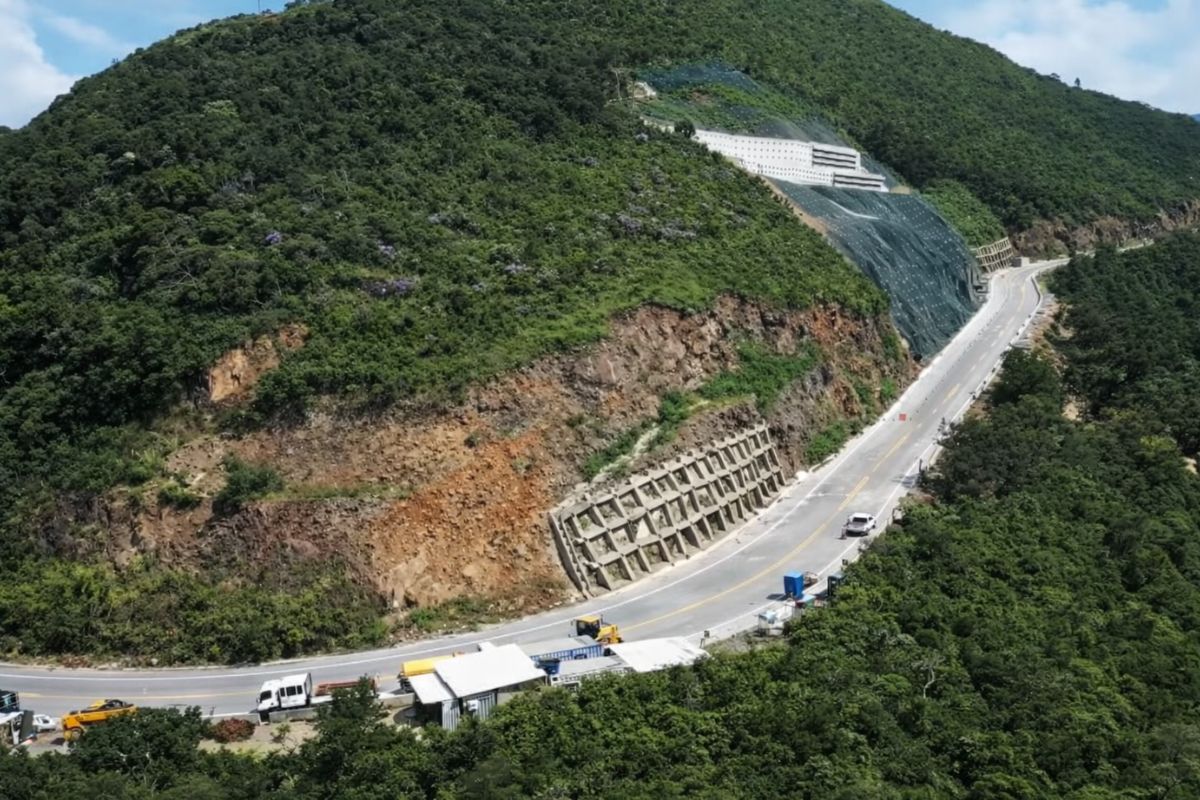
The section of Serra da Rocinha on BR-285 is now open in Timbé do Sul: 50 m tensioned curtains and top-down technique stabilize the slope, with a stairway duct controlling the water.
-
Scientists use sawdust mixed with clay to create a lighter brick, promising efficient thermal insulation and impressing by transforming waste into a solution for construction.

-
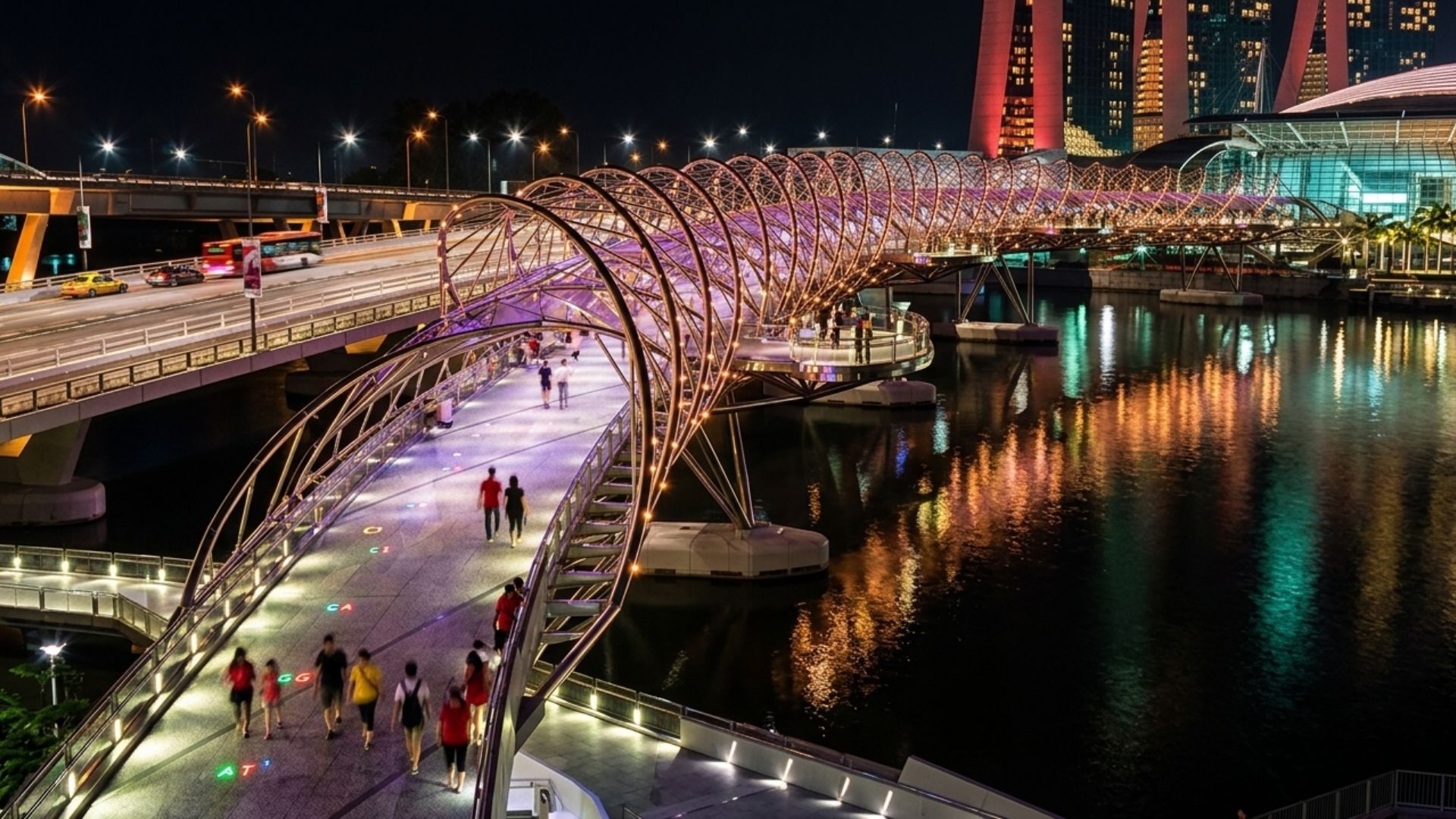
With a DNA shape, this bridge in Singapore draws attention in modern architecture and surprises tourists by transforming a simple crossing into an unforgettable visual experience in the urban heart.
-
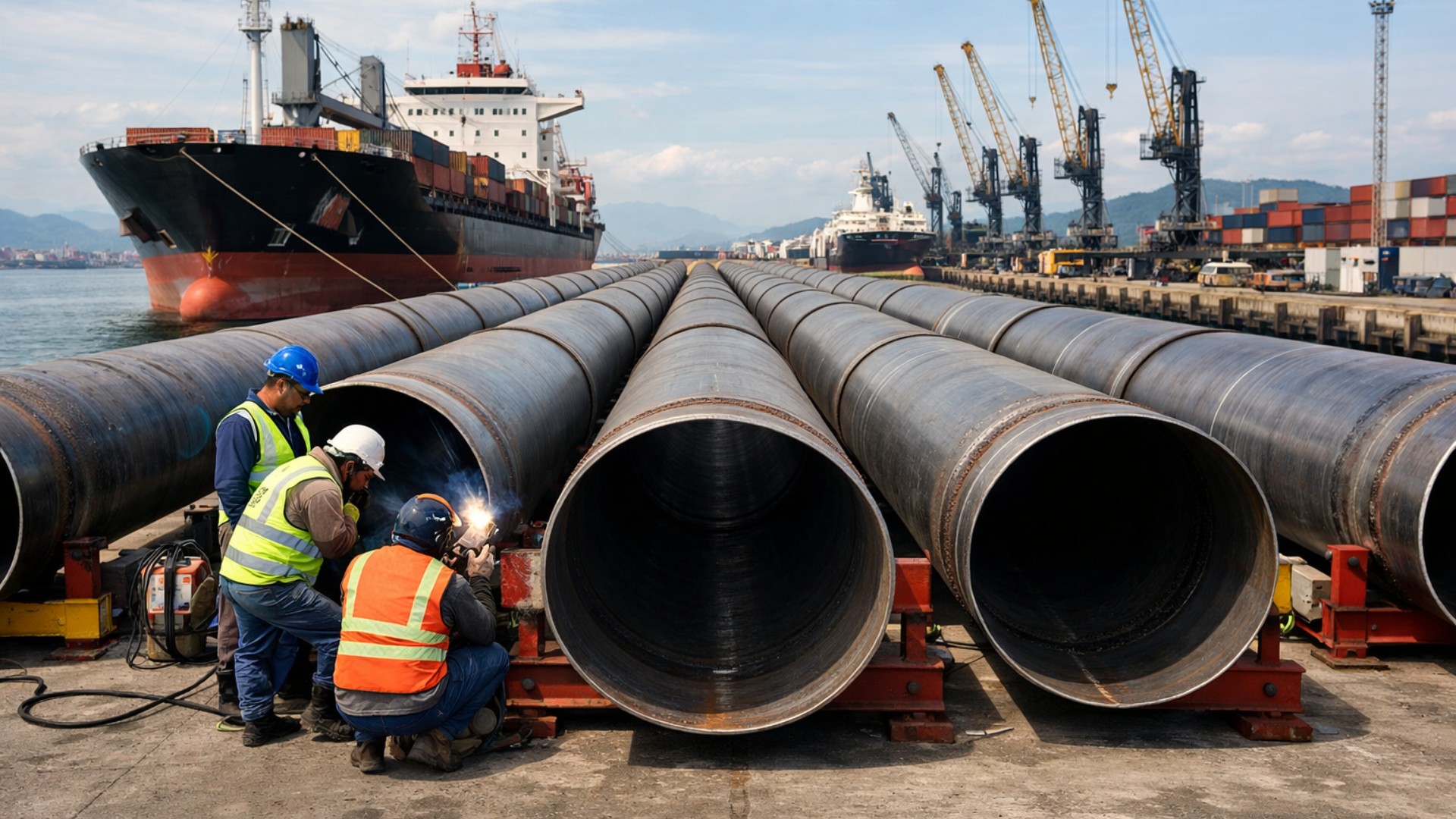
Giant underwater pipeline begins to take shape with a R$ 134.7 million project at the Port of Santos: the 1.7 km structure uses 12-meter and 700 mm pipes to supply water to 450,000 people in Guarujá.

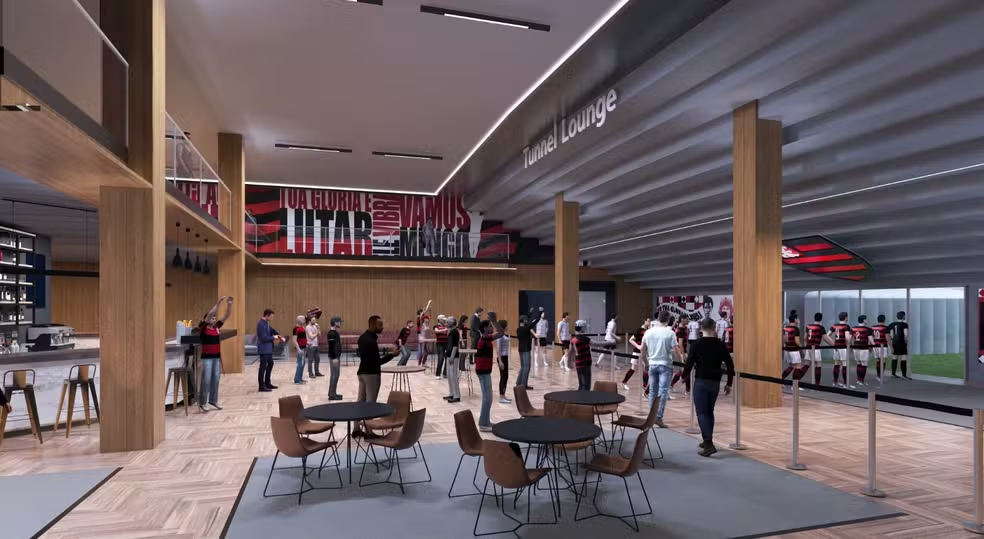
The preliminary study was developed by the renowned company Arena Events + Venues, specialized in high-standard arena and stadium projects.
Grandiosity In Every Detail Of The Flamengo Stadium
With an estimated investment of R$ 1.93 billion, the new Flamengo stadium will be more than a home for football matches. It symbolizes the club’s consolidation as a sports and economic powerhouse in Latin America.
The anticipated amount covers everything from land acquisition to executing essential phases such as surveying, decontamination, earthworks, foundations, structure, installations, parking, roofing, field, urbanization, and landscaping.
In addition, there is a commitment to the City Hall of Rio de Janeiro for urban integration and improvements in the surrounding area.
The stadium will be 60 meters tall — the equivalent of a 20-story building — and will feature 27 strategically positioned elevators, as well as 16 integrated ramps to facilitate internal access. This robust and modern structure will make the stadium higher than Maracanã and even the iconic Santiago Bernabéu of Real Madrid.
As a result, the expected capacity is approximately 80,000 fans, with 24,000 seats reserved for popular sectors, a commitment from Flamengo to its supporters.
If confirmed, this capacity will make the red-black arena the largest stadium in Brazil, surpassing Maracanã, which currently has a capacity of 78,838, and other important stadiums such as Mané Garrincha (72,788) and Morumbi (66,975).
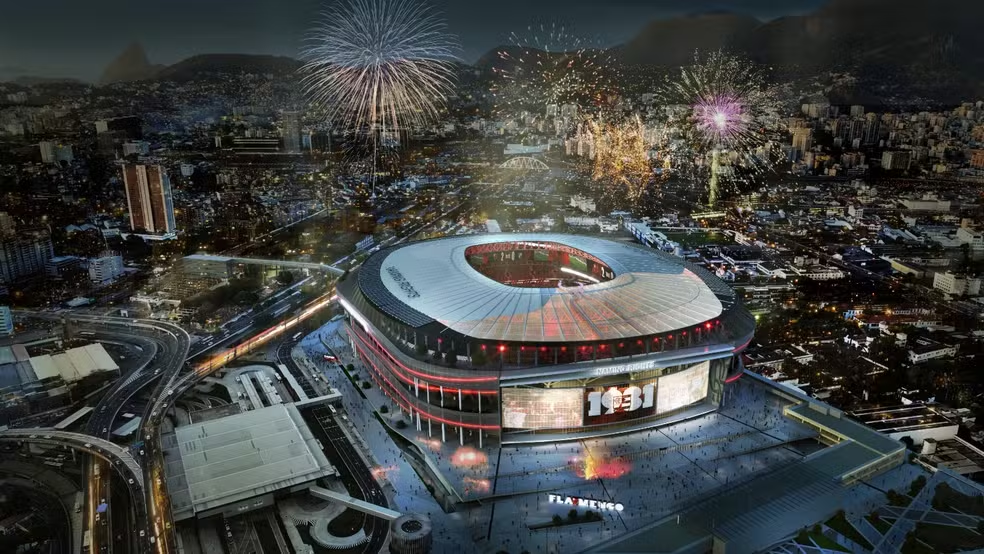
Technological Innovation And Remarkable Acoustics
The project also promises to impress with its use of cutting-edge technology. With the stands positioned closer to the pitch, the distance will be one of the shortest among Brazilian stadiums, ensuring a more immersive experience for the fans.
In addition, 6,200 m² of LED panels will be installed, including an internal panel with a 360º view, creating a modern and visually striking environment.
Another highlight of the Flamengo stadium will be the acoustics designed to amplify sound coming from the stands, especially from the fans located in the north sector, where the most passionate red-blacks will be. The projection is that the sound will reach up to 16 decibels above the standard of other stadiums, generating a unique and intimidating atmosphere for opponents.
The external space of the Flamengo stadium will also be designed to promote integration and interaction among fans. An area will be equipped with a large screen that will serve as a focal point and celebration space on game days.
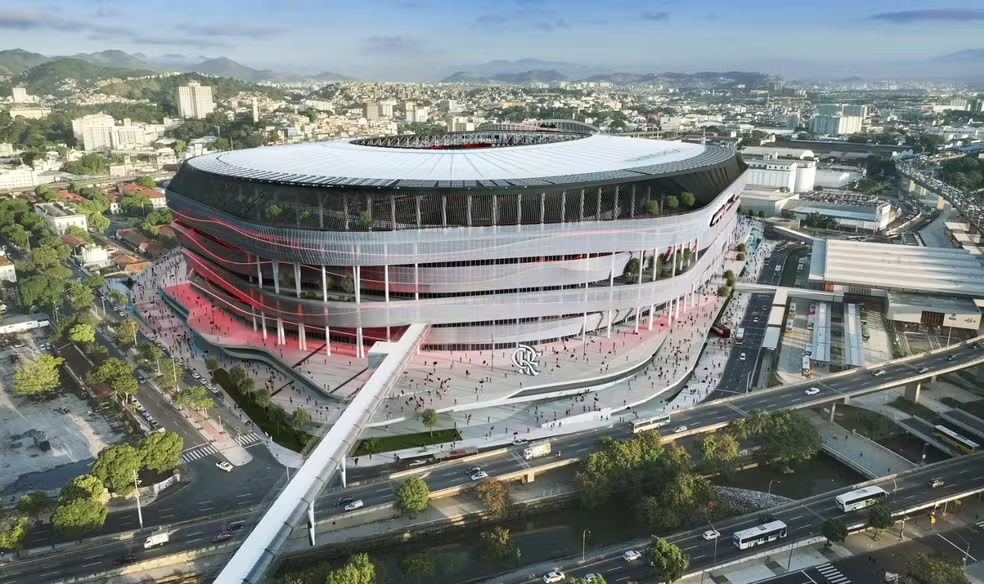
Financial Solutions And Revenue Sources
The economic feasibility of the project was another point addressed by Flamengo’s board. To finance the construction, the club expects to raise R$ 2.467 billion through various sources, ensuring the sustainability of the investment. The main revenue sources include:
- Naming Rights: estimated at R$ 1.5 billion in a 20-year contract.
- Perpetual Seat Sales: projected at R$ 187 million with the advance sale of 1,000 units.
- Five-Year Seat Sales: estimated at R$ 183 million from the advance sale of 5,000 units.
- Five-Year Boxes: forecasted at R$ 100 million from the sale of 28 exclusive units.
- Building Potential at Gávea: assessed at R$ 497 million.
With these revenues, the club seeks to ensure the project’s viability without compromising its operations while simultaneously strengthening its position as one of the most innovative clubs in the country.
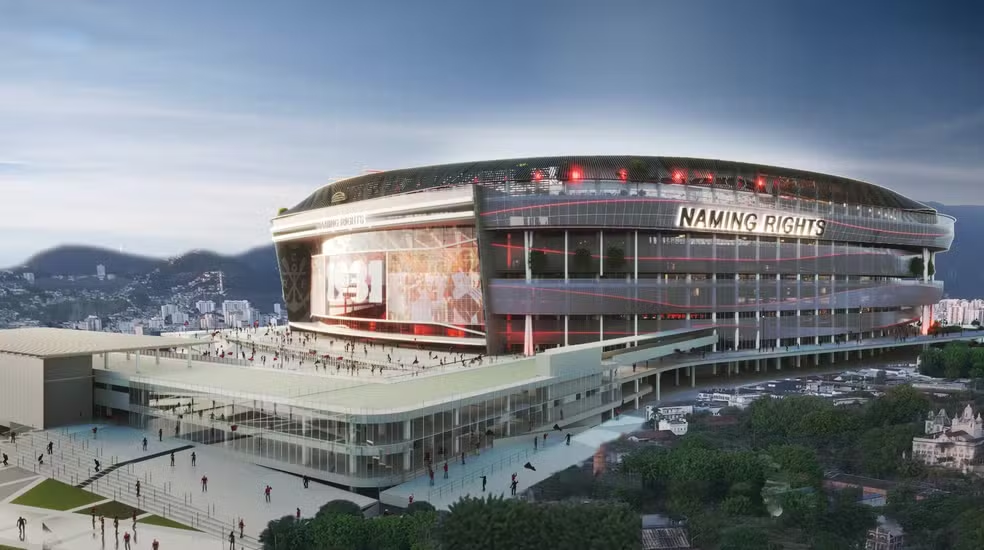
Comparison With Other Stadiums In Brazil And The World
If realized, the red-black stadium will be a landmark in the Brazilian sports scene, surpassing Maracanã in capacity. Currently, the largest stadium in Brazil is still Maracanã, followed by Mané Garrincha and Morumbi.
However, even with 80,000 seats, Flamengo’s arena will not surpass the Monumental de Nuñez in Argentina, which can hold up to 83,196 spectators after recent renovations.
In the global panorama, Flamengo’s stadium will also fall short against giants in capacity. The largest stadium in the world, the Rungrado 1st of May, in North Korea, accommodates up to 114,000 spectators.
Other examples include Michigan Stadium in the United States (107,601) and Camp Nou in Spain (99,354). Nonetheless, Flamengo will have an internationally standard arena, standing out as a reference on the continent.
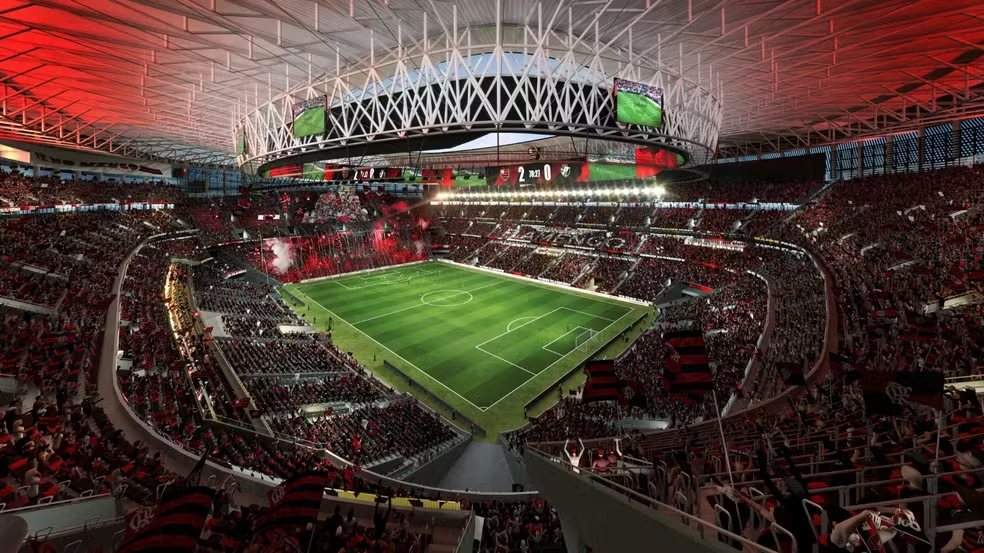
A Dream That Is About To Become A Reality
The new Flamengo stadium is not just an infrastructure project. It represents a milestone in the history of the club and the red-black fans.
With an inauguration scheduled for 2029, the arena will be a symbol of the greatness and promising future of Flamengo, consolidating its status as one of the largest clubs in the world.
The project presentation was not just a moment of celebration, but also a commitment to the fans.
Flamengo is now entering the bidding phase to choose the company responsible for carrying out the works, with the aim of delivering a stadium worthy of its history and passion.
If everything goes as planned, the red-black nation will soon have one more reason to be proud. A temple dedicated to football, emotion, and the unbreakable connection between the club and its fans. The countdown has already begun.








Uma vergonha este investimento !!
Era melhor comprar o Maracanã, que já está pronto !! Para que mais um estádio faraônica!! Tudo isso em uma cidade em guerra absoluta, com o contraste dos coitados que moram em favelas !!! acordem !!!
Ahahahahahahahahahahah