





 Portuguese
  English
  Spanish
 3 min of reading


Slum Residents Adopted Chinese Biodigester Method to Prevent Sewage from Being Dumped into Rivers Without Treatment
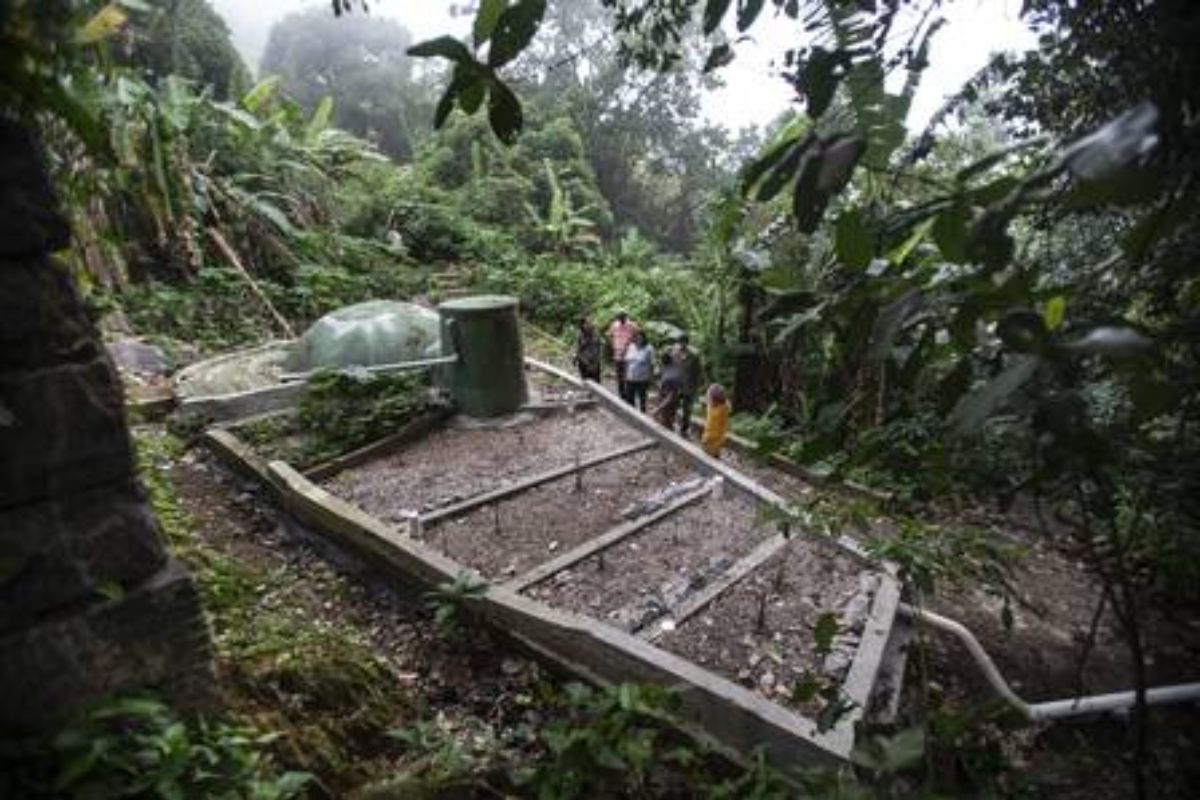
Basic sanitation is still a challenge in large slum complexes in Rio de Janeiro. Thinking of a way to help the environment, residents of Vale Encantado in Rio decided to adopt age-old methods like the biodigester for sewage treatment. With this method, they will prevent 15 million liters of waste from flowing into the Tijuca Forest each year.
The sewage treatment system has been operational since early June and currently serves 27 houses, totaling 60 families. These homes are connected by a biosustainable system that transports the waste to a large biodigester where treatment occurs without the use of any chemical additives. Want to know how it works? Keep reading.
Learn More About This Achievement from the Rio de Janeiro Slum in the Video Below
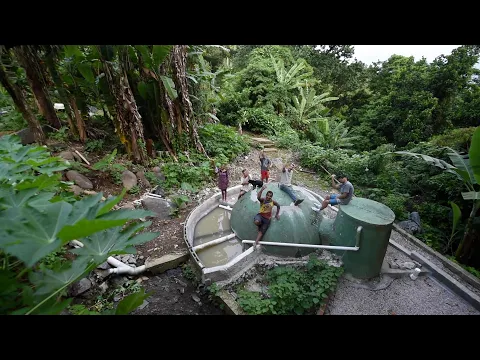

Biodigester and Floating Garden Are Centuries-Old Techniques for Sewage Treatment Adopted by Residents in the Slum
For sewage treatment to be effective, residents adopted the floating garden and biodigester techniques, which have been known for hundreds of years worldwide. The idea to implement these models came from community member Otávio Barros.
-
Mothers and daughters come together, create an ‘express’ beauty salon and turn the idea into a network with 21 units, revenue of R$ 16.7 million and 12,000 subscribers.

-
End of the 6×1 schedule: how the reduction of hours can affect service companies, industry, and agribusiness.

-
Brazil Ignores Trump’s threats to BRICS, Buys 42 tons of gold and reduces the Dollar’s share by 6.45% in international reserves.

-
Havan buys historic football land in Blumenau for a million-dollar amount protected by a confidentiality clause and is already planning to change even the layout of streets to build a megastore in half-timbered style costing 80 million reais.

The system integrates both techniques in two phases of sewage treatment. In the first phase, waste is collected from homes through the piping system and held in a reservoir constructed in a strategic location. In this reservoir, the material undergoes the action of bacteria present in the stomachs of animals like horses and cows, as well as in humans. They break down the compounds and generate a gas that can also be used in the kitchen.
In a second phase, the resulting liquid goes to another reservoir containing plants that feed on the organic load in the water, thus aiding in filtration — the so-called floating gardens. As the plants are still developing, the cleaning process is at 50% of the organic matter. However, over time, this percentage is expected to reach 90%.
The final destination for the liquid is a soakaway that directs the remaining nutrients in the water to the soil, preventing pollution of the region’s rivers.
Project Promises to Address Basic Sanitation Issues in Vale Encantado, or Part of It, Through Sustainable Sewage Treatment
The adoption of this measure brings basic sanitation to some homes in the slum and prevents environmental and social impacts.
“The biodigester works like a stomach; the process is the same as what happens inside us. The plants we use in the system are wetland species that thrive in water. We look at the region to find plants that establish themselves best along creek edges. The treatment focuses on reducing organic load and nutrients. Nutrients like nitrogen, phosphorus, and potassium are abundant in sewage and contribute to the eutrophication of ponds, turning them green, for example. In this system, the first stage removes the organic load, and the filtering garden takes away the nutrients“.
Leonardo Adler, Environmental Engineer and Sanitarian Responsible for the Project (2022)
The first phase of this large project was completed in 2015, after funding from the Foundation for Research Support of the State of Rio de Janeiro (FAPERJ). Now in 2022, the project was able to expand through contributions from organizations such as Live with Water, Institute for Climate and Society, as well as international donations to connect the residences to the biodigester.






Seja o primeiro a reagir!