





 Portuguese
  English
  Spanish
  3 min of reading
  1 comment


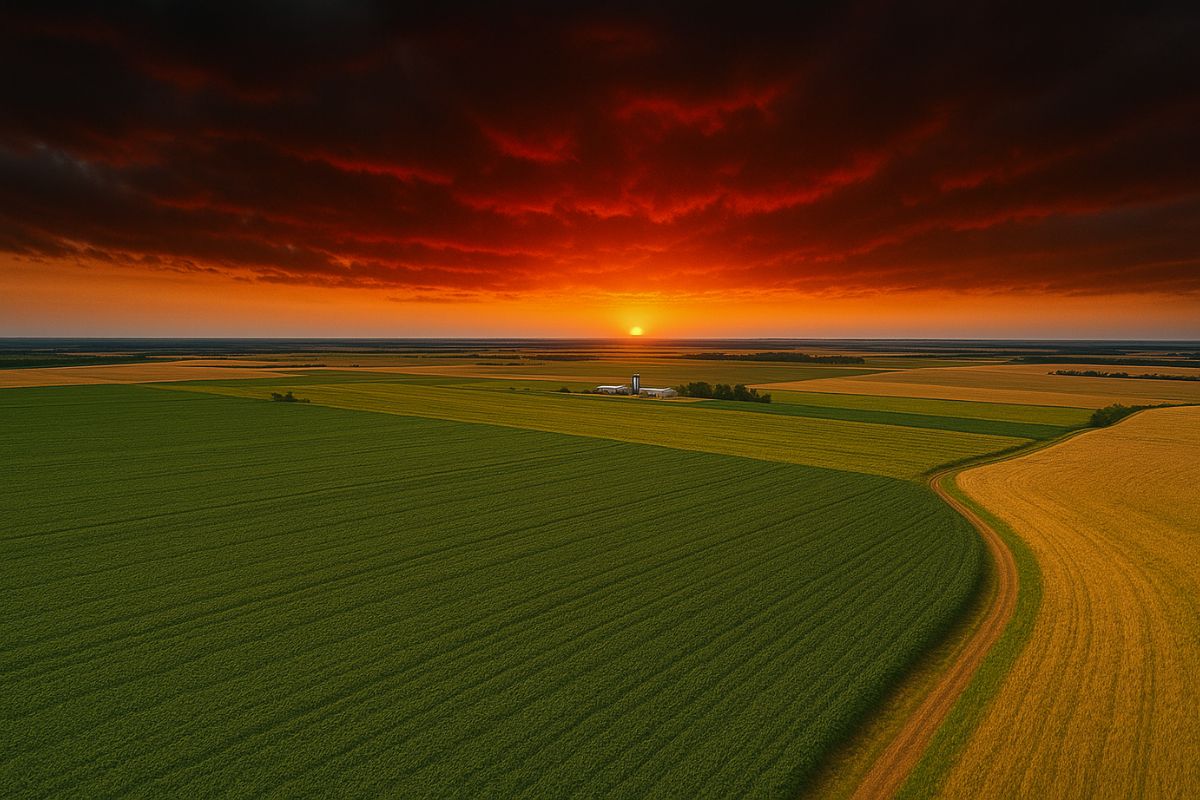


State Concentrates the Most Expensive Rural Properties in Brazil, Driven by Record Productivity, Strategic Logistics, and International Interest.
The farms for sale for billions are multiplying in Mato Grosso, reflecting the accelerated growth of agribusiness. The national leadership in the production of soybeans, corn, and cotton has transformed the state into a showcase of billion-dollar lands — the largest, in Nova Ubiratã, is valued at R$ 5.8 billion.
With 66 thousand hectares, a runway for jets, and a complete storage structure, the property symbolizes the new level of appreciation of agricultural land. According to Chãozão, a platform specialized in rural real estate, four of the ten most expensive farms in the country are located in Mato Grosso.
A Billion-Dollar Race for Fertile and Structured Lands
The appreciation of farms for sale for billions is not a one-time event. Between 2019 and 2024, the average price of agricultural land in Brazil increased by 113.3%, while pasture prices rose by 116.3% — nearly four times the inflation rate during the same period, according to Scot Consultoria. In Mato Grosso, the increase was even greater: 189.1%.
-
Rain gains strength in April, potentially exceeding 150 mm, placing the North, Northeast, and the coasts of the South and Southeast at the center of the heaviest forecast of the week.

-
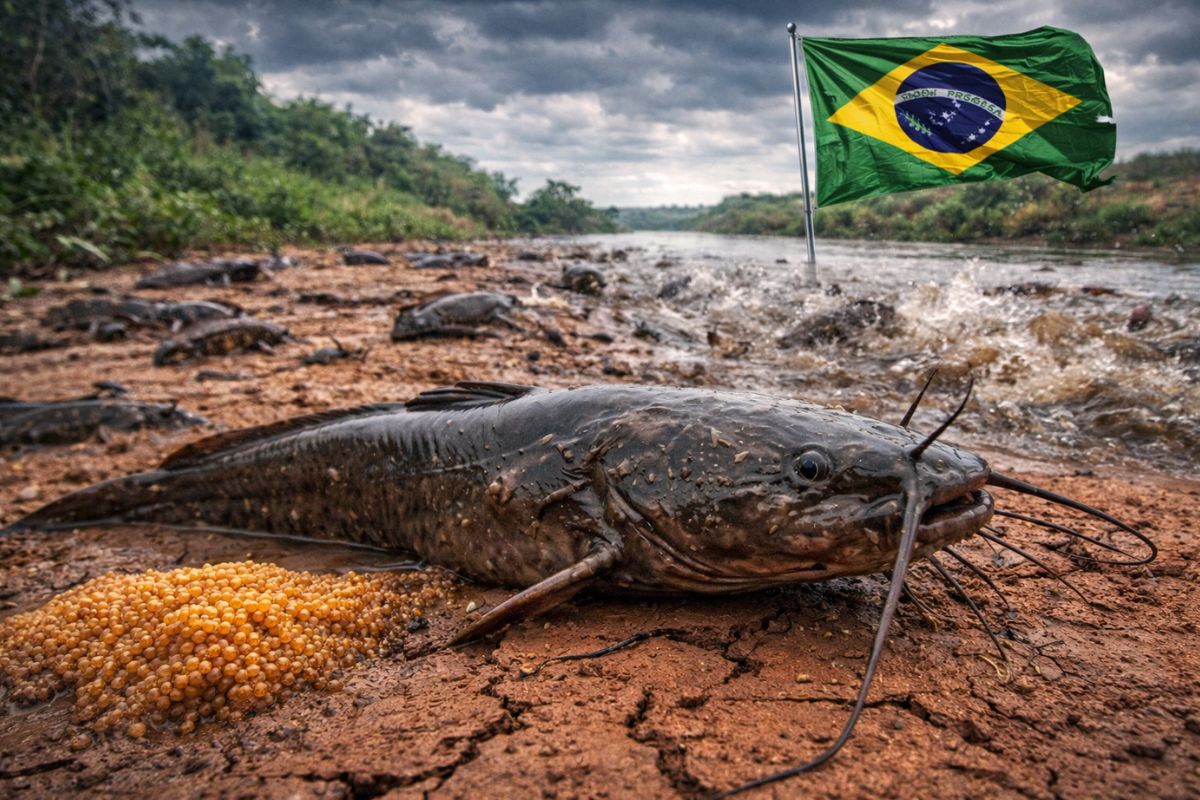
A fish that survives out of water, crawls on land until it finds another river, and whose female lays 80,000 eggs at once is infesting rivers and lakes in Brazil, and no one can stop this invasion.
-
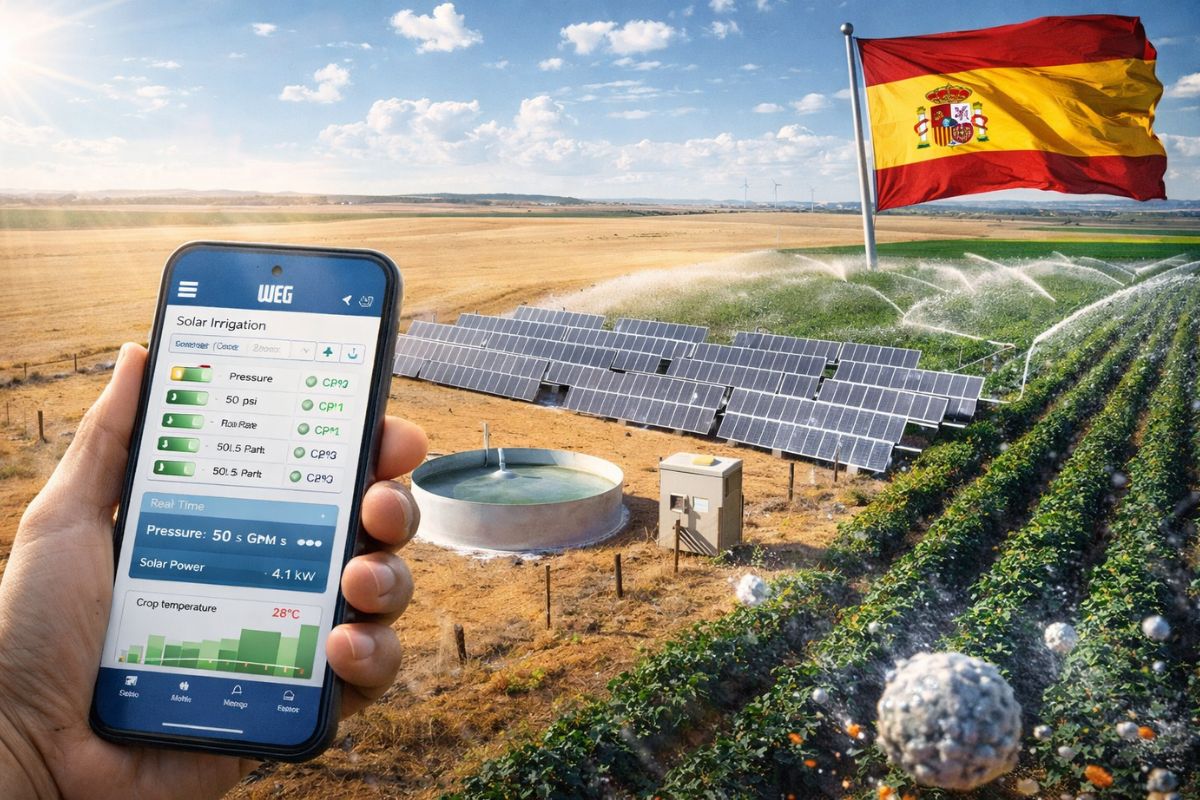
WEG took its technology to Spain to create a solar irrigation system that operates independently without needing an electrical grid, and now farmers control everything remotely via their mobile phones.
-
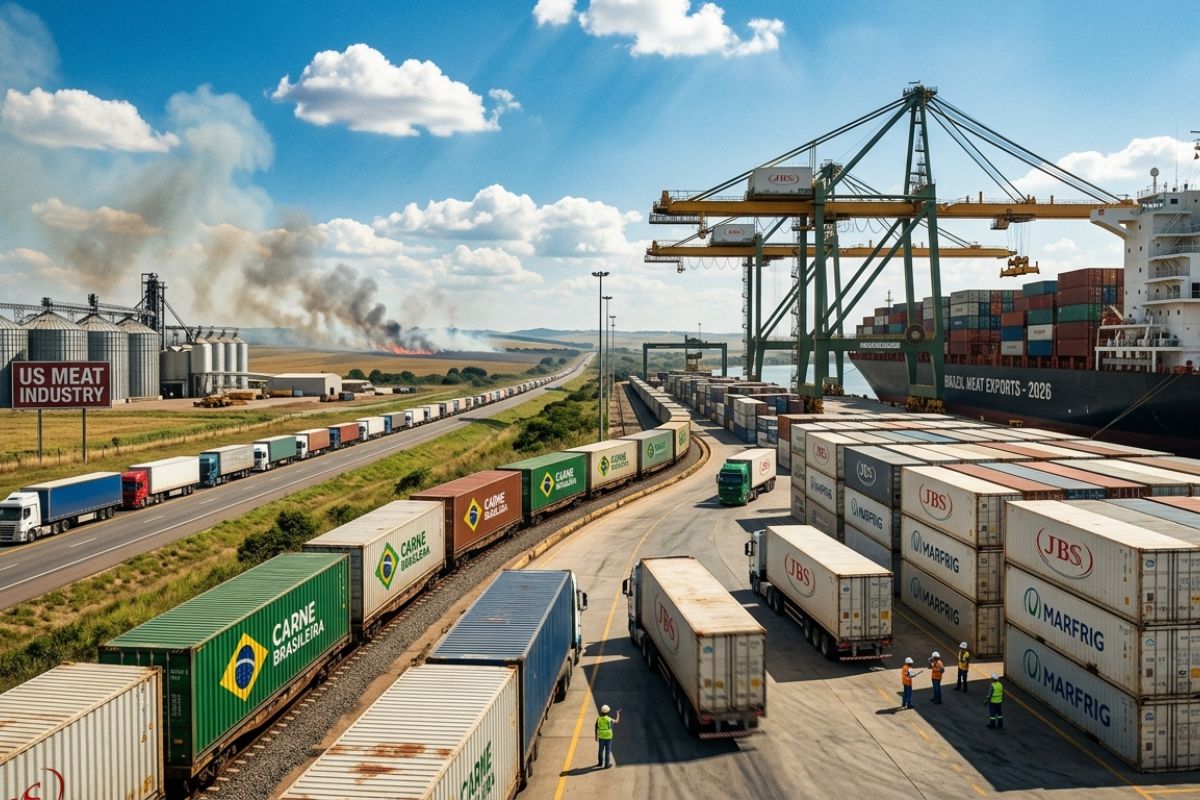
The US faces a meat crisis with fires, pests, and strikes, consumption rises and supply falls to the lowest level since 1952, creating a billion-dollar opportunity for Brazilian exports to grow in 2026.

According to a study by the Center for Agribusiness Studies at FGV, the growth is sustained by factors such as the global rise in commodity prices, gains in productivity, and the expansion of logistical infrastructure. BR-163, known as the soybean route, has become one of the main corridors of Brazilian agribusiness.
What Justifies Farms for Sale for Billions in Mato Grosso?
According to Chãozão’s CEO, Geórgia Oliveira, the explosion in values is linked to the combination of five strategic factors:
- High profitability of soybeans, corn, and cotton, with attractive international prices;
- Growing global demand for food, with Brazil as a central supplier;
- Logistical improvements in roads and railways, reducing the cost of transportation;
- Adoption of cutting-edge agricultural technologies, which increase productivity;
- Entry of foreign funds, especially from the U.S. and China.
By 2025, the state will already have more than 700 farms for sale, with areas exceeding 80 thousand hectares, private runways, warehouses, cotton gins, and even internal urban districts, such as the Água Limpa District, which emerged within one of these properties.
Agroindustry, Corn Ethanol, and Mega Investments
Another factor driving farms for sale for billions is the advancement of agroindustry. Mato Grosso houses 17 of the country’s 40 corn ethanol biorefineries, according to the National Corn Ethanol Union (Unem). Inpasa, the largest producer in Latin America, already produces ethanol, DDGS, and vegetable oil on a large scale in Sinop.
These plants have transformed the dynamics of corn in the region. Previously undervalued due to high freight costs to ports, the grain is now absorbed locally and drives an entire value chain, with a direct impact on the land and agricultural communities.
Foreign Investors Eye the Brazilian Countryside
The interest in farms for sale for billions does not come solely from Brazilians. According to Chãozão, by 2025, there were already over 160 thousand international searches, particularly from Americans, Brits, Chinese, and Germans. Legal restrictions do not hinder negotiation: with approval from Incra and, in some cases, the National Defense Council, foreigners can acquire properties in Brazil.
The continuous appreciation, combined with record production and global food security, makes Mato Grosso the epicenter of the most sought-after assets in Brazilian agribusiness. If it were a country, the state would rank among the top 10 grain producers in the world.
Would you invest in land in Mato Grosso? Do you think these billion-dollar farms represent the future of Brazilian agribusiness? Share your thoughts in the comments.









Por que vender uma fazenda produtiva, e rentável, com toda infra instrutura montada?
é uma propriedade privada, e, as pessoas não são eternas.