





 Portuguese
  English
  Spanish
  6 min of reading
  1 comment


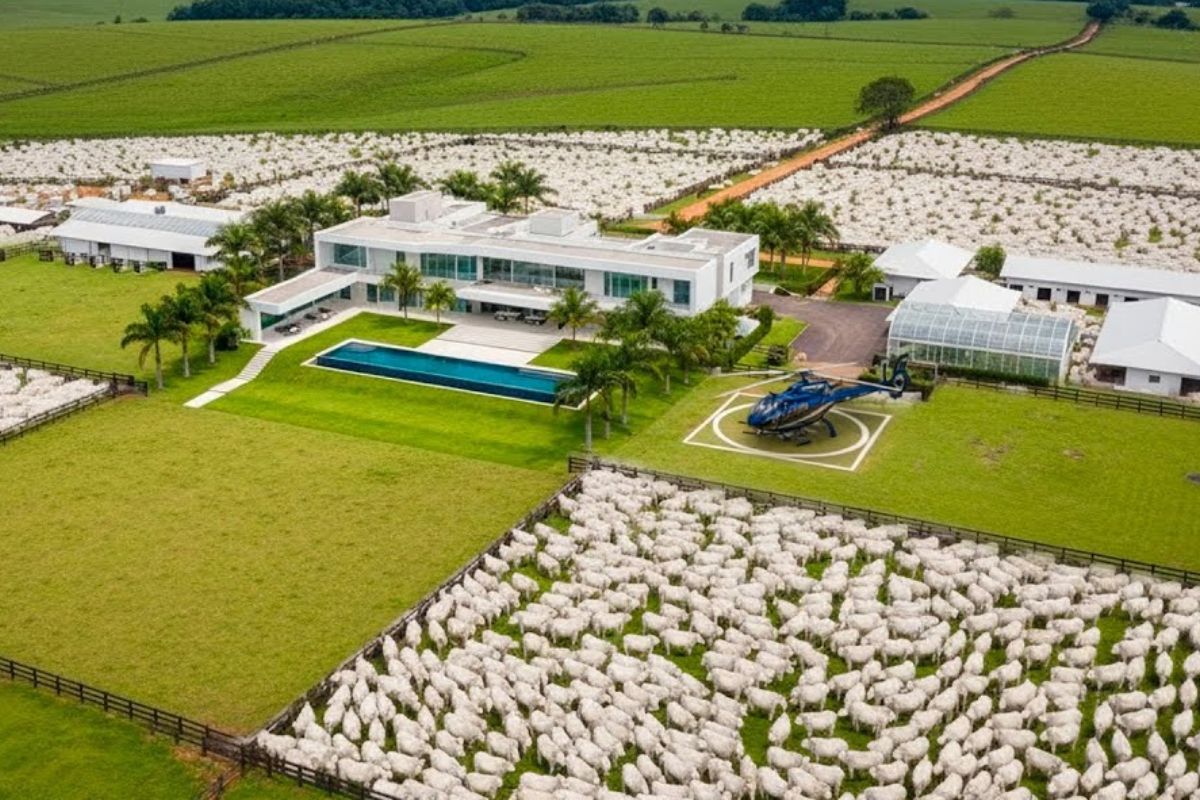


In Billion-Dollar Operations and Closed-Gate Deals, Giant Farms in Australia and Brazil Gather Areas Larger Than Cities, Thousands of Head of Cattle, and Complete Structures That Transform Land Into Agribusiness Empires.
Giant farms have ceased to be merely a geographical curiosity to become strategic assets fought over by large business groups. These rural properties are worth billions of reais, blend agriculture and livestock on an industrial scale, and concentrate, behind the gate, infrastructure worthy of small towns, with employee villages, landing strips, silos, workshops, and their own fleets.
In recent years, billion-dollar sales in Australia and Brazil have placed these giant farms in the spotlight.
Cases such as Bitalo Station, Fazenda Itamarati, Nova Piratininga, and São Marcelo illustrate how area, management, and reputation form a powerful equation that redefines the level of global agribusiness.
-
The sugar-energy sector advances with agricultural technology, but agricultural productivity still raises concerns.

-
The eggshell that almost everyone throws away is made up of about 95% calcium carbonate and can help enrich the soil when crushed, slowly releasing nutrients and being reused in home gardens and vegetable patches.

-
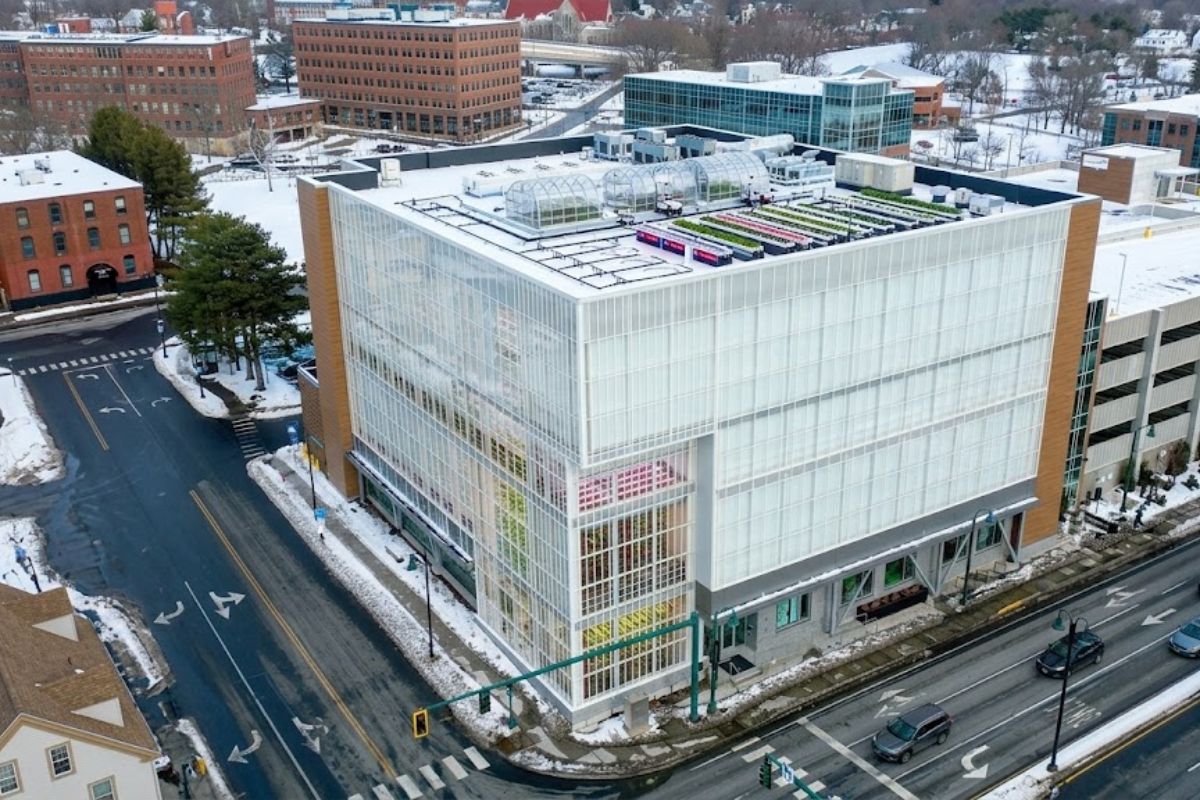
This farm in the United States does not use sunlight, does not use soil, and produces 500 times more food per square meter than traditional agriculture: the secret lies in 42,000 LEDs, hydroponics, and a system that recycles even the heat from the lamps.
-
The water that almost everyone throws away after cooking potatoes carries nutrients released during the preparation and can be reused to help in the development of plants when used correctly at the base of gardens and pots, at no additional cost and without changing the routine.


What Transforms a Farm into a Giant Farm
The first criterion that differentiates giant farms from the rest of the market is scale. Instead of a few thousand hectares, we are talking about properties that sum tens or hundreds of thousands of hectares under a single registration or within the same production complex. In many cases, the total area exceeds that of large Brazilian cities.
But it’s not just the land area that impresses. These giant farms often operate as integrated production, logistics, and living platforms.
Behind the gate, it’s common to find landing strips for planes, hangars, internal road networks, modern handling pens, dedicated grain storage structures, complete workshops, and planned villages to accommodate hundreds of workers and their families.
Another central point is the ability to generate cash flow regularly. Whether with millions of sacks of grain or tens of thousands of cattle, giant farms operate as high-performance businesses, with planned production cycles, professional management, and strong long-term appreciation potential.
Bitalo Station: Billion-Dollar Giant Farm in Australia


In Australia, one of the most talked-about deals in recent years involved Bitalo Station, considered one of the largest cattle properties in the country.
More than just an isolated farm, it presents itself as a complex formed by different areas, totaling approximately 1 million hectares dedicated to extensive cattle raising in a strategic region of the Northern Territory.
Bitalo Station was sold in a deal estimated at over 300 million dollars, easily surpassing 1.5 billion reais.
The agreement was closed under closed-gate conditions, which means the buyer took over the land, the herd, and all the infrastructure in full operation.
The package included about 90,000 head of cattle, primarily Brahman and crossbreeds, as well as trucks, aircraft, helicopters, modern pens, water supply systems, and an extensive network of internal roads.
In this case, it is clear how giant farms are viewed as complete businesses. It’s not just about buying a rural property, but acquiring a ready production system, with scale, logistics, and capacity for expansion, which can continue operating the day after the contract is signed.
Fazenda Itamarati: The Giant Legacy of the King of Soy
In Brazil, few giant farms are as emblematic as Fazenda Itamarati, located in Campo Novo do Parecis, Mato Grosso.
The property became famous under the ownership of Olacyr de Moraes, the “King of Soy,” one of the major figures responsible for transforming the Cerrado into a global agricultural powerhouse.
With about 150,000 hectares of total area, Itamarati combines large-scale crops, livestock, and areas of environmental preservation.
Approximately 55,000 hectares are dedicated to agriculture, with a strong presence of soy and corn, while the rest houses pastures and legal reserves.
The internal structure includes 11 landing strips for aircraft, hangars, dozens of silos and warehouses, workshops, and a complete village for employees.
After Olacyr’s death, the farm was put up for sale by the heirs and was eventually sold for a billion-dollar amount that included land, infrastructure, and equipment.
The deal solidified Itamarati as a symbol of giant farms that move from the vision of a single entrepreneur to integrating the portfolios of large Latin American agribusiness groups.
Nova Piratininga: From Abandoned Farm to a 3 Billion Asset

Another protagonist in the world of giant farms is Fazenda Nova Piratininga, in São Miguel do Araguaia, Goiás.
It stands out for having a single land registration with about 135,000 hectares, something rare in Brazil, where many properties are formed by blocks of smaller areas.
For years, Nova Piratininga belonged to businessman Wagner Canhedo, former owner of the airline Vasp. After financial difficulties, the farm faced neglect, decreased productivity, and loss of value.
In 2010, it was sold for around 310 million reais, an amount considered low compared to the area’s potential.
The turnaround came with new controllers entering and a strong investment agenda in technology, management, and recovery of productive areas.
In less than five years, the property began to be valued at around 3 billion reais.
The trajectory demonstrates how giant farms can multiply value when combining size, strategic location, and professional management focused on efficiency and productivity.
São Marcelo: Giant Farm That Became a Reference in Sustainability
Not always the main news about giant farms is the sale price. Sometimes, it’s about reputation.
This is the case of Fazenda São Marcelo, in Mato Grosso, which became a reference in sustainable livestock long before the topic gained the spotlight in the market.
São Marcelo, with approximately 35,000 hectares, is recognized for adopting good environmental practices and animal welfare, respecting preservation areas, maintaining registered employees, and following strict responsible management protocols.
For decades, it was controlled by a large retail group and was later sold to a company linked to one of the biggest names in the animal protein industry in the country.
More than size, what differentiates São Marcelo is the image built over time.
In a scenario where consumers, industries, and exporters demand environmental commitments, giant farms with certifications, green labels, and a consistent history of responsibility tend to be even more valued in eventual negotiations.
What Giant Farms Teach About the Future of Agribusiness
Together, Bitalo Station, Itamarati, Nova Piratininga, and São Marcelo show that giant farms are, in practice, complex business platforms.
They combine large-scale land, heavy infrastructure, numerous teams, embedded technology, and strategic decisions that influence entire chains, from production to end consumption.
These operations also reveal the increasing appetite of funds, business groups, and investors for real assets linked to the production of food, fibers, and energy.
In a world concerned with food security, supply stability, and environmental issues, giant farms that are well-located, productive, and operated responsibly tend to gain economic and geopolitical weight.
At the same time, the story of each of them reinforces an important lesson. Size impresses but does not guarantee results alone.
What transforms giant farms into billion-dollar businesses is the combination of long-term vision, professional management, investment capacity, and reputation built year after year.
And you, upon learning about these giant farms sold for billions and with closed-gate structures, what do you consider more decisive for the success of a large rural property: the land area, management, or the reputation built over the years?






Educating