





 Portuguese
  English
  Spanish
  4 min of reading
  0 comments


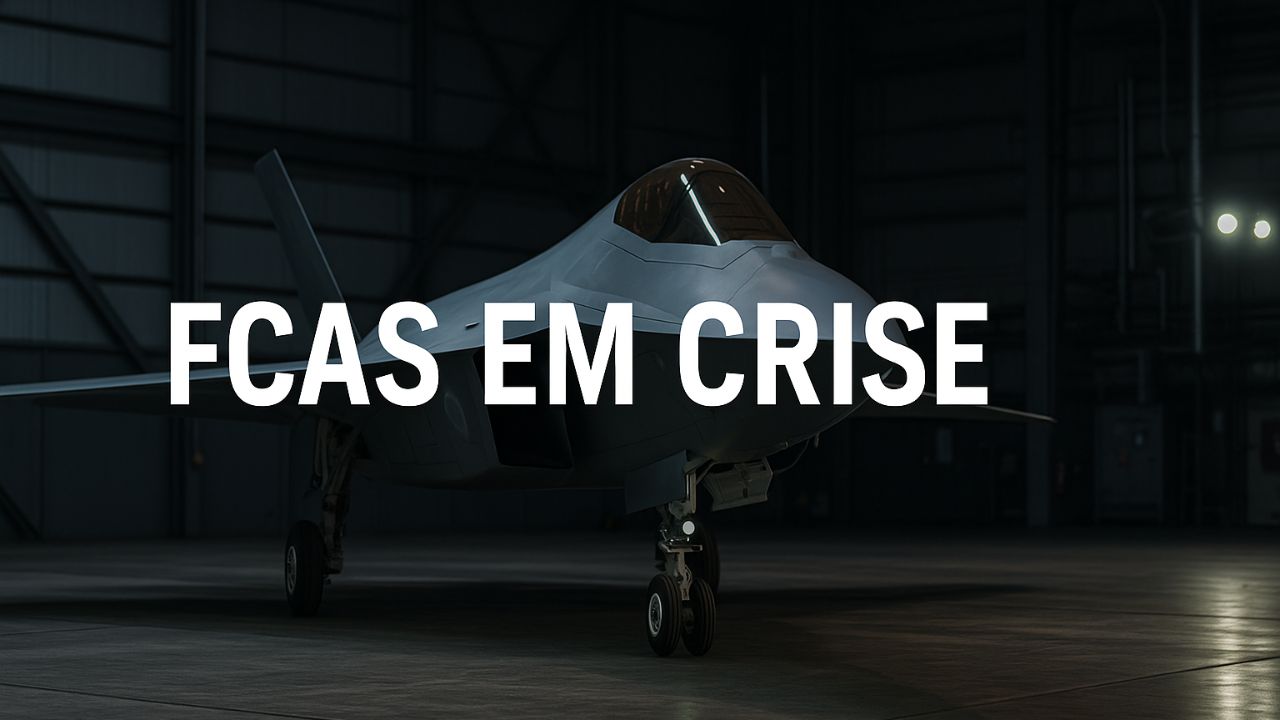
The Crisis In FCAS Exposes Failures In Cooperation Between France And Germany And Threatens Europe’s Ability To Compete With The F-35. See The Details.
The what should have been the biggest European military advance of the century — the FCAS program, budgeted at 100 billion euros — has turned into a red alert for those monitoring the continent’s defense capabilities.
When when the project seemed to be progressing, between September and November, new divergences revealed that the aircraft of the sixth generation is stuck in a cycle of delays.
The deadlock occurs where it matters most: at the core of military cooperation between France and Germany, countries responsible for leading the initiative.
-
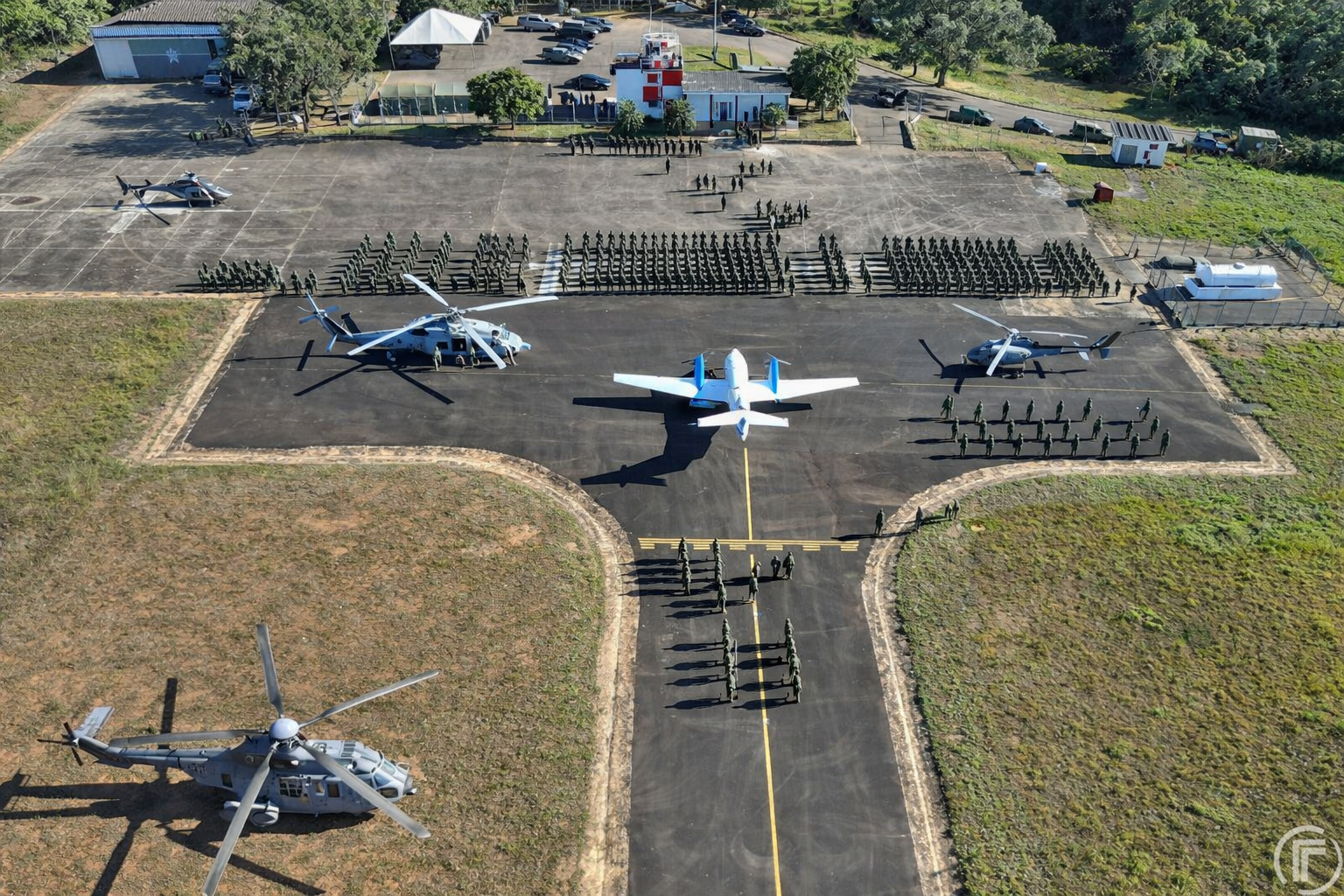
Furnas Airport is handed over to the Navy and becomes a strategic base with complete military operations, attack drones, and international mobilization at Furnas Lake.
-
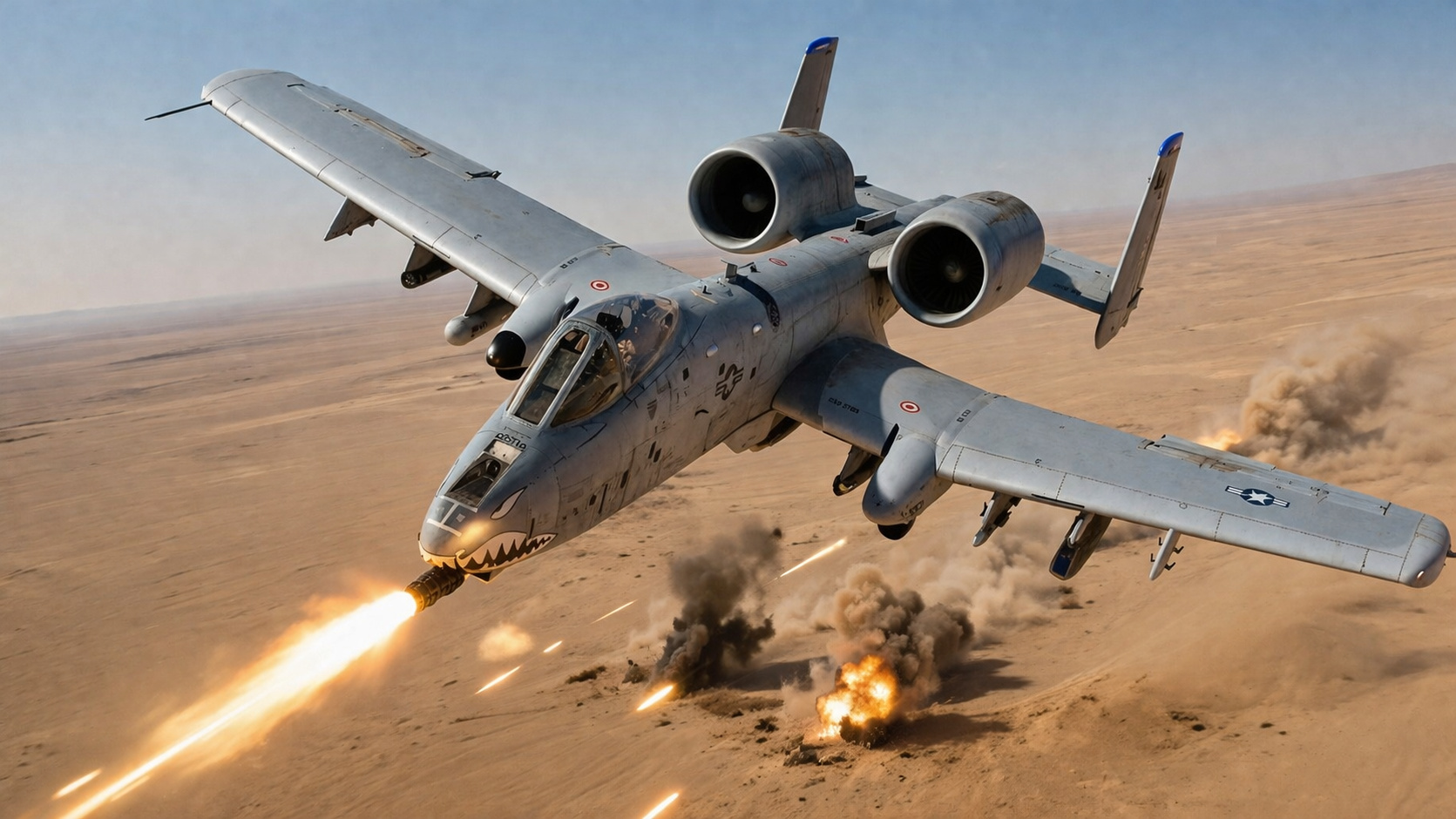
Few people know, but “mega burst” attacks from the A-10 in the Middle East are intriguing analysts and even experienced former pilots of the U.S. Air Force.
-
Manufactured in Brazil and exported to Saudi Arabia and Malaysia, the ASTROS system is renamed as Fogos in 2026, gaining AI, cruise missiles with a range of 300 km, and air defense costing R$ 3.4 billion, transforming a launcher from the 1980s into the most ambitious multidomain platform in Latin America.
-
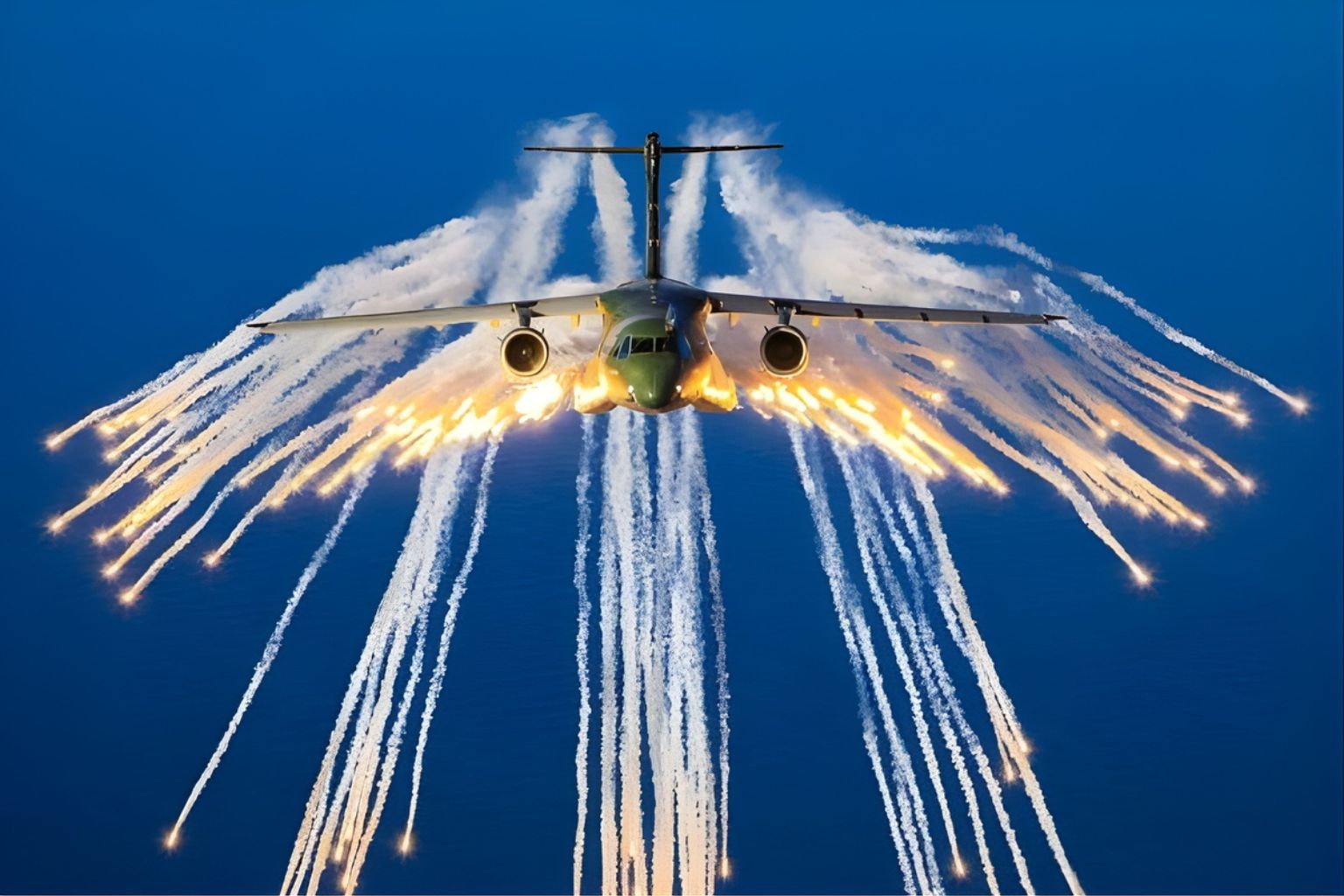
The largest military aircraft ever produced in Brazil, the KC-390 Millennium can carry up to 26 tons, refuel fighter jets in flight, and has already been exported to Europe and Asia, placing the country in the select group that designs and sells large military aircraft worldwide.

The blockage happens as a result of industrial disputes and increasing political pressures.
And the project drags on why? Because, despite the rhetoric of autonomy, Europe has still failed to align ambition, production structure, and governance.
Thus, the FCAS — designed to be a European response to the F-35 — has become a symbol of a technological race that may slip out of European hands just as the continent tries to reinforce its military sovereignty.
FCAS Goes From Promise To Reflecting The Limits Of European Cooperation
The project was born as a landmark of strategic independence. However, over the past few months, expectations have changed tone.
According to analysts, the FCAS has shifted from a futuristic program to a mirror of the internal vulnerabilities that permeate Europe.
The original text summarizes this turning point by stating that “the plane is literally in a dead end.”
And the assessment has become even more urgent as central figures, like Macron and Friedrich Merz, have begun to publicly advocate for a Europe less dependent on the United States.
The symbolism of the FCAS as a counterpoint to the F-35 — an embedded aircraft that dominates the global market — reinforces the weight of the initiative.
The continent needs a replacement for the Rafale and the Eurofighter, both already advancing toward the end of their useful life.
However, while political rhetoric has intensified, the industrial reality has followed a different path.
Internal Disputes Erode The Bases Of The Program
The biggest hurdle for the FCAS lies not only in costs or technological complexity but in the turbulent relationship between the two industrial pillars of the project: Dassault (France) and Airbus (Germany).
The rivalry has become even more evident in the preserved statements of Eric Trappier, head of Dassault, who has never shied away from showing his resistance to sharing leadership.
As the text highlights, he did not disguise “his disdain for German technical capabilities in areas considered critical.”
Meanwhile, Airbus accuses its French partner of protecting privileges incompatible with a multinational project.
This conflict has escalated as the French-made Rafale has secured significant international sales, reinforcing Paris’s political weight and further destabilizing the balance.
Thus, each stage has turned into a battleground, from intellectual property to task division. The result is paralysis.
Macron Loses Political Momentum; Germany Assumes Financial Weight
In addition to industrial tensions, the political crisis also pushes the FCAS toward the abyss. On one side, Macron faces a France struggling with budget constraints and an electoral scenario that could hand power to the far-right.
On the other, Friedrich Merz deals with a Germany under economic pressure but with financial capacity surpassing that of France.
The difference in resources — as the text highlights — places Berlin as the “dominant partner,” something that unsettles Paris and creates asymmetries that hinder strategic decisions.
And thus, cooperation requires precisely what is lacking: trust.
Alternative Proposals Show The Level Of The Crisis
Faced with the impasse, experts are already considering paths once deemed impossible.
Bloomberg noted that “hypotheses emerge that would have been unthinkable a few years ago.” Among them:
1. Transform The FCAS Into A Common Digital Platform
Each country would develop its own aircraft, connected by a central data system. Dassault would follow a sovereign path, while Airbus would focus on embedded systems and auxiliary drones.
2. Completely Reorganize The Division Of Labor
Instead of separating functions by national flag, Europe would start to distribute tasks according to who delivers faster and with better quality.
Although this is the most efficient model, it directly clashes with electoral and national interests.
Both alternatives show that the crisis is not just industrial — it is structural.
External Dependence Haunts Europe Again
If the FCAS fails, the impact will be profound. It’s not just about losing a military program worth 100 billion euros, but about admitting that the continent has failed to create its own advanced platform, while the F-35 continues to expand its global presence.
The text reminds that “the countries that lead this transition will determine the balance of power in the 21st century.” And, in the meantime, Russian drones cross European borders almost daily, reinforcing the sense of urgency.
The dependence on external suppliers — precisely what Macron and Merz claim to want to overcome — would once again intensify.
European Credibility At Stake
The FCAS is not just an aircraft. It is the synthesis of Europe’s capacity to act collectively and sustain long-term projects. Therefore, its outcome is considered “a decisive test.”
The text emphasizes that the project has become “a reminder that political will and industrial structure rarely advance at the same pace.”
Without profound reforms, any joint initiative will continue to stumble over the same deadlocks.









Seja o primeiro a reagir!