





 Portuguese
  English
  Spanish
  5 min of reading
  1,197 comments


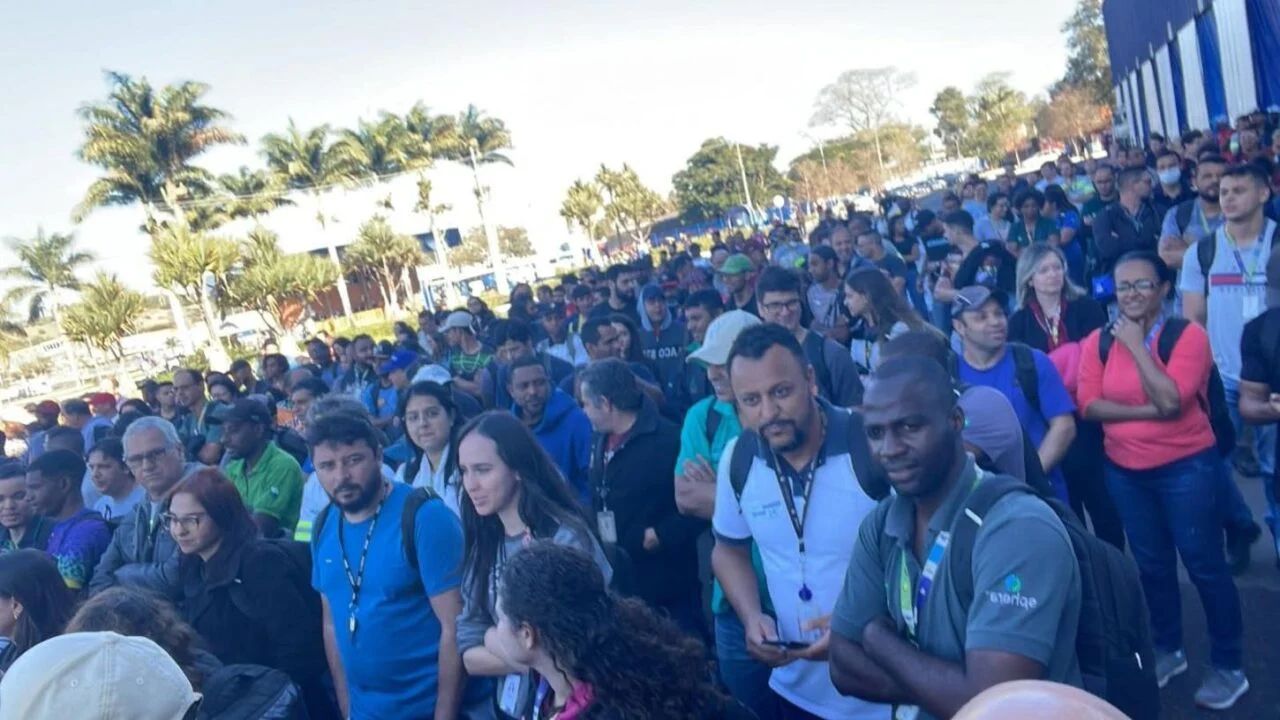


With an annual production of 500,000 tons, the plant was one of the largest in the pet food sector in Brazil. After a failed attempt to sell, the facility will be deactivated in 90 days, directly affecting the local economy and regional suppliers
Few people expected the notice to be so direct: in the mid-morning of July, the multinational ADM gathered its employees in Três Corações (MG) and announced the closure of one of the largest plants for pet food in the country. The decision, which is part of a global downsizing of the company, took the entire sector by surprise and raises a red flag about the future of the Brazilian animal nutrition industry.
With more than 500,000 tons of annual production and nearly a thousand employees, the factory operated as one of the pillars of ADM’s pet food division in Latin America. But, according to the company itself, maintaining operations no longer made sense — even after unsuccessful sale attempts that lasted more than a year.

The Minas Gerais Plant That Became a Giant and Is Now Closing Its Doors
Located in Três Corações, the factory was acquired by ADM in 2019 as part of a strategy to dominate the Brazilian pet market. The facility employed about 900 people and had a capacity to produce more than 500,000 tons per year of food for dogs and cats — a volume considered top-tier, even by international standards.
-
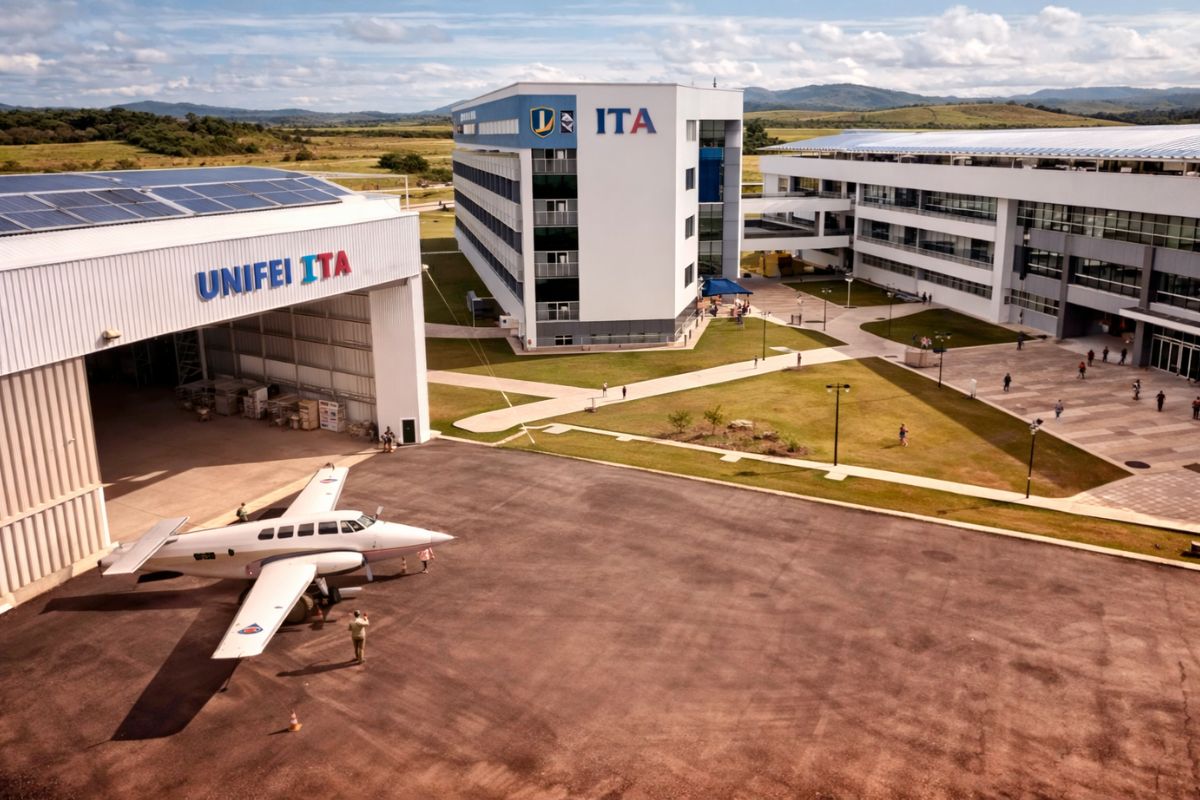
The institute that trained the greatest aerospace engineers in Brazil has just opened its first campus outside São Paulo after 75 years: ITA Ceará will have R$ 445 million, new courses in energy and systems, and classes are expected to start in 2027.
-
Luciano Hang, owner of Havan, goes to Juiz de Fora after the tragedy in February, brings R$ 1 million, hands out R$ 2,000 cards, and donates up to R$ 15,000 to victims in the region.

-
The Brazilian passport allows legal residence in dozens of countries without the need for a prior visa, and most Brazilians are unaware that they can apply for residency directly upon arriving in nations in South America, Africa, and even Europe.

-
Petrobras sends a message to Brazilian truck drivers after fuel collapse and reveals plan to have 100% domestic diesel.

The company’s plan, however, began to change when the animal nutrition sector underperformed and became a target for reorganization. ADM attempted to negotiate the sale of the complex, with values estimated between R$ 1 billion and R$ 1.5 billion, but no buyers emerged. Faced with the deadlock, the decision was made to permanently close the plant.
According to an investigation by NeoFeed, the closure notice was given on July 15, with a 90-day deadline for operations to be fully discontinued. Until then, only a few basic functions will remain operational, such as the clearance of remaining stock and the technical shutdown of the production line.
Direct Impact on Workers and the Local Economy
The city of Três Corações, home to just over 80,000 residents, will feel the impact deeply. ADM was one of the largest employers in the region, and the plant’s closure represents a direct loss of income, tax revenue, and opportunities. In addition to the immediate effect on direct workers, it is estimated that over 300 indirect jobs will also be affected, among suppliers, transport companies, and outsourced service providers.
The workers, many with years of experience at the factory, now face uncertainty that goes beyond unemployment: it is the difficulty of finding new jobs in the industrial sector in a medium-sized city. So far, the company has not disclosed whether there will be any transition plans or incentives for the affected professionals. Local unions have already started organizing meetings to discuss mediation alternatives with the company.

Why ADM Decided to Leave Brazil — and Why It Matters
The closure announcement comes months after ADM revealed a global reorganization focused on cost-cutting. The company aims to save between US$ 500 and 750 million in the coming years, which includes reducing factories, layoffs, and redirecting investments to more profitable markets.
Not coincidentally, while the Três Corações unit is being deactivated, ADM is expanding its presence in Mexico with the opening of a new wet pet food plant in Yecapixtla. The shift in focus away from Brazil indicates a strategic repositioning of the company, but also a symptom of the weakening of the national industrial chain — especially in sectors dominated by multinationals.
This movement also reinforces the global trend of centralizing production units in countries with more predictable operating costs and aggressive fiscal support. In ADM’s case, the choice of Mexico represents, in addition to proximity to the U.S. market, a business environment considered more agile and attractive.
Pet Food Sector Growing… But Concentrated
Despite the closure, the Brazilian pet food market continues to grow: in 2024, it generated over R$ 42 billion, according to NeoFeed data. The problem is that much of this revenue is in the hands of giants like Nestlé, Mars, and PremieRPet, while smaller companies face scaling difficulties.
With ADM’s exit, there is room for a new reorganization of the sector. But it is unlikely that the gap left by such a large operation will be filled quickly. The trend is for concentration to increase — and for prices to follow this movement. And with less national competition, the end consumer is likely to pay more for products that are often imported or of lower nutritional diversity.
Is Brazil Losing Its Productive Capacity?
More than the end of a factory, the ADM case in Três Corações raises an urgent question: can Brazil still keep foreign companies operating here without losing competitiveness? The country has a market, rising internal consumption, and technical capacity. But a lack of incentives, high taxes, and legal insecurity drive away industrial investments — turning stories like this into increasingly common occurrences.
Meanwhile, the Três Corações region now faces the challenge of seeking new investors or, at least, ensuring that the structure left behind by ADM does not become just another empty plant — like so many others that marked the decline of industrial hubs in the interior of Brazil. The Minas Gerais plant may be closing its doors, but the debate on how to keep our industry afloat is just beginning.









Dói saber que bastaria o desgoverno que só entende de falcatruas não atrapalhar que o Brasil deslancha sozinho, pois com a atual carga tributária, leis trabalhistas e benefícios arcaicos e ineficientes que minam a competitividade, sindicatos sabotadores que não enxergam o trabalhador como prioridade e uma tal justiça do trabalho (que só existe aqui) que enxerga o empresário como vilão e o funcionário como coitadinho, só mesmo sendo maluco pra quem quer que seja se propor a empreender por aqui…
O país está caminhando para ser uma Venezuela , governo e STF persegue opositores , so a palavra deles é o que vale , faial de democracia , estamos vivendo uma **** de toga , então quem tem dinheiro não vai investir em um país sem leis , ninguém respeita a constituição .
Ninguém é louco de investir em um país sem lei, onde rasgam a constituição e perseguem seus opositores com crimes inexistentes sem direito a defesa, não é a atoa que estrangeiros estão retirando bilhões em investimentos na bolsa brasileira e quando ainda há tempo.
Perseguir opositores é a marca da direita, veja o caso Lula. Agora dizer que o direito de defesa está sendo sonegado, vixe, o que só se houve e se vê é o grupo **** sendo julgado em todas as esferas do STF. Mas calma, logo, logo isto termina e o **** “mor” irá preso na ****. Ai tu monta acampamento lá.
Parei de ler tuas asneiras no “esta sendo julgado em TODAS as esferas do STF”. Só aqui, para iniciar, tu mesmo ja matou a xarada. O STF não tem competencia para julgar TUDO. Pegue a Constituição Federal de 1988 e veja la a competencia do STF. Se restringe aquilo ali e deu.
Forte Abraço.