





 Portuguese
  English
  Spanish
 4 min of reading
  0 comments


The Closure of Mines Is at the Center of International Debates and Gains Highlighting as an Essential Part of Mining. Brazil Has Made Advances in Regulation, Sustainability, and Innovation, Showing How Advance Planning Can Transform Liabilities into Opportunities and Reduce Social and Environmental Impacts
The closure of mines is no longer seen as the last stage of mining but is treated as an integral part of the entire process.
This topic has gained traction in international debates because it involves not only techniques and costs but also sustainability, social responsibility, and environmental safety, according to a report published.
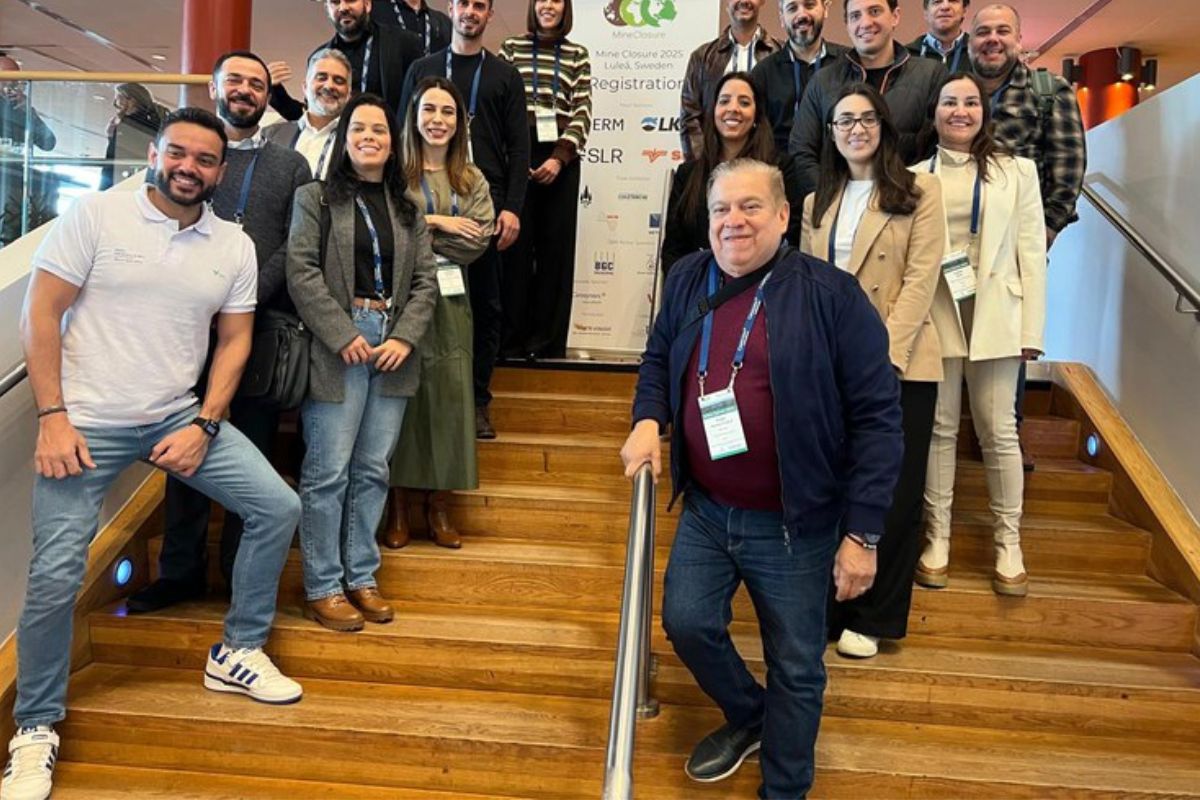
At the global ACG Mine Closure 2025 meeting held in Luleå, Sweden, experts from various countries discussed how to plan and execute the cessation of operations efficiently and transparently.
-
USA and China compete for Brazil over resources that could be worth trillions — rare earths put the country at the center of a global dispute

-
After China, it’s now the turn of the USA to ‘secure’ a share of Brazil’s natural resources: the country buys critical rare earths for R$ 3 billion and enters the center of the global technology dispute.
-
Rare earths are in everything, from cell phones to bullet trains, and what almost no one realizes is why they have become the target of such a delicate global war.

-
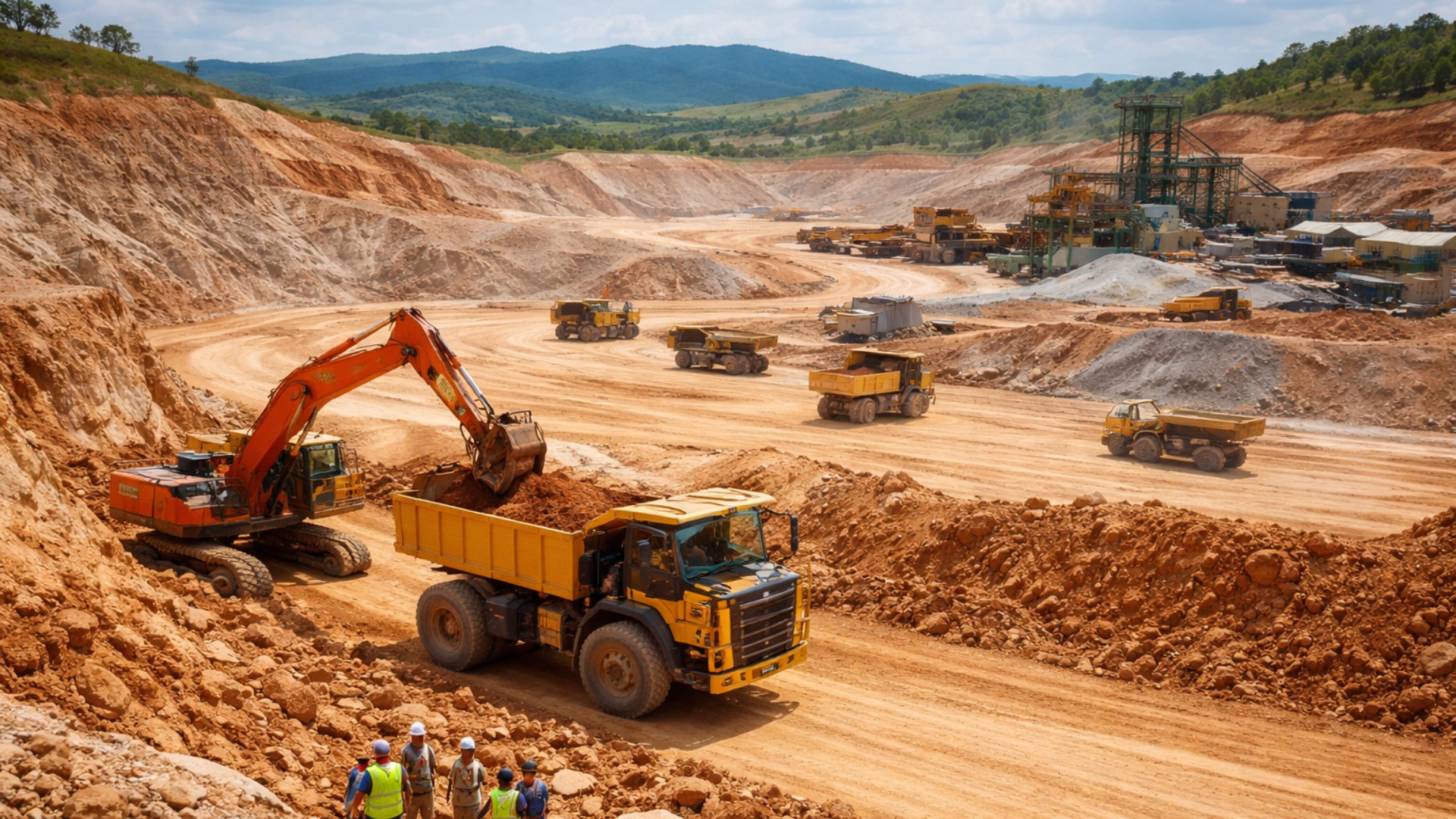
Brazil extracts 26.3 million tons of ore from what was previously treated as waste, transforming residues into wealth, producing over 3 million tons of sand, and demonstrating how national mining is relearning to generate value.


The Brazilian presence included representatives from regulatory bodies and brought examples of regulatory advances and ongoing challenges.
This movement shows that the mineral sector can no longer think only about extraction but also about how to restore used areas, creating productive alternatives and reducing risks for communities.
Sustainability and Mine Closure in the International Scenario
At the event in Sweden, it was clear that sustainability and mine closure need to go hand in hand from the beginning of any project.
The lack of planning can lead to lasting environmental impacts, especially in tropical regions, as highlighted by the World Bank Mining Practice and the ICMM (International Council on Mining and Metals).
Problems such as erosion, acid drainage, and contamination of watercourses can persist for decades if not addressed with regulatory foresight.
Moreover, new technologies have been discussed to transform mined areas into productive territories.
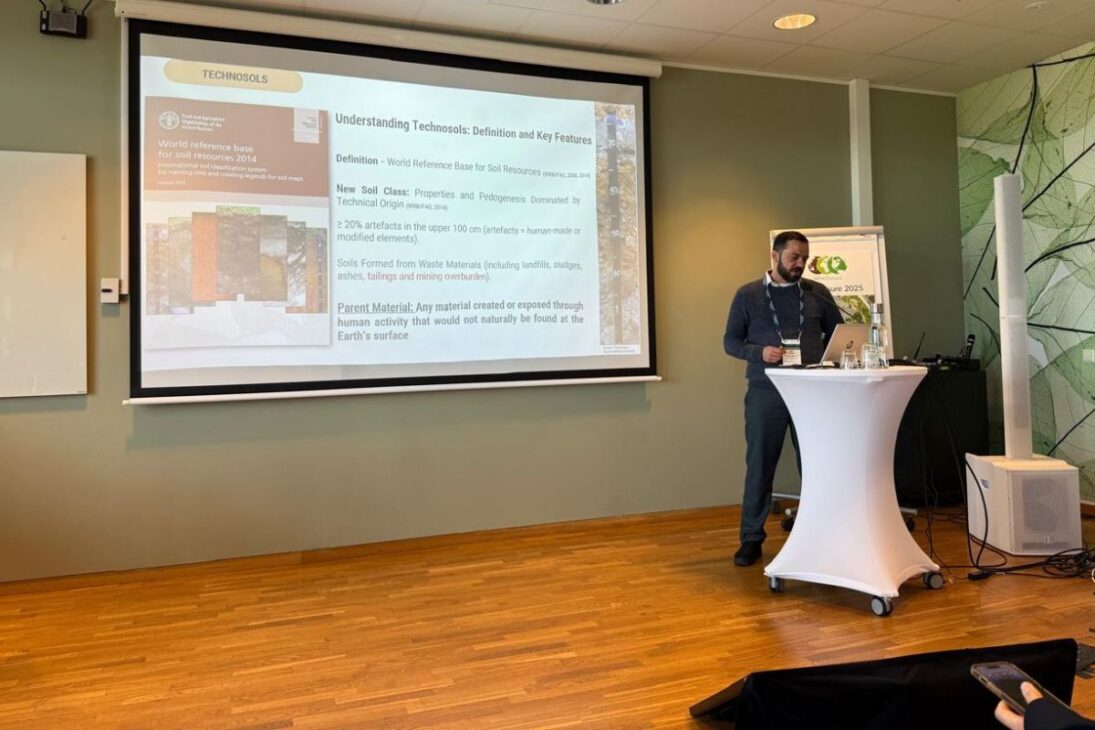
One example is Technosols, artificial soils created from waste, capable of reintegrating degraded regions and even contributing to carbon sequestration.
This type of innovation shows that the closure phase can stop being a financial burden and become an opportunity for sustainable recovery.
Innovation Applied to Mine Closure in Brazil
The Brazilian participation in ACG Mine Closure 2025 reinforced the quest for innovation in mine closure.
On stage at the event, Fábio Perlatti and Fernando Kutchenski presented the country’s advances in regulatory terms while highlighting the challenges related to abandoned mines.
The use of solutions like Technosols appears as an alternative to restore mined areas with new economic purposes.
The director of the regulatory agency, Roger Cabral, explained that integrating good international practices strengthens both investors and society.
For him, closure should not be viewed as a standalone cost but as part of the economic and social cycle of mining.
This approach opens space for regulatory foresight, increasing legal security and encouraging new investments.
International Regulation as a Guide for Mine Closure
The experience of countries like Canada and Australia shows that anticipating the closure of mines from the beginning of operations reduces risks and facilitates relations with communities.
In these nations, planning includes clear stages, monitoring, and open dialogue with the population. This model was pointed out as a reference during the event in Sweden and serves as a guide for Brazil, which still faces environmental liabilities and waste structures.
By participating in the meeting, the Brazilian delegation sought to align national mining with global practices. For Roger Cabral, international technical qualification is an essential factor for the country to advance.
According to him, foresight in closure allows for reduced costs, improved licensing processes, and ensures that returned areas have future utility.
Social and Economic Impacts of Mine Closure
The global debate made it clear that mine closure is not limited to environmental issues. There are direct repercussions on the economy and the lives of communities.
On the macroeconomic front, foresight prevents unplanned exploitation and reduces uncertainties for investors.
On the social aspect, it ensures that neighboring populations are not exposed to risks from deactivated dams or contaminated areas.
In Brazil, where there is a historical lack of specialized personnel, the adoption of international methodologies can accelerate processes and reduce costs.
The integration among government, industry, and academia appears as a path to transform this challenge into an opportunity. Thus, closure begins to be seen as a shared responsibility, not just a technical obligation.







-

Uma pessoa reagiu a isso.